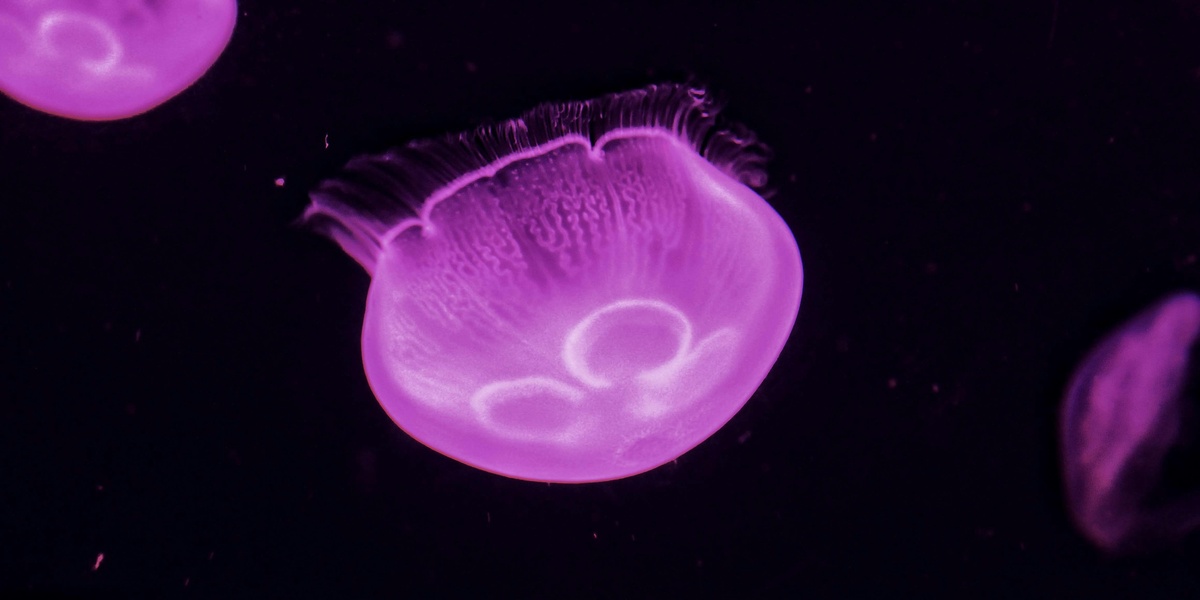
From riverbanks to coastal reefs, pink animals show up in habitats you might not expect, and their color can make them stand out for the wrong reasons. Encountering a pink creature doesn’t automatically mean danger, but a few species use bright or unusual coloring while packing venom, teeth, or other defenses.
There are 7 dangerous pink animals, ranging from the Amazon river dolphin to the Red scorpionfish. For each species I list the Scientific name,Danger type,Habitat / range so you can compare risks and distributions at a glance — you’ll find the full list and details below.
Are pink animals more likely to be dangerous to people?
Color alone isn’t a reliable warning sign; danger depends on a species’ biology and behavior (venomous spines, strong bites, defensive sprays, etc.). Some pink species are harmless, while others pose real risks, so treat unfamiliar wildlife with caution regardless of hue.
How should I stay safe if I encounter one of these species?
Keep your distance, don’t touch or provoke animals, follow local beach and river guidance, wear protective footwear in rocky or reef areas, and seek medical help quickly for bites or stings — observing from afar is the simplest way to avoid trouble.
Dangerous Pink Animals
| Name | Scientific name | Danger type | Habitat / range |
|---|---|---|---|
| Amazon river dolphin | Inia geoffrensis | Powerful bite / large | Amazon Basin rivers and floodplains |
| Humboldt squid | Dosidicus gigas | Aggressive large size / bite | Eastern Pacific, coastal upwelling zones, surface to 1,000 m |
| Red scorpionfish | Scorpaena scrofa | Venomous spines | Eastern Atlantic & Mediterranean rocky reefs, shallow coastal waters |
| Beadlet anemone | Actinia equina | Sting (nematocysts) | NE Atlantic intertidal rocks and tide pools |
| Flower urchin | Toxopneustes pileolus | Venomous pedicellariae / toxin | Indo-Pacific coral reefs, lagoons, shallow waters |
| Crown-of-thorns starfish | Acanthaster planci | Venomous spines | Indo-Pacific coral reefs, tropical lagoons |
| Northern red anemone | Urticina felina | Sting (nematocysts) | North Atlantic and Arctic rocky subtidal zones |
Images and Descriptions
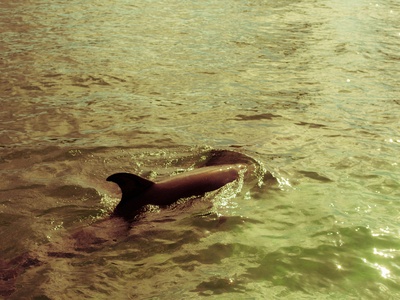
Amazon river dolphin
The pink Amazon river dolphin is a large freshwater cetacean with strong jaws and conical teeth; bites can injure fishermen or snagged limbs. Found throughout Amazon and Orinoco tributaries. Safety tip: keep distance, avoid net entanglement and do not attempt to touch.
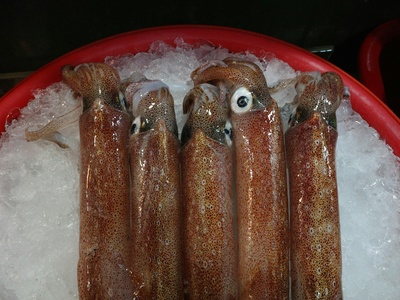
Humboldt squid
Humboldt squid are schooling, muscular cephalopods often turning pink-red when stressed; they can swarm, bite crew and strip flesh from caught fish. Found California to Chile in rich upwelling waters. Safety tip: avoid night fishing near shoals and keep distance from hooked squid.
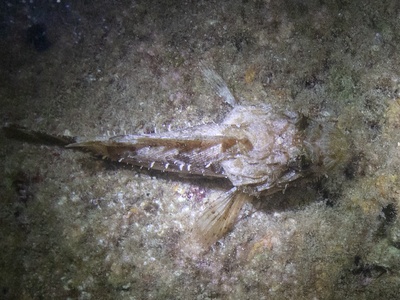
Red scorpionfish
This pinkish-red scorpionfish hides on rocky bottoms and uses venomous dorsal spines that cause intense pain, swelling and possible infection when stepped on or handled. Common in Mediterranean and nearby Atlantic. Safety tip: wear sturdy footwear and avoid handling reef fish.
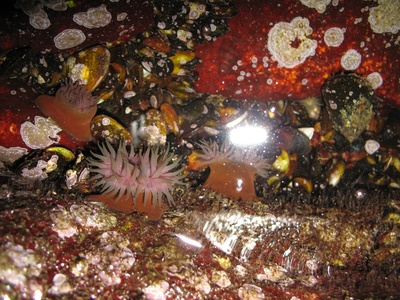
Beadlet anemone
The beadlet anemone is a compact red-to-pink intertidal anemone whose nematocysts can cause localized pain, itching and blisters in sensitive people. Found on UK and European rocky shores. Safety tip: don’t touch anemones; use gloves if handling tidepool life.
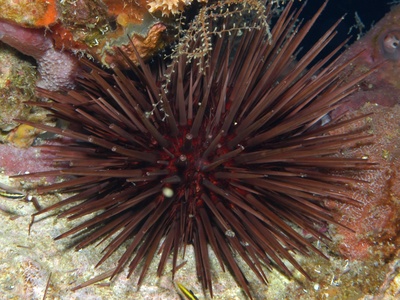
Flower urchin
The flower urchin is often pink, purple or white and bears flower-like pedicellariae that inject potent venom causing severe pain, numbness and sometimes systemic symptoms. Common on Indo-Pacific reefs. Safety tip: never handle; wear protective footwear and shuffle feet.
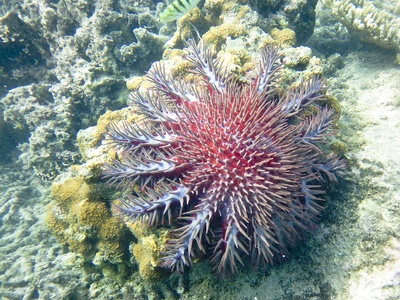
Crown-of-thorns starfish
Acanthaster planci is a large, often purple or pink starfish with many long venomous spines; punctures cause severe pain, swelling and sometimes infection. It devastates corals and can be encountered on reef flats. Safety tip: avoid contact and use tools to remove if necessary.
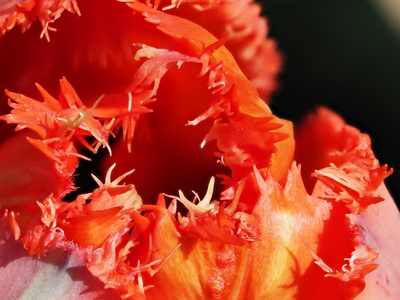
Northern red anemone
Urticina felina ranges from red to pink and anchors to subtidal rocks; its sting can cause painful welts and allergic reactions in swimmers and divers. Found cold Atlantic and Arctic coasts. Safety tip: avoid touching and wear gloves when handling marine life.