Deserts shape some of the planet’s toughest ecosystems — from shifting sand seas to rocky plateaus and cold, windy steppes. Life here is pared down to efficient strategies: sparse water use, nocturnal habits, and specialized diets let animals survive where plant life is thin.
There are 29 Amazing Desert Animals, ranging from Addax to Wild Bactrian camel; for each species the data are organized as Scientific name,Size (length cm),Range — you’ll find below.
How do desert animals cope with extreme heat and scarce water?
They use a mix of behavior and biology: many are nocturnal or crepuscular to avoid daytime heat, burrow to reach cooler microclimates, and have physiological adaptations like highly concentrated urine, reduced sweating, or fat storage in specific body parts (e.g., camel humps) that minimize water loss and provide energy.
Where can I see these species in the wild?
These animals occur across hot and cold deserts worldwide — Sahara and Arabian deserts, the Gobi, Mojave, and the Australian Outback — but distributions vary by species; some are localized or endangered, so look for protected reserves or guided tours and check local conservation statuses before planning a visit.
Amazing Desert Animals
| Common name | Scientific name | Size (length cm) | Range |
|---|---|---|---|
| Fennec fox | Vulpes zerda | 35 | Sahara, North Africa, Arabian deserts |
| Sand cat | Felis margarita | 55 | Sahara, Arabian, Central Asian deserts |
| Gila monster | Heloderma suspectum | 45 | Sonoran and Chihuahuan deserts (SW USA, N Mexico) |
| Desert tortoise | Gopherus agassizii | 35 | Mojave and Sonoran deserts (SW USA) |
| Banner-tailed kangaroo rat | Dipodomys spectabilis | 38 | Chihuahuan and Sonoran deserts (SW USA, Mexico) |
| Lesser Egyptian jerboa | Jaculus jaculus | 25 | Sahara, Middle East |
| Deathstalker scorpion | Leiurus quinquestriatus | 9 | Sahara, Middle East, North Africa |
| Saharan horned viper | Cerastes cerastes | 50 | Sahara, North Africa, Middle East |
| Sidewinder rattlesnake | Crotalus cerastes | 70 | Sonoran and Mojave deserts (SW USA) |
| Sandfish skink | Scincus scincus | 20 | Sahara, Arabian and North African deserts |
| Thorny devil | Moloch horridus | 20 | Central and Western Australian deserts |
| Red kangaroo | Osphranter rufus | 150 | Australian arid interior |
| Greater bilby | Macrotis lagotis | 40 | Australian arid and semi-arid regions |
| Addax | Addax nasomaculatus | 130 | Sahara and Sahel deserts |
| Arabian oryx | Oryx leucoryx | 150 | Arabian Peninsula deserts |
| Gemsbok | Oryx gazella | 200 | Kalahari, Namib and Southern African arid regions |
| Wild Bactrian camel | Camelus ferus | 400 | Gobi and Central Asian cold deserts |
| Meerkat | Suricata suricatta | 30 | Kalahari Desert and arid southern Africa |
| Greater roadrunner | Geococcyx californianus | 57 | Southwestern US deserts (Sonoran, Chihuahuan) |
| Black-bellied sandgrouse | Pterocles orientalis | 32 | Sahara, Middle East, Central Asia |
| Desert hedgehog | Paraechinus aethiopicus | 18 | Sahara, Arabian Peninsula, Middle East |
| Saharan silver ant | Cataglyphis bombycina | 0.7 | Sahara Desert |
| Namib dune beetle | Stenocara gracilipes | 1.8 | Namib Desert, SW Africa |
| Camel spider | Galeodes arabs | 10 | Sahara, Middle East, North Africa |
| Desert tarantula | Aphonopelma chalcodes | 12 | Sonoran Desert (SW USA) |
| Side-blotched lizard | Uta stansburiana | 15 | Western North American deserts |
| Black-tailed jackrabbit | Lepus californicus | 50 | Mojave and Sonoran deserts (SW USA) |
| Striped hyena | Hyaena hyaena | 110 | North Africa, Middle East, Central Asia arid regions |
| Spinifex hopping mouse | Notomys alexis | 13 | Australian spinifex grasslands and arid interior |
Images and Descriptions
Fennec fox
Tiny nocturnal fox eating insects, small mammals and plants; huge ears shed heat and detect prey underground. Fennecs conserve water, dig burrows, and are famous for their ears and adorable looks, making them iconic North African desert specialists.
Sand cat
Small wild cat that eats rodents, reptiles and insects; dense fur insulates from cold nights and protects from hot sand. Sand cats can survive with minimal free water, use burrows and are superbly camouflaged hunters of dune and rocky deserts.
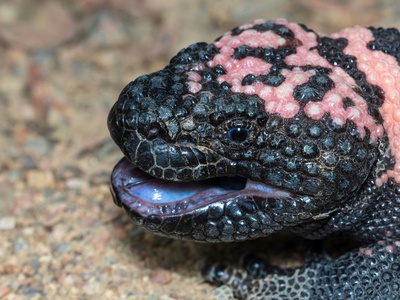
Gila monster
Slow-moving, venomous lizard that eats eggs, nestlings and small mammals; stores fat in its tail for lean periods. Gila monsters deliver a milky venom via oral glands, burrow to avoid heat, and are one of the few venomous lizards in deserts of the American Southwest.
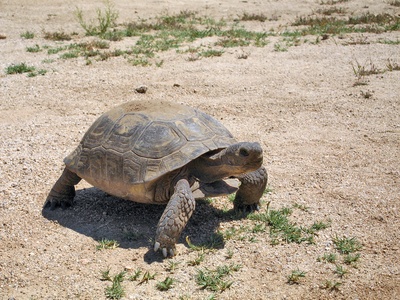
Desert tortoise
Herbivorous turtle that eats grasses and forbs; digs deep burrows to escape extreme heat and conserve moisture. Desert tortoises can live decades, slow metabolic rates reduce water needs, and they are keystone species shaping desert plant communities.
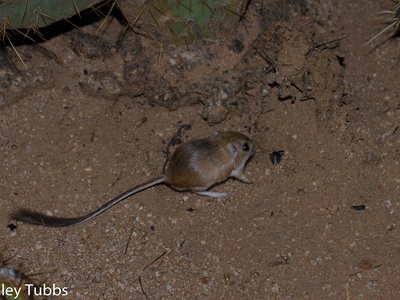
Banner-tailed kangaroo rat
Nocturnal seed-eating rodent that hops on powerful hind legs and stores seeds in cheek pouches. Banner-tailed kangaroo rats conserve water through metabolic adaptations, build complex burrows, and can survive without drinking free water by extracting moisture from food.
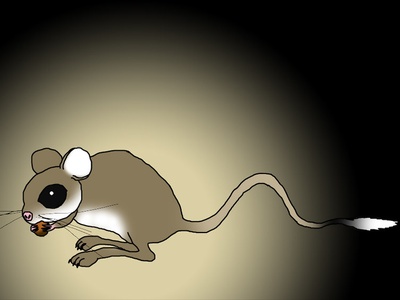
Lesser Egyptian jerboa
Tiny nocturnal hopper that feeds on seeds and insects; enormous hind legs and a long tail enable rapid saltatory locomotion. Jerboas avoid daytime heat in burrows, leap great distances to escape predators, and are perfectly adapted to sandy deserts.
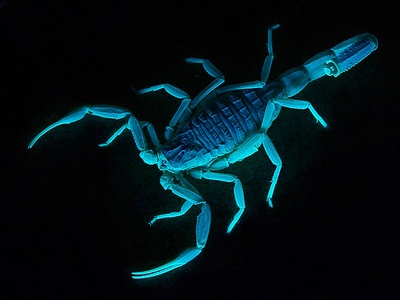
Deathstalker scorpion
Small but highly venomous scorpion feeding on insects and small vertebrates; nocturnal hunter with low water needs. Deathstalkers thrive in arid lands through water-conserving physiology and a tough exoskeleton, notorious for medically significant venom to humans.
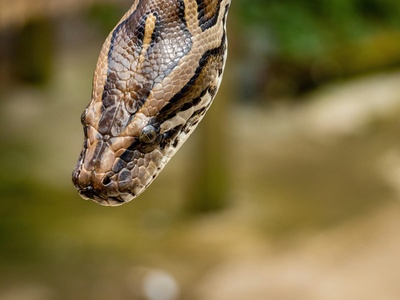
Saharan horned viper
Ambush predator that eats rodents and lizards; hides under sand with horn-like scales above its eyes. Horned vipers use heat tolerance and camouflage for surprise attacks, sidewinding across dunes and striking rapidly at passing prey.
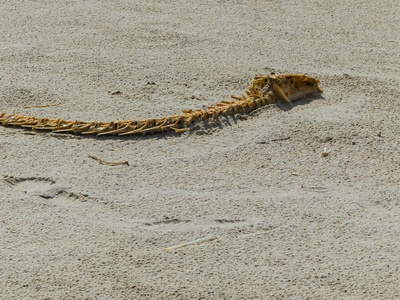
Sidewinder rattlesnake
Specialized desert rattlesnake that moves in a sidewinding gait to minimize sand contact and overheating; ambushes rodents and lizards. Heat-sensing pits and cryptic coloration help sidewinders hunt efficiently across shifting dunes and hot substrates.

Sandfish skink
Smooth-scaled lizard that “swims” through sand to chase insects and avoid predators; eyelids and streamlined body reduce sand abrasion. Sandfish burrowing behavior and thermal avoidance let them exploit loose dunes where few reptiles can move easily.
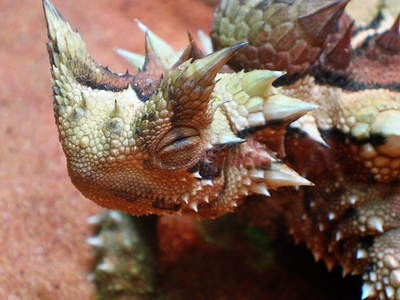
Thorny devil
Spiny ant-eating lizard that collects water via capillary skin channels directing moisture to its mouth; feeds almost exclusively on ants. Thorny devils are superbly camouflaged, have low metabolic demands, and endure Australia’s arid interior with unique water-harvesting skin.
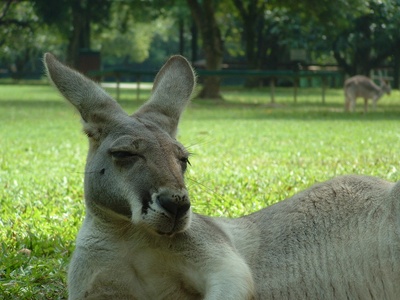
Red kangaroo
Largest marsupial, grazing grasses and shrubs across Australia’s arid interior; powerful hind legs enable long, efficient hops. Red kangaroos tolerate heat by panting and behavioral shading, travel large distances for food, and can survive on sparse vegetation.
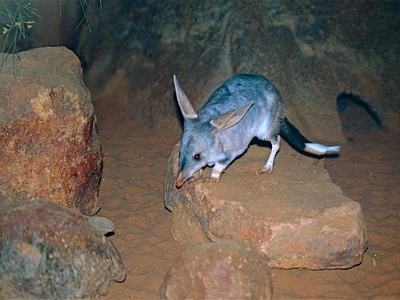
Greater bilby
Nocturnal omnivorous marsupial eating insects, seeds and bulbs; long ears dissipate heat and enhance hearing. Bilbies dig extensive burrows to escape heat and predators, playing a vital role in soil turnover and seed dispersal in Australia’s deserts.
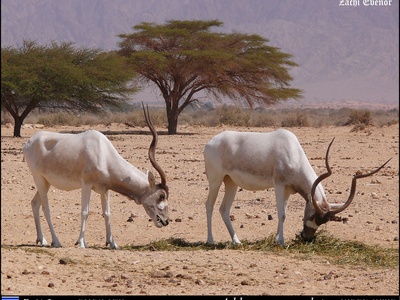
Addax
Critically endangered desert antelope that feeds on grasses and succulents; specialized kidneys and metabolic adaptations conserve water. Addax have broad hooves for soft dunes, can browse salty plants, and survive long periods without direct water in the Sahara.
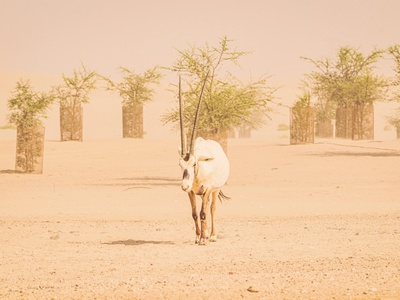
Arabian oryx
White-coated antelope that grazes grasses, roots and fruits; reflects sunlight and reduces heat load. Arabian oryx can concentrate urine, dig for tubers, and survive high temperatures—once extinct in the wild, reintroduced through successful conservation programs.
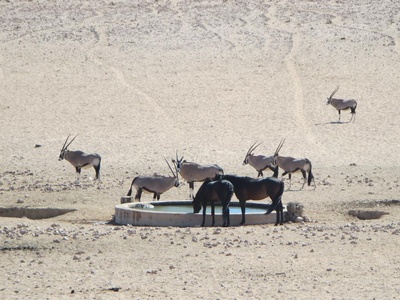
Gemsbok
Large antelope with long straight horns used for defense; grazes and browses tough desert vegetation including tubers. Gemsbok tolerate heat and can obtain moisture from food, digging for roots and standing resilient in Kalahari and Namib arid landscapes.
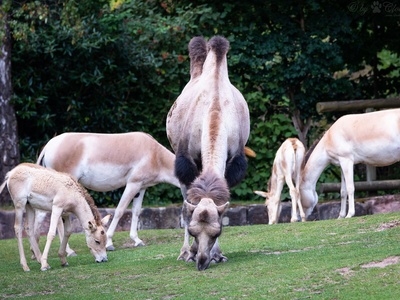
Wild Bactrian camel
Two-humped wild camel adapted to cold and hot deserts; humps store fat to survive lean periods and provide insulation. Wild Bactrians feed on salty, thorny shrubs, endure extreme temperature swings, and are critically endangered in Central Asian deserts.
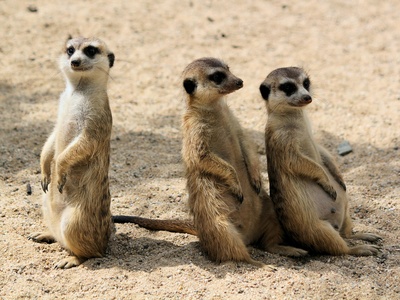
Meerkat
Social mongoose that forages for insects, small vertebrates and plants; lives in cooperative groups with sentinel guards. Meerkats dig extensive burrow systems to escape heat and predators, use mobbing behavior against snakes, and are charismatic Kalahari desert inhabitants.
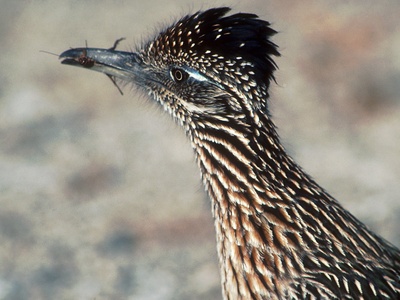
Greater roadrunner
Fast-running bird eating insects, reptiles and small mammals; hunts by sight and speed in open desert scrub. Roadrunners thermoregulate with behavioral sunning and shade-seeking, nest on low bushes, and are iconic predators of North American arid regions.
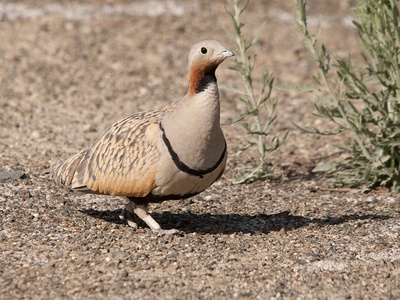
Black-bellied sandgrouse
Seed-eating bird that breeds in deserts and semi-deserts; males soak belly feathers at water to ferry moisture to chicks. Sandgrouse have dense plumage for insulation, fly long distances to water, and are remarkable for parental water transport.
Desert hedgehog
Small nocturnal insectivore using spines for defense; eats insects, scorpions and small vertebrates. Desert hedgehogs dig shallow burrows, enter torpor to conserve energy in extreme conditions, and are widespread across North African and Arabian deserts.
Saharan silver ant
Small scavenging ant that forages during midday heat to avoid predators; reflective hairs and rapid locomotion reduce overheating. Saharan silver ants navigate with a sun compass, locate carcasses quickly, and exploit temperatures lethal to most other desert animals.
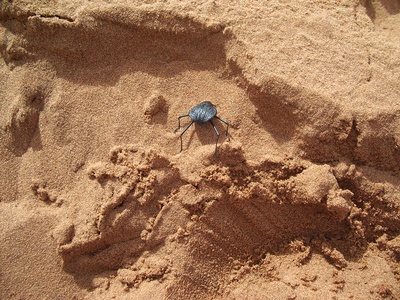
Namib dune beetle
Beetle that harvests fog moisture by standing on dune ridges and collecting droplets on textured elytra; feeds on detritus and microbial films. This superb fog-basking adaptation supplies water in the hyper-arid Namib Desert where rainfall is extremely scarce.
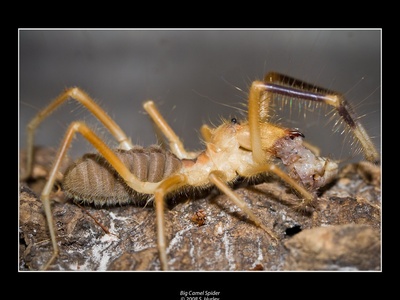
Camel spider
Fast nocturnal solifuge that preys on insects and small vertebrates; powerful chelicerae tear prey apart. Camel spiders avoid daytime heat in burrows or under stones, move with bursts of speed, and are famed in desert folklore for their agility.
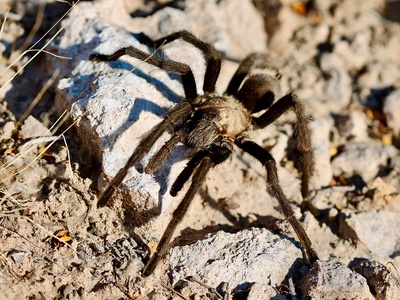
Desert tarantula
Large ground spider that ambushes insects and small vertebrates; digs burrows to escape heat and maintain humidity. Desert tarantulas have low metabolic rates, long lifespans, and deliver venom to subdue prey while conserving water in arid environments.
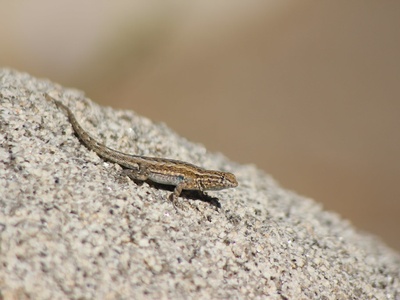
Side-blotched lizard
Small insectivorous lizard with variable throat colors linked to competing mating strategies; thrives in rocky and sandy deserts. Side-blotched lizards reproduce quickly, use microhabitats to avoid heat, and show remarkable behavioral and evolutionary diversity.
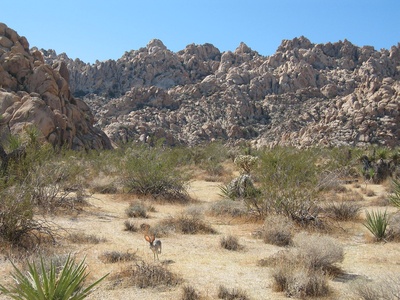
Black-tailed jackrabbit
Large desert hare that browses shrubs and grasses; long ears provide cooling and keen hearing. Jackrabbits use powerful hind legs to escape predators, are primarily crepuscular, and are a key prey species across North American deserts.
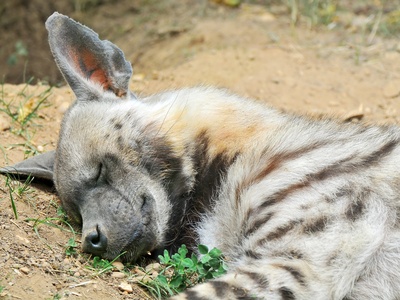
Striped hyena
Nocturnal scavenger that consumes carrion, fruits and small animals; strong teeth crush bones and extract marrow. Striped hyenas occupy arid and rocky areas across Africa and Asia, traveling widely and surviving on varied food when prey is scarce.
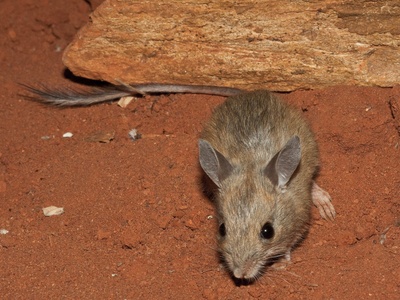
Spinifex hopping mouse
Nocturnal granivorous rodent that hops on powerful hind legs to forage and escape predators; stores seeds in cheek pouches. Spinifex hopping mice conserve water via concentrated urine, build extensive burrows, and flourish in Australia’s arid spinifex grasslands.