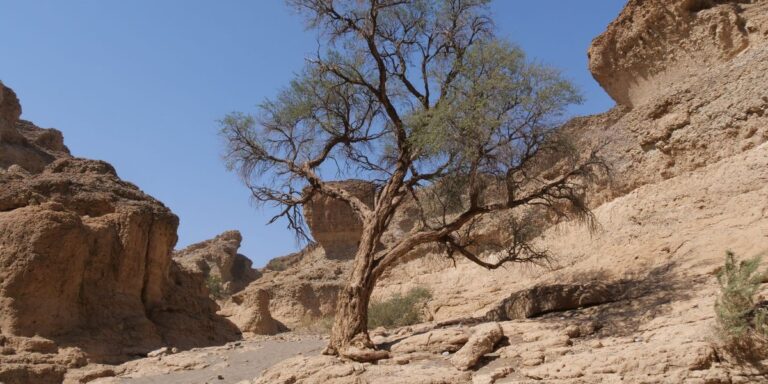
Kuwait has very few native trees, and one of them, the talha, may be the only one that qualifies without an argument. The rest of the green you see along…
Flowers of Saudi Arabia: 12 Blooms and Where to Find Them
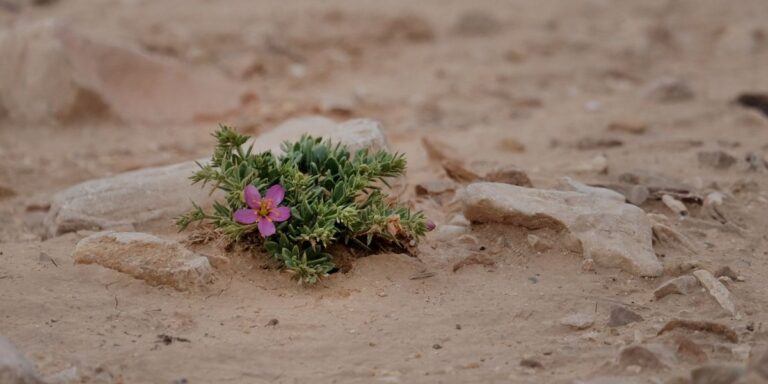
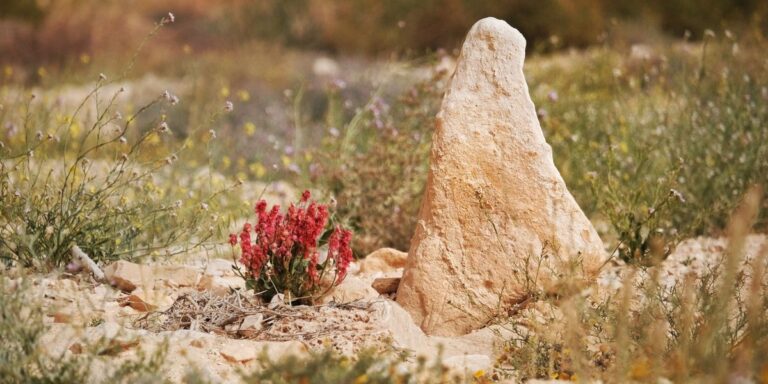
Saudi Arabia holds roughly 2,000 plant species, and a large share of them flower. Most of the color shows up in a short window after rain, which is why the…
Characteristics of a Meerkat: Traits, Habits and Myths
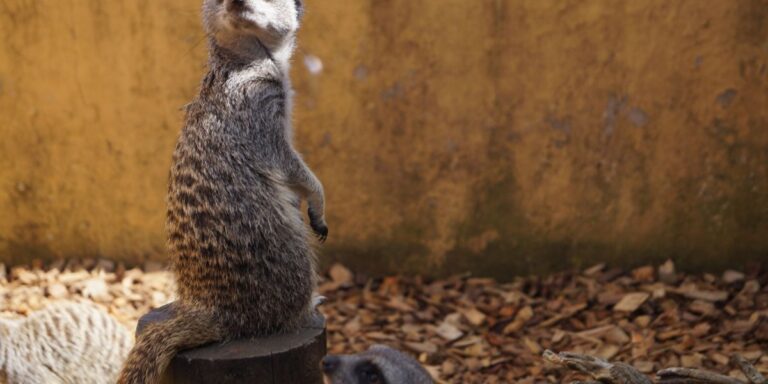
A meerkat (Suricata suricatta) is a small, social mongoose that lives in the Kalahari and Namib deserts of southern Africa. It stands about a foot tall, digs for a living,…
What Do Val’s Gundis Eat? A Desert Diet Explained
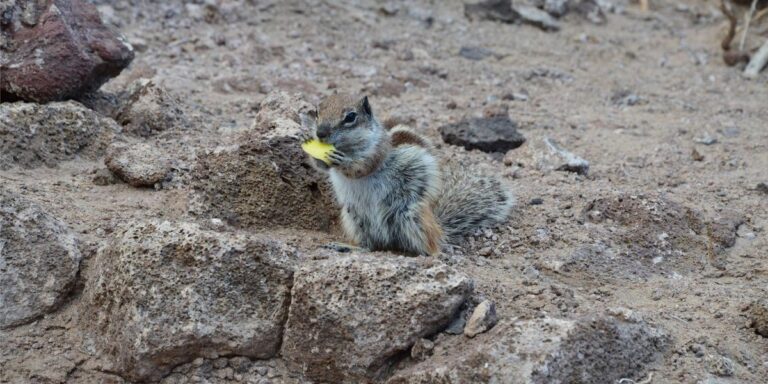
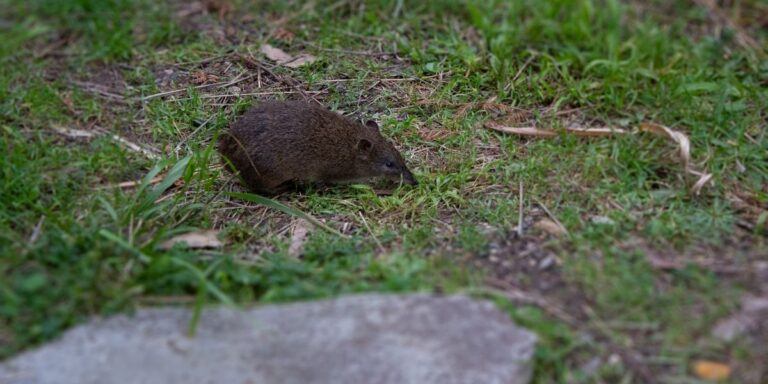
TL;DR The short answer: plants, and only plants Val’s gundi eats vegetation. In the rocky, dry country of Morocco, Algeria and Libya, that means whatever green or seed-bearing plant matter…
Reptiles of Iran: 241 Species, From Cobras to Crocodiles
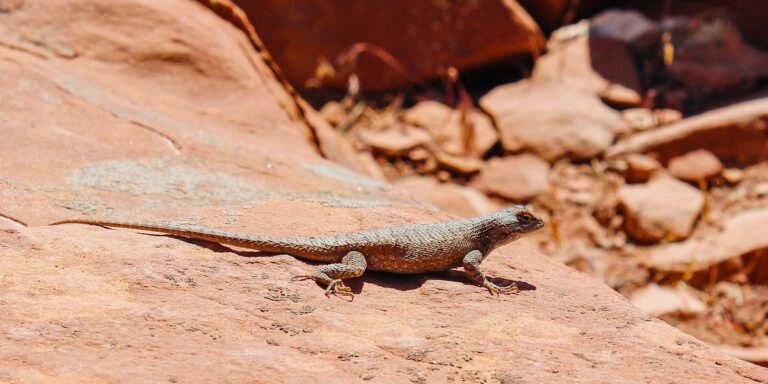
Table of Contents TLDR How many reptiles live in Iran? The answer is about 241 species, according to the Annotated Checklist of Amphibians and Reptiles of Iran, the most cited…
Morocco’s Native Plants: 11 Species by Habitat
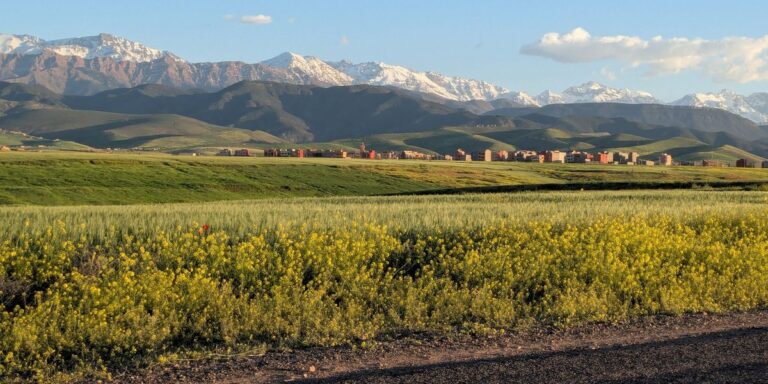
Morocco has roughly 7,000 plant species, and more than 900 of them grow nowhere else on Earth. That’s a lot of botany for a country you can cross in a…
Amphibians of Libya: Every Species, Explained
TLDR Libya’s amphibian list is short: the Sahara frog (Pelophylax saharicus) along the northern coast, the African green toad (Bufotes boulengeri) almost everywhere there’s seasonal water, and the subdesert toad…
What Did the Desert Bandicoot Actually Eat?
Table of Contents The Quick Answer The desert bandicoot (Perameles eremiana) ate ants, termites, and beetle larvae, dug up with its long snout and clawed front feet, rounded out with…
Plants of Chile: A Climate-by-Climate Field Guide
Table of Contents Why Isolation Made Chile a Plant Factory Chile is a strip of land 2,650 miles long and, on average, about 110 miles wide, boxed in on every…