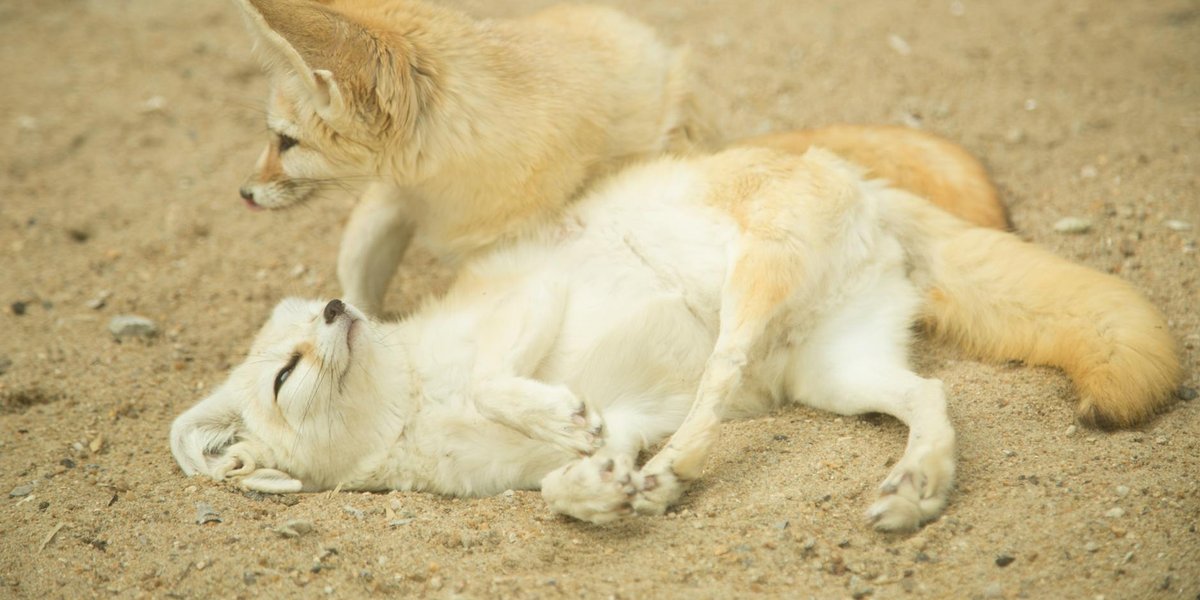
Blanford’s foxes are omnivores, and their diet leans far more toward bugs and fruit than meat. A typical night’s foraging turns up beetles, grasshoppers, and ants alongside caperberries and dates — with the occasional gerbil or lizard if one happens to cross the path. For a fox, that’s an unusual menu, and it tells you almost everything about how this tiny cat-sized canid survives in some of the harshest rocky deserts on Earth.
Most species profiles bury diet under habitat maps and conservation tables. This one puts it front and center, because what Vulpes cana eats is the single most interesting thing about it — including the part where it barely drinks water at all.
Table of Contents
- The short answer
- Insects: the bulk of the diet
- Fruit: the other half
- Small vertebrates: the occasional catch
- How diet shifts by region and season
- The water question
- How they forage
- FAQ
The Short Answer {#the-short-answer}
Blanford’s foxes are insectivorous-frugivorous omnivores. In plain terms: insects and fruit do most of the heavy lifting, small animals fill in the gaps, and meat is more of a bonus than a staple. Studies of wild populations in Israel found insects and fruit together making up the overwhelming majority of what these foxes actually eat, with vertebrate prey playing a minor supporting role.
That puts them at the opposite end of the canid spectrum from, say, a red fox, which is a far more dedicated hunter. Blanford’s fox is small — roughly 1.5 to 3 kilograms, about the size of a house cat with a tail longer than its body — and that size shapes the menu. You don’t chase down rabbits when you weigh as much as a bag of sugar. You eat what the desert hands you, and in arid mountains, that’s mostly invertebrates and whatever’s fruiting.
Insects: The Bulk of the Diet {#insects}
If you watched a Blanford’s fox forage for an hour, you’d mostly watch it eating insects. They’re the foundation of the diet, available year-round in some form, and they don’t fight back the way a cornered rodent might.
The regulars on the menu:
- Beetles — including dung beetles and ground beetles, a consistent staple
- Grasshoppers and locusts — easy, protein-rich, and abundant after rains
- Ants and termites — eaten in bulk when colonies are active
- Other invertebrates — caterpillars, bugs, and assorted arthropods picked off rocks and vegetation
The appeal isn’t just availability. Insects come pre-packaged with moisture and fat, which matters enormously for an animal living where free water is scarce. A fox cracking open beetles all night is also, quietly, drinking. The IUCN Red List assessment for the species notes its primarily insectivorous and frugivorous habits, and field research backs that up: the gut contents of wild Blanford’s foxes are dominated by invertebrate remains far more often than by fur or bone.
Fruit: The Other Half {#fruit}
Here’s where Blanford’s fox breaks from the typical fox script. Fruit isn’t an occasional treat — it’s roughly half the diet, and in some seasons and places it can edge out insects entirely.
What they eat depends heavily on what’s growing nearby, but documented favorites include:
- Caperberries (the fruit of Capparis shrubs) — a desert staple
- Dates — both wild and, near settlements, cultivated
- Wild melons and gourds
- Grapes — a particular problem in vineyard regions
- Russian olive (Elaeagnus) and other small wild fruits
This fondness for fruit is the reason Blanford’s foxes occasionally clash with farmers. In parts of their range they’ll raid vineyards and orchards, and that has historically earned them a reputation as crop pests in some areas — an unfair rap for an animal that also eats the insects damaging those same crops.
But the fruit-eating runs deeper than calories, which brings us to the most remarkable thing about how this fox lives.
Small Vertebrates: The Occasional Catch {#small-vertebrates}
Blanford’s foxes do hunt. They’re just not very committed to it. When a small animal is available and catchable, it goes on the menu:
- Rodents — gerbils and other small desert mice
- Lizards — geckos and small reptiles
- Birds — and occasionally eggs
The key word is small. These foxes lack the body mass and bite force to take down anything substantial, and they don’t form hunting packs — they forage alone. Vertebrate prey shows up in their diet, but it’s the minority report, not the headline. A fox might go several nights eating nothing but bugs and fruit before a gerbil makes the mistake of breaking cover at the wrong moment.
How Diet Shifts by Region and Season {#regional-variation}
There’s no single “Blanford’s fox diet” — there’s a flexible template that bends to local conditions. The species ranges across an enormous arc of arid country, from the Middle East through to Central Asia, and what’s on the plate in one country looks different in another. It’s one of the more widespread small carnivores in the region, turning up alongside the rest of the mammals of Iraq and across the deserts to the south.
| Region | Diet emphasis |
|---|---|
| Israel (Judean Desert) | Insects and fruit dominant; caperberries heavily used |
| Oman & Arabian Peninsula | Insects, dates, and wild fruits |
| Pakistan & Afghanistan | More opportunistic; fruit, insects, small vertebrates as available |
On the Arabian Peninsula the menu leans on dates and wild desert fruits, much as it does for the fox’s neighbors among the mammals of the United Arab Emirates. Season matters as much as geography. After winter and spring rains, insect populations explode and fruiting plants come on, so the diet skews green and buggy. In the leaner, drier stretches of the year, foxes lean harder on whatever stores of fruit and persistent invertebrates they can find. The flexibility is the strategy — an animal that refused to switch foods would not last long in a habitat this unforgiving.
Unlike some canids, Blanford’s foxes do little food caching. They tend to eat what they find when they find it rather than burying surplus for later, which fits a foraging style built around small, frequent, scattered food items rather than occasional big kills worth saving.
The Water Question {#the-water-question}
This is the detail that separates Blanford’s fox from nearly every species page that lists it.
Blanford’s foxes rarely drink standing water. In much of their range, surface water simply isn’t there to drink — they live on rocky desert mountainsides where a stream is a luxury. So they get their moisture from food, primarily from fruit and from the body fluids of the insects and small prey they eat.
This is the same trick used by other extreme desert specialists, and it explains why fruit makes up such a large share of the diet. A juicy caperberry or date isn’t just calories — it’s a drink. The high fruit intake and the low water intake are two sides of the same adaptation. Field observations have recorded these foxes accessing water when it’s genuinely available, but the population doesn’t depend on it. Their kidneys and their menu do the work that a water hole does for other animals.
It’s a neat piece of desert engineering: eat your water, and you never have to risk crossing open ground to find a spring.
How They Forage {#how-they-forage}
Blanford’s foxes are strictly nocturnal foragers. They emerge after dark, work alone across a home range, and spend the night picking through rocks and low vegetation for insects and fruit. The strategy is gleaning, not chasing — methodical searching rather than high-speed pursuit. It’s well suited to a diet of slow, stationary, or small food items.
That solitary, ground-level foraging style is why their diet is what it is. A pack hunter can bring down large prey; a lone two-kilogram fox picking through scree at night is going to come up with beetles, caperberries, and the occasional unlucky gecko. The animal and its menu fit together perfectly. National Geographic’s coverage of desert-adapted foxes and broader research on arid canids both underline the same point: in the desert, dietary flexibility beats specialization, and Blanford’s fox is a textbook case.
FAQ {#faq}
Are Blanford’s foxes omnivores? Yes. They eat both plant and animal matter, with insects and fruit forming the core of the diet and small vertebrates as a supplement.
Do Blanford’s foxes drink water? Rarely. They get most of their moisture from fruit and from the prey they eat. They’ll drink when water is available but don’t depend on it, which is part of how they survive in waterless desert mountains.
What is a Blanford’s fox’s favorite food? There’s no single favorite, but insects (especially beetles and grasshoppers) and fruit (caperberries, dates, melons, grapes) together make up the bulk of what they eat.
Do Blanford’s foxes hunt other animals? Sometimes. They take small rodents, lizards, and birds when available, but they’re not committed predators — vertebrate prey is a minor part of the diet, and they forage alone rather than in hunting packs.
Do they store food? Not really. Unlike some foxes, Blanford’s foxes do little caching, eating food as they find it during their nightly foraging.