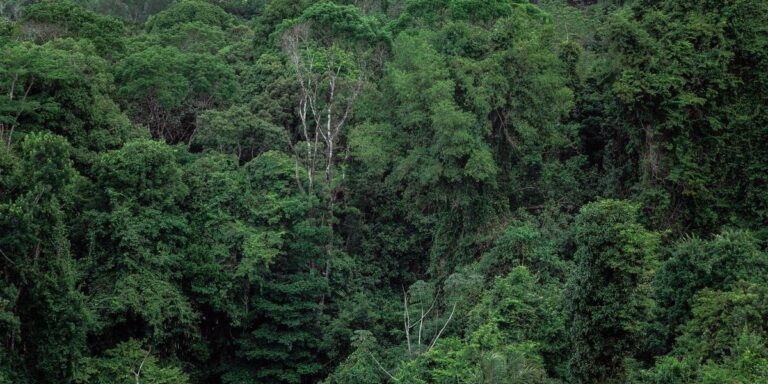
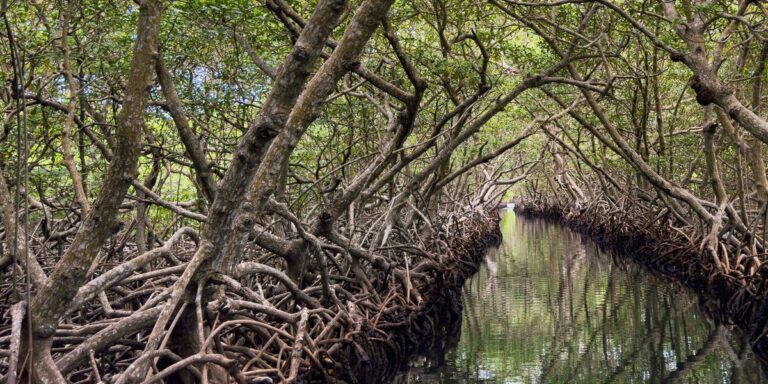
Mangroves and swamp trees aren’t two competing categories. “Mangrove” is a group of salt-tolerant tree species. “Swamp” is a type of wetland dominated by woody plants. A mangrove forest is…
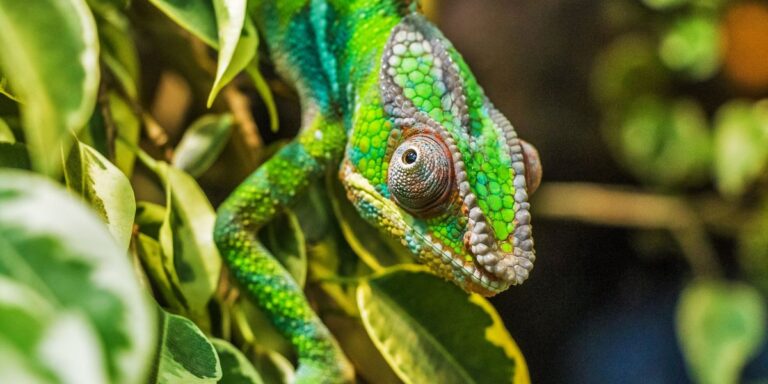
Reptiles of Yemen: Species, Hotspots and Endemics
TLDR Table of Contents How many reptiles live in Yemen? About 100, give or take a dozen, depending on who is counting. The national biodiversity clearinghouse lists 103 reptile species:…
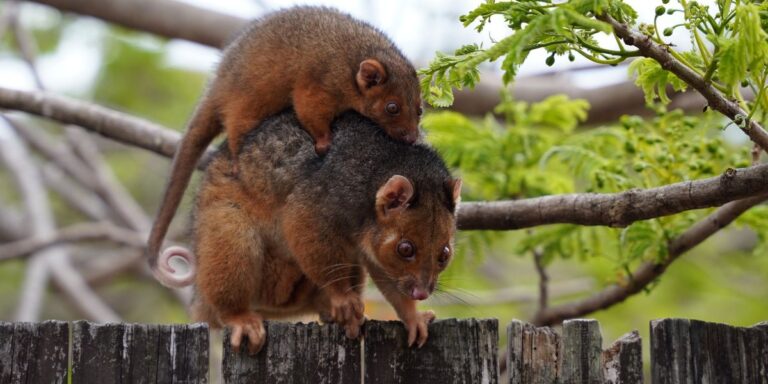
What Do Common Dunnarts Eat? A Diet Guide
TLDR Table of Contents The short answer The common dunnart eats ground-dwelling invertebrates, mostly insects and spiders, and now and then a small lizard, frog or other tiny vertebrate. It’s…
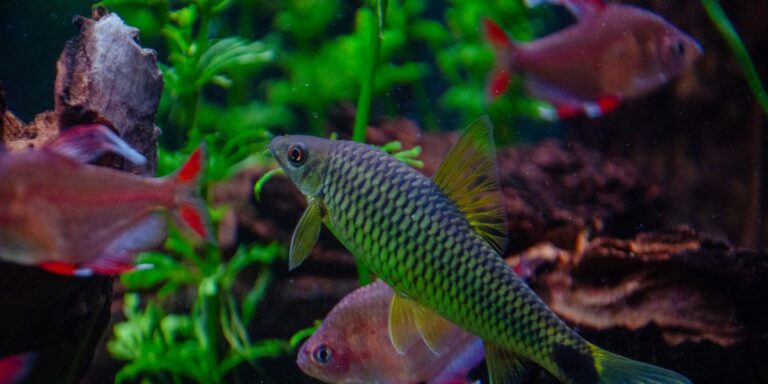
Fish of South Asia: From Himalayan Rivers to the Sea
The fish of South Asia range from a Himalayan river giant that can outweigh a grown man to a cherry-red barb that fits in a teacup, and they get eaten,…
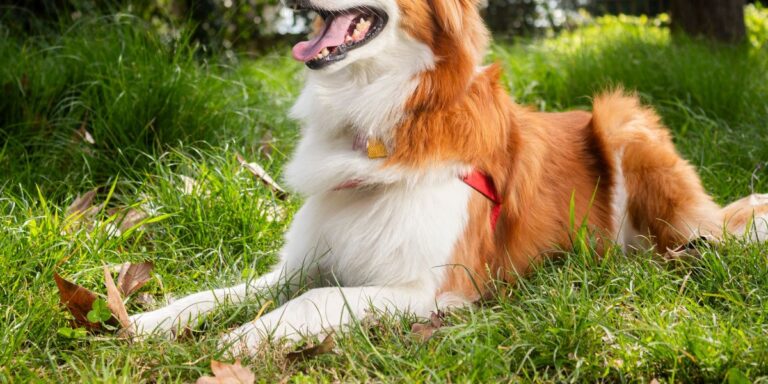
Red Dog Breeds: 18 Coats From Ginger to Mahogany
A “red” dog can be anything from the near-brown mahogany of an Irish Setter to the pale ginger of a Shiba Inu. That range is why red dog breeds are…
Flowers of Tonga: Heilala, Garlands and Where to See Them
Contents The national flower of Tonga is the heilala, and it is a tree flower, not a garden showpiece. It belongs to Garcinia sessilis, a relative of the mangosteen, and…
Animals Only Found in Nigeria: The Few Real Endemics
Nigeria has far fewer true endemics than most people assume. Elephants, hippos, aardvarks and Dama gazelles all live there, but every one of them also lives in other countries. The…
Hares vs Rabbits: How to Tell Them Apart
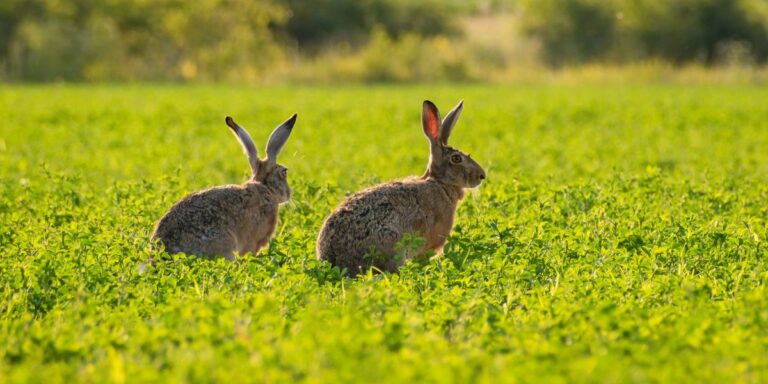
TLDR Hares and rabbits are separate animals in the same family. Hares are bigger, with longer ears and legs, and they live above ground in shallow scrapes. Their babies are…
Characteristics of Arctic Animals and How They Survive
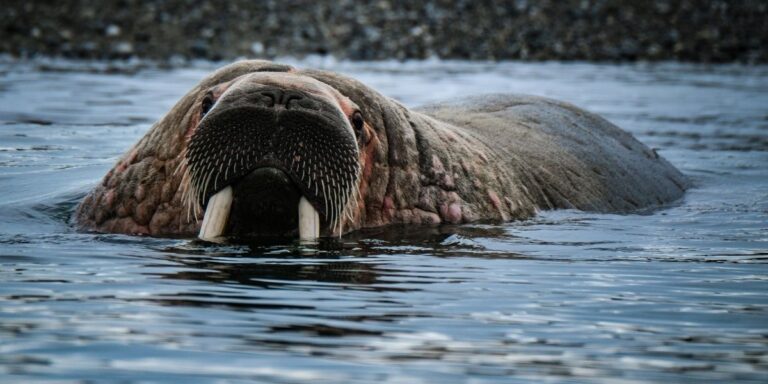
Arctic animals share five characteristics: heavy insulation, compact bodies, seasonal camouflage, a plan for the dark months (leave or shut down), and frugal use of food and water. Winter temperatures…