A “red” dog can be anything from the near-brown mahogany of an Irish Setter to the pale ginger of a Shiba Inu. That range is why red dog breeds are harder to shortlist than they look: two dogs with the same coat color can have opposite energy levels, grooming needs and lifespans.
This list covers 18 red dog breeds, grouped by size, with a stat line and one honest caveat for each. Pick the size that fits your home, then use the table and the “which one fits you” section to narrow it down.
Table of Contents
- TLDR
- What makes a dog red
- Red dog breeds at a glance
- Large red dog breeds
- Medium red dog breeds
- Small red dog breeds
- Which red dog fits you
- What a red dog costs
- FAQ
TLDR
- Best for active families with a yard: Irish Setter, Nova Scotia Duck Tolling Retriever or Vizsla.
- Best for apartments: Cavalier King Charles Spaniel, Miniature Poodle or Dachshund, as long as you can handle the health caveats below.
- Best for first-time owners: Miniature Poodle, Cavalier King Charles Spaniel or Redbone Coonhound.
- Lowest shedding: Miniature Poodle and Irish Terrier (both need regular grooming).
- Not for beginners: Akita, Chow Chow, Rhodesian Ridgeback, Dogue de Bordeaux.
- Rarest on this list: Basset Fauve de Bretagne, which most vets in the US have never treated.
What makes a dog red
Red coats come from pheomelanin, the same red-yellow pigment behind ginger hair in people. Dogs also make eumelanin, which is black or brown. A coat looks red when eumelanin gets switched off in the hair and only pheomelanin is left.
The switch is mostly a gene called MC1R. A loss-of-function variant in MC1R is behind the red and yellow coats of Irish Setters, Golden Retrievers and Yellow Labradors, and dogs with two copies cannot make black pigment in their hair. Chow Chows are the known exception, where red doesn’t track with that variant.
That explains why red comes in so many shades. MC1R decides whether a dog is red. Other genes decide how deep the red is. A copy-number variant near the KITLG gene is linked to darker red, and Irish Setters carry many copies of it, which is why they run deep mahogany while a Soft Coated Wheaten Terrier can be pale tan.
Practical consequences:
- Shade names vary by breed: mahogany, chestnut, rust, copper, ginger, wheaten, fawn, apricot.
- Many red puppies lighten or darken as they mature, and some poodles fade toward apricot or cream.
- Red markings on a dog that is mostly another color (a red merle Australian Shepherd, for example) are not the same as a solid red coat, and breed clubs treat them separately.
Red dog breeds at a glance
| Breed | Size | Typical weight | Typical lifespan | Exercise | Shedding |
|---|---|---|---|---|---|
| Irish Setter | Large | 60-70 lb | 12-15 yrs | High | Moderate |
| Vizsla | Large | 45-60 lb | 12-14 yrs | High | Low-moderate |
| Rhodesian Ridgeback | Large | 65-85 lb | 10-12 yrs | High | Moderate |
| Redbone Coonhound | Large | 45-70 lb | 12-14 yrs | High | Moderate |
| Dogue de Bordeaux | Large | 99-120+ lb | 5-8 yrs | Low-moderate | Moderate |
| Akita | Large | 70-130 lb | 10-13 yrs | Moderate | Heavy |
| Nova Scotia Duck Tolling Retriever | Medium | 35-50 lb | 12-14 yrs | High | Moderate |
| Australian Cattle Dog | Medium | 35-50 lb | 12-16 yrs | High | Moderate-heavy |
| Chow Chow | Medium | 45-70 lb | 8-12 yrs | Low-moderate | Heavy |
| Australian Shepherd | Medium | 40-65 lb | 12-15 yrs | High | Heavy |
| Basset Fauve de Bretagne | Medium | 30-35 lb | 12-14 yrs | Moderate-high | Low-moderate |
| Irish Terrier | Medium | 25-27 lb | 12-15 yrs | Moderate-high | Low |
| Shiba Inu | Small | 17-23 lb | 13-16 yrs | Moderate | Heavy |
| Dachshund (standard) | Small | 16-32 lb | 12-16 yrs | Moderate | Low-moderate |
| Miniature Poodle | Small | 10-15 lb | 12-15 yrs | Moderate | Very low |
| Pomeranian | Small | 3-7 lb | 12-16 yrs | Low-moderate | Heavy |
| Cavalier King Charles Spaniel | Small | 13-18 lb | 9-14 yrs | Moderate | Moderate |
| Cairn Terrier | Small | 13-18 lb | 13-15 yrs | Moderate | Low |
Figures are typical breed-standard ranges. Individual dogs vary, and “heavy” shedding in double-coated breeds means a seasonal blowout on top of daily hair.
Large red dog breeds
Large red dogs tend to be athletes, with a few exceptions. Most want a job, a fenced yard or a lot of walking.
1. Irish Setter
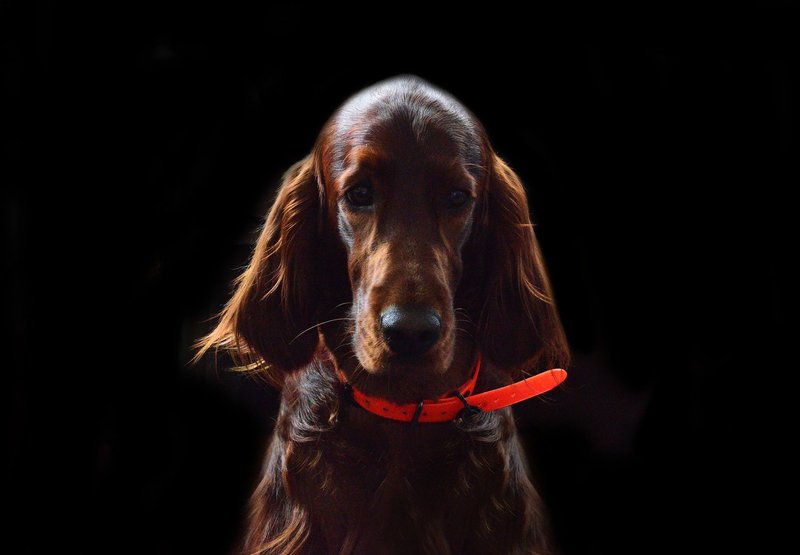
Size: 60-70 lb | Lifespan: 12-15 years | Exercise: High | Shedding: Moderate
The Irish Setter is the dog people picture when they hear “red”: a deep mahogany coat with long feathering on the ears, chest, belly and tail. It’s also the breed that’s hardest to keep calm. Setters stay puppyish until around three and need real running, not a lap around the block.
They’re friendly with children, strangers and other dogs, which makes them poor guard dogs and good family dogs. The long coat tangles behind the ears and in the feathering, so plan on brushing several times a week.
Caveat: Deep-chested breeds like the Irish Setter are prone to bloat (gastric dilatation-volvulus), a life-threatening emergency. Feed smaller meals and learn the signs: a swollen belly and unproductive retching.
2. Vizsla
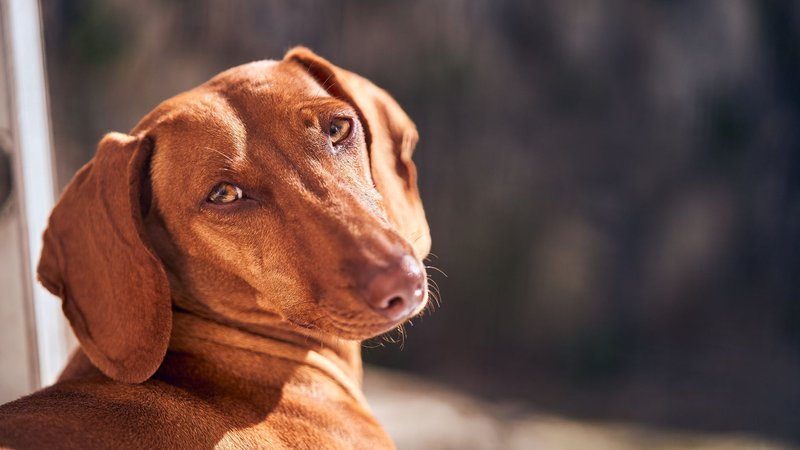
Size: 45-60 lb | Lifespan: 12-14 years | Exercise: High | Shedding: Low-moderate
The Vizsla’s short coat is a solid golden rust with no undercoat, so there’s less hair in the house than with most red breeds. Vizslas are nicknamed “Velcro dogs” for a reason: they follow you from room to room and do badly when left alone for long stretches.
Bred as Hungarian pointing and retrieving dogs, they need an hour or more of hard exercise every day. Without it they chew, dig and invent hobbies. With it, they’re affectionate, trainable and quick to learn.
Caveat: No undercoat means they feel the cold quickly. They also have higher-than-average rates of hip dysplasia and certain cancers, so ask any breeder for health-test results on both parents.
3. Rhodesian Ridgeback
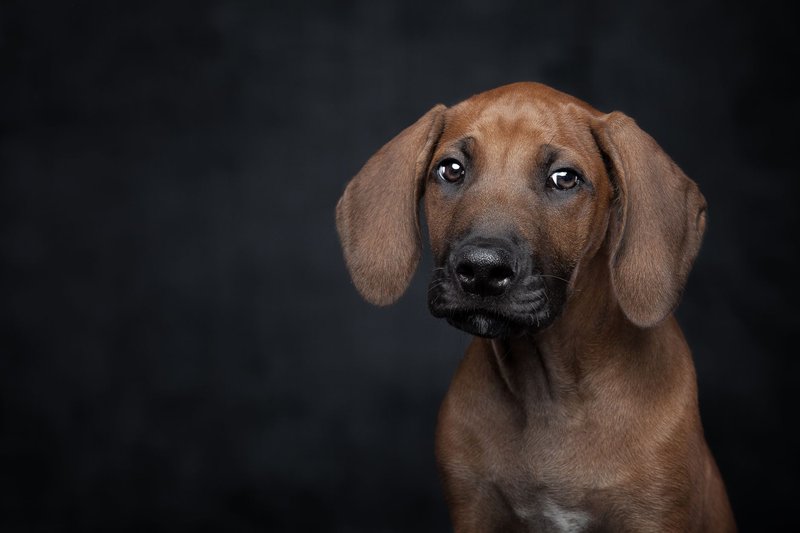
Size: 65-85 lb | Lifespan: 10-12 years | Exercise: High | Shedding: Moderate
Ridgebacks were bred in southern Africa to track big game and hold lions at bay until hunters arrived. The coat runs from light wheaten to red wheaten, and the ridge of hair running backward along the spine is the breed’s signature.
At home they’re quiet, clean and reserved with strangers. They’re also strong, independent and have a high prey drive. A Ridgeback that hasn’t been trained and socialized early is a handful.
Caveat: Some puppies are born with a dermoid sinus, a tube-like defect in the skin along the spine that can become infected. A good breeder screens for it. Hip dysplasia is also a concern.
4. Redbone Coonhound
Size: 45-70 lb | Lifespan: 12-14 years | Exercise: High | Shedding: Moderate
The Redbone is solid red from nose to tail, with a short, smooth coat that needs little more than a weekly rubdown. Developed in the American South for treeing raccoons, it’s among the easier-going hounds: mellow indoors, friendly with children, tolerant of other dogs.
Outdoors it follows its nose and will ignore you while doing it. Expect a deep, loud bay, and expect to keep it on a leash or in a fenced yard.
Caveat: Long, heavy ears trap moisture, so ear infections are common. Wipe and check them weekly, and keep an eye on weight, as Redbones love food.
5. Dogue de Bordeaux
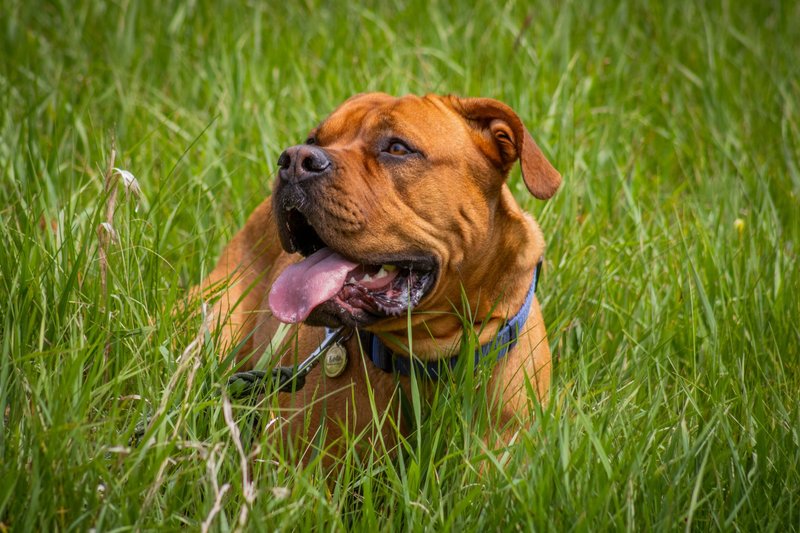
Size: 99-120+ lb | Lifespan: 5-8 years | Exercise: Low-moderate | Shedding: Moderate
The Dogue de Bordeaux is the heavyweight of this list. Coat color runs from fawn to deep mahogany, often with a darker mask, and the head is enormous. It’s a calm, devoted house dog, not an athlete, and most are happy with moderate walks.
You will deal with drool, snoring and a lot of dog on your couch. Early training and socialization matter because of the sheer size.
Caveat: A short lifespan is the main one. Five to eight years is typical, and heart disease and bloat both occur. Anyone considering this breed should be prepared for that, and for the vet bills.
6. Akita
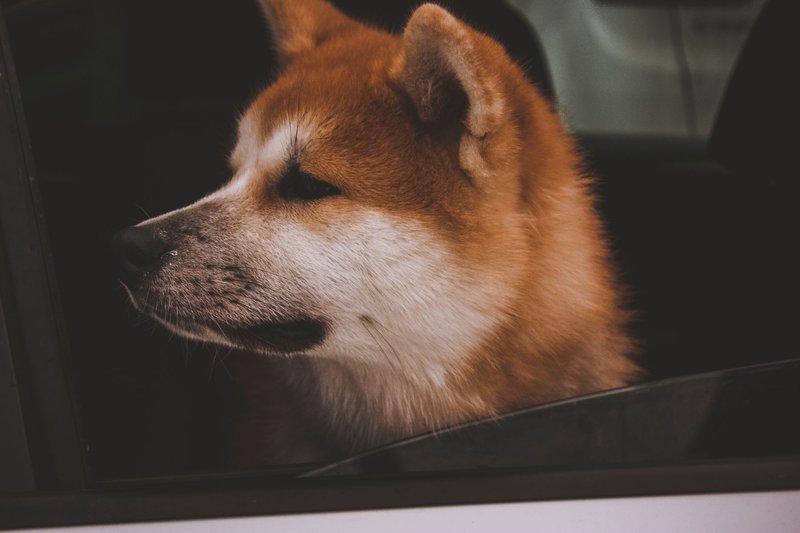
Size: 70-130 lb | Lifespan: 10-13 years | Exercise: Moderate | Shedding: Heavy
Akitas come in red with white markings, among other colors. They’re quiet, dignified and fiercely loyal to their family, and wary of everyone else. Many don’t tolerate other dogs, particularly of the same sex.
The thick double coat blows out twice a year in clumps, and daily brushing helps through that season. Akitas are not a first-dog breed: they’re strong, strong-willed and need an owner who can be consistent without being harsh.
Caveat: Deep chests mean bloat risk, and the breed is prone to autoimmune conditions and hip dysplasia. Ask for health clearances.
Medium red dog breeds
Medium red dogs are where the working breeds live. If you want a dog that can hike all day and still fit in a normal car, start here.
7. Nova Scotia Duck Tolling Retriever
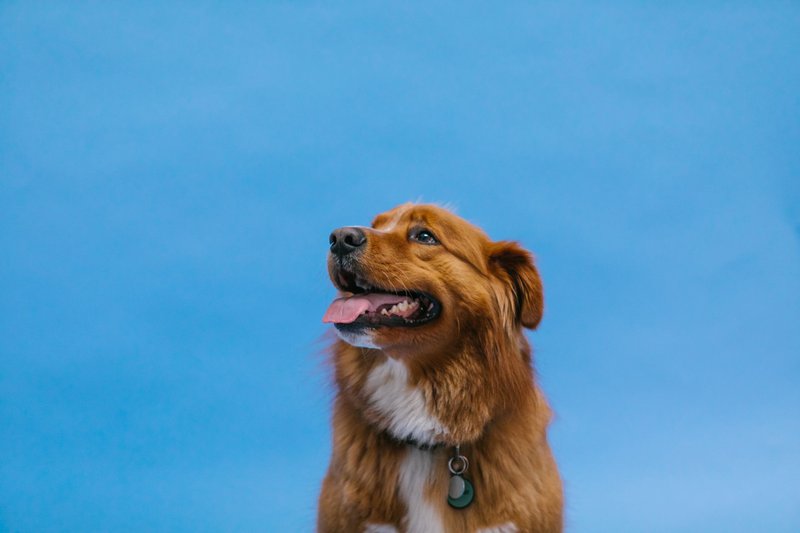
Size: 35-50 lb | Lifespan: 12-14 years | Exercise: High | Shedding: Moderate
The Toller (a mouthful, hence the nickname) is a red-orange retriever with white markings, built like a small Golden. Its job is odd: it plays along the shoreline, tossing sticks and bouncing around, to draw curious ducks within range of the hunter. It still has that playful, fox-like streak.
Tollers are smart, eager to work and attached to their people. They’ll fetch until your arm quits. Without a job, they get anxious and vocal; the breed has a distinctive scream when excited.
Caveat: Immune-mediated diseases, including Addison’s disease and immune-mediated rheumatic disease, show up more often than in the average breed. Ask breeders what they’re doing about it.
8. Australian Cattle Dog (Red Heeler)
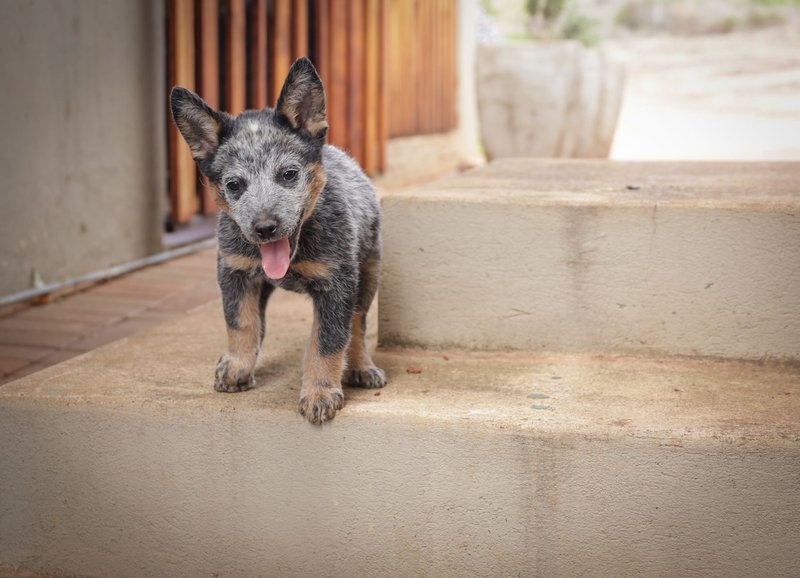
Size: 35-50 lb | Lifespan: 12-16 years | Exercise: High | Shedding: Moderate-heavy
The Red Heeler is the red-speckled version of the Australian Cattle Dog. Puppies are born white, and the red speckle comes in over the first few weeks. Heelers were built to drive cattle across rough ground, and they bite at heels to do it. Without cattle, they’ll try it on children and ankles.
They’re tough, loyal, smart and have a lot of drive. In the right home with real work, such as agility, herding or long runs, they’re excellent. In a flat with two hours of walking a day, they’re miserable.
Caveat: Hereditary deafness occurs in the breed, and progressive retinal atrophy is also a known issue. Ask for BAER hearing testing and eye clearances.
9. Chow Chow
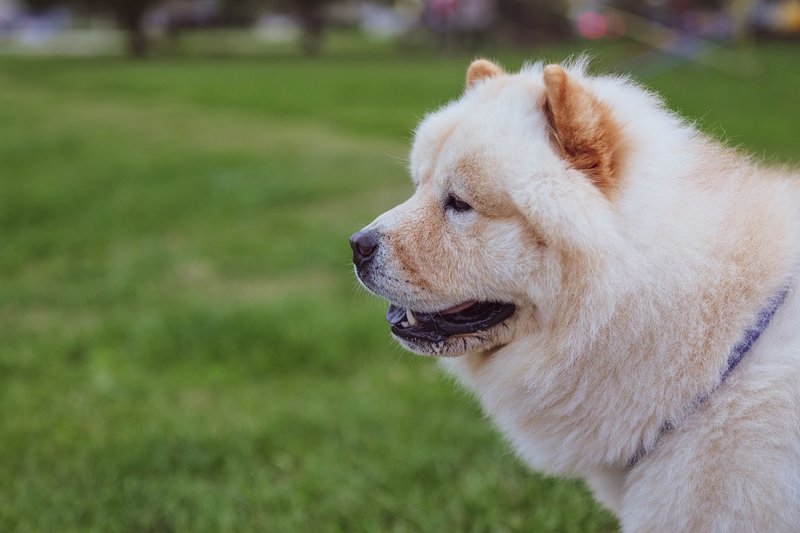
Size: 45-70 lb | Lifespan: 8-12 years | Exercise: Low-moderate | Shedding: Heavy
Chows are lion-maned and bear-shaped, with a blue-black tongue and a deep red or cinnamon coat. Temperament matches the stoic look: aloof, dignified and loyal to one or two people. They tolerate strangers rather than welcome them.
That heavy double coat needs brushing several times a week and it holds heat. Chows overheat easily, so summer walks have to happen early or late. For a broader look at fluffy breeds and their upkeep, see big fluffy dog breeds and the catch with each.
Caveat: Entropion (eyelids that roll inward) and hip dysplasia are both common. Ask the breeder about eye and hip screening, and expect a dog that is poorly suited to hot climates and small children.
10. Australian Shepherd (Red Merle and Red Tri)
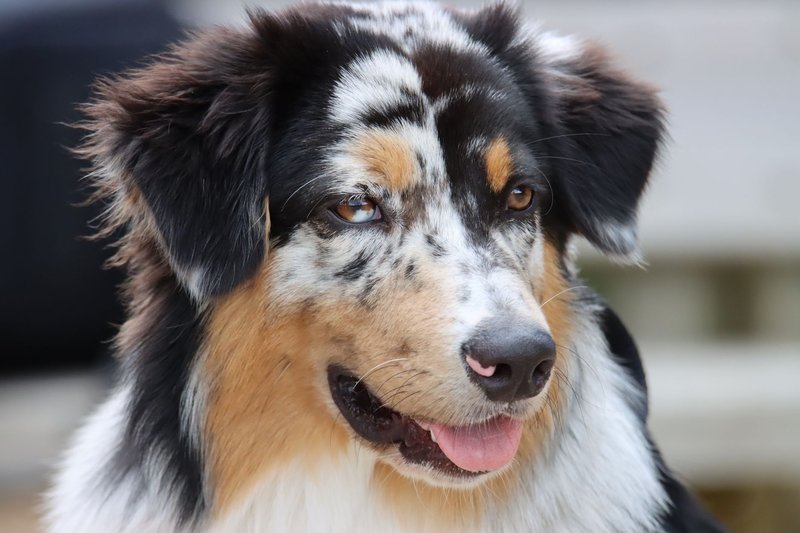
Size: 40-65 lb | Lifespan: 12-15 years | Exercise: High | Shedding: Heavy
The Aussie is only partly red: red tri and red merle coats show liver-colored base fur with white and copper markings, and red merle looks speckled. Red coats are less common than black, which is why red Aussie puppies often cost more.
This is a herding dog with endless stamina and an obsessive need to be busy. Give it dog sports, puzzle work or a farm. Bored Aussies herd children and the vacuum cleaner.
Caveat: Many Aussies carry the MDR1 gene mutation, which makes them sensitive to certain drugs, including some dewormers and anti-diarrhea medications. A cheap genetic test tells you before it matters. Never breed two merles together, as the pairing can cause blindness and deafness.
11. Basset Fauve de Bretagne
Size: 30-35 lb | Lifespan: 12-14 years | Exercise: Moderate-high | Shedding: Low-moderate
This is the breed readers keep asking about. The Basset Fauve de Bretagne (“fawn Brittany basset”) is a French scent hound with a harsh, wiry coat in gold wheat to red fawn. It’s lighter and more athletic than a typical Basset Hound, with legs that are short but not stunted.
Bred to hunt hare and rabbit in thick brush, the Fauve is cheerful, sturdy and stubborn. It’s good with children and other dogs, and a wiry coat needs only weekly brushing. It will follow a scent anywhere.
Caveat: It’s rare outside France, so finding a reputable breeder takes patience, and long ears need regular cleaning. Expect to wait.
12. Irish Terrier
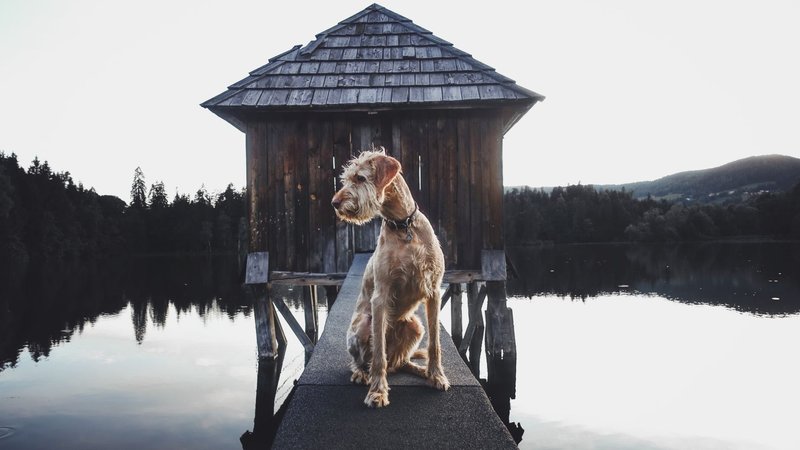
Size: 25-27 lb | Lifespan: 12-15 years | Exercise: Moderate-high | Shedding: Low
The Irish Terrier is the red terrier of the list: a lean, leggy dog with a wiry coat in red to golden-red, built like a miniature setter. The breed’s nickname is “the Daredevil” and the temperament matches. Loyal to its family, bold with intruders and unwilling to back down from other dogs.
The wire coat sheds very little but needs hand-stripping or clipping to keep its shape and color. Without it, the coat softens and fades.
Caveat: Strong dog-to-dog aggression is common in the breed, and early socialization is not optional. Terriers also dig and chase small animals.
Small red dog breeds
Small red dogs suit apartments better than larger ones, but “small” doesn’t mean low-maintenance. Several of these need more training and grooming than a Labrador.
13. Shiba Inu
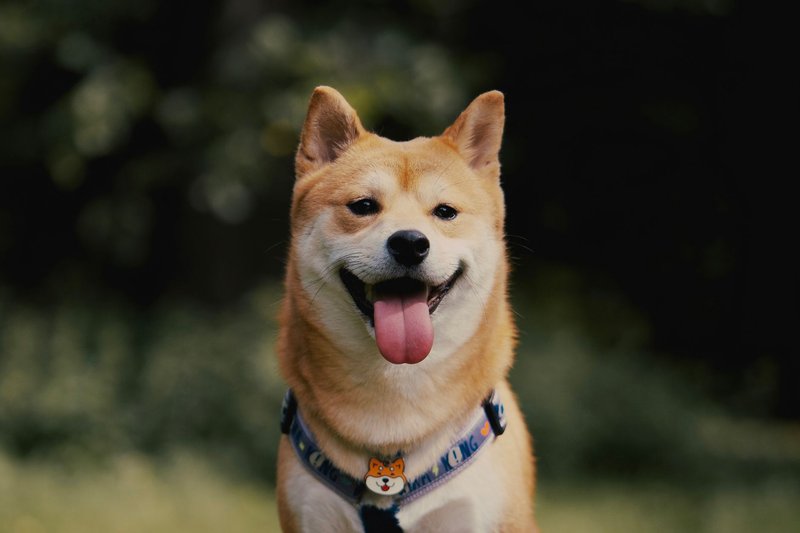
Size: 17-23 lb | Lifespan: 13-16 years | Exercise: Moderate | Shedding: Heavy
Red is the Shiba’s most common coat: a rust-orange body with cream “urajiro” markings on the cheeks, chest and belly. The face looks like a fox, and the personality is closer to a cat’s: clean, independent and not eager to please.
They’re not the dog for off-leash trust. Shibas bolt, and a recall that works indoors may not work outside. Their famous “Shiba scream” is a high shriek made when they dislike something, such as a nail trim.
Caveat: The double coat blows out twice a year. Also, the breed can be unforgiving about handling by strangers, so early socialization is key.
14. Dachshund
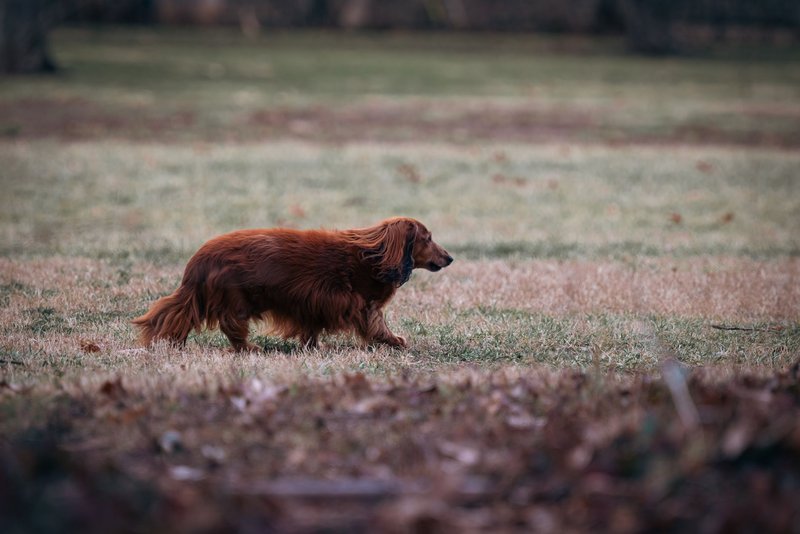
Size: 16-32 lb (standard) | Lifespan: 12-16 years | Exercise: Moderate | Shedding: Low-moderate
Red is the most familiar Dachshund color, and the smooth coat takes almost no work. The name means “badger dog”: they were bred to go into burrows after badgers, which explains the stubbornness and the bark that doesn’t match the body.
They’re clever, funny and attached to their families. They’re also hard to house-train and many dig.
Caveat: Intervertebral disc disease (IVDD) is the breed’s biggest risk. A large owner survey of Dachshunds found a prevalence of roughly 16 percent overall, and about 24 percent in standard smooth-haired dogs. Keep your Dachshund lean, and use ramps for furniture and cars.
15. Miniature Poodle
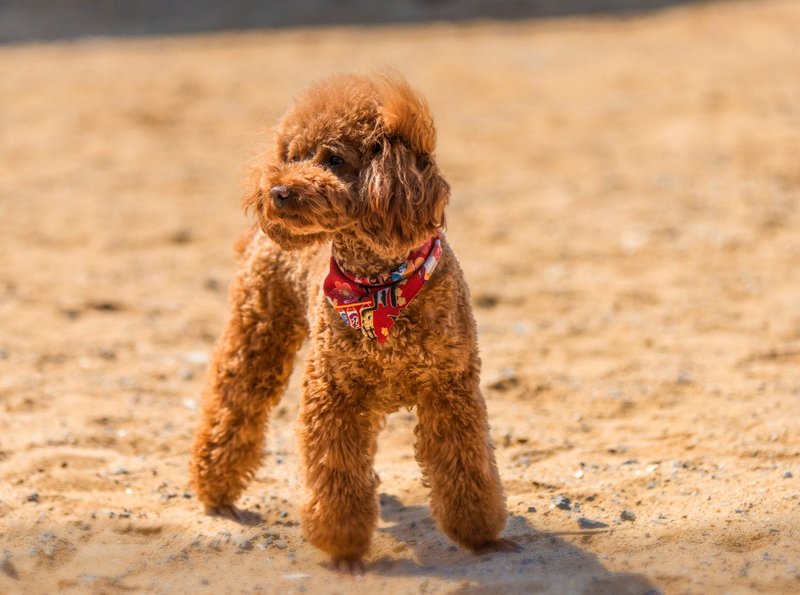
Size: 10-15 lb | Lifespan: 12-15 years | Exercise: Moderate | Shedding: Very low
Red Poodles sit at the dark end of the apricot-to-red range, and they’re the standout choice if you want a red dog with almost no shedding. The caveat is that many red poodle coats fade as the dog ages, ending up closer to apricot.
Miniature Poodles are among the easiest dogs to train, and they tend to be good with kids when raised with them. They’re energetic indoors and need mental work as much as walking.
Caveat: The coat grows constantly and needs professional grooming every four to six weeks. That’s an ongoing cost, usually more than a short-coated breed. Mini Poodles are also prone to dental disease, so brush their teeth.
16. Pomeranian
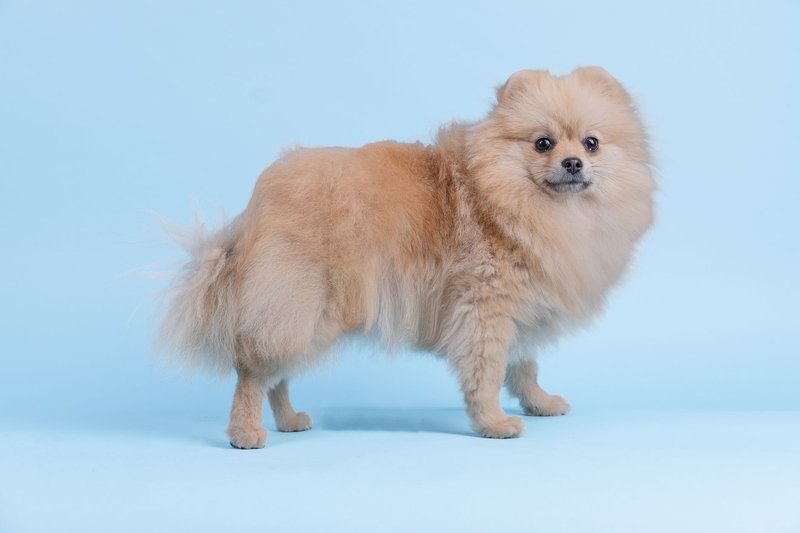
Size: 3-7 lb | Lifespan: 12-16 years | Exercise: Low-moderate | Shedding: Heavy
Orange is the Pomeranian’s most common color, with red and red-sable versions in a fluffy double coat. Poms descend from large Spitz-type sled dogs, which explains the fur, the confidence and the barking. Selective breeding shrank them to toy size within a few generations.
They’re affectionate lap dogs with a larger-dog attitude. They’ll bark at deliveries, neighbors and the wind, and training should start early.
Caveat: Tracheal collapse and luxating patellas are both common in toy breeds. Use a harness, not a collar, and keep the weight down. They’re fragile around small children.
17. Cavalier King Charles Spaniel (Ruby)
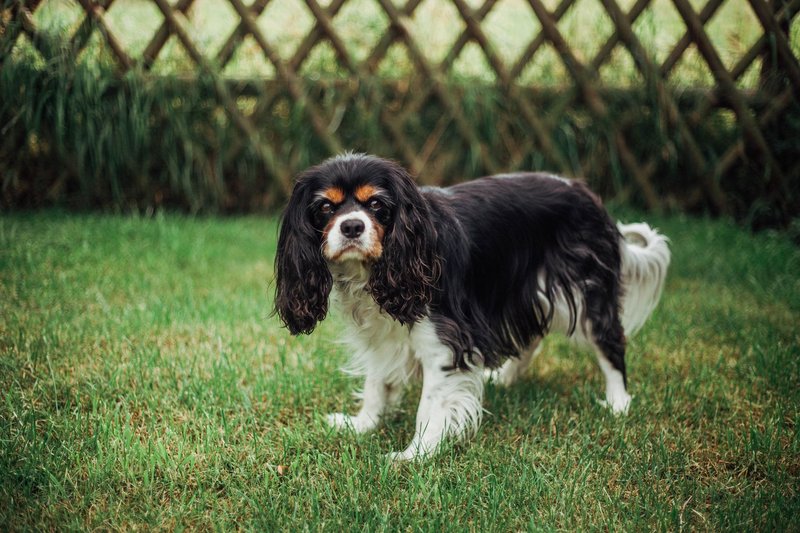
Size: 13-18 lb | Lifespan: 9-14 years | Exercise: Moderate | Shedding: Moderate
“Ruby” is the Cavalier’s solid red coat, rich chestnut-red with no white. It’s one of four official colors, and the silky, feathered coat looks best with weekly brushing.
Cavaliers are gentle, sociable and happy to sit on a lap, which makes them one of the best small dogs for apartments, seniors and first-time owners. They’re eager to please and rarely aggressive.
Caveat: This is the big one on the list. Myxomatous mitral valve disease is close to universal in the breed: in a study of 126 Cavaliers over age eight, every dog showed echocardiographic signs of it. Ask breeders for heart screening of the parents, and budget for cardiology care in later years.
18. Cairn Terrier
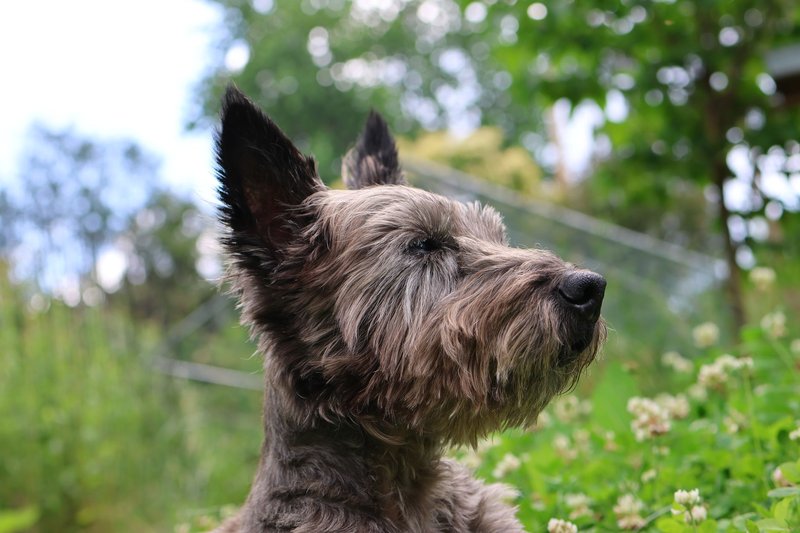
Size: 13-18 lb | Lifespan: 13-15 years | Exercise: Moderate | Shedding: Low
Cairn Terriers come in several colors, and red is a classic: a shaggy, weather-resistant coat over a small, sturdy frame. Cairns were bred in the Scottish Highlands to bolt vermin from rock piles (cairns), which is where the digging comes from.
They’re cheerful, busy and tougher than they look, with the independent mind of a terrier. Cairns are good with older children and adapt well to apartment life as long as they get a daily walk.
Caveat: Coat care means occasional hand-stripping, or regular trims, to keep the texture. Expect digging and chasing of small animals, and have a secure fence.
Which red dog fits you
You live in an apartment. The best red dog breeds for apartments are the Cavalier King Charles Spaniel, Miniature Poodle, Cairn Terrier and Dachshund. Shibas also manage, if you can handle the independence. Avoid anything high-energy without a plan to exercise it, however small.
You have young kids. Irish Setters, Tollers and Redbone Coonhounds are tolerant and playful. Cavaliers are gentle with children too. Temperament varies within every breed, so read the child-friendly dog breeds guide alongside this list. Avoid Chows, Akitas and fragile toy breeds like the Pomeranian around toddlers.
You’re a first-time owner. Miniature Poodles, Cavaliers and Redbone Coonhounds are forgiving. Skip Akitas, Chows, Ridgebacks and Cattle Dogs until you have experience.
You want a low-shedding red dog. Miniature Poodles shed very little, and Irish and Cairn Terriers shed little but need grooming. Everything with a thick double coat (Akita, Chow, Aussie, Shiba, Pomeranian) will shed.
You want long hair. The red dog breeds with long hair are the Irish Setter, Chow Chow, Pomeranian, Cavalier King Charles Spaniel and Australian Shepherd. All need regular brushing, and the Setter and Cavalier tangle behind the ears.
You run, hike or compete. Vizslas, Tollers, Ridgebacks, Setters, Aussies and Cattle Dogs all want miles. They’re happiest when the activity has a goal, such as a trail, a field or an agility course.
You want the calmest possible dog. Dogue de Bordeaux, Chow Chow, Cavalier and Pomeranian are the quietest of the 18, though the first two come with strong personalities and shorter lives.
What a red dog costs
Most of the popular lists skip this. Rough numbers in the US (prices vary a lot by region and breeder):
- Common breeds from reputable breeders (Irish Setter, Vizsla, Shiba, Dachshund, Cavalier, Miniature Poodle): typically $1,500 to $3,500.
- Rare or large breeds (Dogue de Bordeaux, Basset Fauve de Bretagne, Rhodesian Ridgeback, Toller): often more, and waitlists are common.
- Rescue or shelter adoption: usually a few hundred dollars. Breed-specific rescues exist for most of these, including Irish Setters, Vizslas, Akitas and Shibas.
The sticker price isn’t the main expense. Bloat surgery in large dogs, IVDD surgery in Dachshunds and long-term cardiac medication in Cavaliers can each cost thousands. Pet insurance purchased while the dog is young is worth pricing.
Whichever breed you choose, ask for health-test results on both parents, and walk away from breeders who won’t show them. The Orthopedic Foundation for Animals database is a common place for breeders to publish them.
FAQ
What are the rarest red dog breeds? Among the 18 here, the Basset Fauve de Bretagne is the rarest in North America. Red Australian Shepherds and deep-red Miniature Poodles are less common than black or other colors within their breeds.
Are there red mixed breeds? Yes. Red coats show up in many crosses involving Irish Setters, Golden Retrievers, Poodles, Vizslas and Cattle Dogs. A mixed-breed dog’s adult coat can be hard to predict, and shelters often label dogs by appearance rather than genetics. A DNA test can show what’s in the mix.
What are the best red terrier breeds? The Irish Terrier is the classic red terrier, and the Cairn Terrier comes in red. Both are tough, spirited and good with their own family. Both can be dog-aggressive.
Which red dog breeds are best for allergies? No dog is truly hypoallergenic. The Miniature Poodle and the wire-coated Irish and Cairn Terriers shed least, so they spread less dander around the house.
Do red dogs have more health problems because of their color? Not in general. Red comes from a pigment gene, and the health issues in this list come mostly from each breed’s overall genetics. The partial exception is merle patterning: breeding two merle dogs together can cause serious eye and ear defects.
What is a Red Heeler? A Red Heeler is the red-speckled variety of the Australian Cattle Dog. The blue-speckled variety is the “Blue Heeler.”
Do red dogs change color? Often. Poodles, Cattle Dog puppies and some Irish Setters lighten or darken as they mature, so a puppy’s shade doesn’t always predict the adult coat.