Contents
- Heilala, the flower that outranks the rest
- Eight more flowers of Tonga
- How Tongans use flowers
- Where and when to see flowers in Tonga
- FAQ
The national flower of Tonga is the heilala, and it is a tree flower, not a garden showpiece. It belongs to Garcinia sessilis, a relative of the mangosteen, and in Tongan culture it sits at the top of a ranking of fragrant plants. Every other flower on this list is a supporting act. Some of them are the ones you’ll actually see first when you step off the plane, so they get their due below.
Heilala, the flower that outranks the rest
Heilala (Garcinia sessilis) is an evergreen tree that grows anywhere from 4 to 20 metres tall. The flowers are small and range from pale yellow with a pink blush to coral red and carmine. The fruit is red and about 4 cm long, edible raw, and rarely mentioned in travel guides because everyone is looking at the blossoms.
The surprise for most visitors: heilala isn’t native to Tonga. The species comes from Fiji and the Santa Cruz Islands and was introduced to Tonga and Samoa, and botanical references agree on that. Tongans have treated it as their own for long enough that its origin story runs the other way. In Tongan tradition, heilala came from Pulotu, the spirit world, as a gift to people. It is ranked as the highest of all kakala, the fragrant flowers, leaves and seeds that get woven into garlands. For a broader field guide to the islands’ native plants, see Tonga’s Native Plants: A Field Guide to Rare Flora.
That rank has practical consequences. Heilala is tied to royalty and treated as sacred. A garland built around it is what you give to someone you want to honor, and the weavers who make it, the kau tui kakala, carry detailed knowledge of what each combination says. Nearly every part of the tree gets used: the flowers scent coconut oil or become necklaces, crushed leaves steeped in water make an eye wash, the bark has medicinal uses, and the wood goes into houses.
The Heilala Festival
The tree gets its own party. The Heilala Festival runs for roughly two weeks from late June into early July and is built around 4 July, the official holiday for the king’s birthday. (The reigning king, Tupou VI, was actually born on 12 July, so the holiday date is a convention, not a birthday.)
The centerpiece is the Miss Heilala pageant in Nuku’alofa. Judging stretches over several nights, and the winner is crowned on or around the night of 4 July. On the holiday itself, contestants ride decorated floats through the center of the capital. Dates shift from year to year, so check with the Tonga Tourism Authority before booking flights around it.
Eight more flowers of Tonga
1. Hibiscus
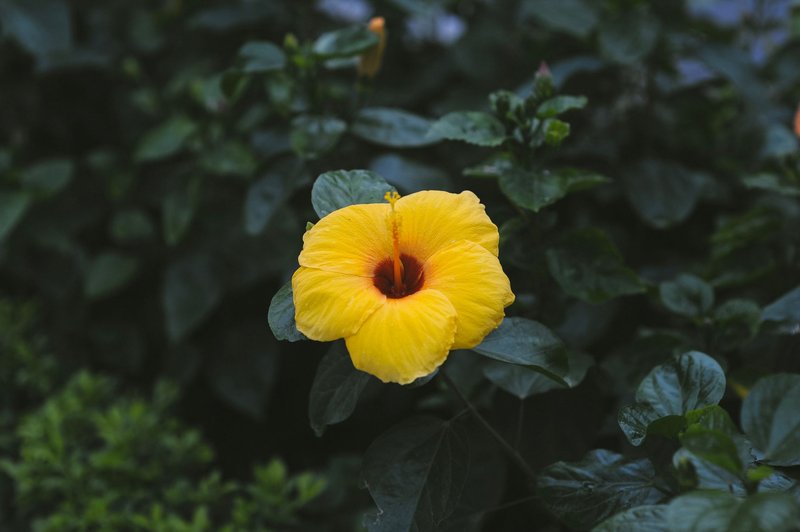
Two hibiscuses matter here. The red garden hibiscus (Hibiscus rosa-sinensis) is the one in every hotel hedge. The one with deeper local use is the sea hibiscus, hau (Hibiscus tiliaceus), a coastal tree with yellow flowers that turn orange-red by evening. Its inner bark is stripped for fibre and cordage, which is why it earns a place in the story of Pacific craft. You’ll find it along beaches and mangrove edges on every island group.
2. Frangipani
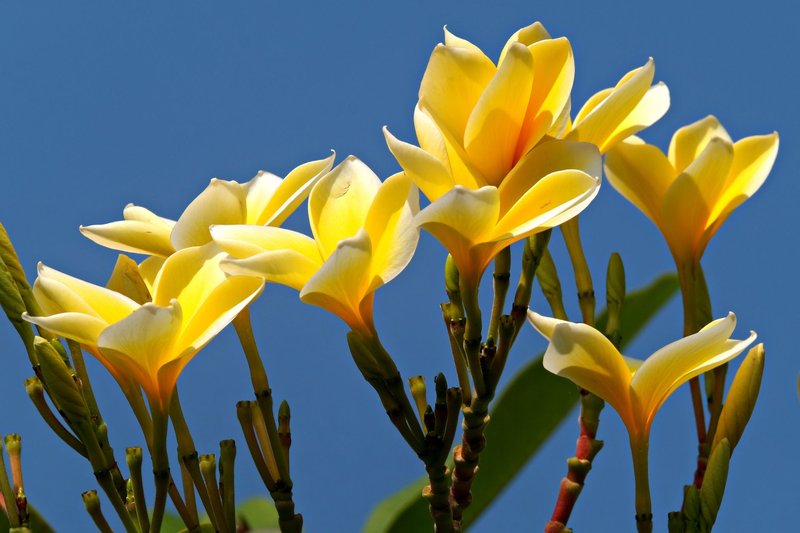
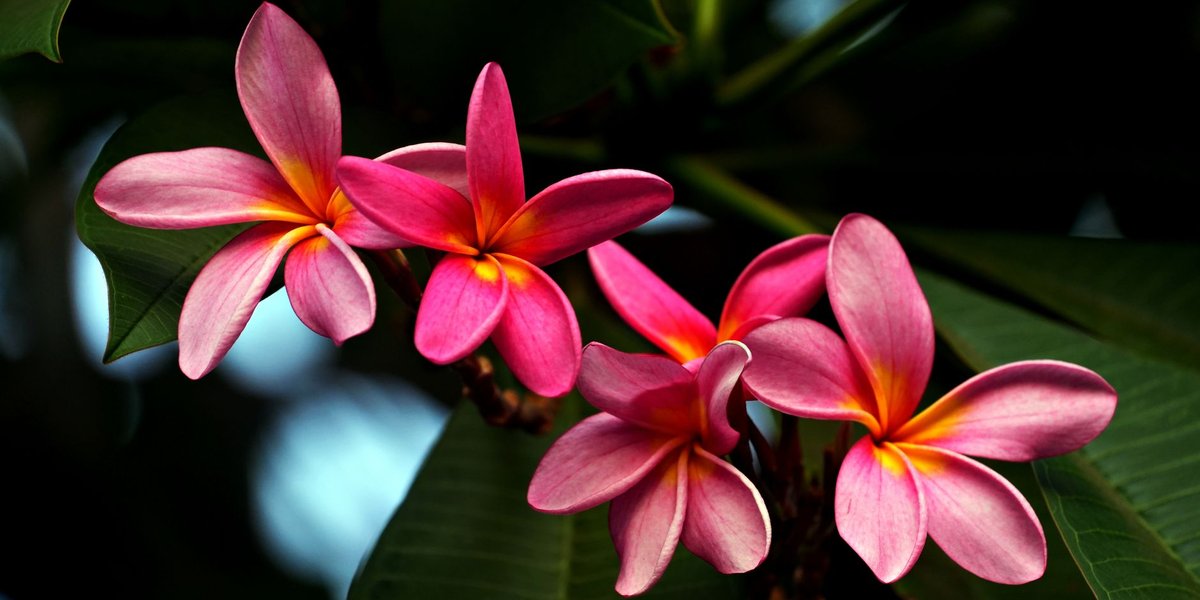
Frangipani (Plumeria) is a recent arrival from tropical America, and Tonga has absorbed it so thoroughly that visitors assume it’s native. The waxy white-and-yellow flowers drop in numbers beneath the trees, and locals thread them into hair and garlands. They smell strongest in the evening. If you want a sample of the scent without finding a garden, walk past one at dusk.
3. Gardenia (siale)
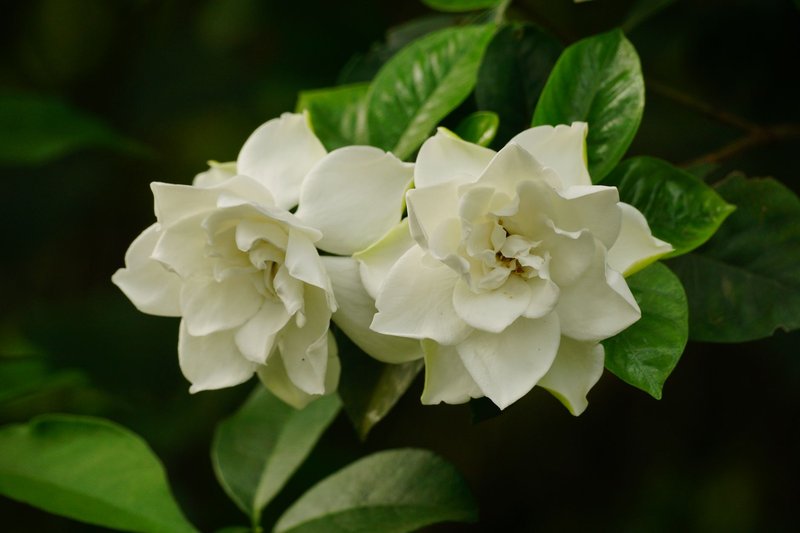
Siale is the Tongan name for the Pacific gardenia, Gardenia taitensis. The flowers are white, heavy with scent, and bruise brown if you handle them roughly, which is why they are picked at the last moment and worn the same day. They show up in garlands and hair arrangements across the islands, particularly for church and family occasions.
4. Ylang-ylang (mohokoi)
Mohokoi is the Tongan name for Cananga odorata. Ylang-ylang is a tree with drooping, twisted yellow-green flowers that look unremarkable and smell extraordinary. Its natural range runs from tropical Asia into parts of the Pacific, and a review of its traditional uses records that Polynesians scented coconut oil with the flowers for massage, and that Tongans and Samoans used the bark as a laxative. The perfume industry later turned this same tree into one of its staple raw materials.
5. Bird of paradise
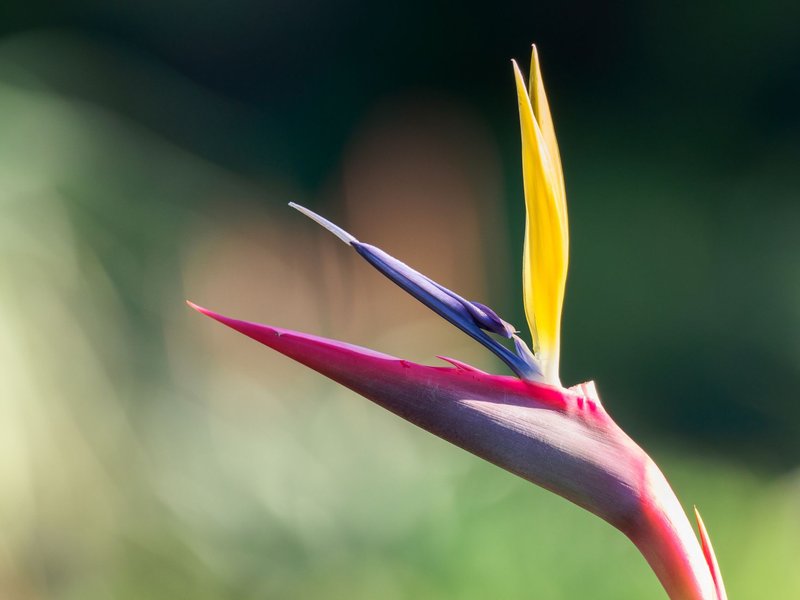
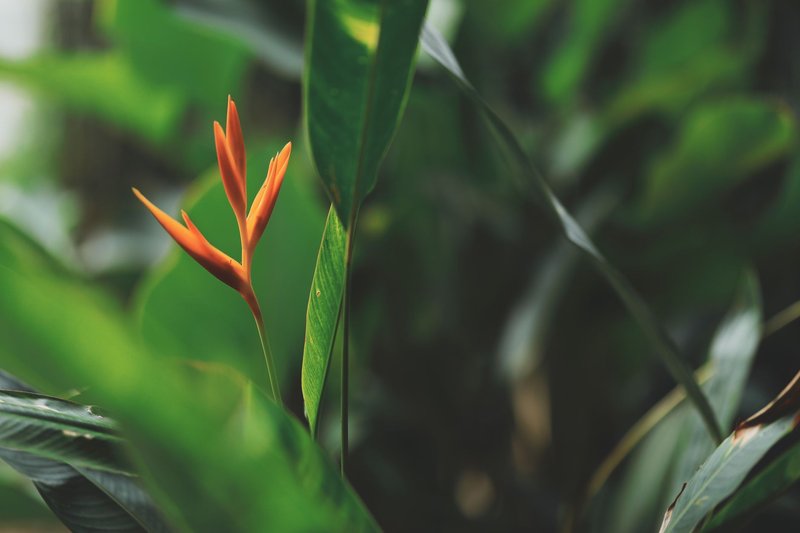
Strelitzia is the orange-and-blue showpiece of the resort garden. It’s a South African import, grown in Tonga for ornament and cut flowers rather than for traditional use. It earns a place here because it is the flower most visitors photograph, and because it is easy to find at hotels in Nuku’alofa and on Vava’u.
6. Pandanus (fa)
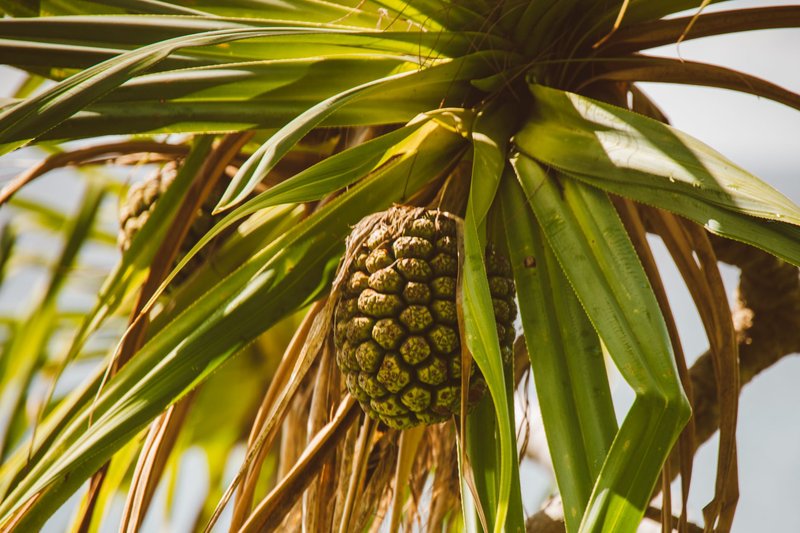
Pandanus (Pandanus tectorius) is a coastal tree on stilt roots, and strictly speaking you come for the leaves, not the flowers. The leaves, called fa, are dried, boiled and woven into mats, which is the base material for the finest Tongan textiles. The male flower clusters are fragrant, which puts the plant in both the craft and the kakala traditions.
7. Langakali
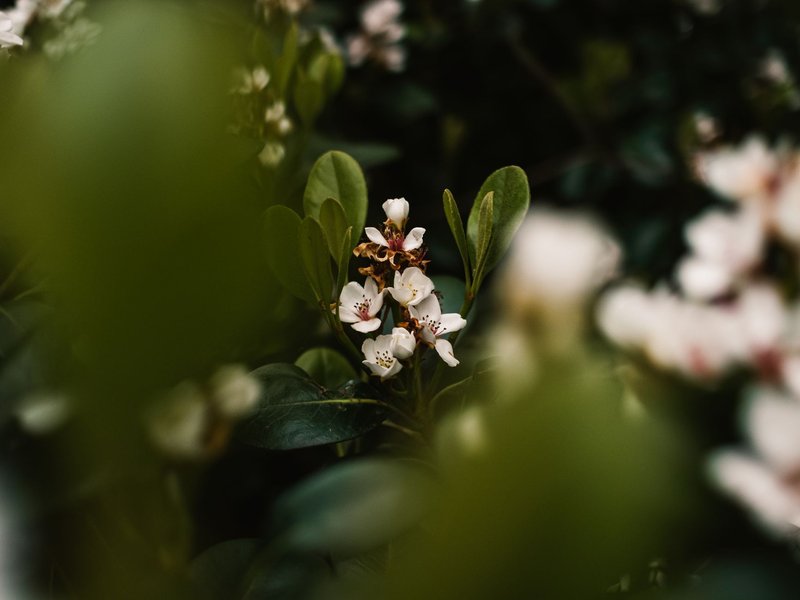
Fagraea berteroana, known in Tonga as langakali, is a small tree with creamy flowers that open white and turn yellow, and that smell sweet and slightly spicy. Pacific islanders string them into garlands and wear them at the hair. It is a quiet plant, easy to walk past, and a favorite of weavers precisely because the scent carries well.
8. Bougainvillea
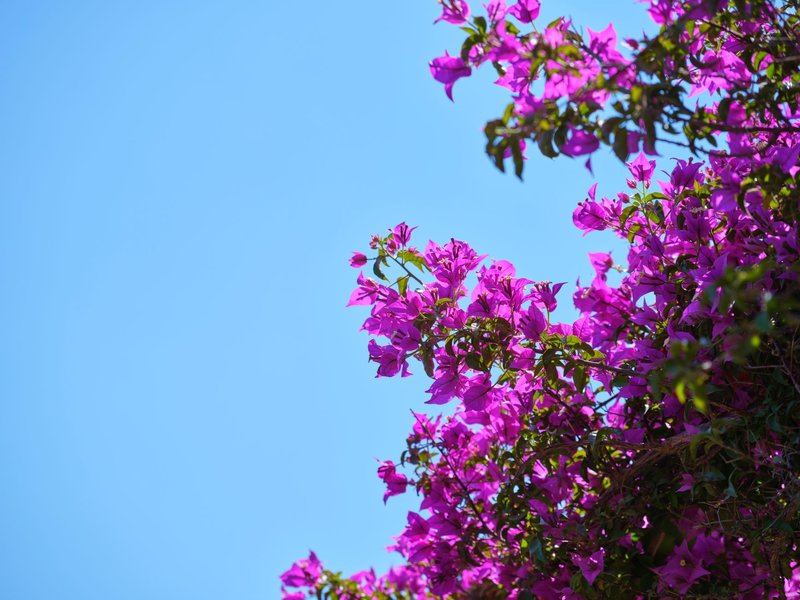
Another import from tropical America, bougainvillea spills over walls and fences in Nuku’alofa in magenta, orange and white. What looks like the flower is really colored bracts around a small white bloom. It won’t appear in a garland, but it is the reason Tongan streets look the way they do from a taxi window.
How Tongans use flowers
Flowers in Tonga are worn, gifted and ranked. Four uses cover most of what you will see.
Kahoa garlands. A kahoa is a necklace or garland, and a kahoa kakala is one made of fragrant material. It is presented to a guest as a sign of ‘ofa (love) and faka’apa’apa (respect). Heilala is placed at the top of the hierarchy, and what goes into the garland says something about the occasion and the person receiving it.
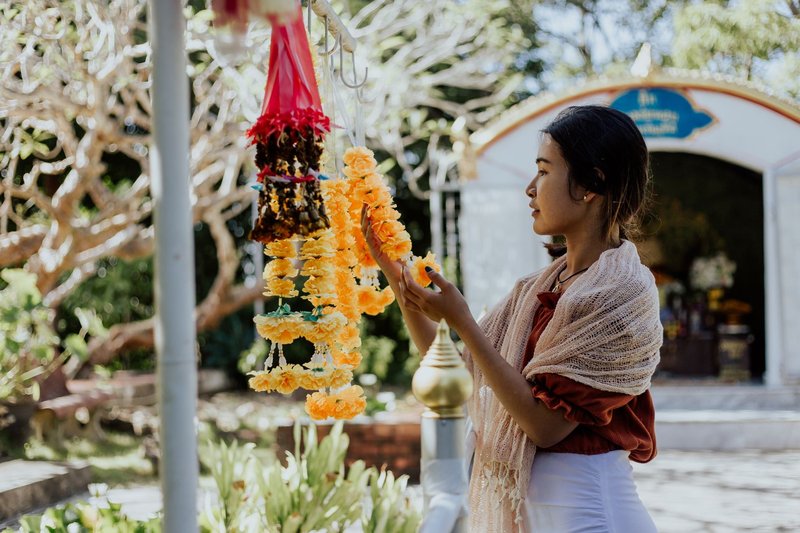
Hair and body adornment. Fresh flowers are tucked behind the ear or worn in a band. Siale, frangipani and heilala are common choices, and the choice often depends on what is blooming that week.
Scented coconut oil. Coconut oil (lolo) is infused with flowers, with heilala and ylang-ylang among the traditional ones, and used on skin and hair. This is the original Tongan perfume, and it’s still made.
Ceremonial dress. Flowers sit alongside the woven ta’ovala mat worn at the waist and the bark-cloth ngatu at formal occasions. Garlands are worn by dancers, brides and the people being honored at funerals, weddings and church events. If you attend a ceremony as a guest, expect a garland to be placed around your neck and wear it for the duration.
Where and when to see flowers in Tonga
Tonga’s four island groups are Tongatapu, ‘Eua, Ha’apai and Vava’u, and the flowers change with the setting.
- Tongatapu. The main island and the capital, Nuku’alofa, are the easiest place to see hotel gardens, bougainvillea, hibiscus hedges and bird of paradise. The central market in Nuku’alofa is the best place to find fresh garlands and flower crafts for sale.
- Vava’u. The northern group is greener and hillier, with frangipani and hibiscus around the harbor town of Neiafu and its guesthouses.
- Ha’apai. Quieter and flatter. Coastal plants like sea hibiscus and pandanus are the draw.
- ‘Eua. A raised island with forest and cliffs. If you want to see native forest trees rather than ornamentals, this is where to go.
When to go. Hibiscus, bougainvillea and frangipani flower for much of the year, so you won’t miss them. For the cultural side, plan around the late June to early July Heilala Festival, when the capital fills with garlands, floats and costumes. The dry season from roughly May to October is also the more comfortable time to travel.
FAQ
What is the national flower of Tonga? The heilala (Garcinia sessilis). It is a sacred, royal-associated flower and the highest-ranked kakala in Tongan tradition.
Is heilala native to Tonga? No. The species is native to Fiji and the Santa Cruz Islands, and was introduced to Tonga and Samoa. It is not currently considered threatened, with the IUCN Red List assessing it as Least Concern.
When is the Heilala Festival? It runs for about two weeks from late June into early July, built around the 4 July king’s birthday holiday. Exact dates change each year.
What is a kahoa? A garland or necklace. A kahoa kakala is a fragrant one, made of flowers, leaves and seeds, and given to honor a guest.
Can you buy flower garlands in Tonga? Yes. The central market in Nuku’alofa sells them, and weavers will make them to order for ceremonies.
What is the best time to see flowers in Tonga? Year-round for hibiscus, frangipani and bougainvillea. For heilala and the cultural celebrations, aim for the Heilala Festival in late June and early July.