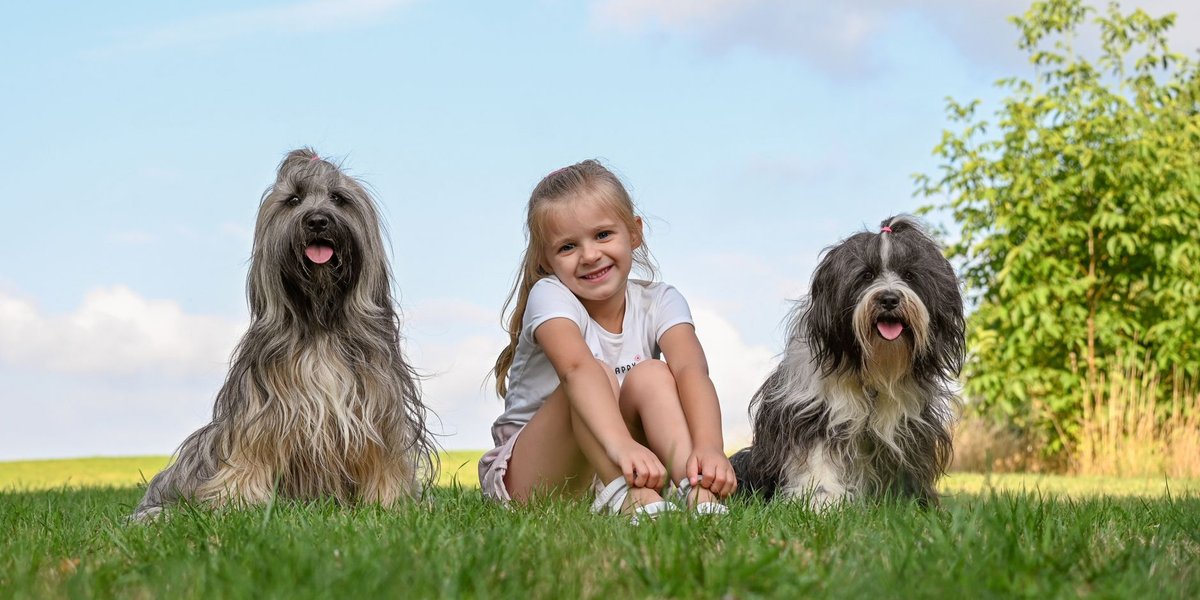
TLDR
- Toddlers and busy homes: Newfoundland, Bernese Mountain Dog, Basset Hound. Calm, slow, and hard to rattle.
- Active school-age kids: Labrador Retriever, Golden Retriever, Beagle, Boxer. They match a child’s energy and will play for hours.
- Apartments and small spaces: Cavalier King Charles Spaniel, Bichon Frise, Miniature Poodle. Best with children old enough to be gentle.
- Allergies or shedding worries: Poodle and Bichon Frise.
No breed is safe on its own. Temperament varies within every breed, and the adult in the room matters more than the dog’s pedigree.
Table of Contents
- How we picked these child-friendly dog breeds
- The 10 breeds
- Quick comparison
- Popular family dogs that often disappoint
- Rescues and mixed breeds
- Dog safety for kids: the rules that matter
How we picked these child-friendly dog breeds
Most lists of child-friendly dog breeds read like a fan club. Every dog is “loyal” and “gentle,” and the downsides never appear. This one weighs four things instead.
Size. A 70 kg dog can knock over a toddler by accident. A 3 kg dog can be injured by a toddler, also by accident. Both ends of the scale carry risk.
Temperament. We looked for breeds known for tolerance: they tolerate noise, clumsy hands, and sudden movement without escalating.
Energy. A bored, under-exercised dog gets mouthy and destructive. A family that can’t give a Beagle an hour of walking will regret picking one.
Child age. The best dog for a two-year-old is not the best dog for a ten-year-old. Each entry below says who it suits.
The 10 breeds
1. Labrador Retriever
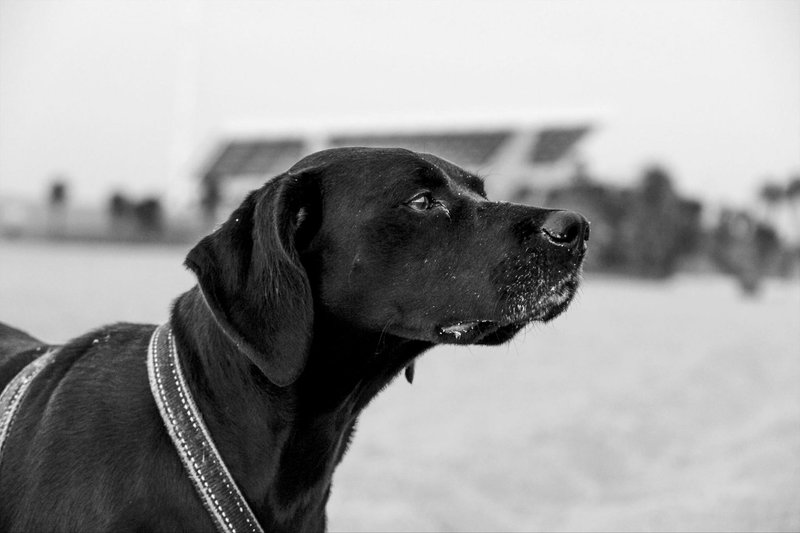
Size: 25-36 kg. Energy: high. Grooming: weekly brushing. Shedding: heavy, twice a year in bulk. Health watch: hip and elbow dysplasia, obesity. Best child age: 5 and up.
The Labrador is the default family dog for good reason. It’s sociable, food-motivated, and easy to train, which matters when you’re teaching a child to give commands too. Labs also tend to forgive a lot.
Caution: Young Labs are bouncy until about age three. A toddler standing in the path of an excited adolescent Lab will go down. Raise the dog with a firm “four paws on the floor” rule, and keep puppy-stage greetings away from small children.
2. Golden Retriever
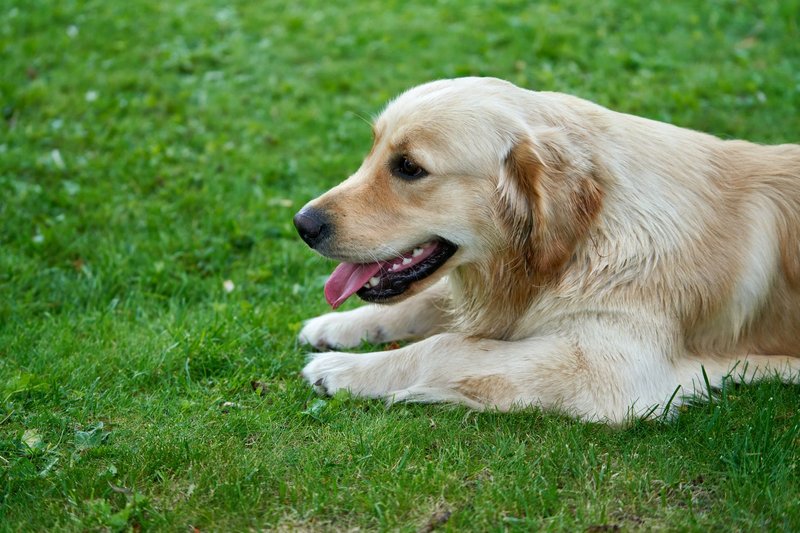
Size: 25-34 kg. Energy: high. Grooming: brush several times a week. Shedding: heavy. Health watch: cancers, hip dysplasia, heart disease. Best child age: 4 and up.
Goldens were bred to carry game gently in their mouths, and it shows. They tend to be soft with people, eager to please, and slow to anger. They also pick up household routines quickly.
Caution: Goldens have a high rate of cancer, and a shorter lifespan than owners expect, often 10 to 12 years. If your child is attached to the dog, that conversation is coming sooner than they might hope. Ask any breeder for health clearances through the Orthopedic Foundation for Animals.
3. Standard Poodle
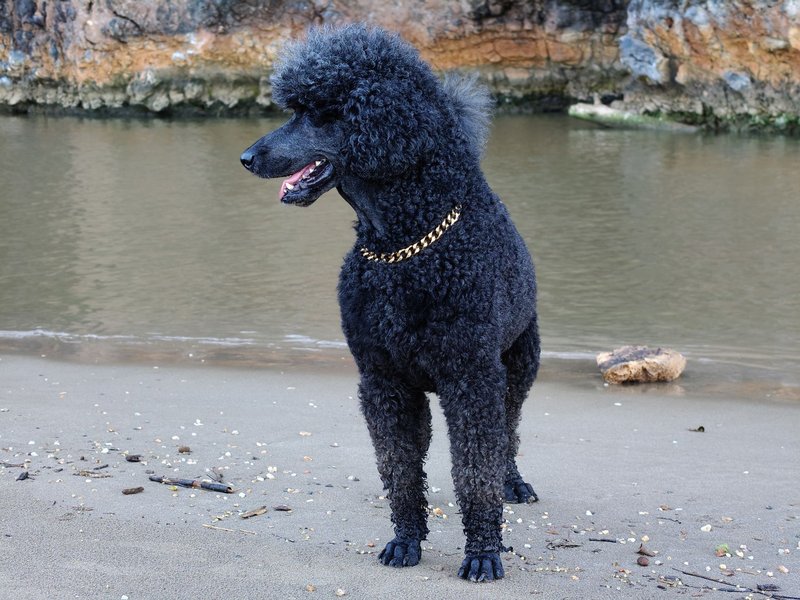
Size: 20-32 kg. Energy: medium-high. Grooming: professional clip every 4-6 weeks, daily brushing. Shedding: very low. Health watch: hip dysplasia, bloat, Addison’s disease. Best child age: 5 and up.
This is the breed on the list that fits families with allergies, because the coat sheds little. Poodles are also among the smartest dogs around, which is a plus for training and a minus if you leave them idle.
Caution: Grooming costs real money, often more than a mixed-breed owner expects. Poodles can also be sensitive and nervy in chaotic homes, so they suit a family that’s busy rather than frantic.
4. Newfoundland
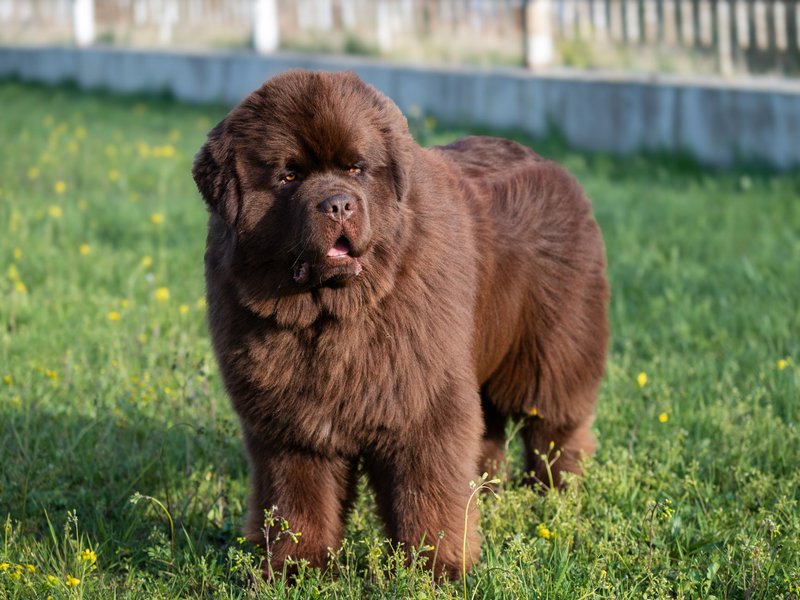
Size: 45-70 kg. Energy: low-medium. Grooming: brush several times a week, more in shedding season. Shedding: heavy. Health watch: heart disease, hip dysplasia, bloat. Best child age: any, with supervision.
Newfoundlands are known as “nanny dogs.” They’re patient and placid, and they lean against children rather than jump on them. Their water rescue history gives them a protective, steady nature.
Caution: The drool is not a joke. Neither is the size: a Newfoundland that sits on a toddler is a safety problem even though it means no harm. You need space, a tolerance for slobber, and a plan for hot weather, since the thick coat overheats the dog quickly.
5. Bernese Mountain Dog
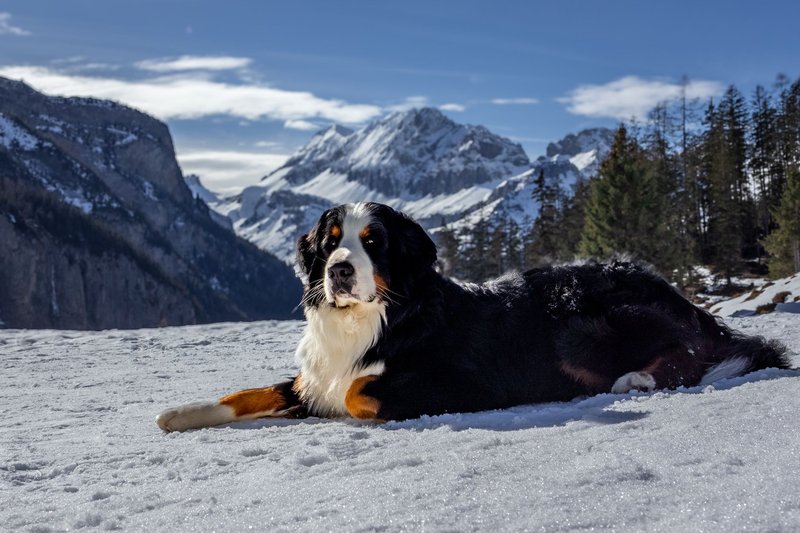
Size: 32-52 kg. Energy: medium. Grooming: brush several times a week. Shedding: heavy. Health watch: cancer, joint disease. Best child age: 4 and up.
Berners are calm, affectionate, and happy to follow the family from room to room. They handle a noisy house well and tend to be gentle with toddlers.
Caution: This is the costliest breed here in vet bills and grief. Berners often live only 7 to 10 years, and cancer is common. If you’re a first-time owner on a tight budget, pet insurance isn’t optional.
6. Beagle
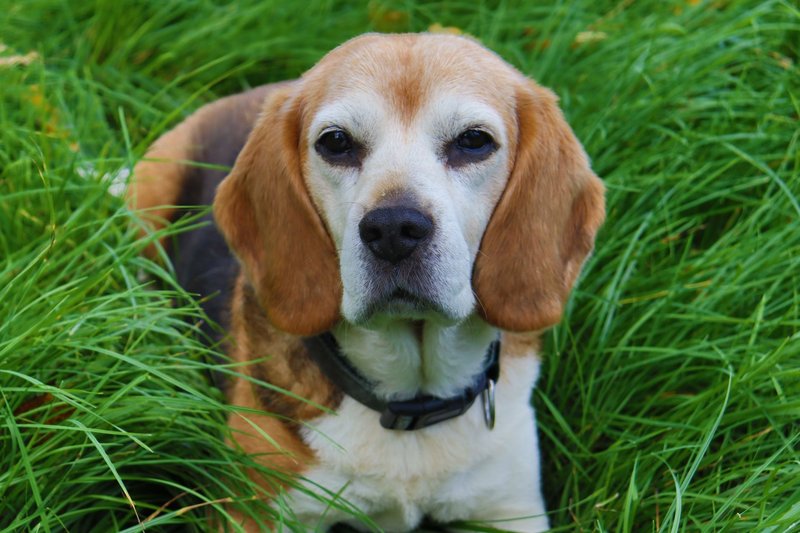
Size: 9-14 kg. Energy: high. Grooming: minimal. Shedding: moderate. Health watch: ear infections, obesity, epilepsy. Best child age: 5 and up.
Beagles are sturdy enough for rough-and-tumble kids, and small enough that they won’t flatten anyone. They’re cheerful and social, and they’re happiest with a pack, which a family counts as.
Caution: Beagles follow their noses over everything, including your commands and the garden fence. Expect howling and a secure yard. Don’t expect off-lead reliability on walks.
7. Cavalier King Charles Spaniel
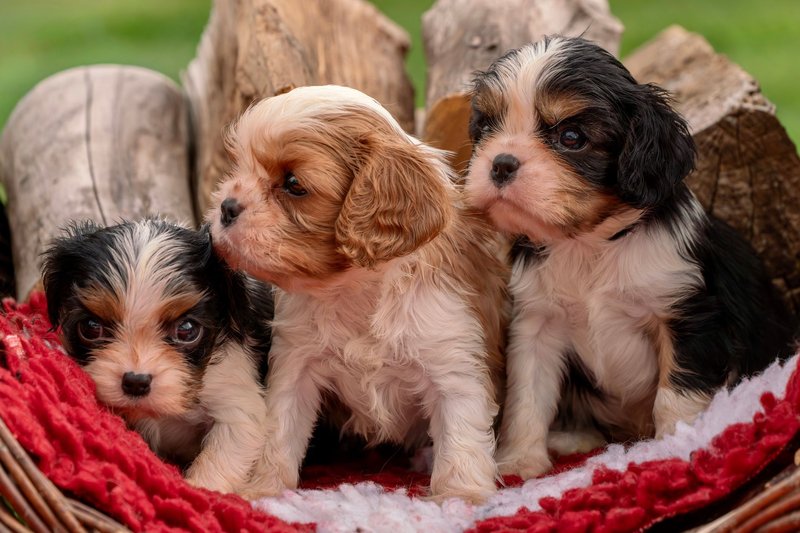
Size: 5-8 kg. Energy: low-medium. Grooming: brush several times a week. Shedding: moderate. Health watch: mitral valve disease, syringomyelia. Best child age: 6 and up.
Cavaliers are among the best small dogs for kids. They want a lap, a stroll, and company, and they’ll happily settle in an apartment.
Caution: The breed has serious inherited health problems, particularly heart disease that affects most of them by middle age. Buy only from a breeder who tests for it. At this size, a young child who drops or sits on the dog can cause injury, so they suit older children.
8. Bichon Frise
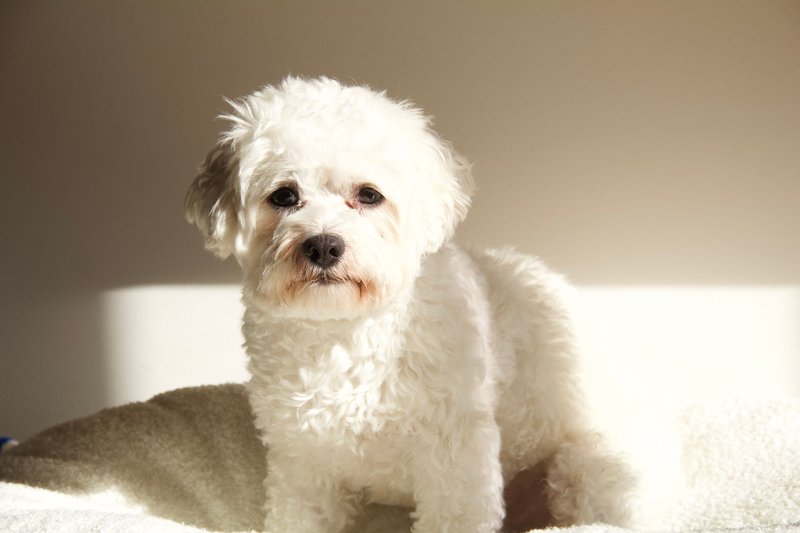
Size: 5-8 kg. Energy: medium. Grooming: daily brushing, trims every 4-6 weeks. Shedding: very low. Health watch: dental disease, allergies, bladder stones. Best child age: 6 and up.
Playful, cheerful, and sturdier than the look suggests. Bichons are another low-shedding choice for allergic households and fit apartment living well.
Caution: They’re notoriously hard to house-train, and the grooming bill is steady. Separation anxiety is common, so a home where everyone is out all day is a poor match.
9. Basset Hound
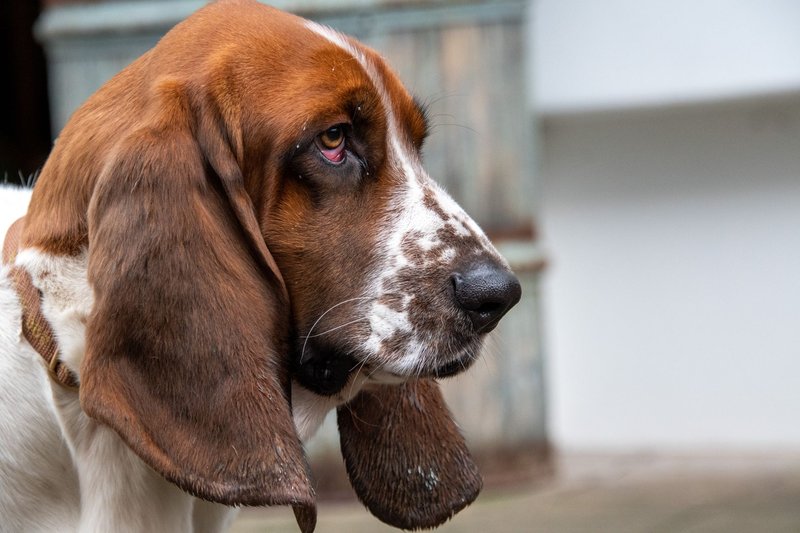
Size: 18-29 kg. Energy: low. Grooming: weekly brush, ear cleaning. Shedding: moderate. Health watch: ear infections, back problems, obesity. Best child age: 3 and up.
The Basset is unhurried. It tolerates ear tugs, noisy play, and being dressed up better than most. It won’t outrun a child, which makes it a calm option for a toddler household.
Caution: Bassets are stubborn and difficult to train, and they carry weight on a long back. Teach children not to pick them up or let them jump off furniture, which damages the spine.
10. Boxer

Size: 25-32 kg. Energy: very high. Grooming: minimal. Shedding: light-moderate. Health watch: heart conditions, cancers, hip dysplasia. Best child age: 6 and up.
Boxers play like children do: all in, then collapse. They’re devoted to their family and tolerant of the chaos that comes with kids.
Caution: Boxers stay puppyish for years and bounce hard. With toddlers, that’s a collision risk. They also overheat easily because of the short muzzle. Choose one only if someone can run it daily.
Quick comparison
| Breed | Size | Energy | Shedding | Best child age | Apartment-friendly |
|---|---|---|---|---|---|
| Labrador Retriever | Large | High | Heavy | 5+ | No |
| Golden Retriever | Large | High | Heavy | 4+ | No |
| Standard Poodle | Large | Medium-high | Very low | 5+ | With exercise |
| Newfoundland | Giant | Low-medium | Heavy | Any, supervised | No |
| Bernese Mountain Dog | Large | Medium | Heavy | 4+ | No |
| Beagle | Small-medium | High | Moderate | 5+ | With exercise |
| Cavalier King Charles Spaniel | Small | Low-medium | Moderate | 6+ | Yes |
| Bichon Frise | Small | Medium | Very low | 6+ | Yes |
| Basset Hound | Medium | Low | Moderate | 3+ | With stairs limited |
| Boxer | Large | Very high | Light-moderate | 6+ | No |
Popular family dogs that often disappoint
Some breeds appear on family lists but struggle in the reality of a house with children.
- Chihuahuas and other toy breeds. They’re fragile and often snap when handled roughly. A child can hurt one without meaning to.
- Siberian Huskies. They escape, they’re loud, and they need hours of exercise.
- Border Collies and Australian Shepherds. They herd children by nipping at their heels, and they need a job. Most families can’t supply one.
- Dalmatians. They’re strong, energetic, and wary with strangers.
None of these dogs are bad. They’re just a poor match for the typical family home.
Rescues and mixed breeds
Many shelter dogs make excellent family pets, and a good rescue organization will tell you what it knows about the dog’s history and behavior around children. Ask for a dog that has been fostered in a home with kids. Foster families can tell you how the dog reacts to noise, grabbing, and food.
An adult rescue also gives you something a puppy can’t: a known personality. A puppy’s adult temperament is a prediction, while an adult dog’s is an observation.
Dog safety for kids: the rules that matter
The American Veterinary Medical Association points out that most bites involve a dog the child knows, often at home. The CDC reports that children are bitten more often than adults. So the family dog is where your safety rules count.
Supervise, and mean it. Supervision means an adult within arm’s reach and paying attention, not in the next room. Never leave a baby or toddler alone with any dog, including a calm one.
Teach gentle touch. Show kids how to stroke the shoulder or chest, not grab the face, ears, or tail. Teach them to let the dog approach first.
Protect food, toys, and sleep. Children should never take a bone away, hug a sleeping dog, or crawl into its bed. Give the dog a crate or a gated spot that’s off-limits to the kids.
Learn the stress signals. Yawning, lip licking, turning the head away, showing the whites of the eyes, and a tucked tail all say the dog wants space. A growl is a warning, and punishing it removes the warning, not the feeling. Calmly separate the dog and child instead.
Prepare for a new baby. Introduce the dog to the baby’s scent with a blanket before the homecoming, and keep the dog’s routine as unchanged as possible.
Choose the breed that fits your home and your child’s age, buy from a health-testing breeder or a transparent rescue, and spend the first year on training. The dog’s temperament starts the job. Your supervision finishes it.