
TLDR
Labradors and Golden Retrievers are the safest default for most families with kids. Standard Poodles suit allergy households, Cavaliers and Havanese suit apartments, and Newfoundlands and Bernese Mountain Dogs suit big, patient homes with space. Every breed below has a real downside, listed with it. The quick-pick table comes first, the full profiles follow.
Table of Contents
- Quick picks
- What family-friendly actually means
- The 12 breeds
- Matching a dog to your household
- Supervision rules for kids and dogs
- Adopt, buy, or meet first
Quick picks
Most family-friendly dog breeds lists are one sentence per breed and a stock photo. Start here if you want the answer fast.
| You need | Best match | Runner-up |
|---|---|---|
| A dog for toddlers | Golden Retriever | Newfoundland |
| An apartment dog | Cavalier King Charles Spaniel | Havanese |
| Low shedding for allergies | Standard Poodle | Bichon Frise |
| An active, outdoorsy family | Labrador Retriever | Boxer |
| A first dog | Labrador Retriever | Collie |
| A small dog that handles school-age kids | Havanese | Beagle |
No dog is truly hypoallergenic, and none is automatically safe around a toddler. The table narrows the field. The profiles tell you what you’d be living with.
What family-friendly actually means
A family-friendly dog isn’t just a friendly dog. Four traits matter more than the label.
Temperament. Tolerance for noise, grabbing, and sudden movement. Some breeds shrug off a dropped toy and a screaming toddler. Others get worn down.
Trainability. A dog that learns “leave it” and “off” in a few weeks is easier to live with than one that needs months.
Size relative to your kids. A 75-pound Lab knocks over a one-year-old by accident. A 9-pound toy dog can be hurt by a hug.
Energy match. Under-exercised dogs chew, dig, and bark. A bored retriever does more damage to a living room than an aggressive dog does to anyone.
Individual temperament and early socialization matter about as much as breed. A well-socialized puppy from a good line beats a poorly raised member of the “best” breed.
The 12 breeds
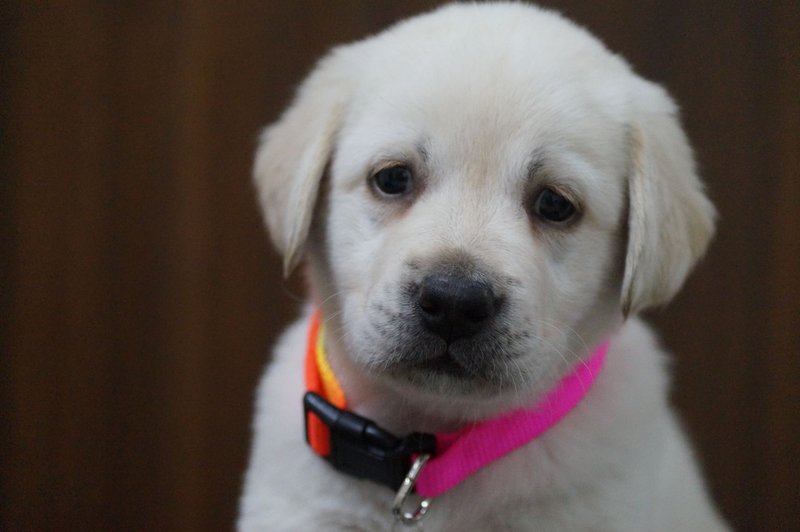
1. Labrador Retriever
- Size: 55-80 lbs
- Energy: High
- Shedding: Heavy, year-round
- Trainability: Excellent
- Lifespan: 10-12 years
The Lab is the default answer for a reason. It’s forgiving, food-motivated (which makes training fast), and happy to be one of the pack. With toddlers, the issue is size and enthusiasm, not temper. With school-age kids, it’s a fetch partner that never runs out of steam.
The catch: Labs chew, and they keep chewing until about age three. They also gain weight easily, and hip and elbow dysplasia is common enough that you should ask a breeder for Orthopedic Foundation for Animals screening results on the parents.
2. Golden Retriever
- Size: 55-75 lbs
- Energy: High
- Shedding: Heavy, with seasonal blowouts
- Trainability: Excellent
- Lifespan: 10-12 years
Goldens are softer than Labs. They read a household’s mood, tolerate ear-pulling better than most, and rarely guard anything. For a family with a toddler, this is the safest bet on the list.
The catch: Cancer rates are high in the breed, and the coat means daily vacuuming. They also hate being left alone and will let you know about it.
3. Standard Poodle
- Size: 40-70 lbs
- Energy: Medium-high
- Shedding: Minimal
- Trainability: Excellent
- Lifespan: 12-15 years
Poodles are among the smartest dogs there are, and they were bred as water retrievers, not lap ornaments. The low-shedding curly coat sheds far less dander-laden hair around the house, which is why allergy families shortlist them. School-age kids who like teaching tricks will find a partner who learns them in an afternoon.
The catch: Grooming runs $60-100 every six weeks or so, or a lot of your own time. Poodles are also sensitive and don’t do well in chaotic, shouty homes.
4. Beagle
- Size: 20-30 lbs
- Energy: High
- Shedding: Moderate
- Trainability: Fair
- Lifespan: 12-15 years
Beagles are sturdy, cheerful, and built for rough play. They’re pack animals, so they handle several kids at once without picking favorites.
The catch: Barking and baying, and a nose that overrides every command. A Beagle smells a trail and is gone. You need a fenced yard and a secure leash habit. Apartments with thin walls are a bad fit.

5. Cavalier King Charles Spaniel
- Size: 13-18 lbs
- Energy: Low-medium
- Shedding: Moderate
- Trainability: Good
- Lifespan: 9-14 years
Cavaliers want to be on a lap, and they adjust to whatever pace the house keeps. They’re gentle with toddlers if the toddler is taught to be gentle back, and they do well in apartments because a walk and a play session cover their needs.
The catch: Mitral valve disease affects a large share of the breed, often by middle age. Ask breeders for heart screening of both parents, and budget for a cardiologist.
6. Bernese Mountain Dog
- Size: 70-115 lbs
- Energy: Medium
- Shedding: Heavy
- Trainability: Good
- Lifespan: 7-10 years
Berners are calm, affectionate, and patient with small children. They’re happy with a hike on Saturday and a nap on Sunday.
The catch: Their lifespan is short, and that’s a lesson for children to face. They also drool, overheat in warm weather, and carry high cancer rates. Vet bills for a giant breed add up.
7. Newfoundland
- Size: 100-150 lbs
- Energy: Low-medium
- Shedding: Heavy
- Trainability: Good
- Lifespan: 9-10 years
Newfies have a long reputation as nanny dogs, and the reputation fits: they’re slow, mellow, and tolerant of children crawling over them. They also swim, so a home near water gets a bonus.
The catch: Drool on the walls, a coat that mats, and a dog large enough to flatten a toddler by leaning. They overheat easily and need air conditioning in hot climates.
8. Collie
- Size: 50-75 lbs
- Energy: Medium
- Shedding: Heavy
- Trainability: Excellent
- Lifespan: 12-14 years
Rough Collies are gentle, intuitive, and attached to their people. They respond to training with little repetition and take well to a calm, consistent routine.
The catch: Herding instinct. Collies may nip at heels or try to round up running kids, which usually needs a firm redirect from the first week. They bark, and the coat needs regular brushing.
9. Boxer
- Size: 50-70 lbs
- Energy: High
- Shedding: Light
- Trainability: Good
- Lifespan: 10-12 years
Boxers act like puppies for years. They’re goofy, protective, and tireless, which suits active school-age kids. They tolerate rough play and show real loyalty to the family.
The catch: Bounce and bulk. A Boxer excited about a visitor can knock down a small child. They also run hot in summer, have a short muzzle that restricts breathing in heat, and are prone to cancers and heart conditions.
10. Havanese
- Size: 7-13 lbs
- Energy: Medium
- Shedding: Minimal
- Trainability: Good
- Lifespan: 14-16 years
Havanese are small, social, and long-lived. They were bred as companions, and they are sturdy enough for school-age kids who know how to hold a dog. Their light shedding makes them a common apartment and allergy pick.
The catch: They hate being alone, and separation anxiety is common. The silky coat tangles quickly without regular grooming.
11. Bichon Frise
- Size: 12-18 lbs
- Energy: Medium
- Shedding: Minimal
- Trainability: Fair
- Lifespan: 12-15 years
Bichons are cheerful, playful, and small. The curly coat holds in dander, and many allergy-prone households do fine with them.
The catch: House-training is notoriously slow. The coat needs professional grooming every four to six weeks, and tear staining and skin allergies are common.
12. Bulldog
- Size: 40-55 lbs
- Energy: Low
- Shedding: Moderate
- Trainability: Fair
- Lifespan: 8-10 years
Bulldogs are calm, stubborn, and fond of children. They don’t need long walks, which suits a family that wants a couch companion.
The catch: Health costs. Breathing problems from the flat face, skin-fold infections, and joint issues are routine, and many Bulldogs need surgery. They can’t handle heat or exercise in summer. Pet insurance is close to mandatory.
Matching a dog to your household
Start with the youngest child’s age.
Under age 3: Pick a patient, mid-to-large breed (Golden, Lab, Newfoundland) or a sturdy small dog (Havanese). Avoid toy breeds and herding breeds that nip.
Ages 4-8: Most of the list works. Choose by energy and space. Kids this age can learn to walk a dog and follow rules.
Apartment living: Cavalier, Havanese, Bichon, or a calm Bulldog. Check noise tolerance with neighbors before choosing a Beagle.
Allergies: Poodle, Bichon, and Havanese shed least, but dander still exists. Spend time with the specific dog before committing.
First-time owner: A Lab, Golden, or Collie is easier to train and tolerant of beginner mistakes.
Supervision rules for kids and dogs
Breed doesn’t remove the risk. CDC data on dog bites show children are bitten more often than adults, and most bites come from a dog the family knows. The American Veterinary Medical Association recommends teaching kids to leave dogs alone while eating, sleeping, or chewing a toy.
A few rules that work:
- Never leave a child under six alone with any dog, including the family’s own.
- No hugging, climbing on, or putting faces near a dog’s face.
- Give the dog a crate or gated area the kids can’t enter.
- Teach kids to read warning signs: yawning, lip licking, whale eye (showing the whites), stiff posture.
- Keep food and bones away from dogs when kids are near.
Adopt, buy, or meet first
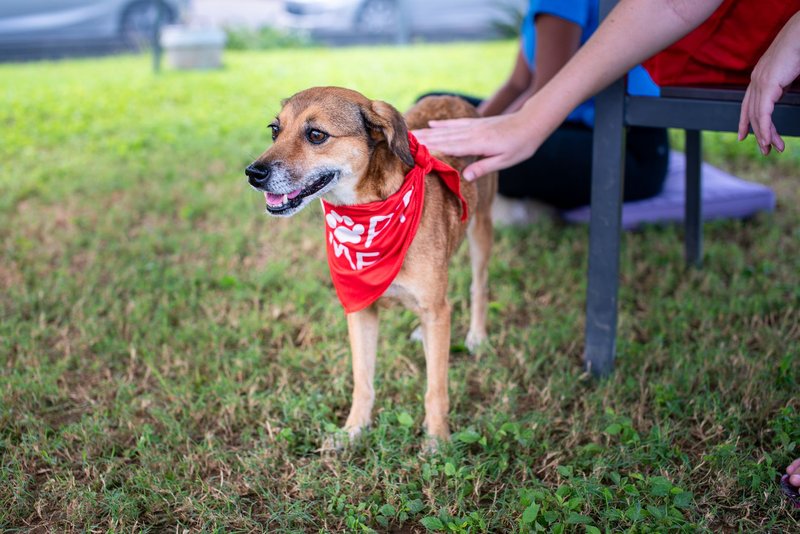
Adopting an adult from a shelter or rescue has one big advantage: the dog’s temperament is already visible. Many shelters test with children and will tell you honestly if a dog isn’t suited. Mixed breeds often carry the family-friendly traits above, and you skip the puppy chewing phase.
If you buy a puppy, pick a breeder who health-tests both parents, lets you meet the mother, and takes the puppy back at any age. Skip pet stores and online listings with no visits.
Whichever route you take, meet the dog first. Bring the kids, watch how the dog reacts to noise and handling, and visit more than once. An hour of observation tells you more than any breed profile.