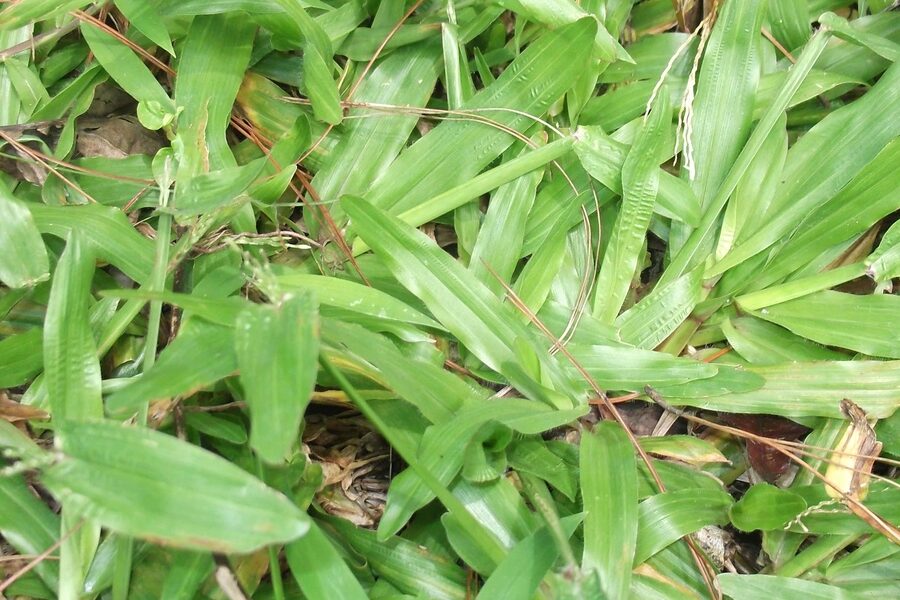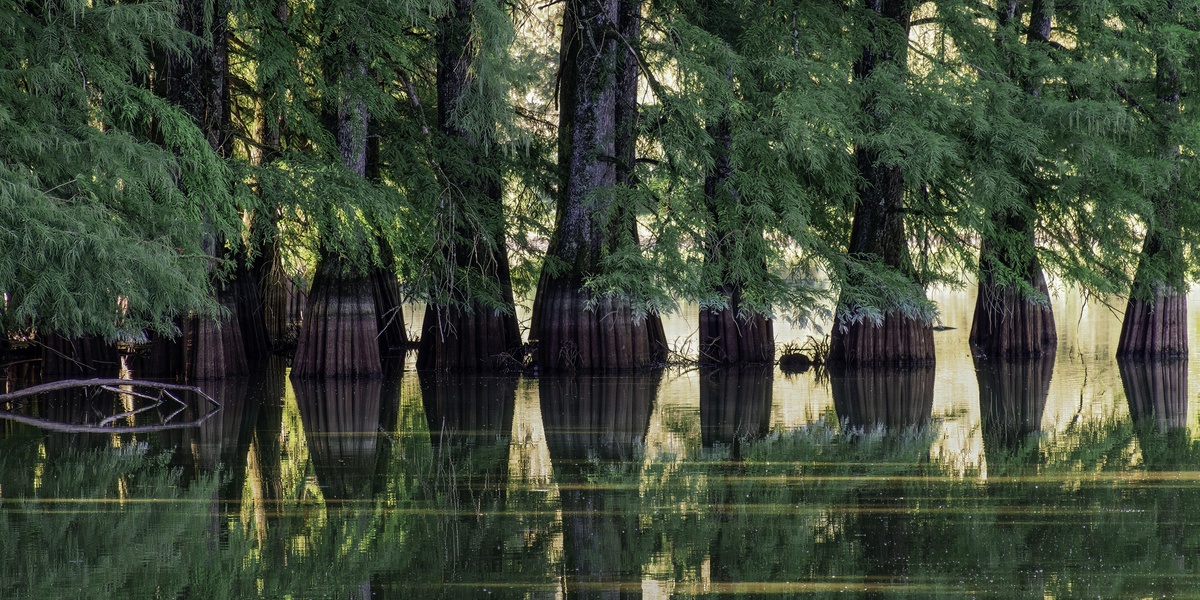
Wetlands, coastal marshes and inland swamps host a surprising variety of trees adapted to standing water, fluctuating salinity and soft soils. Spotting these species helps with identification, habitat restoration and simple curiosity about the plants that hold wetland ecosystems together.
There are 37 swamp trees, ranging from Atlantic white cedar to White mangrove. For each, you’ll find below Scientific name,Height (m),Range / habitat so you can compare sizes, distributions and identifying details before you go looking in the field.
How can I tell common swamp trees apart?
Look for a combination of features: leaf shape and arrangement, bark texture, seed or cone type, and root adaptations like buttresses or cypress knees. Habitat clues — freshwater vs. brackish vs. tidal — are often decisive; use the Scientific name and Range / habitat columns below to confirm likely species for your area.
Which swamp trees tolerate salty or permanently flooded conditions?
Tolerance varies: mangroves (like White mangrove) handle salt and tidal flooding, while species such as Atlantic white cedar prefer freshwater swamps and prolonged inundation but not high salinity. Check the Range / habitat and Height (m) entries below to see which species suit coastal, brackish or inland wetlands.
Swamp Trees
| Common name | Scientific name | Height (m) | Range / habitat |
|---|---|---|---|
| Bald cypress | Taxodium distichum | 20-35 | Southeastern USA freshwater swamps |
| Pond cypress | Taxodium ascendens | 8-15 | Gulf & southeastern USA ponds and cypress ponds |
| Water tupelo | Nyssa aquatica | 20-30 | Southeastern USA river swamps |
| Swamp tupelo | Nyssa biflora | 8-15 | Southeastern USA freshwater wetlands |
| Sweetbay magnolia | Magnolia virginiana | 6-12 | Eastern USA coastal swamps and pocosins |
| Red maple | Acer rubrum | 10-25 | Eastern North America swamps and wet forests |
| Black willow | Salix nigra | 10-25 | Eastern North America riparian swamps and floodwoods |
| Atlantic white cedar | Chamaecyparis thyoides | 10-20 | Northeastern & mid-Atlantic USA freshwater cedar swamps |
| Swamp white oak | Quercus bicolor | 15-25 | Northeastern & Midwestern USA wet bottomlands |
| Pin oak | Quercus palustris | 20-30 | Eastern USA wet flatwoods and swamps |
| Overcup oak | Quercus lyrata | 15-25 | Southeastern & central USA bottomland swamps |
| Swamp chestnut oak | Quercus michauxii | 20-30 | Southeastern USA bottomland and swamp forests |
| Black alder | Alnus glutinosa | 10-20 | Europe & western Asia riverine swamps, wet woodlands |
| Grey alder | Alnus incana | 10-20 | Boreal & temperate wetlands and peat-swamps |
| Green ash | Fraxinus pennsylvanica | 15-25 | Eastern & central North America floodplain swamps |
| Black mangrove | Avicennia germinans | 5-15 | Tropical & subtropical tidal swamps, mangrove fringe |
| Red mangrove | Rhizophora mangle | 5-20 | Tropical Americas tidal mangrove swamps |
| White mangrove | Laguncularia racemosa | 5-15 | Tropical & subtropical mangrove swamps, higher intertidal |
| Grey mangrove | Avicennia marina | 5-15 | Indo-Pacific tidal mangroves and coastal swamps |
| Sonneratia alba | Sonneratia alba | 15-25 | Indo-Pacific tidal mangrove swamps |
| Rhizophora mucronata | Rhizophora mucronata | 8-20 | Indo-Pacific mangrove forests and tidal swamps |
| Buttonwood | Conocarpus erectus | 3-10 | Caribbean & tropical American coastal mangrove swamps |
| Nipa palm | Nypa fruticans | 3-10 | Southeast Asian tidal and estuarine mangrove swamps |
| Moriche palm | Mauritia flexuosa | 20-30 | Amazon & South American palm swamps (aguajales) |
| Açaí palm | Euterpe oleracea | 10-25 | Amazonian floodplain and várzea swamps |
| Pterocarpus officinalis | Pterocarpus officinalis | 20-30 | Caribbean & northern South American freshwater swamp forests |
| Ceiba | Ceiba pentandra | 20-45 | Neotropical and African seasonally flooded forests |
| Paperbark (Melaleuca) | Melaleuca quinquenervia | 7-20 | Australian freshwater swamps, paperbark swamps |
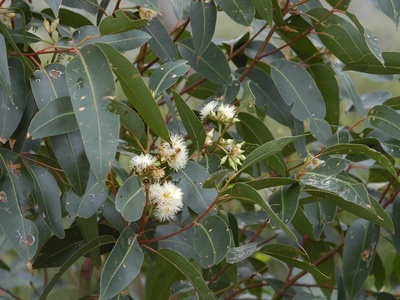
| Swamp mahogany | Eucalyptus robusta | 8-25 | Eastern Australia coastal swamp forests |
| Avicennia africana | Avicennia africana | 5-12 | West African tidal mangrove swamps |
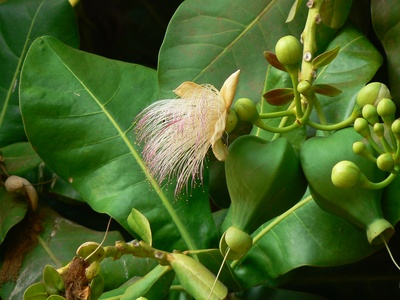
| Barringtonia | Barringtonia racemosa | 8-20 | Tropical Asian coastal swamp forests and mangroves |
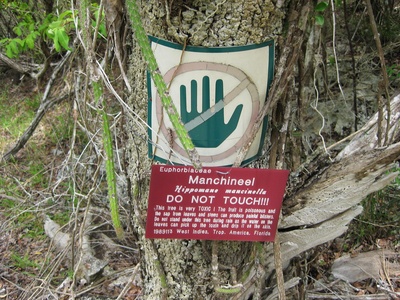
| Manchineel | Hippomane mancinella | 6-20 | Caribbean & tropical American coastal swamps and shores |
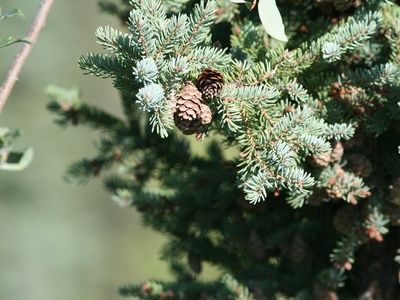
| Black spruce | Picea mariana | 6-20 | Boreal peatlands and spruce bog swamps |
| Tamarack (larch) | Larix laricina | 6-20 | Boreal bogs and larch-dominated swamp forests |
| River mangrove | Aegiceras corniculatum | 4-12 | Indo-Pacific estuarine and tidal swamps |
| Rhizophora stylosa | Rhizophora stylosa | 8-20 | Indo-Pacific seaward mangrove swamps |
| Avicennia alba | Avicennia alba | 5-15 | Indo-Pacific tidal mangroves and mudflats |
Images and Descriptions
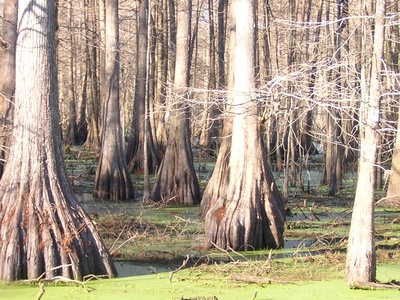
Bald cypress
Feathery, deciduous conifer with flared buttresses and “knees.” Common in slow, blackwater swamps; tolerates prolonged flooding by anaerobic soils and shallow standing water. Notable for durable, rot-resistant wood and dramatic, buttressed trunks.
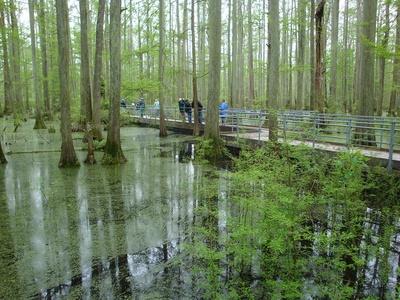
Pond cypress
Smaller, tightly-branched relative of bald cypress with scale-like leaves. Prefers still, acidic pond swamps; forms stunted, knobby trunks and “knees.” Adapted to permanent shallow water and low-oxygen soils.
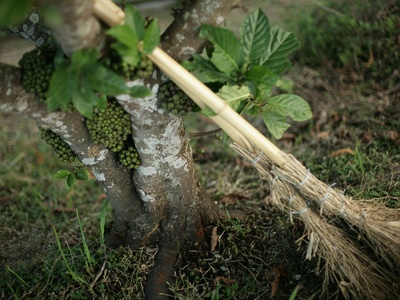
Water tupelo
Tall tree with swollen trunk bases and smooth gray bark; glossy leaves and dark blue fruit. Grows in deep, flooded swamps where standing water occurs; buttressed base and spongy roots help survive inundation.
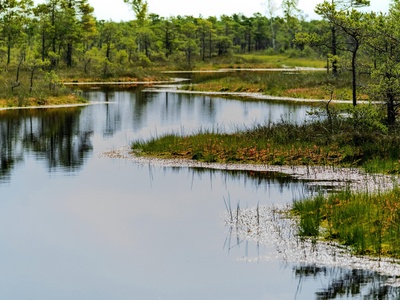
Swamp tupelo
Smaller tupelo found in seasonally flooded forests and swamps. Identified by smooth bark, elliptic leaves, and small blue fruits. Tolerant of prolonged flooding and a key food source for waterbirds and fish.
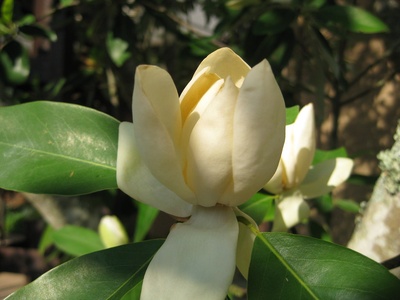
Sweetbay magnolia
Evergreen to semi-deciduous magnolia with fragrant white blossoms and glossy leaves. Common in swampy, acidic soils; shallow roots tolerate wet conditions. Attractive ornamental with native swamp habitat importance.
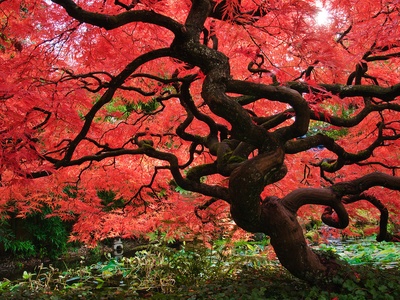
Red maple
Variable tree with red twigs, samaras, and brilliant fall color. Common across many wetland types including swamp forests and wet bottomlands; tolerates long seasonal flooding and waterlogged soils.
Black willow
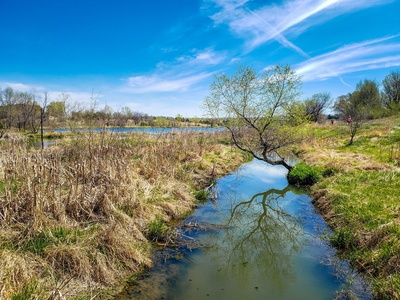
Fast-growing willow with narrow leaves and rough bark. Often forms thickets in swampy, seasonally flooded areas; flexible stems and aerenchymatous roots help tolerate saturated soils and frequent inundation.
Atlantic white cedar
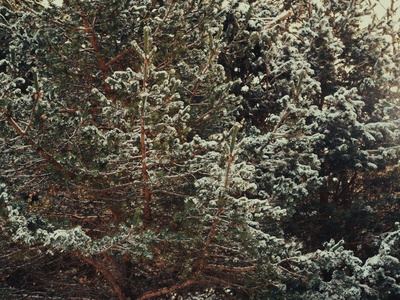
Conical evergreen with aromatic wood and fibrous bark. Forms dense stands in acidic, peat-rich swamps; shallow root mats and tolerance for saturated, low-nutrient soils characterize its ecology.
Swamp white oak
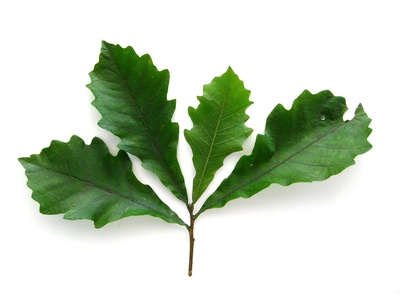
Broad oak with pale, flaky underside of leaves; tolerates poorly drained soils and periodic flooding. Common in swamps and wet floodplains; provides mast for wildlife and strong flood tolerance.
Pin oak
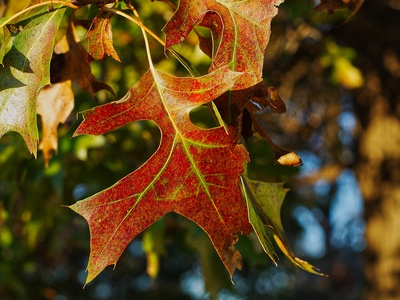
Pyramidal oak with deeply lobed leaves and distinctive lower branches. Thrives in seasonally flooded lowlands and swampy soils; adapts to wet sites where many other oaks fail.
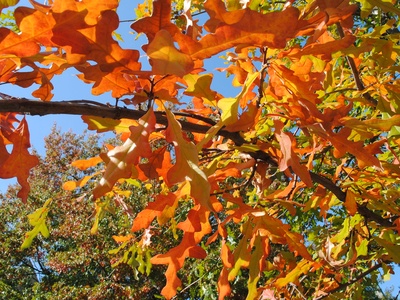
Overcup oak
Named for deep-cupped acorns often covering the nut; thrives in poorly drained, seasonally flooded soils. Found in floodplain swamps and oxbow lakes; tolerates prolonged inundation better than many oaks.
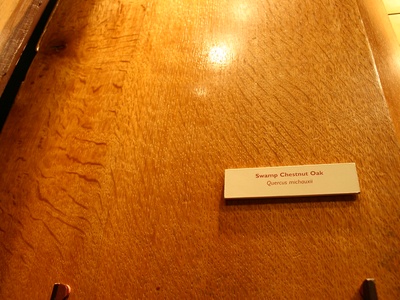
Swamp chestnut oak
Large oak with broad, chestnut-like leaves and flaky bark. Prefers rich, moist bottomlands and swamps; deep roots and tolerance of saturated soils make it a reliable swamp canopy species.
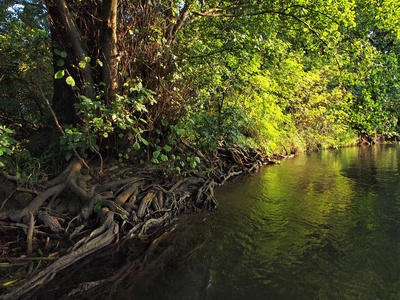
Black alder
Dark-trunked alder with catkins and nitrogen-fixing root nodules. Common in wet, waterlogged soils, stream margins, and fen-like swamps; improves soil fertility and tolerates prolonged saturation.
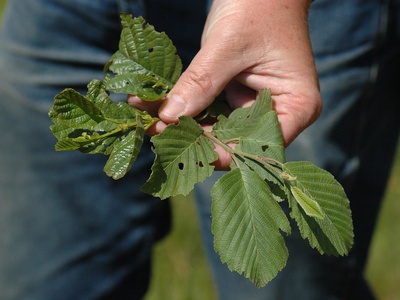
Grey alder
Alder with smooth gray bark and catkins; occurs in wet, peaty soils of boreal and montane swamps. Root nodules fix nitrogen, aiding colonization of waterlogged sites and peatland edges.

Green ash
Straight-trunked ash with compound leaves; commonly establishes in riverine swamps and bottomlands. Tolerates seasonal and prolonged flooding, though many populations have been impacted by invasive pests.
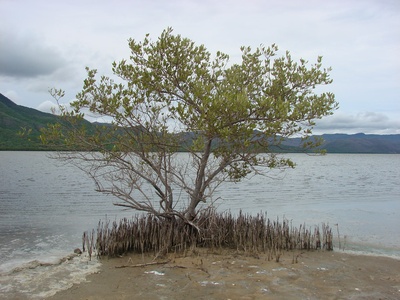
Black mangrove
Dark-barked mangrove with pneumatophores (breathing roots) and salt-excreting leaves. Occupies higher intertidal zones; specialized roots and salt-handling physiology enable survival in anoxic, saline mud.
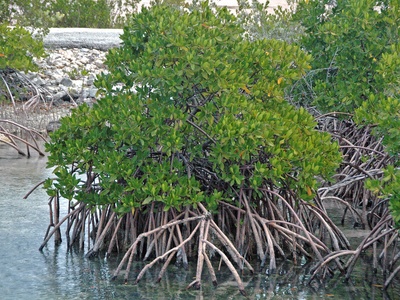
Red mangrove
Iconic mangrove with prop roots and viviparous seedlings. Grows in seaward fringe of mangrove swamps; prop roots stabilize sediments and allow gas exchange in anoxic, saline mud.
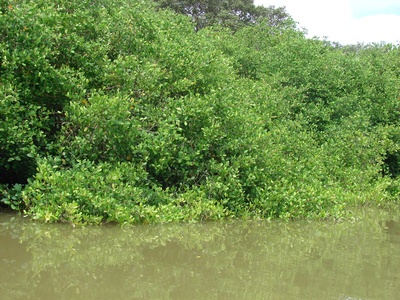
White mangrove
Smooth-barked mangrove with opposite leaves and peg roots. Found on higher tidal flats; salt glands and root adaptations help tolerate periodic inundation and saline soils.
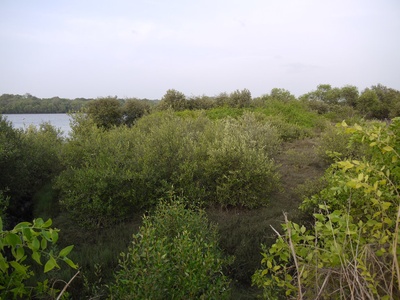
Grey mangrove
Hardy mangrove with pneumatophores common in cooler tropical to temperate coasts. Salt-excreting leaves and aerial roots aid survival in saline, waterlogged mudflats and tidal swamps.
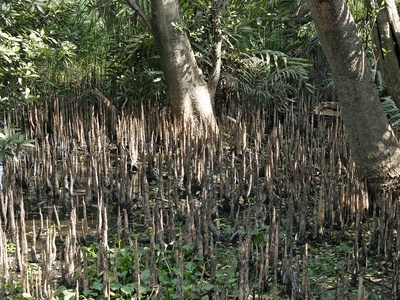
Sonneratia alba
Fast-growing mangrove with swollen trunks and trumpet-shaped flowers visited by bats. Common in open tidal flats; stilt roots and pneumatophores help withstand daily inundation and soft sediments.
Rhizophora mucronata
Closely related to red mangrove with prominent prop roots and large viviparous propagules. Dominant along seaward zones of tropical mangrove swamps, stabilizing sediments and resisting strong tides.
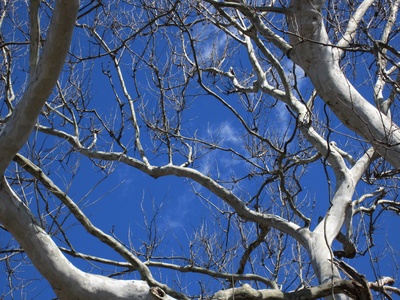
Buttonwood
Shrubby to small tree often at mangrove fringe; scaly bark and paddle-shaped leaves. Tolerant of saline, waterlogged soils and commonly marks transition between mangroves and uplands.
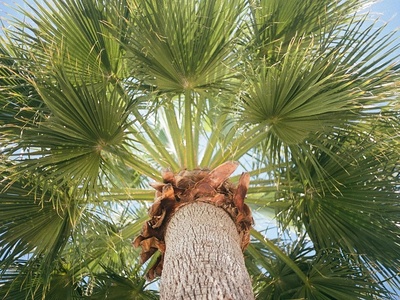
Nipa palm
Acre-sized clonal palm forming dense stands in estuarine swamps; trunk is mostly below ground with tall leaf crowns. Dominates sheltered tidal wetlands and tolerates daily saline inundation.
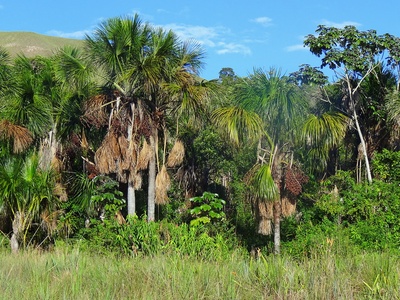
Moriche palm
Large single-stemmed palm common in freshwater palm swamps. Identified by ringed trunk and leathery fronds; thrives in permanently saturated peaty soils and is ecologically important for wildlife and local people.
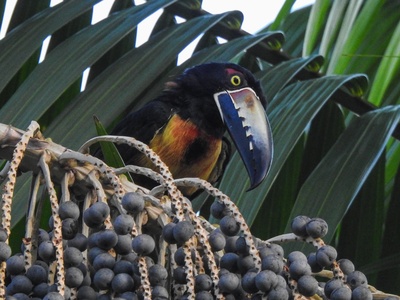
Açaí palm
Slender clustered palm producing açaí berries; common in seasonally flooded forests and swampy floodplains. Tolerates inundation and nutrient-poor wet soils; economically important for fruit harvest.
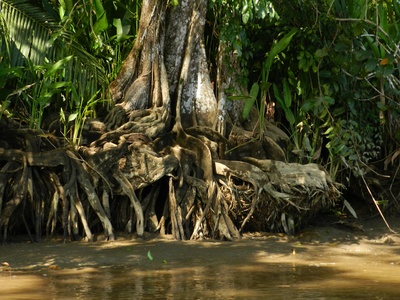
Pterocarpus officinalis
Also called swamp bloodwood; buttressed trunks and compound leaves. Dominant in freshwater swamp forests; tolerant of prolonged flooding and important for timber and wetland ecology.
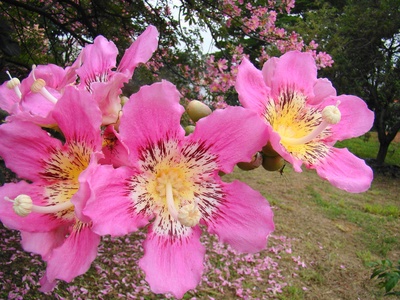
Ceiba
Huge buttressed tropical tree with smooth trunk and showy flowers. Often found in seasonally flooded forests; buttresses and lightweight wood help cope with saturated soils and episodic inundation.
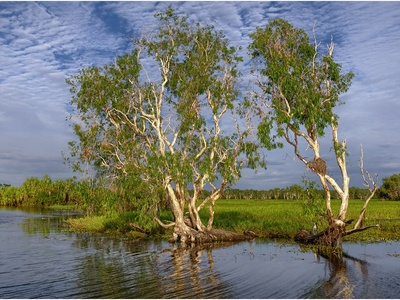
Paperbark (Melaleuca)
Peeling, white papery bark and bottlebrush flowers. Native to swampy, acidic soils of Australia; roots tolerate waterlogged conditions, forming dense stands in freshwater wetlands.
Swamp mahogany
Rough-barked eucalyptus with large, leathery leaves; thrives in permanently or seasonally waterlogged coastal swamps and floodplains. Tolerant of saline groundwater and important in coastal wetland ecology.
Avicennia africana
African black mangrove with pneumatophores and salt-excreting leaves. Common in West African tidal swamps and estuaries; specialized roots and salt tolerance enable growth in anoxic intertidal sediments.
Barringtonia
Broad-leaved tree with pendulous flower clusters and large fruits. Occurs in tidal freshwater and brackish swamps; adapts to waterlogged soils and disperses fruits by water.
Manchineel
Small to medium tree often in salty/swampy coastal zones; extremely toxic sap and fruit. Tolerant of saline, waterlogged soils—important to know as a hazardous swamp species.
Black spruce
Slow-growing conifer dominating peat-forming swamps and bogs; shallow roots and poor drainage tolerance. Often stunted with dense moss mats; key species in cold, waterlogged peatland ecosystems.
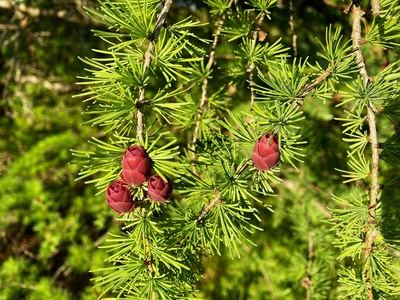
Tamarack (larch)
Deciduous conifer common in northern peatlands and boggy swamps. Needle drop in winter, spire-like form; tolerant of saturated, acidic soils and often found where permafrost or peat limits drainage.
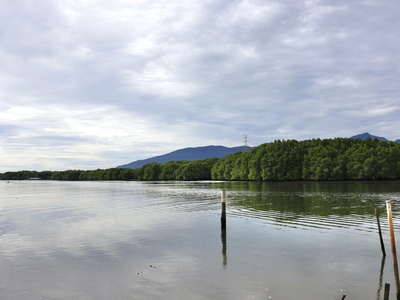
River mangrove
Small, twisting mangrove with clusters of tubular flowers and slender propagules. Grows in protected estuarine marshes and tidal swamps; tolerates brackish water and soft, anoxic sediments.
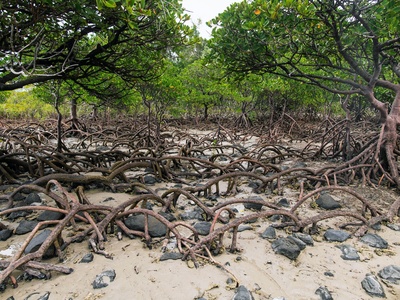
Rhizophora stylosa
Prop-rooted mangrove similar to R. mucronata; dominates exposed tidal flats and seaward fringe. Live roots elevate respiratory tissues above anoxic mud and anchor trees against tides.
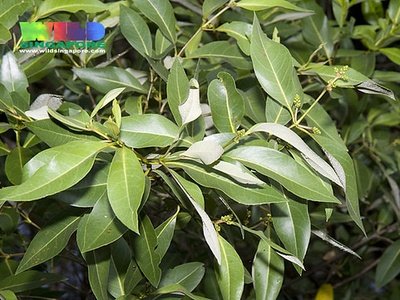
Avicennia alba
White mangrove-like species with salt-excreting leaves and pencil-like pneumatophores. Common in mid-to-upper intertidal zones; adapted to daily tidal inundation and saline, oxygen-poor soils.