Mountain meadows, city parks and forest edges all host varied members of the rodent world, each adapted to specific diets and habitats. A quick look across regions shows how size, range and behavior shift from alpine slopes to suburban backyards.
There are 20 Rodent Examples, ranging from Alpine marmot to Southern flying squirrel; for each entry you’ll find Scientific name,Size (cm),Range, which you’ll find below.
How were these particular species selected?
The list focuses on a mix of well-known and regionally representative rodents to show diversity in size and range, using sources like field guides and museum records; species were chosen to illustrate different habitats and to give practical examples people might encounter.
Which species are most likely to appear near homes and gardens?
Small, adaptable rodents such as certain mice and squirrels tend to show up in urban and suburban areas because they exploit human food and shelter, while larger or habitat-specialist species (for example the Alpine marmot) are usually restricted to specific ecosystems, so check the Range column to see which ones are locally relevant.
Rodent Examples
| Common name | Scientific name | Size (cm) | Range |
|---|---|---|---|
| House mouse | Mus musculus | 8 | Worldwide |
| Norway rat | Rattus norvegicus | 20 | Native Eurasia; introduced worldwide |
| Black rat | Rattus rattus | 16 | Old World origin; now widespread in tropics/subtropics |
| Eastern gray squirrel | Sciurus carolinensis | 25 | Eastern North America; introduced in parts of Europe |
| Red squirrel | Sciurus vulgaris | 20 | Eurasia, parts of Europe and the UK |
| North American beaver | Castor canadensis | 80 | North America; introduced in some regions |
| Capybara | Hydrochoerus hydrochaeris | 110 | South America wetlands and grasslands |
| Guinea pig | Cavia porcellus | 25 | Domesticated worldwide; originally South America |
| Chinchilla | Chinchilla lanigera | 13 | Native to the Andes; captive worldwide |
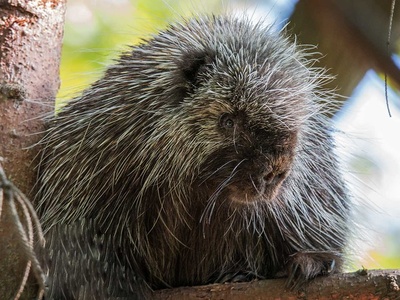
| North American porcupine | Erethizon dorsatum | 55 | North American forests from Alaska to Mexico |
| Muskrat | Ondatra zibethicus | 30 | North America; introduced to Europe and Asia |
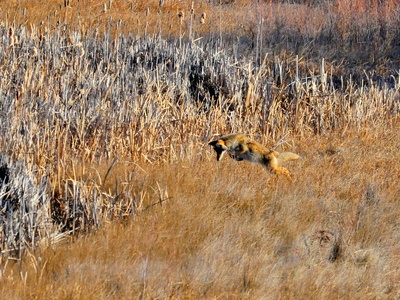
| Meadow vole | Microtus pennsylvanicus | 10 | North America grasslands and wetlands |
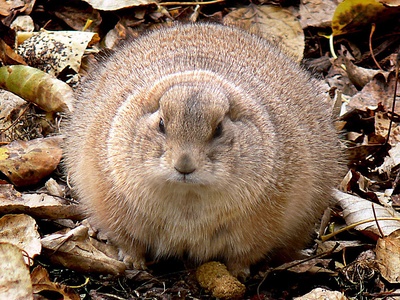
| Black-tailed prairie dog | Cynomys ludovicianus | 35 | Great Plains of North America |
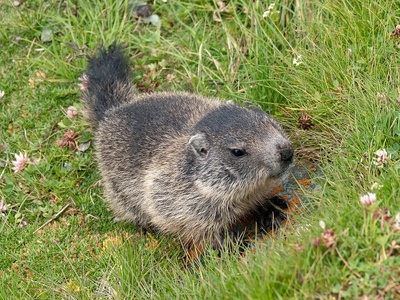
| Alpine marmot | Marmota marmota | 65 | European Alps and nearby mountains |
| Banner-tailed kangaroo rat | Dipodomys spectabilis | 12 | Southwestern North America deserts and scrub |
| Plains pocket gopher | Geomys bursarius | 20 | Central North America grasslands and fields |
| Gambian pouched rat | Cricetomys gambianus | 35 | Sub-Saharan Africa; introduced in some regions |
| Southern flying squirrel | Glaucomys volans | 15 | Eastern North America forests |
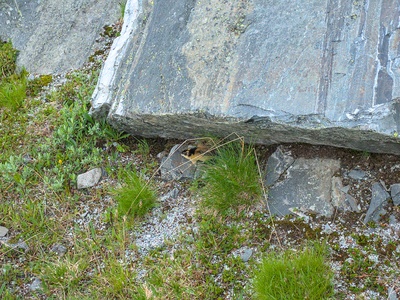
| Norway lemming | Lemmus lemmus | 10 | Arctic tundra of Fennoscandia and nearby islands |
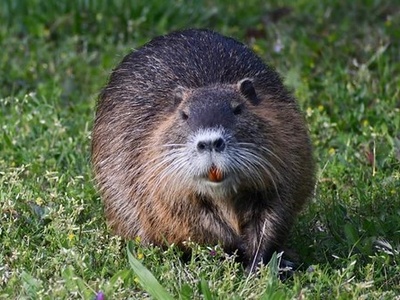
| Nutria | Myocastor coypus | 45 | Native South America; introduced to wetlands worldwide |
Images and Descriptions
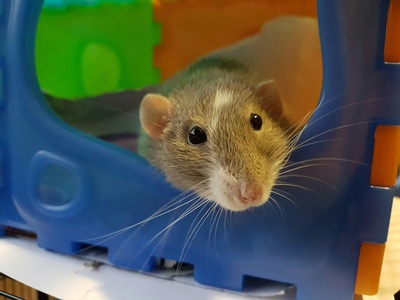
House mouse
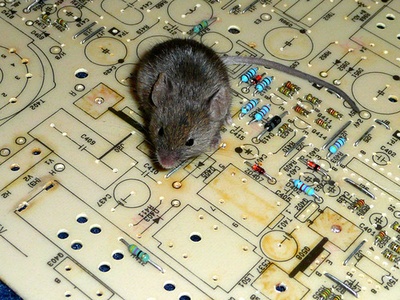
Very small, common rodent living alongside humans worldwide. Agile climber and prolific breeder, omnivorous diet includes grains and scraps. Important in labs and ecosystems as prey; often considered a household pest when abundant.
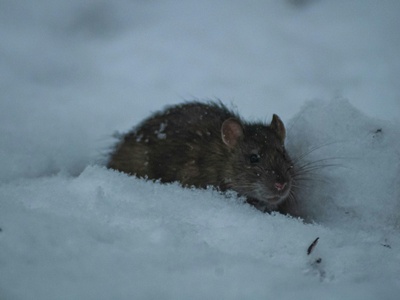
Norway rat
Large, adaptable rodent commonly found in cities and farms worldwide. Strong swimmer and burrower, omnivorous and highly reproductive. Frequently associated with human waste, transmits disease and damages structures, yet important in urban food webs.
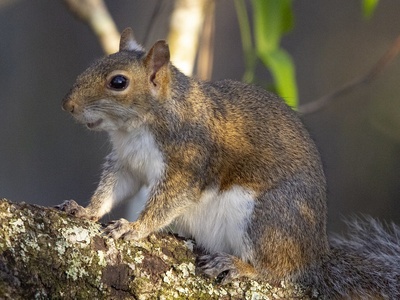
Black rat
Slender, agile rat often occupying roofs and attics in warm regions. Excellent climber and nocturnal forager, feeds on fruit, grains and refuse. Historically important as a disease vector; still common in ports and older urban areas.
Eastern gray squirrel
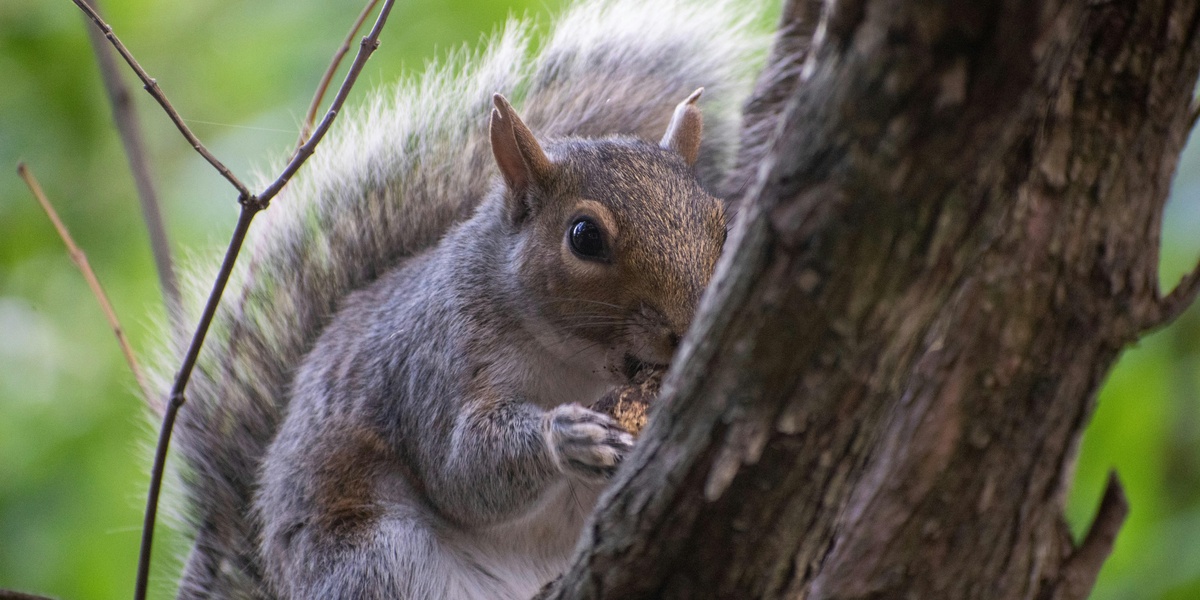
Common tree squirrel with bushy tail seen in parks and suburbs. Omnivorous, eating nuts, seeds and occasional bird eggs. Agile leaper and acrobat; caches food for winter. Often tolerated by people but can outcompete native species where introduced.
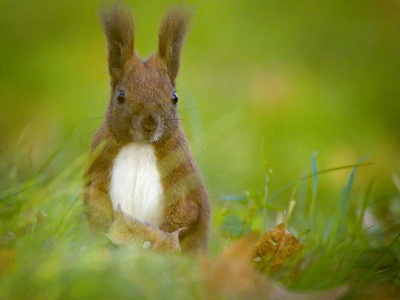
Red squirrel
Smaller tree squirrel with reddish fur and ear tufts, more solitary than gray squirrels. Eats seeds, fungi and buds; hoards food for winter. Declining in areas due to competition and disease from introduced gray squirrels in parts of its range.
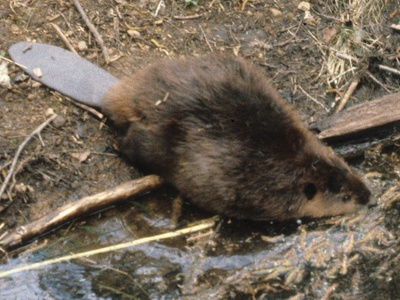
North American beaver
Large semiaquatic rodent known for building ponds with dams and lodges. Strong teeth and powerful tail used for swimming and signaling. Ecosystem engineers that create wetlands benefiting many species; populations recovered after past trapping declines.
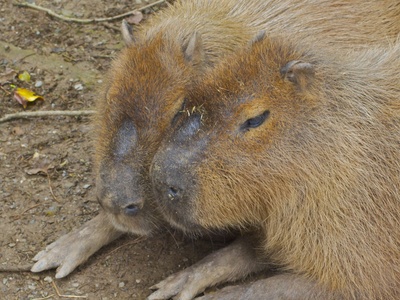
Capybara
World’s largest rodent, semi-aquatic and social, living near water in herds. Herbivorous grazing on grasses, with partially webbed feet and a blunt snout. Valued culturally and ecologically, sometimes hunted but common across much of its range.
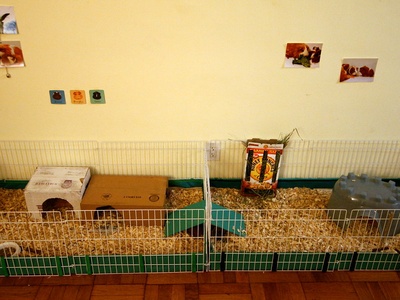
Guinea pig
Domesticated, stocky rodent kept as a pet and livestock for centuries in South America. Gentle, social and vocal, feeding on hay, vegetables and pellets. Not wild in most places, but feral populations exist; important in research and culture.
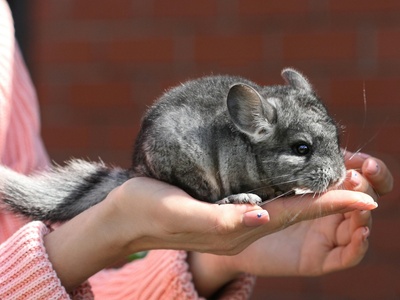
Chinchilla
Small, dense-furred rodent native to rocky Andes habitats. Noted for extremely soft fur, nocturnal habits and agility on cliffs. Populations declined historically from hunting; now largely bred in captivity and protected in the wild.
North American porcupine
Large arboreal and terrestrial rodent covered in quills used for defense. Mostly nocturnal, feeds on bark, buds and foliage. Slow-moving but well-protected; can cause damage to trees and sometimes become roadkill in human-modified landscapes.

Muskrat
Medium-sized semiaquatic rodent with dense fur and a laterally flattened tail. Builds lodges and burrows along wetlands, feeding on aquatic plants. Important habitat modifier but can damage levees and crops where abundant.
Meadow vole
Small, stout rodent that forms surface runways in grass and feeds on grasses and roots. Highly reproductive with boom-and-bust cycles, serving as key prey for many predators and influencing plant community dynamics in meadows.
Black-tailed prairie dog
Social burrowing rodent living in colonies or ‘towns’ on grasslands. Herbivorous grazers that dig extensive tunnels, creating habitat for other species. Face declines from disease and conversion of prairie, but remain an iconic prairie engineer.
Alpine marmot
Large ground-dwelling squirrel that lives in colonies on alpine meadows. Hibernates for long winters, feeds on grasses and herbs, and gives loud alarm calls to warn of predators. Popular with hikers and important to mountain ecosystems.
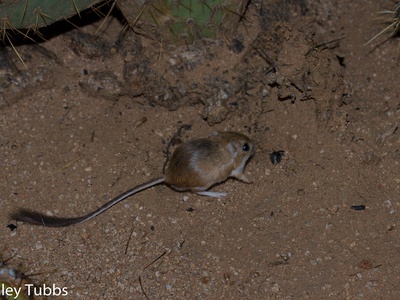
Banner-tailed kangaroo rat
Small hopping rodent with long hind legs and a tufted tail, adapted to arid deserts. Nocturnal granivore that caches seeds in burrows, minimizing water needs. Plays role in seed dispersal and soil turnover in desert ecosystems.
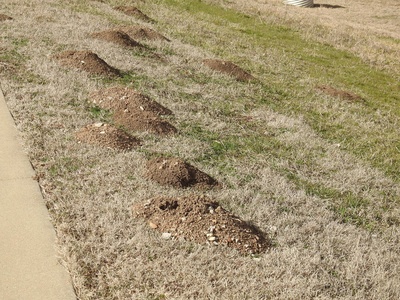
Plains pocket gopher
Fossorial rodent that digs extensive underground tunnels, pushing soil into distinctive mounds. Solitary and herbivorous, feeds on roots and tubers, and affects soil structure and plant distribution; sometimes considered an agricultural pest.
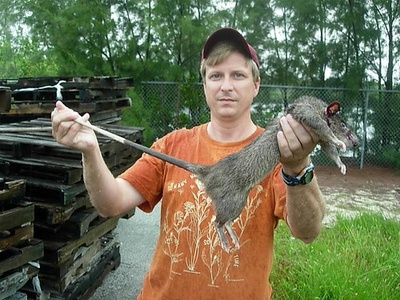
Gambian pouched rat
Large nocturnal rodent with cheek pouches used for carrying food. Omnivorous and opportunistic, known for good sense of smell and trainability; used in landmine detection and tuberculosis screening in some countries.
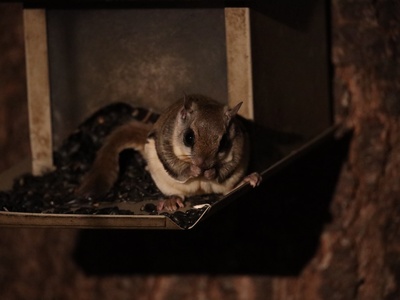
Southern flying squirrel
Small nocturnal tree-dwelling rodent with a patagium that allows gliding between trees. Eats nuts, seeds and insects, nests in cavities and tree nests. Secretive and social; an indicator of mature forest habitat when present.
Norway lemming
Small stout lemming with cyclical population booms and crashes in tundra habitats. Feeds on grasses and mosses, excellent swimmer, and serves as key prey for arctic predators; populations fluctuate dramatically over years.
Nutria
Large semiaquatic rodent with webbed hind feet and coarse fur, often found in wetlands. Feeds on aquatic plants and burrows into banks, causing erosion and vegetation loss where invasive; managed in many introduced areas.