TL;DR The short answer: plants, and only plants Val’s gundi eats vegetation. In the rocky, dry country of Morocco, Algeria and Libya, that means whatever green or seed-bearing plant matter…
What Do Philippine Porcupines Eat? Full Diet Breakdown
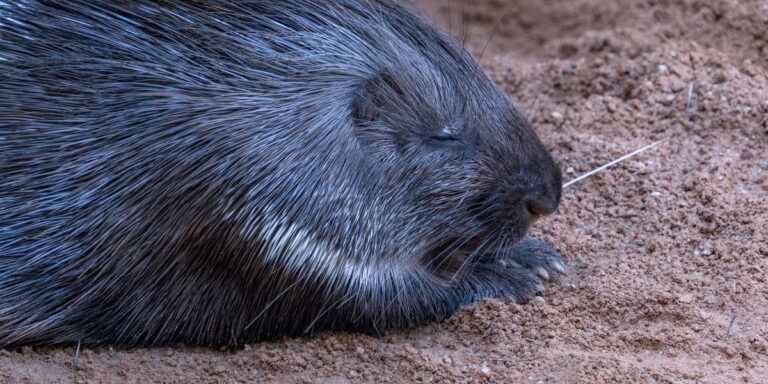
A Philippine porcupine (Hystrix pumila) eats fruit, roots, tubers, bark, bulbs, and seeds, gathered on nighttime foraging walks that can cover up to 16 kilometers. It’s a picky-looking but opportunistic…
What Nile Rats Actually Eat (Wild vs. Pet Diet)
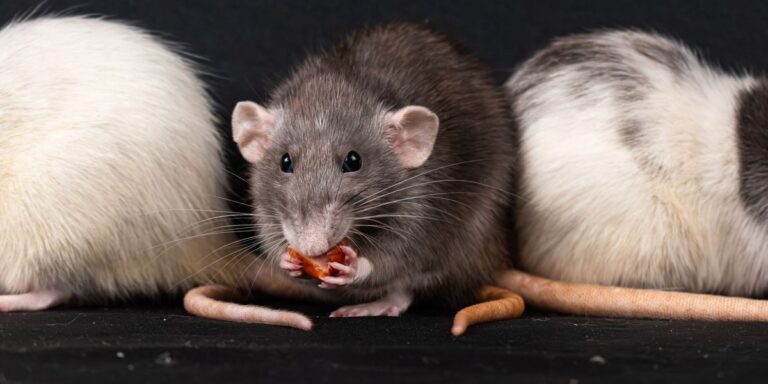
TLDR In the wild, Nile rats eat grasses, seeds, leaves, and whatever crops happen to be growing nearby, with the occasional insect for protein. As pets, they need a low-sugar…
What Do Least Chipmunks Eat? A Full Diet Breakdown
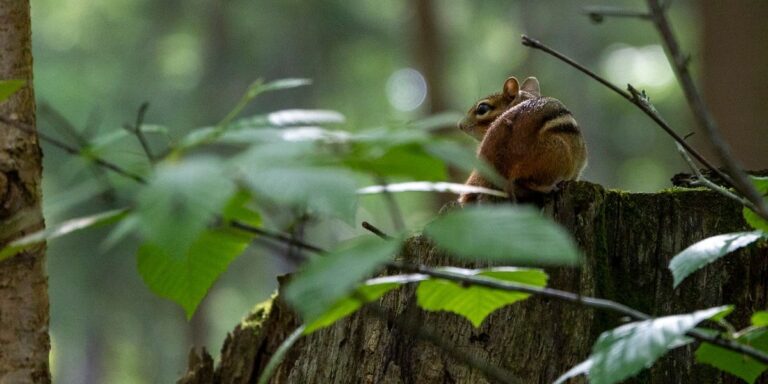
If you just watched a tiny, striped rodent dart across a trail with its cheeks stuffed, here’s the short answer: least chipmunks eat seeds, nuts, berries, fruit, fungi, insects, and…
What Do Gunnison’s Prairie Dogs Eat? Full Diet Breakdown
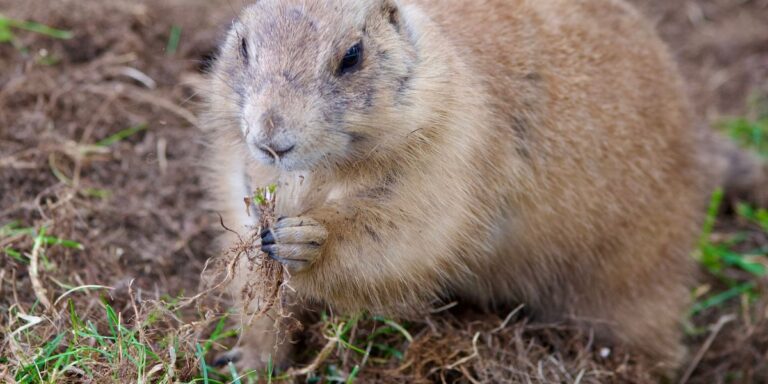
Gunnison’s prairie dogs live on the Colorado Plateau and the high grasslands of the Four Corners region, and their whole year is organized around one job: eating enough of the…
What Do Red-Backed Voles Eat? A Season-by-Season Diet Guide
TLDR Red-backed voles are opportunistic omnivores that change menus with the calendar: tender shoots and leaf petioles in spring, berries and fruit through summer, nuts and seeds in fall, and…
What Do Harris’s Antelope Squirrels Eat?
Harris’s antelope squirrel runs across bare desert ground in full midday sun — 100°F+ and no shade in sight — with its tail curled up over its back like a…
What Do White-tailed Prairie Dogs Eat?
White-tailed prairie dogs eat mostly grasses and other green plants. Their diet is plant-heavy, seasonal, and built around whatever is growing in the shortgrass prairie at the moment. They’re not…
Rainforest Mice: The Complete List
Explore the complete list of Rainforest Mice — nine tropical rodent species described with scientific names, range and habitat notes, plus size and weight measurements. This concise guide is ideal for naturalists, students, and wildlife enthusiasts seeking quick identification details, field-reference data, and basic conservation context for rainforest mammals.