TLDR
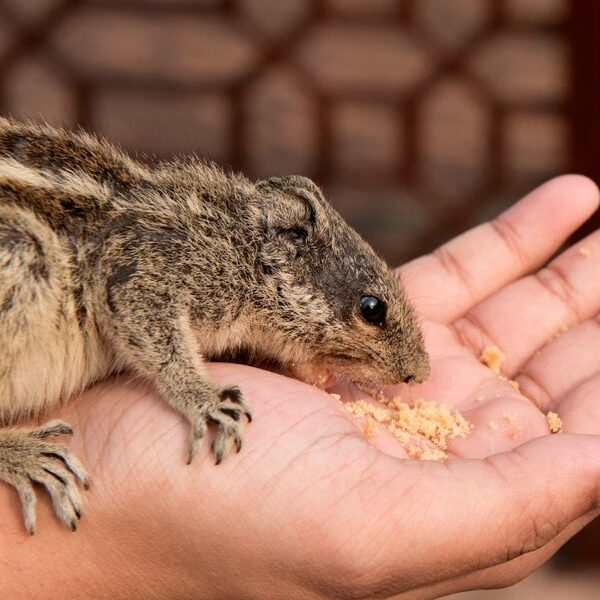
In the wild, Nile rats eat grasses, seeds, leaves, and whatever crops happen to be growing nearby, with the occasional insect for protein. As pets, they need a low-sugar rodent chow, fresh vegetables, and a hard rule against fruit and sweet treats — Nile rats are unusually prone to diet-induced diabetes, and that’s not a minor quirk, it’s the thing that should shape their entire feeding plan.
Table of Contents
- What Nile Rats Eat in the Wild
- What to Feed a Pet Nile Rat
- Why Sugar Is Genuinely Dangerous for Nile Rats
- Nile Rat Diet vs. a Regular Pet Rat’s Diet
- Foods to Avoid Completely
What Nile Rats Eat in the Wild

The Nile rat (Arvicanthis niloticus), also called the African grass rat, ranges across sub-Saharan Africa from Senegal to the Nile Valley, and it lives up to its name. Grasses and grass seeds make up the core of its diet — stems, shoots, and whatever seed heads are in reach at ground level. It’s a grazer more than a scavenger, which already sets it apart from the omnivorous, garbage-eating reputation most rats carry.
Beyond grass, wild Nile rats forage on leaves, roots, and stems of local vegetation, and they’ll readily move into farmland when it’s available. In parts of East Africa, they’re considered agricultural pests for exactly this reason — they take to sugarcane, groundnuts, sorghum, and other cultivated crops with enthusiasm, which has made them a genuine headache for farmers in the region. Insects and other small invertebrates show up in the diet too, but as a minor supplement rather than a staple.
One detail that separates Nile rats from almost every other rodent studied: they’re diurnal. They forage during daylight hours in loose colonies, digging burrow systems in open grassland and farmland edges. That daytime activity pattern is part of why researchers picked this species for circadian rhythm studies in the first place — you don’t need infrared cameras to watch what a Nile rat eats.
What to Feed a Pet Nile Rat
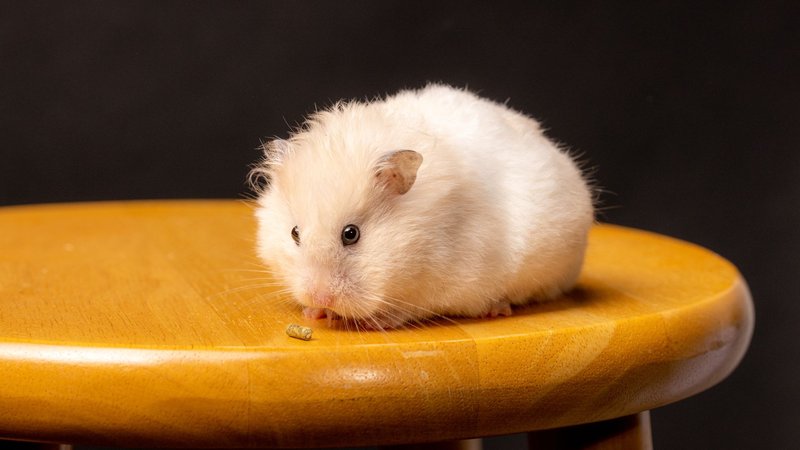
Nile rats have shown up increasingly as exotic pets, prized for being active during the day instead of nocturnal like most rodent species. Feeding one well means building a diet around fiber and low glycemic load, not around what a standard pet-store rat mix contains.
A solid base diet looks like this:
- A low-sugar commercial rodent or lab block formulated for diabetic-prone species, rather than a seed-and-fruit mix marketed for hamsters or fancy rats
- Fresh leafy greens — kale, romaine, dandelion greens, bok choy — offered daily
- Non-starchy vegetables like bell pepper, cucumber, and zucchini in small amounts
- Occasional protein — a few mealworms or a small piece of cooked egg, mimicking the insects they’d pick up in the wild
- Water from a sipper bottle, changed daily, with the bottle checked regularly since these rats are active enough to knock it loose
Portion control matters more here than with most small pets. Nile rats in captivity don’t cover the ground their wild counterparts do, and unlimited access to food compounds the sugar-sensitivity problem described below. Feed measured amounts once or twice a day rather than keeping a bowl topped off around the clock.
Why Sugar Is Genuinely Dangerous for Nile Rats

This is the part most care sheets skip, and it’s the single most important thing to understand if you keep one of these animals. Nile rats are used extensively in diabetes research because, unlike standard lab rats, they develop type 2 diabetes reliably when fed a high-carbohydrate diet — no genetic manipulation required. Give a colony of Nile rats standard high-carb chow and unrestricted access to food, and a large share of them become diabetic within weeks to months.
That’s not a lab artifact. It reflects a real metabolic quirk: Nile rats evolved on a low-sugar, high-fiber wild diet and never developed the insulin response that lets, say, a domestic rat tolerate an occasional piece of fruit without consequence. In a pet Nile rat, that means sugary treats, sweetened yogurt drops, dried fruit, and high-starch table scraps aren’t just “not ideal” — they’re a direct path toward the same pancreatic stress researchers induce on purpose. Symptoms to watch for include excessive thirst, increased urination, and lethargy, and any of those warrant a vet visit rather than a wait-and-see approach.
Nile Rat Diet vs. a Regular Pet Rat’s Diet
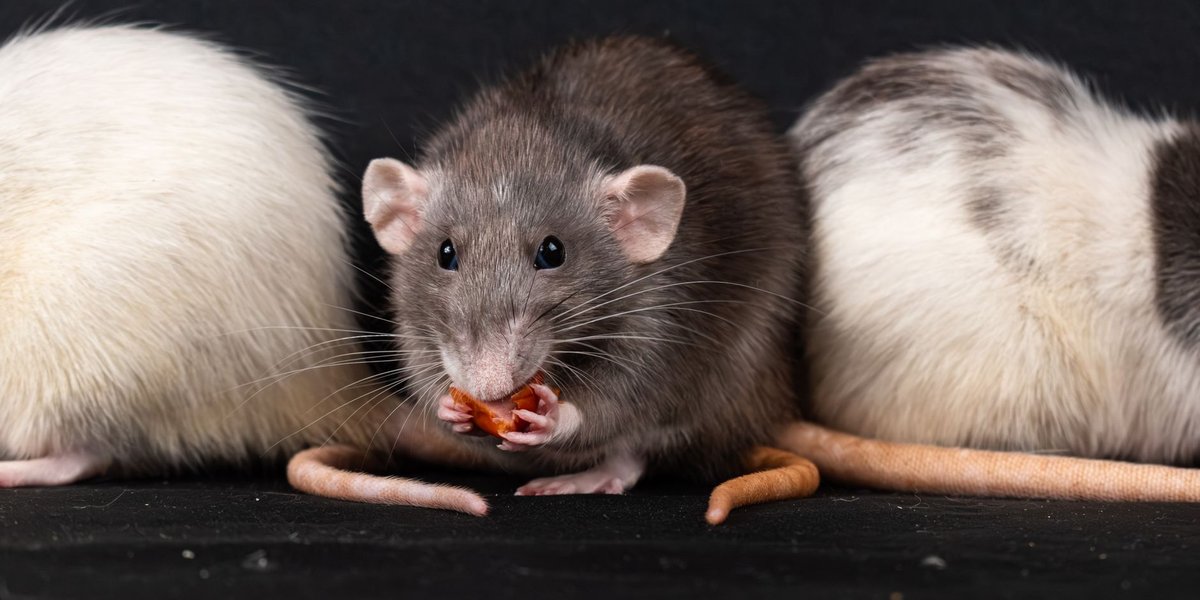
A standard fancy rat (Rattus norvegicus) tolerates a broad omnivorous diet — cooked meat, the occasional bite of banana, even a small piece of chocolate now and then without triggering a health crisis. Their metabolism handles carbohydrate load the way most mammals do.
A Nile rat can’t be fed the same way. Where a fancy rat’s diet sheet lists fruit as a normal treat category, a Nile rat’s diet sheet should treat fruit as an exception, offered in tiny amounts if at all, and never as a daily habit. The practical upshot: don’t feed a Nile rat using a fancy-rat care guide, and don’t assume “rodent” means the feeding rules transfer across species. They don’t, and this is the exact gap where owners run into trouble.
Foods to Avoid Completely

- Fruit in anything beyond token amounts — grapes, banana, and apple are all higher-sugar than they look on a nutrition label
- Commercial rodent treats containing molasses, honey, or corn syrup
- Bread, crackers, and other refined-starch table scraps
- Sweetened yogurt drops sold for hamsters and gerbils
- Sugary cereal-based rodent mixes
None of this means a pet Nile rat eats a boring diet. Leafy greens, low-sugar vegetables, and a diabetic-appropriate chow give plenty of room for variety — it just has to be variety within a low-glycemic range, which is closer to how the species eats in the wild than the sugar-heavy diet many small pets tolerate. Feed toward that wild baseline, and the metabolic issues that plague so many captive Nile rats become largely avoidable.