TLDR
Wild Siberian chipmunks (Tamias sibiricus) eat seeds, nuts, fungi, fruit, insects, and occasionally small birds, lizards, or eggs — and what dominates their diet actually changes by season, with fungi peaking in spring and insects taking over in summer and autumn. If you keep one as a pet, the staples are seeds, nuts, rodent pellets, and daily fresh produce, with limited mealworms or crickets for protein, a cuttlebone for minerals, and cabbage or other gas-producing vegetables kept off the menu entirely.
Table of Contents
- What Wild Siberian Chipmunks Eat
- The Diet Changes With the Season
- Feeding a Pet Siberian Chipmunk
- The Protein Schedule
- Mineral Supplementation
- Foods to Avoid
- Feeding Baby Siberian Chipmunks
- Foraging and Caching Behavior
What Wild Siberian Chipmunks Eat
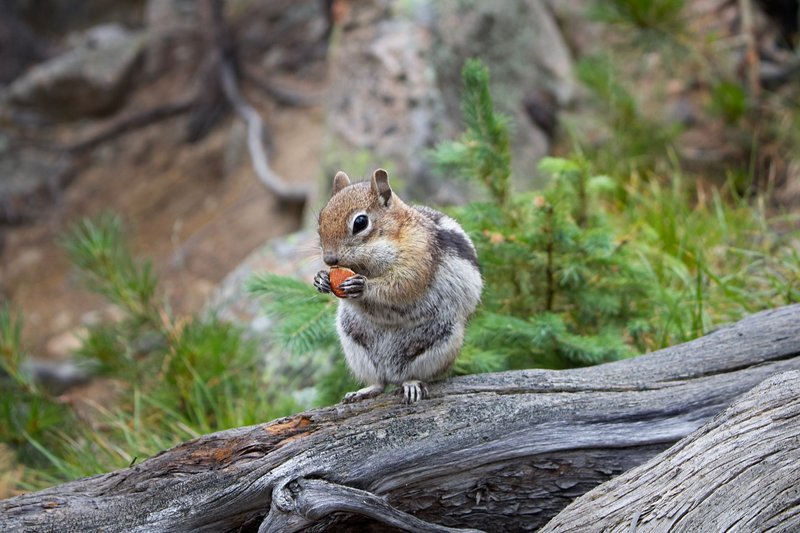
Siberian chipmunks aren’t picky, but they are strategic. In their native range across Russia, Northern China, Korea, and Japan, they run on a mixed diet built around conifer seeds, nuts, tree buds, wild berries, and mushrooms, filled out with wheat, buckwheat, and oats where farmland borders forest. That’s the plant half of the ledger.
The animal half is where things get more interesting than the average “chipmunks eat nuts” summary. Field studies compiled by Animal Diversity Web record insects, small birds, lizards, and bird eggs in the diet of Tamias sibiricus — enough that researchers classify the species as fungivorous, herbivorous, and insectivorous depending on the season, not simply herbivorous. A rodent that weighs around 100 grams needs calorie-dense, protein-rich food to get through a Siberian or Manchurian winter, and an all-seed diet doesn’t cut it.
The Diet Changes With the Season
This is the part most chipmunk write-ups skip entirely, and it’s the most useful thing to know if you’re trying to understand the species rather than chipmunks in general. A peer-reviewed study on seasonal variation in chipmunk diet and gut microbiota found real, measurable shifts in what these animals eat across the year, not just anecdotal preference.
In spring, fungi make up an outsized share of the diet — freshly fruiting mushrooms are abundant, easy to locate, and nutrient-dense at a point when other food sources are still scarce. As summer and autumn progress, the balance tips toward insects and other invertebrates, alongside the seed and nut caching that ramps up ahead of winter. The gut microbiome actually adjusts along with it, which is a strong signal that this isn’t incidental foraging — it’s a diet built around what’s seasonally available and metabolically useful. By late autumn, the chipmunk’s priority shifts from variety to volume: pack the cheek pouches, bury the surplus, and prepare to live off stores through torpor.
Feeding a Pet Siberian Chipmunk
If you’re keeping one of these as a pet rather than reading about them in the wild, the wild diet is a starting point, not a feeding plan. A workable daily lineup looks like this:
- A base of high-quality rodent or chipmunk-specific pellets
- Two to three different types of nuts daily (unsalted, unshelled where possible, to keep them busy)
- Seeds — sunflower, pumpkin, and mixed wild bird seed all work
- Fresh fruit and vegetables offered daily, in small portions
- Occasional whole grains like oats or a little cooked plain rice
Rotate the produce rather than repeating the same two items — variety matters here the same way it does in the wild, where the diet shifts constantly rather than sitting on one food group.
The Protein Schedule
Wild chipmunks get protein from insects and, occasionally, small vertebrates. Pets need a substitute, and the standard is mealworms, crickets, or waxworms offered two to three times a week — some keepers cap it at five days out of seven and build in at least two protein-free days to avoid overloading the kidneys. A small amount of cooked egg or plain cooked chicken can stand in occasionally, but insects are the closer match to what the species actually evolved to eat.
Mineral Supplementation
A cuttlebone and a mineral stone left in the cage cover the gap that a captive diet otherwise leaves open — mainly calcium, which matters more for a small, fast-metabolism rodent than it might seem. Chipmunks will gnaw on the cuttlebone as needed rather than needing to be fed a set amount, so it can just stay in the enclosure permanently and get replaced once it’s worn down.
Foods to Avoid
The “foods to avoid” list matters more than the “foods to include” list for a first-time keeper, because the mistakes are the kind that cause real digestive problems rather than just a wasted snack:
- Cabbage and similar brassicas — gas-producing and hard on a chipmunk’s digestion
- Iceberg lettuce and most salad greens — low nutritional value, same gas-related issue
- Anything salted, sugared, or processed — human snack food, in general
- Citrus fruit in large amounts — acidic enough to cause issues with regular feeding
- Avocado, chocolate, and onion/garlic — standard small-mammal toxicity risks
None of these are dramatic one-off poisons in tiny amounts, but they’re also not worth the risk when the safer alternatives — apple, berries, carrot, sweet potato — do the same job.
Feeding Baby Siberian Chipmunks
Juveniles start life entirely dependent on their mother’s milk, typically for around five to six weeks, before beginning to sample solid food. Once weaning starts, the transition should mirror the adult diet in miniature: soft fruit, small pieces of nut, and pellets softened slightly, rather than jumping straight to whole nuts or live insects a young chipmunk isn’t yet equipped to process. Protein should be introduced gradually and in smaller portions than an adult schedule, since a juvenile digestive system is still adjusting to solid food generally. If you’ve acquired an orphaned or hand-reared kit, a rodent-specific milk replacer and guidance from an exotics-experienced vet matters more here than any general feeding chart — the RSPCA’s chipmunk care guidance is a solid starting reference, but species-specific care for orphaned Siberian chipmunks is thin on the ground, and a vet who’s actually handled small rodents is worth more than a forum thread.
Foraging and Caching Behavior
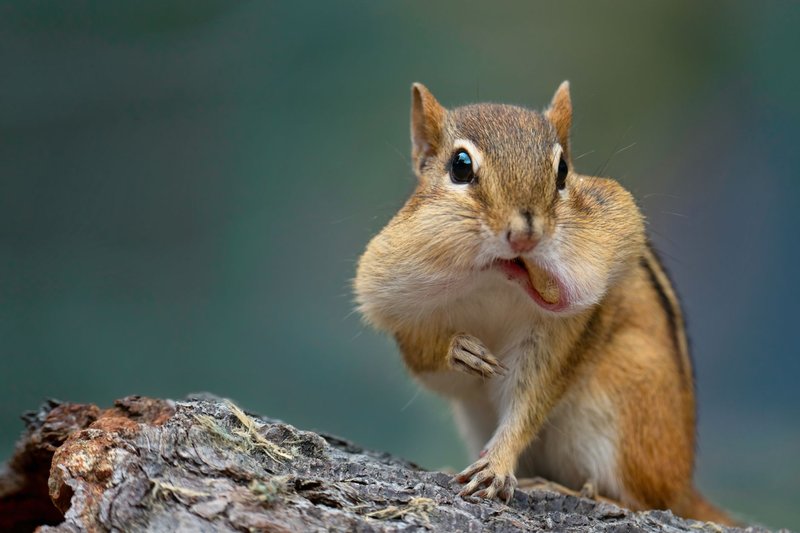
Diet and behavior are the same story here, not two separate topics. Siberian chipmunks are scatter-hoarders: they gather far more food than they eat in a single sitting, stuff it into expandable cheek pouches, and bury it in multiple small caches rather than one central stockpile. That spreads the risk — a squirrel or bird raiding one cache doesn’t wipe out the whole winter supply.
This caching instinct is also why captive chipmunks stuff their cheeks and stash food around the cage even when a full bowl is sitting right there. It’s not a behavioral quirk to correct; it’s the same seasonal-provisioning instinct that governs the wild diet, running exactly as designed inside a much smaller territory.