Early naturalists in the 18th century grouped all Odonata together, but careful collectors quickly noticed two distinct body plans and behaviors—what we now call dragonflies and damselflies. That split matters today because many nature-walkers still confuse these insects and miss simple identification clues that reveal different hunting styles, habitat needs, and roles in pond ecosystems. The order Odonata contains about 6,000 species and their ancestors go back roughly 300 million years, so learning a few reliable differences improves field ID, backyard nature appreciation, and pond monitoring accuracy. This article walks through six clear differences across three comparative categories—appearance and morphology, head and sensory traits, and flight plus life history—so you can tell at a glance which is which.
Appearance and Morphology
1. Body size and shape: robust vs slender
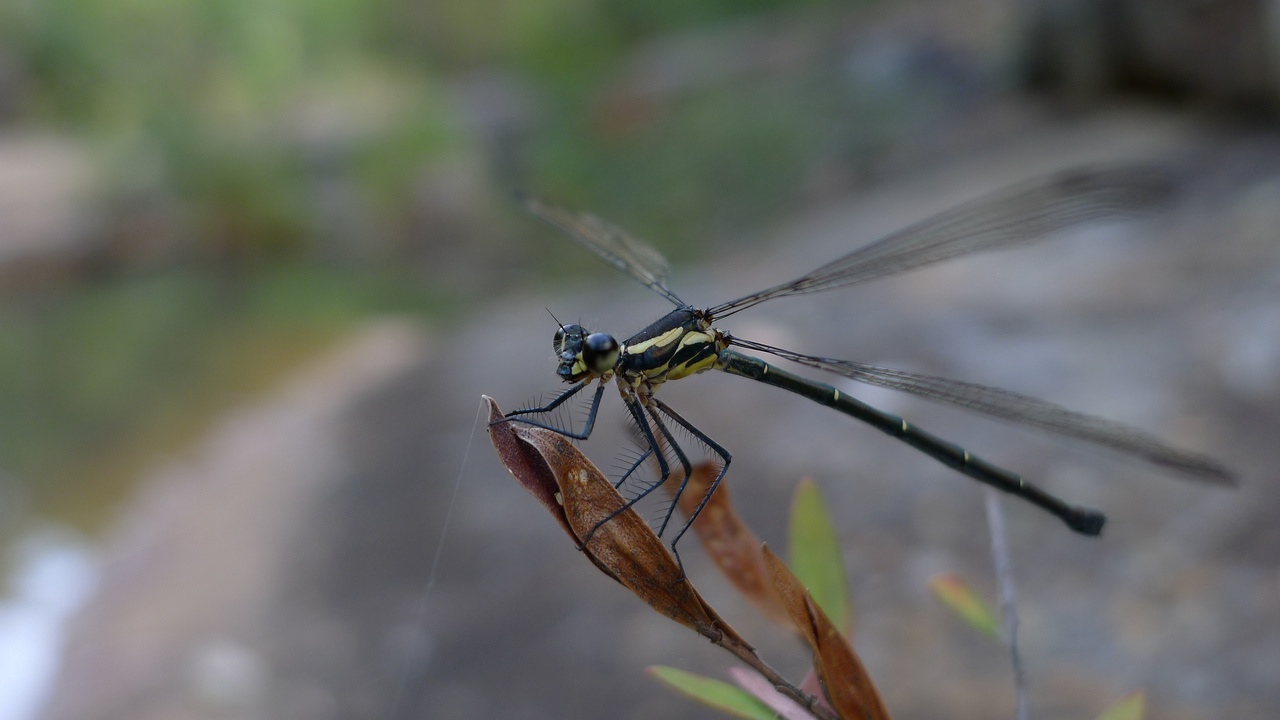
Dragonflies are generally larger and more robust; adults typically range from about 3–8 cm in body length with wingspans often 5–11 cm depending on species (e.g., Common green darner, Anax junius). Damselflies are slimmer and more delicate, commonly 2–5 cm long with wingspans around 2.5–7 cm (typical Coenagrionidae and Calopteryx species). Those numeric ranges vary by region and species, but they give a useful field rule of thumb.
Size affects behavior and habitat: larger dragonflies tolerate stronger winds and often patrol open water or hunt in open air, while smaller damselflies favor sheltered vegetation and perches among emergent plants. Practical IDs pair size with other cues—if you see a thick-bodied flyer cruising over a pond, think Anax or Libellula; if you spot a slender insect clinging to a reed, consider Ischnura or Calopteryx.
2. Wing position at rest: outstretched versus folded
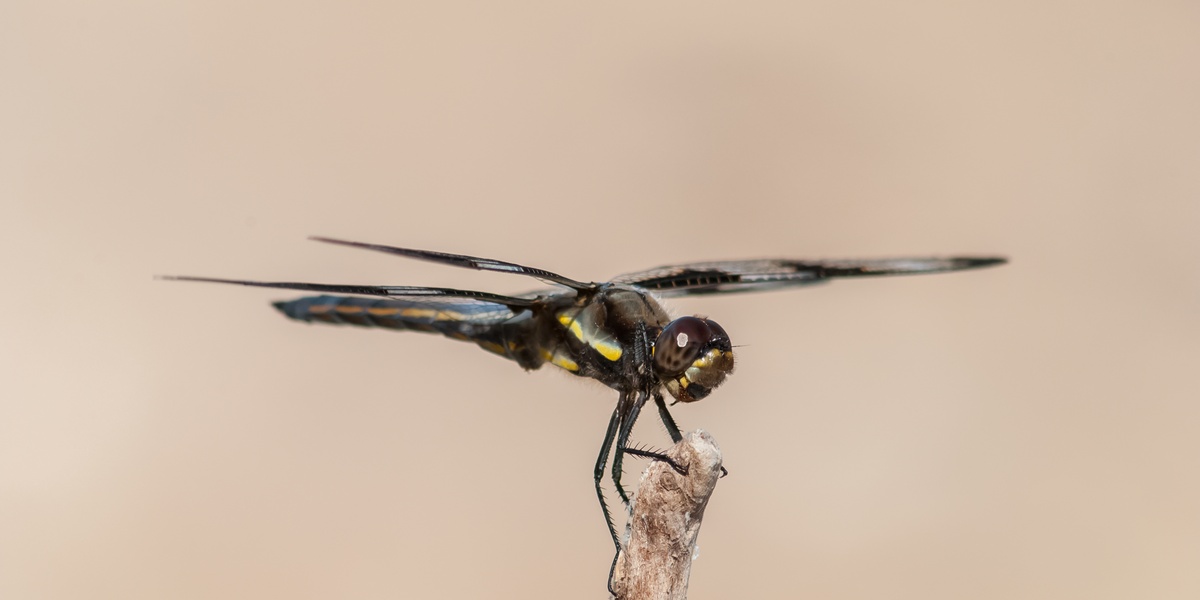
The quickest visual rule is this: dragonflies rest with their wings held out to the side, whereas damselflies usually fold or close their wings along or above the abdomen. Both groups have two pairs of wings—forewings and hindwings—but the wing bases and musculature differ enough to allow those distinct resting poses.
Anatomically, dragonflies have a wing base that supports stronger, independent wing strokes and a posture that keeps wings extended at rest (example: Blue dasher, Pachydiplax longipennis). Damselflies (example: Ebony jewelwing, Calopteryx maculata) have a structure that lets them fold wings together over the back. Photographers and citizen scientists can sort many photos quickly by checking resting wing angle first.
Head, Eyes, and Sensory Differences
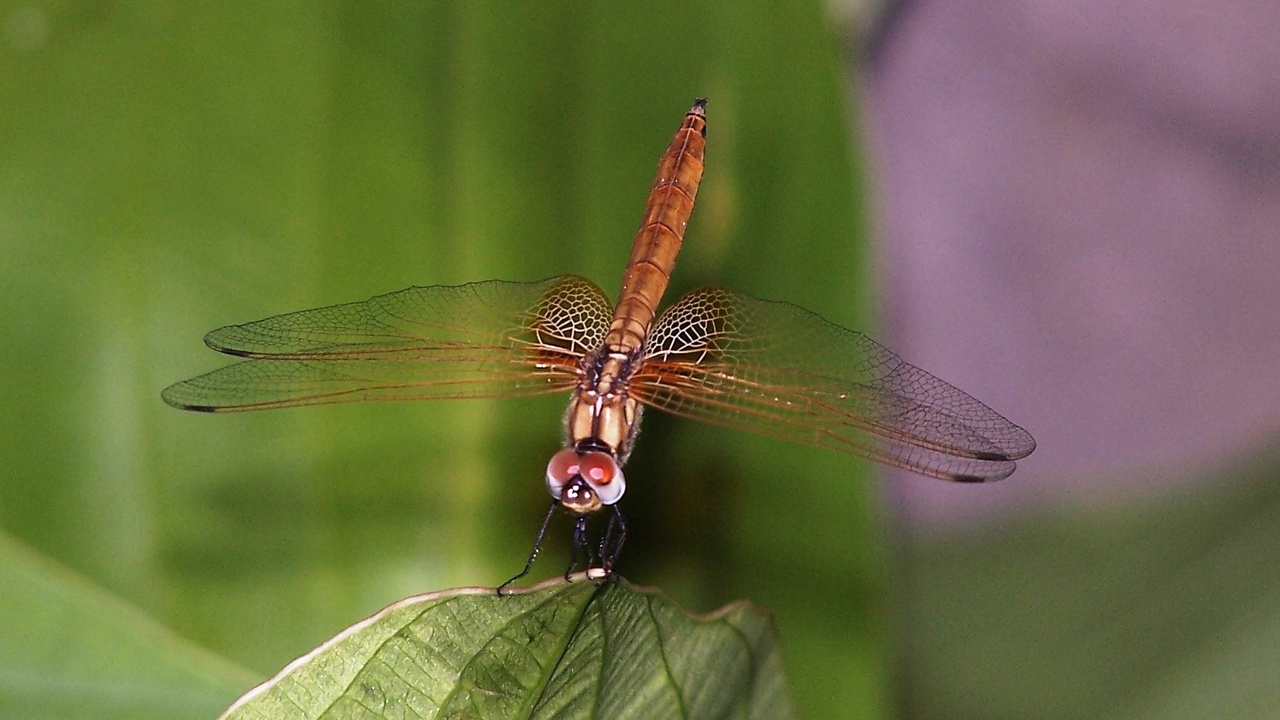
Head and eye placement drive behavior. Eye size and position are among the most reliable diagnostic characters because they shape how each insect hunts and where it lives around water. Many dragonflies have very large compound eyes that meet or nearly meet atop the head, giving almost all-around vision; conservative estimates note some species possess up to several tens of thousands of ommatidia. Damselflies have widely separated eyes, which change their binocular overlap and suit different perching and short-flight hunting strategies. These sensory differences link directly to observable behaviors at the pond edge.
3. Eye placement and vision: meeting vs separated eyes
Dragonfly compound eyes often touch (a condition called holoptic), wrapping around the head so the insect sees nearly 360 degrees. This broad field of view helps with aerial interception of fast-moving prey and rapid detection of predators (Anax junius is a classic example suited to open-air hunting).
Damselflies have separated eyes set on the sides of the head, which gives good lateral vision for detecting prey and mates among vegetation but less of the all-around coverage seen in dragonflies. Calopteryx species, for example, use this visual layout for perching, short sallies, and territorial displays along stream margins.
4. Legs and prey capture: aerial nets vs perch-and-pounce
Dragonflies are built to catch prey in flight. Their spiny legs form a basket under the head that intercepts flying insects mid-air; powerful flight combined with near-360° vision makes them efficient aerial predators. Observational notes and field guides report dragonflies taking larger, faster prey more often than damselflies.
Damselflies more often hunt by perching on vegetation and darting out to snatch smaller insects. Their legs and posture suit short bursts and clinging to stems. Both groups help control mosquitoes and other small insects around ponds, but dragonflies typically dominate aerial prey capture (e.g., Blue dasher, Pachydiplax longipennis versus Eastern forktail, Ischnura verticalis).
Flight, Life Cycle, and Behavior
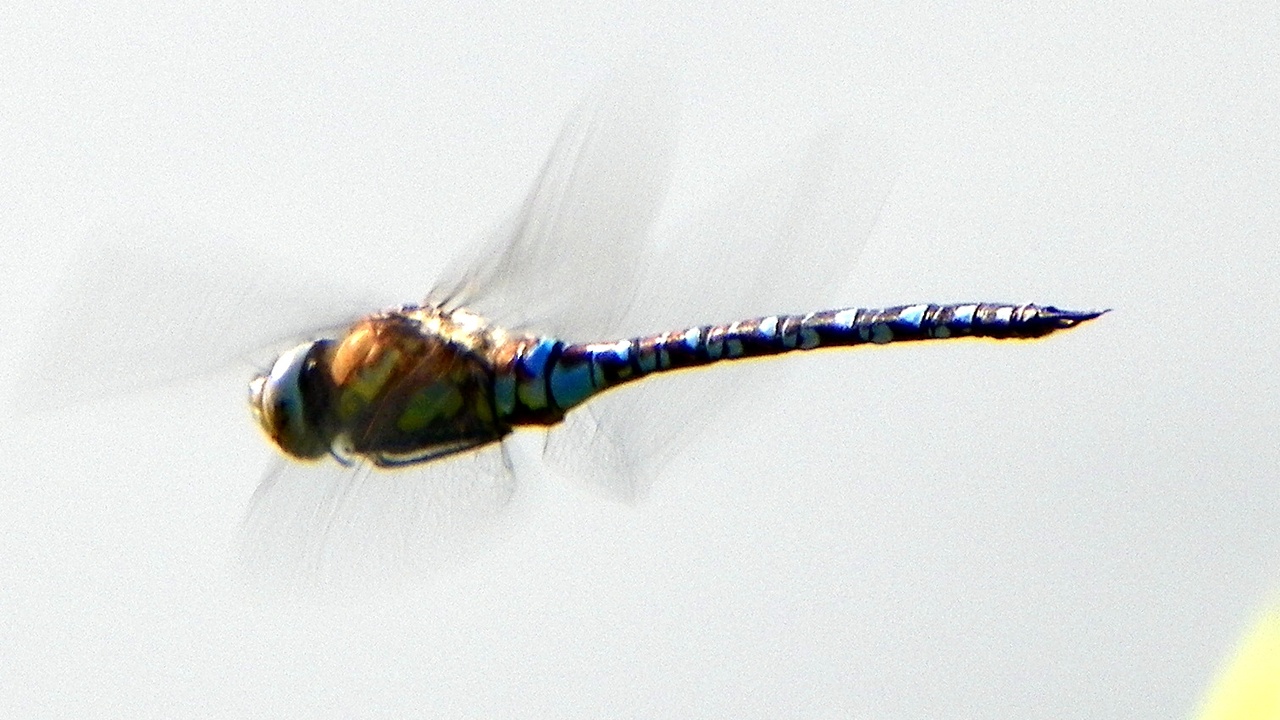
Flight mechanics and life-history strategies tie into where and how odonates use aquatic habitats. Dragonflies tend to be faster, more maneuverable fliers and have nymphs adapted for active swimming; damselflies fly more delicately and their nymphs cling among submerged vegetation. These differences affect timing of emergence, detection in pond surveys, and conservation priorities. When comparing dragonflies vs damselflies, noting flight style and nymph form gives strong clues about species assemblages and how long a site should be monitored.
5. Flight mechanics and speed: robust fliers vs delicate flyers
Dragonflies are built for speed and agility. The largest species can reach short-burst speeds estimated up to about 35 mph (56 km/h), and typical wingbeat frequencies for many odonates fall roughly in the 20–40 beats per second range. Independent control of fore- and hindwings allows varied wingstroke patterns—cruise, hover, and sprint—giving dragonflies a wide flight envelope (Anax spp. are notable for long patrol flights).
Damselflies fly more slowly with a fluttering, direct style suited to moving among plants. Their wing shapes and coordinated wingbeats produce less thrust and more maneuverability near stems. For photographers, dragonflies require faster shutter speeds to freeze motion; damselflies are easier to capture when perched among vegetation (Ischnura spp. are small and comparatively slow).
6. Life cycle and nymph ecology: different nymph forms and timings
Nymphs (aquatic immature stages) differ markedly between the two groups. Dragonfly nymphs (Anisoptera) are generally stockier, built for active swimming and ambush, with internal gills and a more robust body. Damselfly nymphs (Zygoptera) are slimmer, have external leaflike gills at the end of the abdomen, and often cling among submerged plants.
Nymphal development commonly ranges from about 1–5 years depending on species and climate, so pond surveys must account for multi-year life cycles. Emergence timing—sometimes synchronous in late spring or summer—affects counts and conservation assessments. Field protocols that sample both open-bottom substrate and vegetation help distinguish which nymph types dominate a site.
Summary
- Check body and wing posture first: stout bodies with wings out = dragonfly; slim bodies with wings folded = damselfly.
- Eye placement reveals hunting style: touching, wraparound eyes favor aerial intercepts; separated eyes suit perch-and-pounce behavior.
- Flight and nymph form matter for monitoring—look for fast, open-water fliers and chunky swimmer nymphs versus delicate fliers and plant-clinging nymphs.
- Use resting posture, habitat, and simple measurements (length, wingspan, emergence timing) to quickly distinguish dragonflies vs damselflies and improve pond survey accuracy or backyard records.