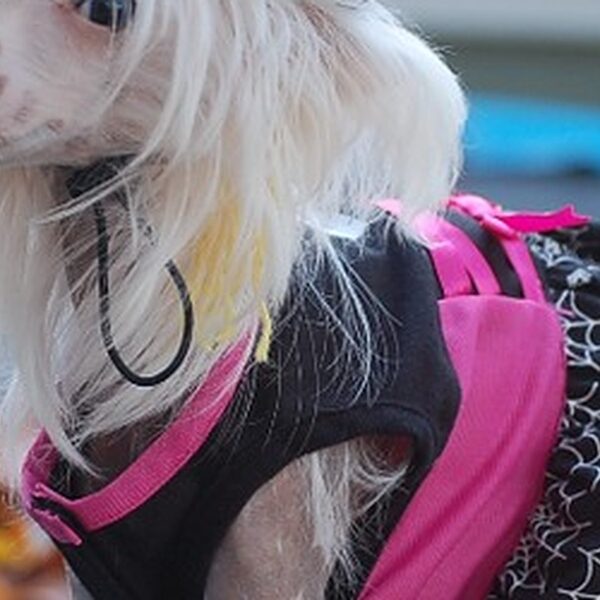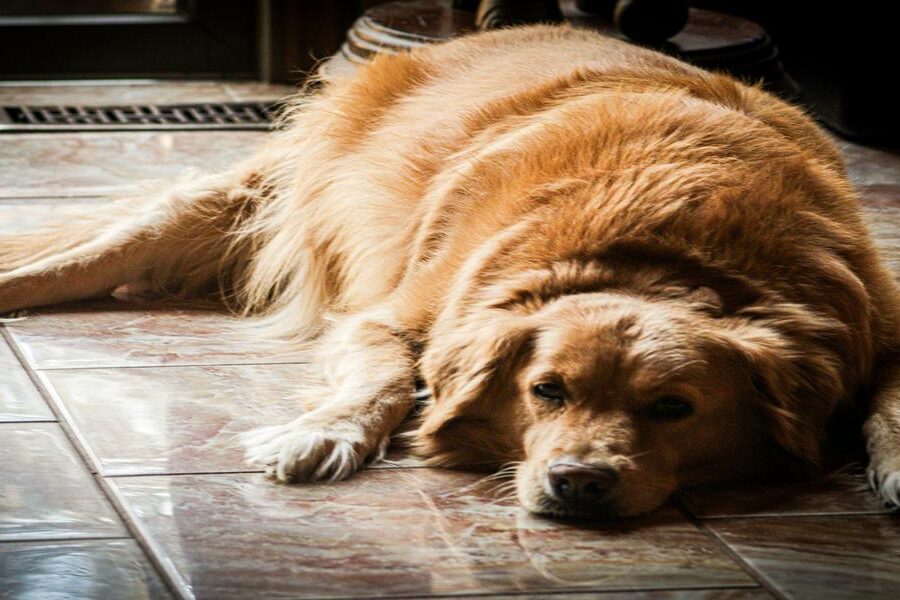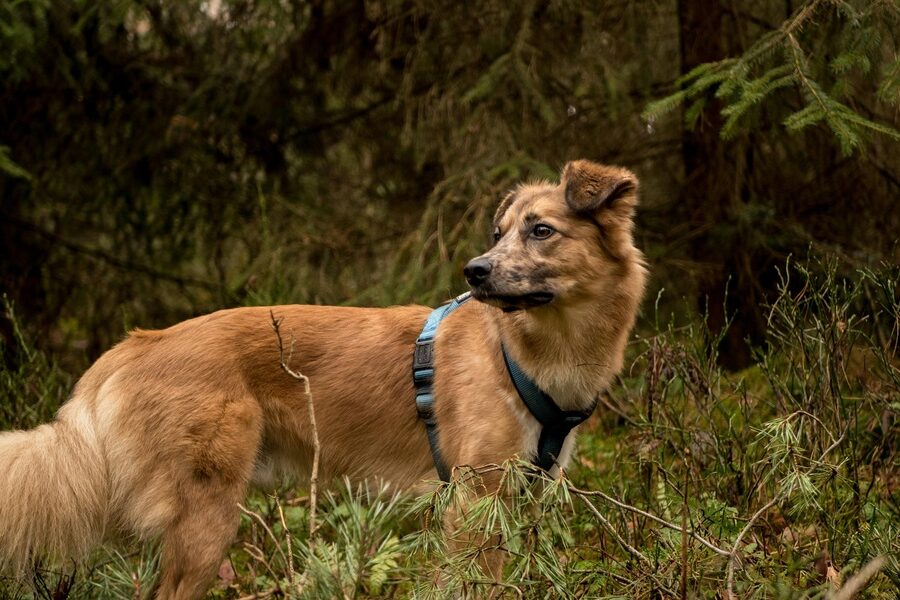
From city sidewalks to mountain trails, two-toned coats catch the eye and tell a bit of a dog’s story. Whether you’re comparing family pets or choosing a breed to research, understanding which breeds commonly show two colors helps narrow choices quickly.
There are 40 bicolor dog breeds, ranging from Alaskan Malamute to Wire Fox Terrier. For each breed, data are organized with Scientific name,Typical bicolor pattern,Size (height cm, weight kg); you’ll find below.
Do bicolor patterns change a dog’s grooming or health needs?
Bicolor markings themselves don’t dictate health, but the breed that carries them often does — for example, double-coated northern breeds need more undercoat care than short-haired terriers. Check the breed’s typical coat type and routine care; pale or thinly furred areas can sometimes need extra sun protection or skin monitoring.
How can I confirm if a dog is a recognized bicolor breed or just a mixed coat?
Look at breed standards and typical pattern descriptions, consult kennel club listings or breeder records, and consider a DNA test if lineage matters; the list below pairs each breed with its Scientific name and the Typical bicolor pattern so you can compare visual traits to official descriptions.
Bicolor Dog Breeds
| Breed | Scientific name | Typical bicolor pattern | Size (height cm, weight kg) |
|---|---|---|---|
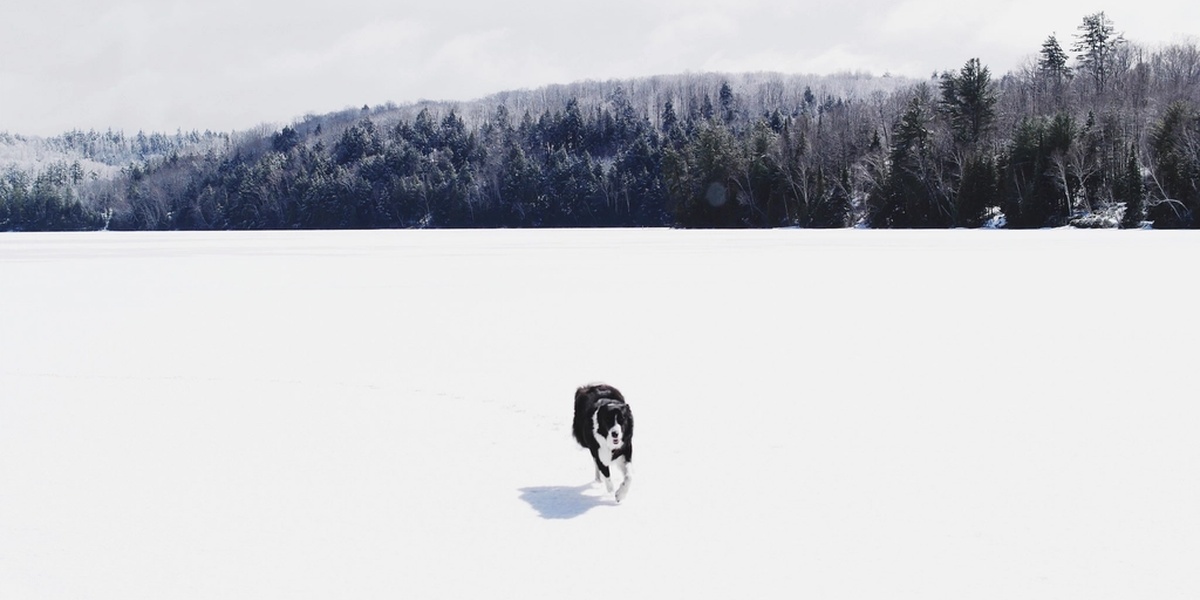
| Border Collie | Canis lupus familiaris | Black-and-white saddle or piebald | 48–56 cm, 14–20 kg |
| Boston Terrier | Canis lupus familiaris | Black-and-white tuxedo or brindle-and-white | 38–43 cm, 6–11 kg |
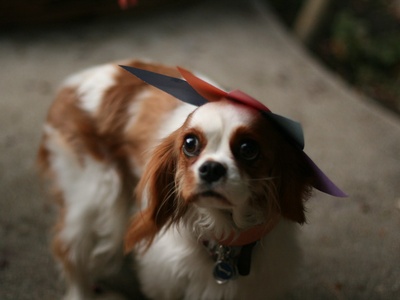
| Cavalier King Charles Spaniel | Canis lupus familiaris | Blenheim chestnut-and-white (distinct patches) | 30–33 cm, 5–8 kg |
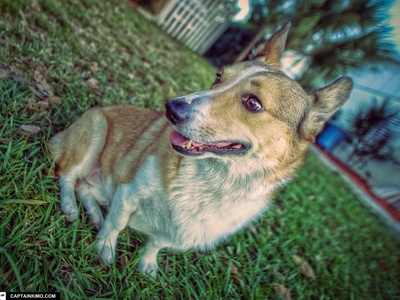
| Pembroke Welsh Corgi | Canis lupus familiaris | Red-and-white or sable-and-white bicolor | 25–30 cm, 11–14 kg |
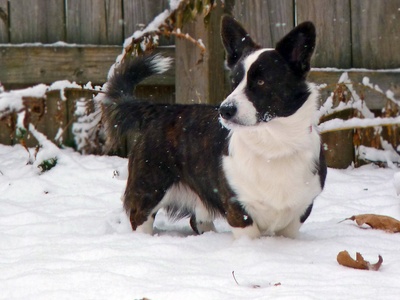
| Cardigan Welsh Corgi | Canis lupus familiaris | Sable or black with white markings (bicolor common) | 25–33 cm, 11–17 kg |
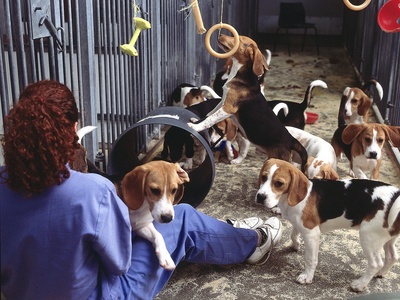
| Beagle | Canis lupus familiaris | Tri- or bi-color (black, tan, white; lemon-and-white common) | 33–41 cm, 9–13 kg |
| Dalmatian | Canis lupus familiaris | White coat with black or liver spots (distinct two-tone) | 48–58 cm, 20–27 kg |
| English Springer Spaniel | Canis lupus familiaris | Liver-and-white or black-and-white bicolor | 48–56 cm, 18–25 kg |
| Welsh Springer Spaniel | Canis lupus familiaris | Rich red-and-white bicolor | 46–51 cm, 18–25 kg |
| Basset Hound | Canis lupus familiaris | Tri- and bicolor (lemon-and-white, chestnut-and-white common) | 28–36 cm, 20–29 kg |
| Bloodhound | Canis lupus familiaris | Black-and-tan or liver-and-tan bicolor | 58–69 cm, 36–50 kg |
| Jack Russell Terrier | Canis lupus familiaris | White base with black or tan patches (bicolor common) | 25–38 cm, 6–8 kg |
| Parson Russell Terrier | Canis lupus familiaris | Predominantly white with black/tan patches | 33–36 cm, 6–8 kg |
| Smooth Fox Terrier | Canis lupus familiaris | White with black/tan markings (bicolor common) | 36–41 cm, 6–8 kg |
| Wire Fox Terrier | Canis lupus familiaris | White base with black or tan patches (bicolor) | 36–41 cm, 7–9 kg |
| Bull Terrier | Canis lupus familiaris | White with colored head patch or colored with white markings | 53–56 cm, 22–32 kg |
| French Bulldog | Canis lupus familiaris | Pied or bicolor (white with brindle/patches) common | 28–33 cm, 8–14 kg |
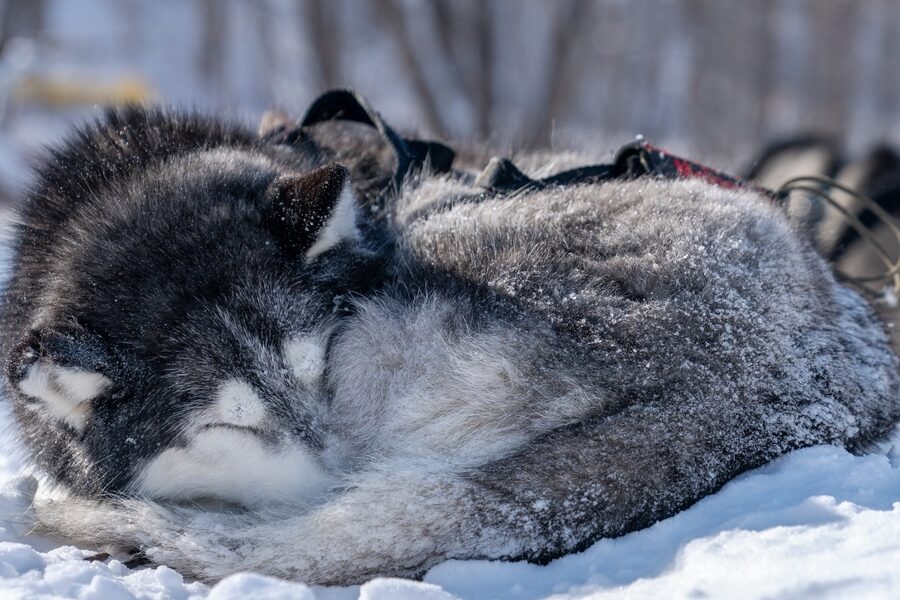
| Siberian Husky | Canis lupus familiaris | Black-and-white or grey-and-white masks and saddle patterns | 50–60 cm, 16–27 kg |
| Alaskan Malamute | Canis lupus familiaris | Light-and-dark face masks, black-and-white or grey-and-white | 58–71 cm, 34–45 kg |
| Old English Sheepdog | Canis lupus familiaris | Gray-and-white or blue-and-white bicolor | 51–61 cm, 25–45 kg |
| English Cocker Spaniel | Canis lupus familiaris | Liver-and-white or black-and-white bicolor | 38–41 cm, 12–15 kg |
| American Cocker Spaniel | Canis lupus familiaris | Particolors and bicolor combinations (white with colored patches) | 34–38 cm, 11–14 kg |
| Brittany | Canis lupus familiaris | Orange-and-white or liver-and-white bicolor | 43–51 cm, 13–18 kg |
| Great Dane | Canis lupus familiaris | Mantle (black-and-white) and harlequin (white with black patches) | 71–86 cm, 45–90 kg |
| Saint Bernard | Canis lupus familiaris | Red-and-white or mahogany-and-white bicolor | 65–90 cm, 50–91 kg |
| Havanese | Canis lupus familiaris | Parti-color (white with patches of any color) common | 21–29 cm, 4–7 kg |
| Papillon | Canis lupus familiaris | White base with colored butterfly-ear patches | 20–28 cm, 3–5 kg |
| Shih Tzu | Canis lupus familiaris | Bicolor combinations (white with brown, black, or gold) | 20–27 cm, 4–8 kg |
| Polish Lowland Sheepdog | Canis lupus familiaris | White with gray/black patches or parti-color bicolor | 40–50 cm, 18–30 kg |
| Shetland Sheepdog | Canis lupus familiaris | Black-and-white or sable-and-white bicolor common | 33–41 cm, 6–12 kg |
| Staffordshire Bull Terrier | Canis lupus familiaris | Brindle-and-white or any color with white markings (bicolor common) | 36–41 cm, 11–17 kg |
| American Staffordshire Terrier | Canis lupus familiaris | Pied and bicolor patterns common (white with patches) | 43–48 cm, 18–32 kg |
| German Shepherd Dog | Canis lupus familiaris | Black-and-tan or black-and-red bicolor | 55–65 cm, 22–40 kg |
| Dachshund | Canis lupus familiaris | Black-and-tan or chocolate-and-tan bicolor common | 13–24 cm, 4–14 kg |
| Miniature Pinscher | Canis lupus familiaris | Black-and-tan bicolor or chocolate-and-tan | 25–30 cm, 4–6 kg |
| Doberman Pinscher | Canis lupus familiaris | Black-and-tan or red-and-tan bicolor | 63–72 cm, 30–40 kg |
| Rottweiler | Canis lupus familiaris | Black with rust markings (classic bicolor) | 56–69 cm, 35–60 kg |
| English Setter | Canis lupus familiaris | White with colored ticking (blue/orange belton bicolor appearance) | 63–69 cm, 20–36 kg |
| Greyhound | Canis lupus familiaris | White with colored patches or two-tone coats common | 68–76 cm, 27–40 kg |
| Boxer | Canis lupus familiaris | Fawn-or-brindle with white markings (two-tone appearance common) | 53–63 cm, 25–32 kg |
Images and Descriptions
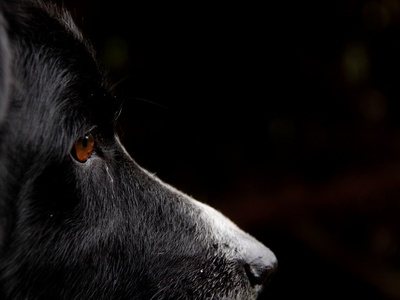
Border Collie
Intelligent herding dog from the UK, often black-and-white bicolor. Highly energetic, trainable, excels in dog sports; needs vigorous mental and physical exercise and regular grooming for its medium coat.
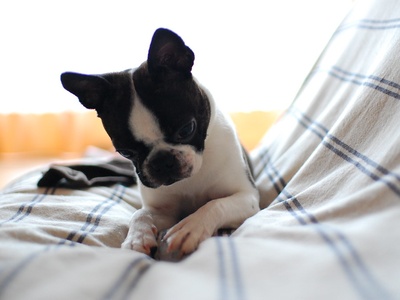
Boston Terrier
Compact American companion breed noted for clear black-and-white “tuxedo” markings. Friendly, affectionate, and adaptable to apartment life; lowish grooming needs but watch for brachycephalic breathing issues.
Cavalier King Charles Spaniel
English toy spaniel famed for Blenheim chestnut-and-white bicolor. Gentle, affectionate lap dog with moderate exercise needs and regular coat brushing to prevent mats.
Pembroke Welsh Corgi
Welsh herding breed commonly red-and-white. Energetic, intelligent, and bold with heavy shedding; needs daily exercise, training, and regular grooming to manage the double coat.
Cardigan Welsh Corgi
Older Welsh cattle dog with frequent bicolor patterns. Loyal, active, and adaptable; benefits from mental work and regular brushing to control shedding.
Beagle
English scent hound often seen in tricolor or bicolor varieties like lemon-and-white. Friendly and curious, needs daily scent work and exercise; moderate grooming.
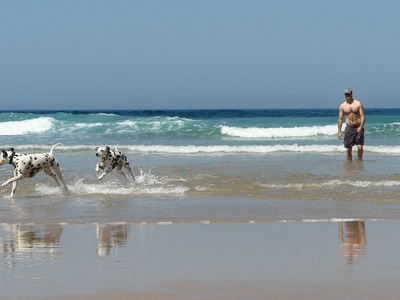
Dalmatian
Croatian-origin coach dog famous for white coat with black or liver spots. Energetic and outgoing; requires consistent exercise and early socialization; grooming is low but shedding is seasonal.
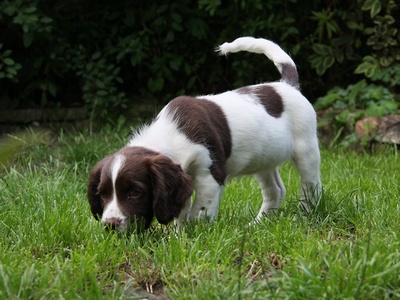
English Springer Spaniel
Versatile British gundog frequently seen in liver-and-white or black-and-white. Friendly, eager-to-please, requires regular exercise, training, and weekly grooming to manage medium coat.

Welsh Springer Spaniel
Scottish-origin gundog with distinctive red-and-white bicolor. Affectionate, active, and sensitive; suited to active owners and needs regular exercise and grooming.
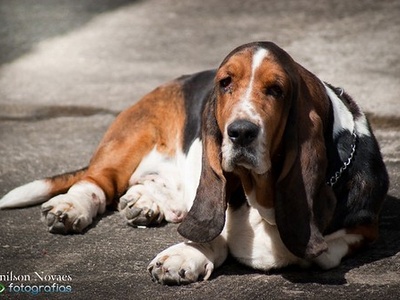
Basset Hound
British scent hound often seen as two-tone combinations. Laid-back, sociable, scent-driven; requires moderate exercise, ear care, and regular grooming to manage loose skin and shedding.
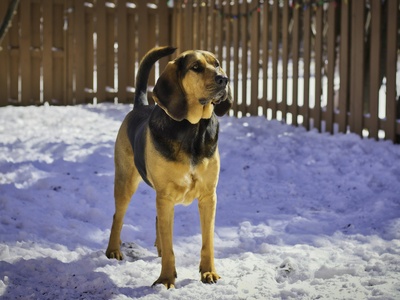
Bloodhound
Ancient scent hound known for black-and-tan or liver-and-tan coats. Gentle and focused on tracking; needs structured training, regular exercise, and grooming attention to wrinkles and ears.
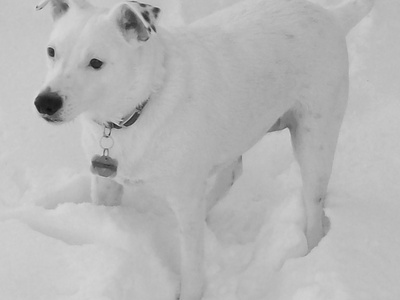
Jack Russell Terrier
Small English working terrier typically white with colored patches. Energetic, bold, highly active; demands mental stimulation, secure exercise, and regular grooming.
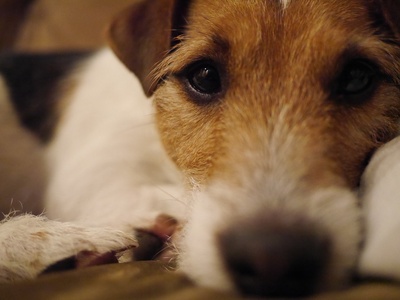
Parson Russell Terrier
Versatile hunting terrier similar to Jack Russell, commonly bicolor. Lively, intelligent, and tenacious; needs plenty of exercise, training, and occasional grooming.
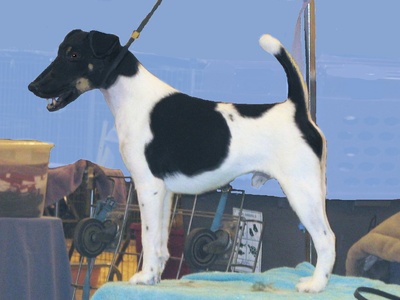
Smooth Fox Terrier
Classic English terrier often white with black or tan patches. Alert, spirited, and playful; benefits from daily activity, training, and minimal but regular grooming.
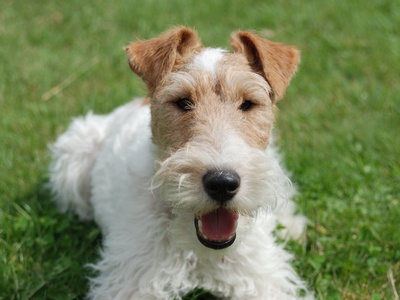
Wire Fox Terrier
Rugged hunting terrier with a wiry, predominantly white coat and colored markings. Energetic, intelligent, needs grooming like hand-stripping and active outlets.
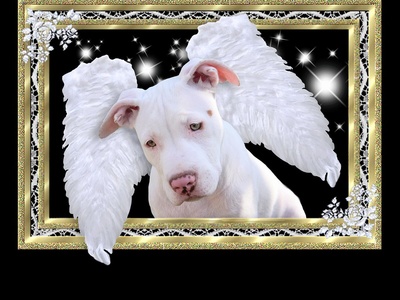
Bull Terrier
Distinctive English breed often white with a colored head patch or colored with white markings. Playful, stubborn, loyal; requires early training, socialization, and regular exercise; coat care is minimal.
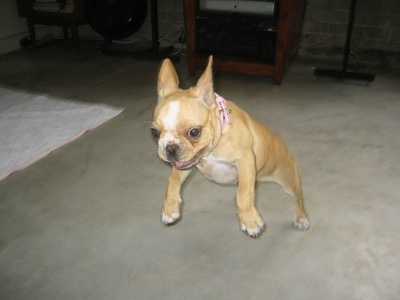
French Bulldog
Popular compact companion often pied—white with brindle or colored patches. Affectionate and low-energy; needs attention to breathing issues and moderate grooming.
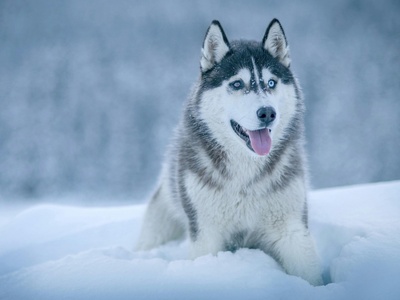
Siberian Husky
Northern sled dog commonly black-and-white or grey-and-white. Friendly, independent, and high-energy; requires long daily exercise and heavy seasonal shedding management.
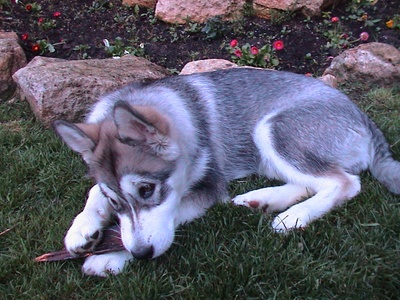
Alaskan Malamute
Powerful arctic working dog often two-toned with distinct face masks. Loyal, strong, needs extensive exercise, socialization, and heavy grooming for dense double coat.
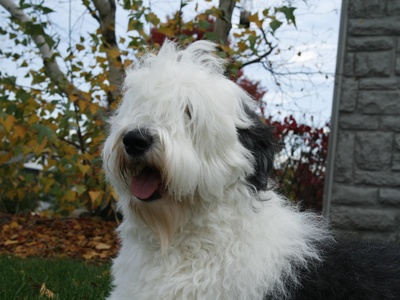
Old English Sheepdog
British herding dog often bicolored with heavy shaggy coat. Gentle and sociable; requires frequent brushing and clipping to prevent mats and manage heavy shedding.
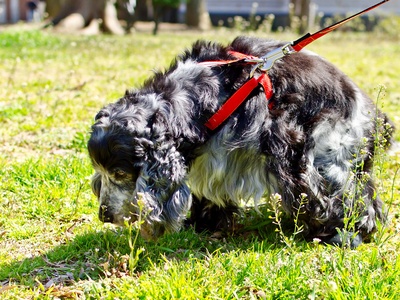
English Cocker Spaniel
Classic British spaniel commonly seen in bicolor patterns. Cheerful, affectionate, versatile working breed; needs regular exercise and weekly grooming to maintain coat.
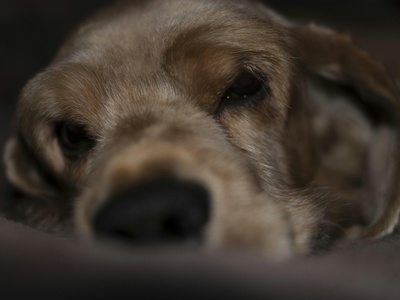
American Cocker Spaniel
Smaller spaniel popular in parti and bicolor coats. Sweet-tempered, people-oriented; needs regular grooming, ear care, and moderate exercise.
Brittany
French pointing dog typically orange-and-white or liver-and-white. Energetic, intelligent, great for active families; requires daily exercise and regular grooming for its medium coat.
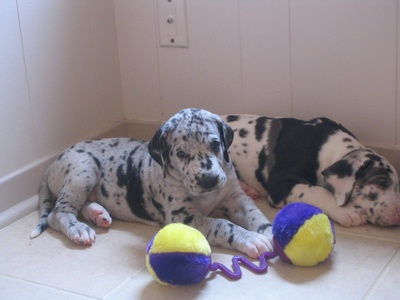
Great Dane
Giant companion and guardian with distinct two-tone patterns like mantle or harlequin. Gentle giant temperament; needs moderate exercise, large-space living, and routine grooming.
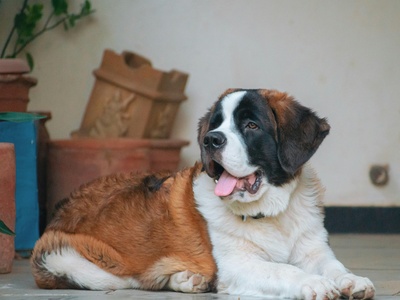
Saint Bernard
Famous Alpine rescue dog often red-and-white bicolor. Patient, gentle with families; needs space, moderate exercise, and regular grooming for heavy coat and drooling care.
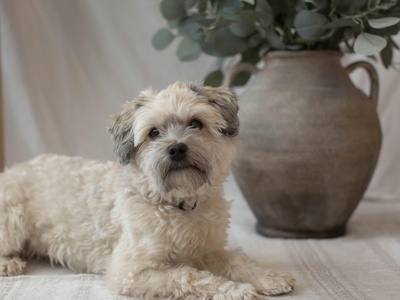
Havanese
Cuban toy breed frequently seen in parti and bicolor patterns. Affectionate and adaptable; moderate exercise needs and regular brushing to prevent tangles in the silky coat.
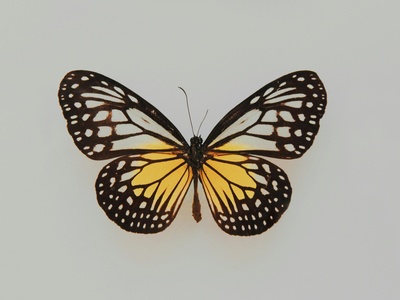
Papillon
Elegant toy spaniel known for white-and-color bicolor patterns and large fringed ears. Lively, intelligent, excels in obedience; needs daily play and routine grooming.
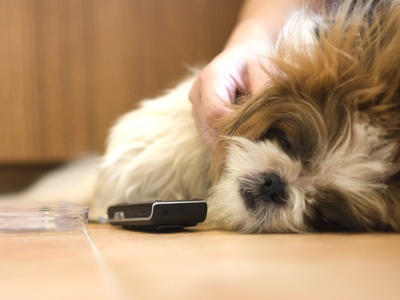
Shih Tzu
Ancient companion breed frequently seen in two-tone coats. Affectionate and calm, prefers indoor life; regular grooming and facial care required for long hair.
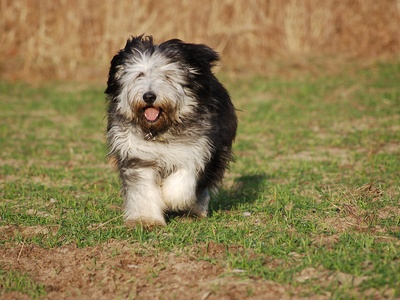
Polish Lowland Sheepdog
Polish herding dog often bicolored with shaggy coat. Intelligent, independent, and family-oriented; regular brushing and training are essential to manage coat and strong-willed nature.
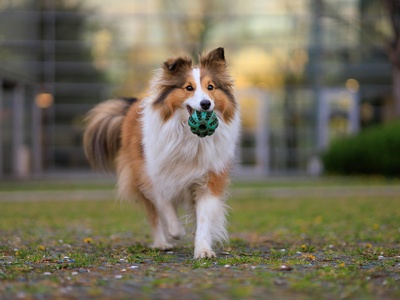
Shetland Sheepdog
Small herding dog often bicolor with white markings. Intelligent, eager, great at dog sports; requires regular grooming and daily mental and physical exercise.
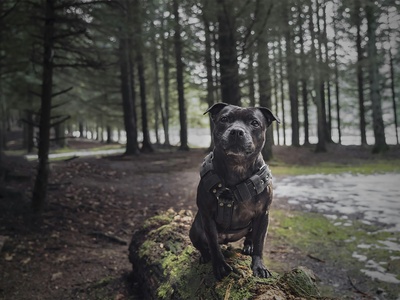
Staffordshire Bull Terrier
British companion terrier commonly bicolor with white patches. Courageous, affectionate with family; needs firm training, socialization, and regular exercise.
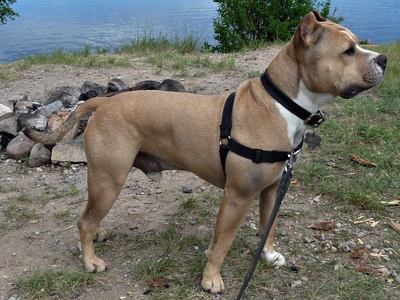
American Staffordshire Terrier
Muscular companion and working breed often in pied or bicolor coats. Loyal, people-oriented; requires consistent training, socialization, and regular exercise.

German Shepherd Dog
Versatile herding and working breed commonly black-and-tan. Intelligent, trainable, protective; needs daily exercise, mental tasks, and regular grooming.
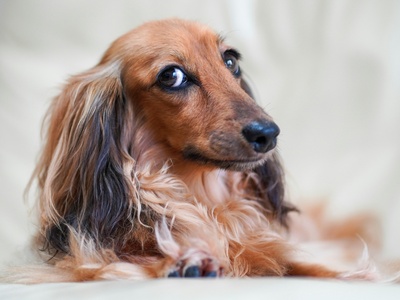
Dachshund
Small scent hound with frequent black-and-tan or chocolate-and-tan patterns. Curious, brave, and stubborn; requires back-safe handling, regular walks, and grooming per coat type.
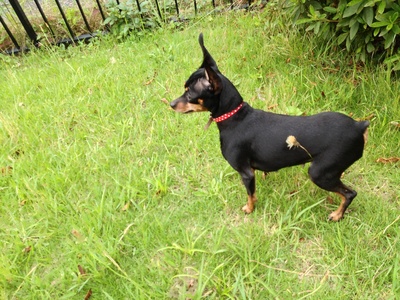
Miniature Pinscher
Small, alert companion often black-and-tan. Confident and lively, needs daily exercise and secure supervision; grooming is minimal but consistent.
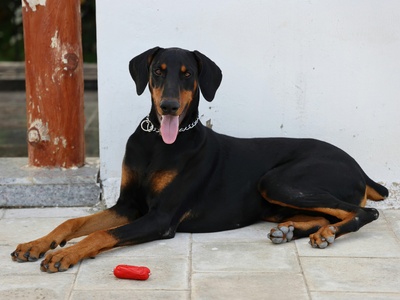
Doberman Pinscher
Athletic guardian dog frequently seen in black-and-tan bicolor. Loyal, intelligent, requires structured training, regular exercise, and moderate grooming.
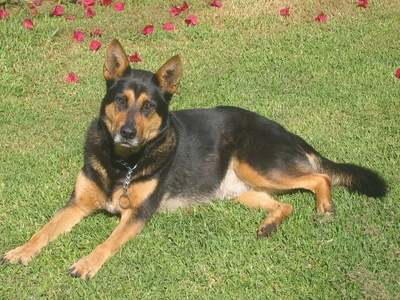
Rottweiler
Ancient herding and guardian breed with clear black-and-rust bicolor pattern. Confident and protective; needs early training, socialization, consistent exercise, and weekly grooming.
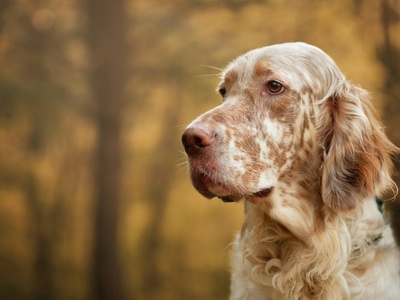
English Setter
Elegant British gundog often white with distinct colored ticking, appearing bicolored. Gentle, sociable, needs regular fieldwork or exercise, and weekly coat care.
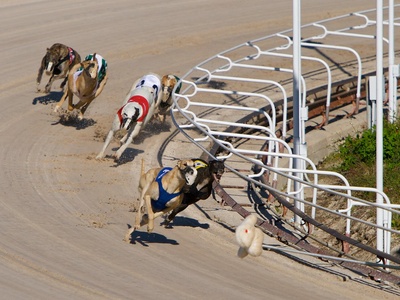
Greyhound
Sleek sight hound frequently seen in bicolor patterns like white with colored patches. Gentle, calm indoors, needs regular sprinting and minimal grooming.
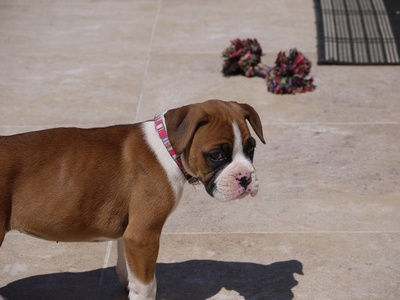
Boxer
Powerful, playful companion often appearing bicolor due to white markings on fawn or brindle base. Energetic, affectionate; needs daily exercise and minimal grooming.