Malta’s rocky islands and narrow valleys support a surprising variety of plant life shaped by dry Mediterranean summers, salty sea spray and limestone soils. Small pockets of garigue, clay slopes and coastal cliffs each host different species, so a short walk can pass through several distinct plant communities.
There are 21 Plants of Malta, ranging from Aleppo Pine to Sea Spurge. For each entry you’ll find below the columns Scientific name,Status,Habitat so you can quickly see identification, conservation status and where each species typically grows — you’ll find below.
Where are the best places to spot these species in Malta?
Look for different habitats: coastal cliffs and dunes for salt-tolerant species, garigue and rocky outcrops inland, and shaded valleys or garrigue pockets for more moisture-loving plants. Sites like Dingli Cliffs, Buskett and the northern salt pans are good starting points; visit in spring when many plants flower for easier ID.
How can I tell if a plant on the list is rare or protected?
Check the Status column in the list below — it flags endemics, vulnerable or legally protected species. If you plan to photograph or collect samples, follow local regulations and avoid disturbing populations, especially in known conservation areas.
Plants of Malta
| Common name | Scientific name | Status | Habitat |
|---|---|---|---|
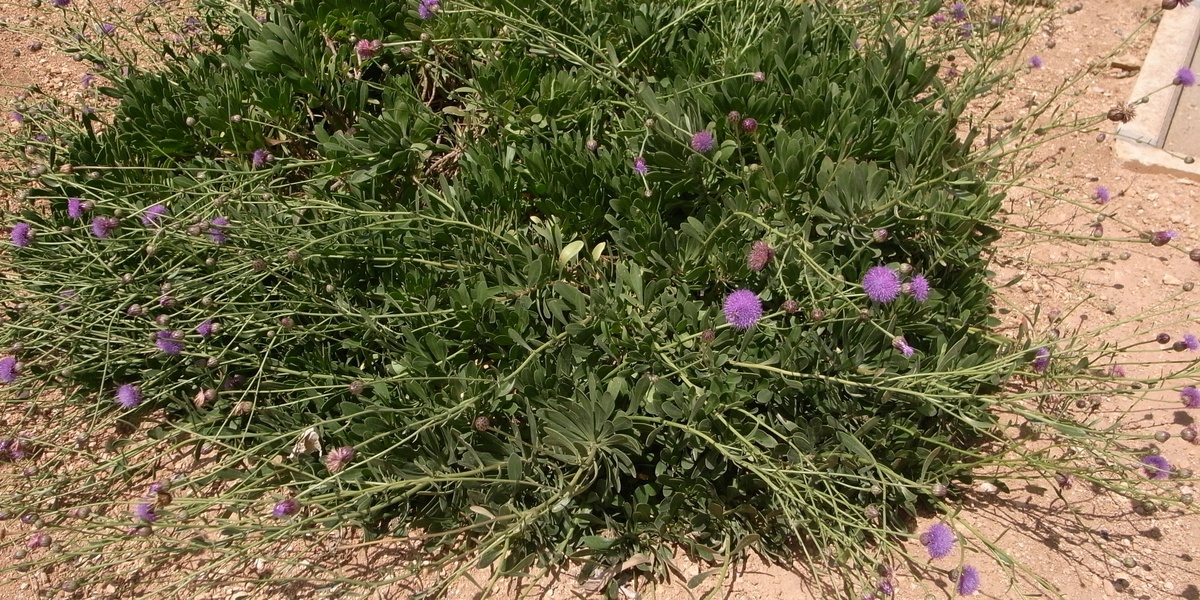
| Maltese Centaury | Cheirolophus crassifolius | Endemic | coastal cliffs and rocky garigue |
| Maltese Sea-Thrift | Armeria melitensis | Endemic | coastal cliffs, rocky ledges and garigue |
| Maltese Sea‑lavender | Limonium melitense | Endemic | salt marshes, coastal ledges and rocky shores |
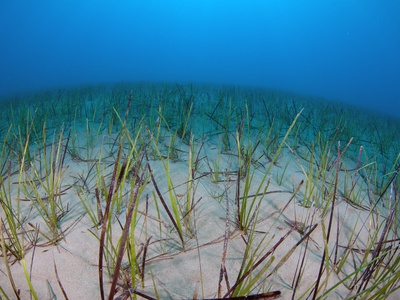
| Neptune grass | Posidonia oceanica | Native | subtidal seagrass meadows around Maltese coasts |
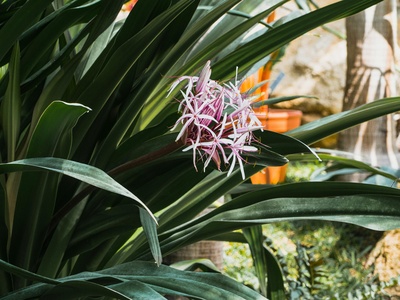
| Sea Daffodil | Pancratium maritimum | Native | sandy beaches and dunes |
| Prickly Pear | Opuntia ficus-indica | Naturalized | coastal cliffs, waste ground and dry rocky places |
| Hottentot‑fig | Carpobrotus edulis | Introduced | coastal rocks, dunes and disturbed shorelines |
| Rosemary | Salvia rosmarinus | Native | garigue, maquis, rocky slopes and hedgerows |
| Conehead Thyme | Thymbra capitata | Native | garigue, rocky slopes and coastal maquis |
| Carob | Ceratonia siliqua | Native | garrigue, valley scrub and old field margins |
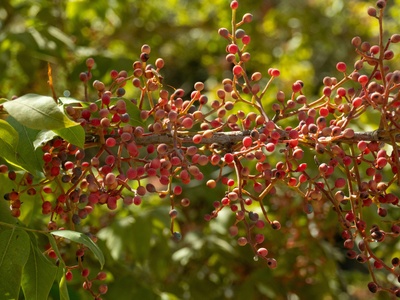
| Mastic | Pistacia lentiscus | Native | maquis, coastal garrigue and rocky slopes |
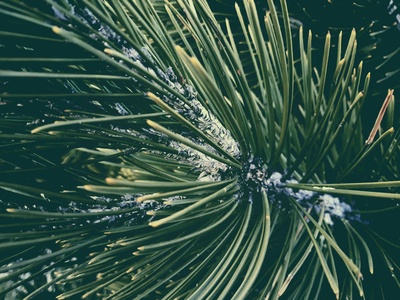
| Aleppo Pine | Pinus halepensis | Naturalized | clifftop woodlands, plantations and degraded hills |
| Myrtle | Myrtus communis | Native | maquis, garrigue, valleys and hedgerows |
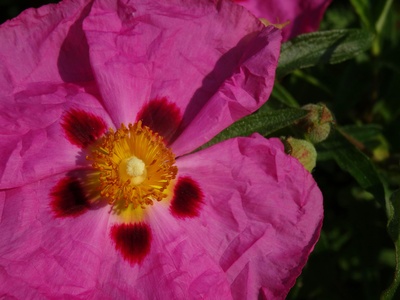
| Rockrose | Cistus salvifolius | Native | garigue, rocky soils, disturbed hillsides |
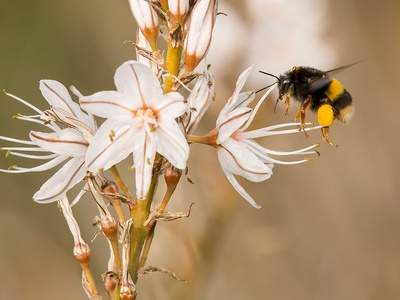
| Asphodel | Asphodelus ramosus | Native | fields, garigue and open grasslands |
| Sea Spurge | Euphorbia paralias | Native | sandy beaches, foredunes and coastal ridges |
| Sea Rocket | Cakile maritima | Native | sandy beaches and dune systems |
| Maltese Knapweed | Centaurea melitensis | Native | disturbed ground, arable margins and roadsides |
| Common Chicory | Cichorium intybus | Native | roadsides, fields and disturbed ground |
| Sea Lavender (common) | Limonium spp. | Native/Naturalized | salt flats, coastal rocks and sea cliffs |
| Mediterranean Spurge | Euphorbia dendroides | Native | rocky slopes, maquis and coastal garrigue |
Images and Descriptions

Maltese Centaury
Low rosette shrublet with dense silvery leaves and large purple flower-heads up to 6–8cm across. Flowers in spring. Very distinctive on exposed cliff tops; conservation icon of Malta, legally protected and limited to a few coastal sites.
Maltese Sea-Thrift
Compact tufted perennial with narrow grassy leaves and round heads of pink flowers in spring. Grows in thin soil on sea-swept cliffs. Small, hardy and unmistakable when in bloom; locally restricted and of conservation interest.
Maltese Sea‑lavender
Small perennial with clusters of papery lilac flowers on wiry stems in summer. Salt-tolerant and blooms for weeks. Found in specialized saline habitats; rare and important for coastal biodiversity and monitoring.
Neptune grass
Long ribbon-like leaves form dense underwater meadows on shallow seabeds. Year-round perennial seagrass crucial for marine life, sediment stabilisation and water clarity. Recognisable by large dead leaf wrack on beaches after storms.
Sea Daffodil
Elegant white, fragrant lily-like flowers on tall stalks in summer. Bulbous perennial adapted to shifting sand. Striking and iconic on dunes, now uncommon where beaches are disturbed; protected in many areas.
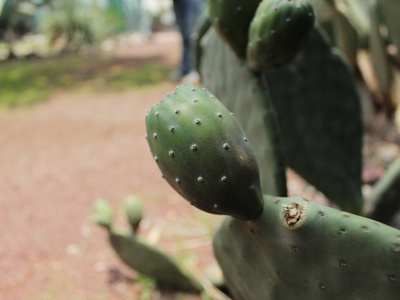
Prickly Pear
Flattened succulent pads with yellow flowers and edible orange-red fruits. Introduced historically; now naturalised in dry, rocky coastal habitats. Easily spotted and often used as informal hedges or shelter for wildlife.
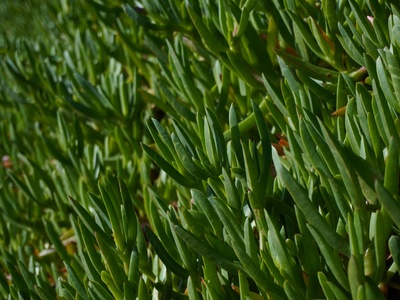
Hottentot‑fig
Sprawling succulent mat with bright pink to yellow daisy-like flowers in summer. Strongly invasive in places, outcompeting native dune plants. Common on roadsides and shores; identifiable by succulent leaves and large glossy fruits.
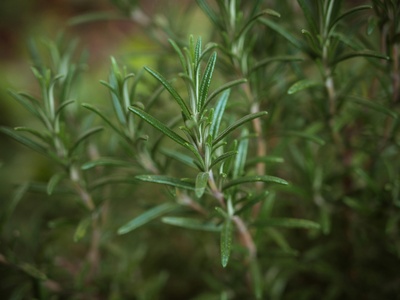
Rosemary
Fragrant evergreen shrub with needle-like leaves and pale blue flowers in winter–spring. Grows in dry, rocky ground and along paths. Aromatic, widely used in cooking; easy to recognise by scent and upright branching.
Conehead Thyme
Low woody shrub with aromatic, rounded clusters of purple-pink flowers in summer. Strong thyme-like scent and silver-green leaves. Common in dry limestone habitats; attracts bees and used traditionally as a culinary herb.
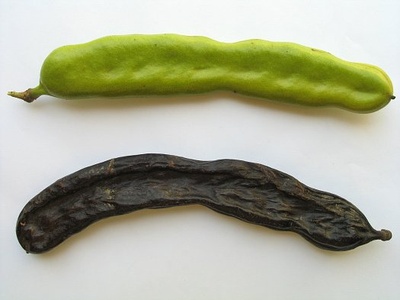
Carob
Robust evergreen tree with glossy pinnate leaves, dense crown and long pods ripening in autumn. Ancient Mediterranean species used for fodder and food; common in degraded woodlands and rural landscapes.
Mastic
Evergreen shrub or small tree with aromatic resinous leaves and red berries turning black. Forms dense scrub on limestone soils. Typical Mediterranean species providing shelter and winter food for birds.
Aleppo Pine
Fast-growing evergreen pine with grey bark and long slender needles. Occurs in planted stands and regenerating woodlands. Contributes to woodland cover but can alter native shrub communities when dominant.
Myrtle
Scented evergreen shrub with opposite glossy leaves, white star-like flowers in summer and dark berries. Common in sheltered valleys and scrubland. Recognisable by perfume when crushed; historically used for garlands and flavouring.
Rockrose
Low shrub with grey-green leaves and single white or pale pink papery flowers in spring. Tolerant of poor soils and drought. Early coloniser of open ground and fire-adapted Mediterranean species.
Asphodel
Erect perennial with tall stems bearing clusters of star-shaped white flowers in spring. Often seen in mass displays across open countryside. Bulbous base and long linear leaves at ground level help identification.
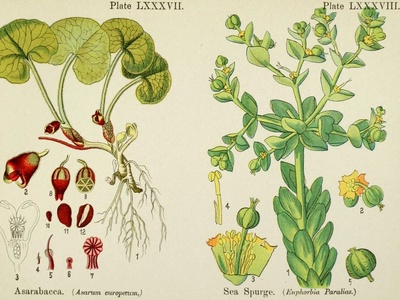
Sea Spurge
Erect perennial with glaucous succulent stems and yellowish cyathia in spring–summer. Pioneer dune species tolerant of salt spray. Distinctive milky sap and unique euphorbia flower structures aid ID.
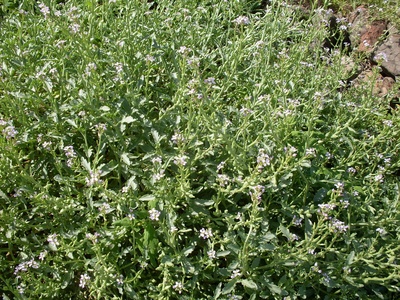
Sea Rocket
Low fleshy annual with lobed leaves and pink to white four-petalled flowers all summer. Pioneer of shifting sands, easily recognized by thick succulent leaves and segmented seed pods that aid dispersal by sea.
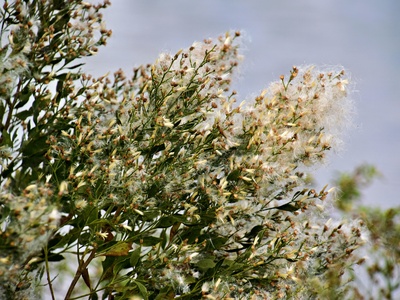
Maltese Knapweed
Branched annual with thistle-like flowerheads of yellow to purple tubular florets in spring. Common on waste ground and fields. Rough stems and winged scales on flowerheads help distinguish it from similar species.
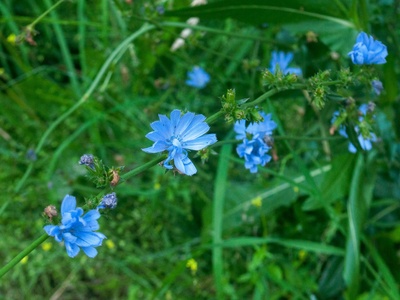
Common Chicory
Perennial often treated as annual with bright blue daisy-like flowers in late spring–autumn. Tall branched stems and deeply toothed basal leaves. Wild and cultivated forms both occur; edible leaves and roots historically used.
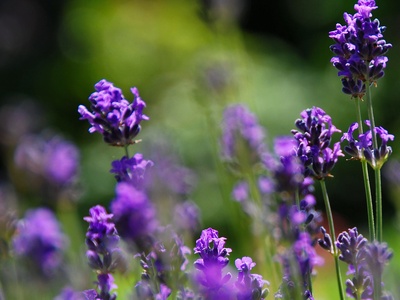
Sea Lavender (common)
Genus of salt-tolerant perennials with papery clustered flowers in shades of pink, purple or white in summer. Important for coastal flora; many species appear similar and occupy saline niches along shores.
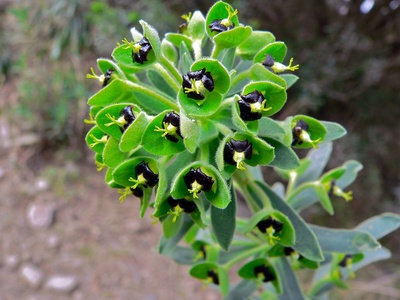
Mediterranean Spurge
Large bushy euphorbia with erect branched stems and showy yellow-green cyathia in spring. Can form dense stands on hillsides. Milky sap, swollen stems and seasonal flowering help with identification.