The 17th-century Spice Wars — and notably the 1621 Dutch conquest of the Banda Islands for control of nutmeg — helped make this archipelago central to global trade and shaped how the world first prized its plants. With more than 17,000 islands (officially 17,508), the region’s plant life ranges from giant canopy trees to tiny, island-endemic orchids, and those plants still matter for culture, climate and livelihoods today. This article looks at 15 standout species and groups that show why the tropical flora of indonesia matters: some are botanical oddities that attract researchers and tourists, others are timber giants or staple food sources, and many face conservation pressure that links ecology to local economies.
Spectacular and Unusual Blooms
Indonesia hosts some of the planet’s most extraordinary flowers and carnivorous plants, from blooms measured in metres to minute island endemics with quirky life histories. Their unusual morphologies draw scientific interest—pollination biology, chemical ecology and evolutionary studies—and they are a major ecotourism draw in places like Sumatra and Borneo. Many species occur only on a single island or in a specific habitat, so research, local guides and botanical gardens often work together to monitor populations. That relationship between conservation and tourism is delicate: rare blooms bring visitors and funding but also risk disturbance, so protecting the forest patches where they occur is essential.
1. Rafflesia arnoldii — the world’s largest single flower
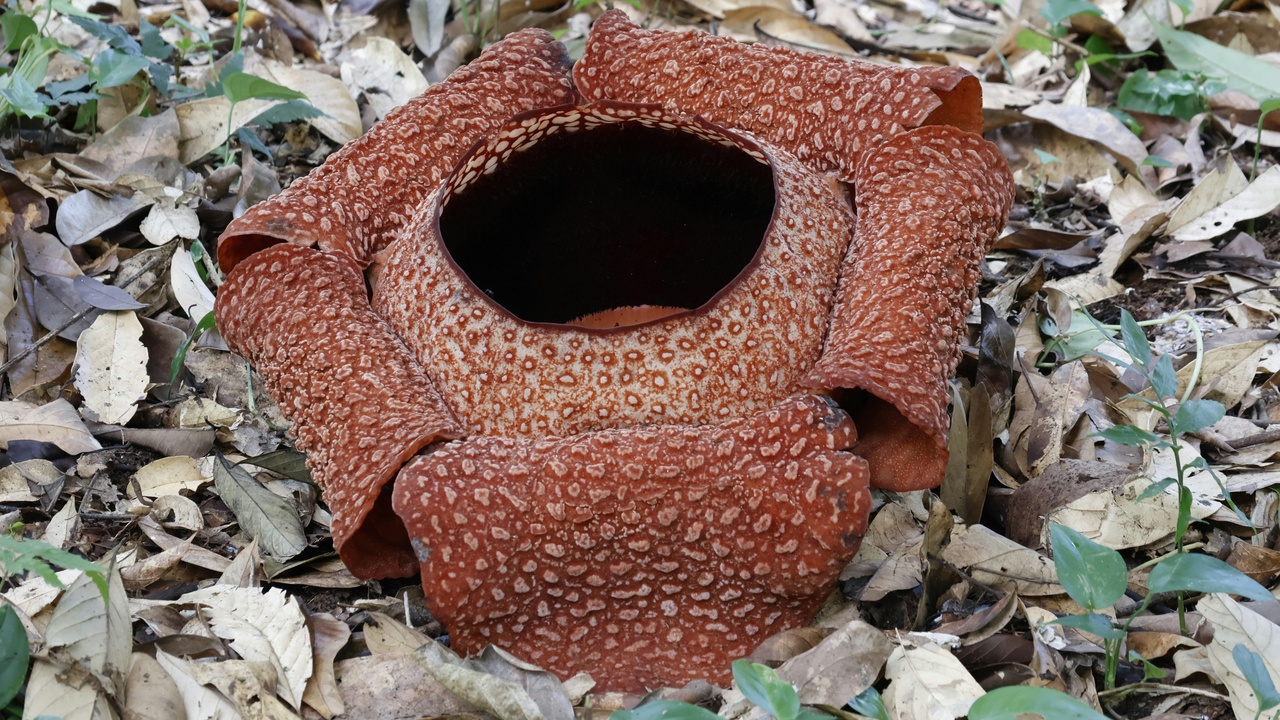
Rafflesia arnoldii produces the largest single flower on Earth, with blooms reaching roughly 1 metre across at full size. The bloom emits a strong carrion-like odor that attracts flies, its primary pollinators, and the plant is a holoparasite with no visible leaves, stems or roots above ground. In Sumatra, locations such as Kerinci Seblat National Park have recorded Rafflesia populations, and guided treks to view blooms support local ecotourism and awareness campaigns.
The species’ fragile life cycle and dependence on intact rainforest patches make it vulnerable to deforestation and fragmentation. Conservationists and university researchers in Indonesia monitor sightings and work with local guides to reduce trampling and illegal collection, using Rafflesia as an indicator of relatively undisturbed habitat.
2. Amorphophallus titanum (titan arum) — gigantic inflorescence of Sumatra
The titan arum produces the world’s tallest unbranched inflorescence, commonly reaching 2–3 metres in height when it blooms. Native to Sumatran rainforests, its flowering is unpredictable and episodic, and the inflorescence gives off a strong, rotting-meat scent to lure carrion beetles and flies.
Because blooms are rare, specimens attract huge public interest when shown in botanical gardens worldwide; those displays fund research into volatile compounds and pollination ecology. Indonesian reserves occasionally record wild blooms, and botanists study their phenology to better understand triggers for flowering.
3. Nepenthes pitcher plants — tropical carnivores adapted to nutrient-poor soils
Nepenthes are iconic carnivorous plants with pitcher-shaped traps that capture insects and sometimes small vertebrates, supplementing nutrients in poor soils. Indonesia hosts dozens of Nepenthes species, including island endemics found only on Mounts and ridges in Borneo, Sumatra and Sulawesi.
Nepenthes rafflesiana and related species are common in Borneo’s coastal and lowland habitats, while unique species occur higher on mountain slopes. Their ecology makes them subjects of studies on nutrient cycling, and horticultural demand has created tension between specialist growers and conservationists aiming to protect endemic populations from poaching.
4. Orchids (e.g., Vanda tricolor) — immense diversity and cultural value
Orchids are immensely diverse across the archipelago, with genera such as Vanda and Dendrobium richly represented and many species restricted to single islands or habitat types. Collectively, Indonesian orchids contribute to microhabitat complexity and are prized in horticulture and local culture.
Vanda tricolor appears on Java and Bali, and local orchid societies along with botanical gardens cultivate species ex situ to reduce pressure on wild populations. Overcollection and habitat loss threaten some species, so conservation programs often combine protected-area work with community outreach and cultivation training.
Forest Giants and Timber Species
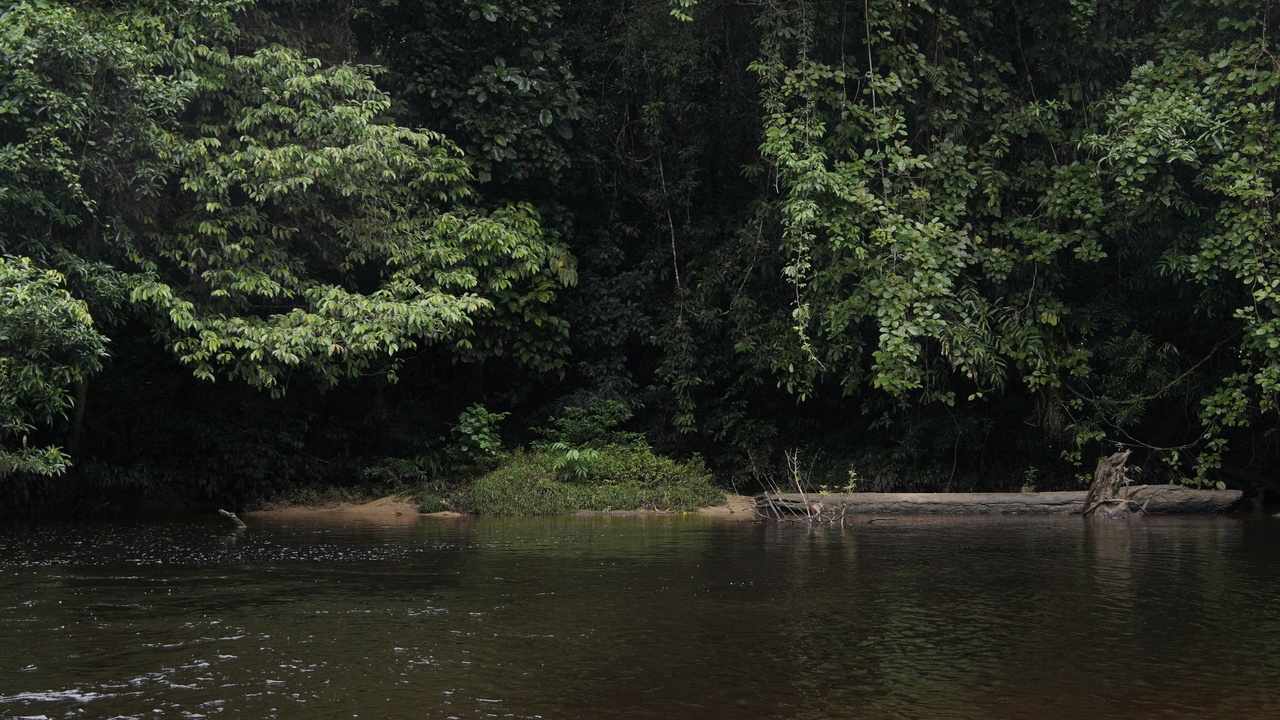
Large rainforest trees shape Indonesia’s landscapes, economies and biodiversity. Dipterocarps dominate many lowland canopies, creating tall, continuous forest that supports wildlife and stores carbon. Timber extraction—both historical and modern—has driven economic development, from 19th-century colonial teak plantations to contemporary plantation and certification schemes like Indonesia’s SVLK system. These species are ecologically central but increasingly threatened by logging, fire and conversion to agriculture.
5. Dipterocarps (Shorea spp.) — backbone of lowland rainforests
Dipterocarps such as Shorea species form the dominant canopy in large tracts of lowland forest in Borneo and Sumatra, often reaching towering heights and storing significant carbon in living biomass. They exhibit mast-fruiting cycles—synchronous mass seeding events—that drive wildlife population dynamics by providing abundant food intermittently.
Dipterocarps supply heavy hardwoods used in construction and furniture, making them central to timber industries. Logging pressure, both legal and illegal, has reduced old-growth stands, prompting sustainable management efforts and certification programs to balance timber production with forest conservation.
6. Tectona grandis (teak) — durable hardwood used globally
Teak is a high-value hardwood long favored for furniture and boatbuilding, and its plantation expansion in the late 19th century under Dutch colonial administration shaped land use in parts of Java and Sulawesi. Today commercial teak plantations supply export markets and local industry.
Modern certification and plantation practices aim to improve yields while reducing pressure on native forests, but plantations still represent a trade-off: they provide income and timber security but lack the biodiversity value of native dipterocarp forests.
7. Gonystylus bancanus (ramin) — a threatened source of fine timber
Ramin is a peat-swamp specialist known for its fine-grained timber; it once supplied furniture and specialty wood products but suffered heavy exploitation. Population declines led to international trade restrictions and CITES listings to curb overharvesting.
Because ramin is tied to peatland ecosystems, its decline signals broader peatland degradation and conversion. Conservation programs focused on peatland protection and controlled sourcing help both species recovery and the livelihoods of communities that previously relied on ramin extraction.
8. Eusideroxylon zwageri (ulin/ironwood) — dense, rot-resistant coastal timber
Ulin, or Bornean ironwood, is exceptionally dense and rot-resistant, historically used for piers, foundations and boat parts. Its slow growth and durability made it a favored material in coastal communities and for traditional architecture.
Today ulin is scarce in many areas, raising conservation concerns and making sustainable sourcing difficult. Surviving examples of stilt houses and maritime fittings illustrate its cultural importance while highlighting the need to protect remaining stands.
Food, Spices, and Cultural Plants
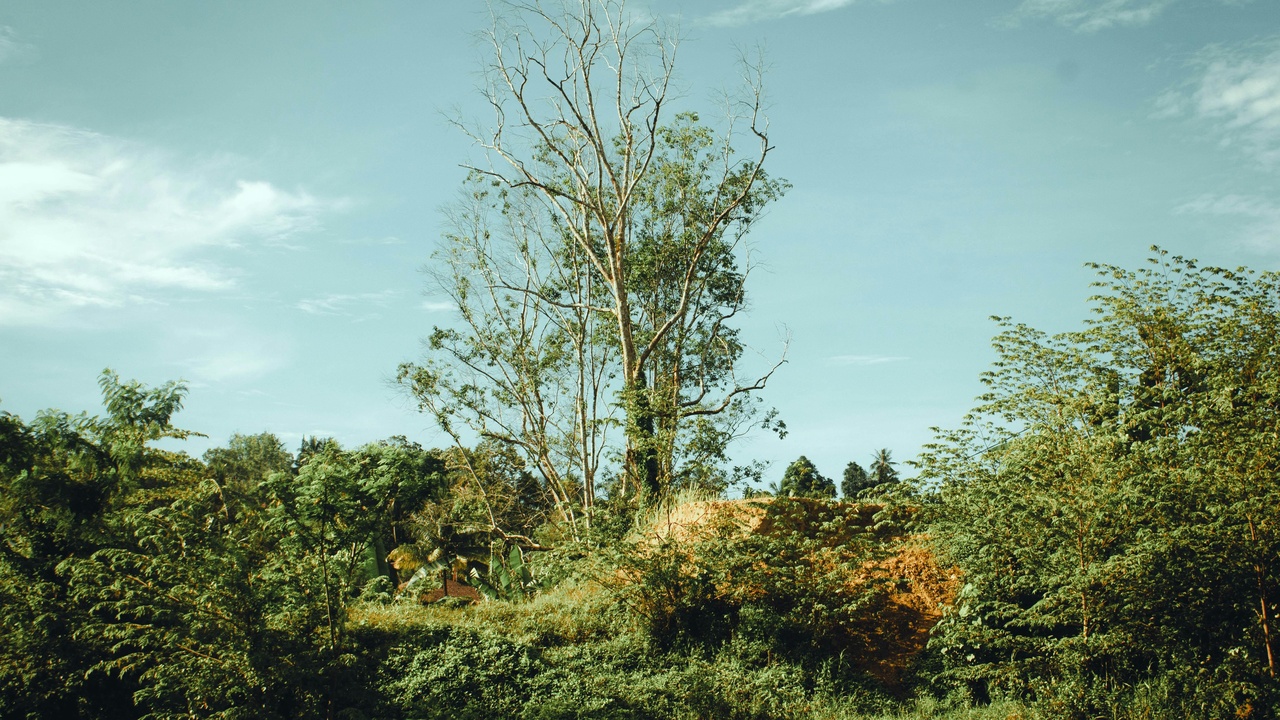
Plants underpin Indonesian cuisines, cultural rituals and global trade history. Spices like nutmeg and clove once made the Banda and Maluku islands the focus of European empires, while staples such as sago and coconut sustain local diets and livelihoods. These species connect historical events—including the 1621 Banda Islands episode—to contemporary markets and smallholder economies.
9. Myristica fragrans (nutmeg) — the Banda Islands’ historic export
Nutmeg originated in the Banda Islands and was so prized that control over its trade sparked the 17th-century conflict culminating in the Dutch conquest of Banda in 1621. The spice’s aromatic seed and mace have long been used in cooking, traditional medicine and in essential-oil production.
Today nutmeg cultivation in the Banda Sea region supports smallholder farmers who sell to domestic and export markets. Prices can fluctuate, and sustainable farming practices are promoted to maintain soil health and long-term yields.
10. Syzygium aromaticum (clove) — Maluku’s famous spice
Clove is another cornerstone of the Maluku spice economy and has deep cultural uses in Ambon, Ternate and other islands. The unopened flower buds are harvested, dried and used widely as a flavoring or in traditional remedies.
Smallholder clove producers contribute substantially to local livelihoods, and the crop remains embedded in ceremonies and regional cuisine. Land-use change and market shifts affect growers, so extension services and cooperative models help stabilize income.
11. Cinnamomum burmannii (cassia/cinnamon) — aromatic bark with wide uses
Cassia, often sold as cinnamon, is harvested for its aromatic bark and is produced in parts of Sumatra and Sulawesi. It appears in confectionery, spice blends and some traditional medicines and contributes to local trade networks and markets.
Compared with Ceylon (true) cinnamon, cassia has a stronger, more astringent flavor and remains an important agricultural product for many Indonesian growers and traders.
12. Garcinia mangostana (mangosteen) — prized fruit with cultural value
Mangosteen is beloved across Java, Sumatra and other islands for its sweet-tart flavor, and it features prominently in local markets and home gardens. Smallholder orchards provide fruit for local consumption and niche export markets where quality fruit fetches premium prices.
Regional cultivation practices favor shaded, mixed systems that sustain biodiversity while producing fruit, and mangosteen festivals or market days celebrate the fruit in some communities.
Coastal Specialists and Staple Palms
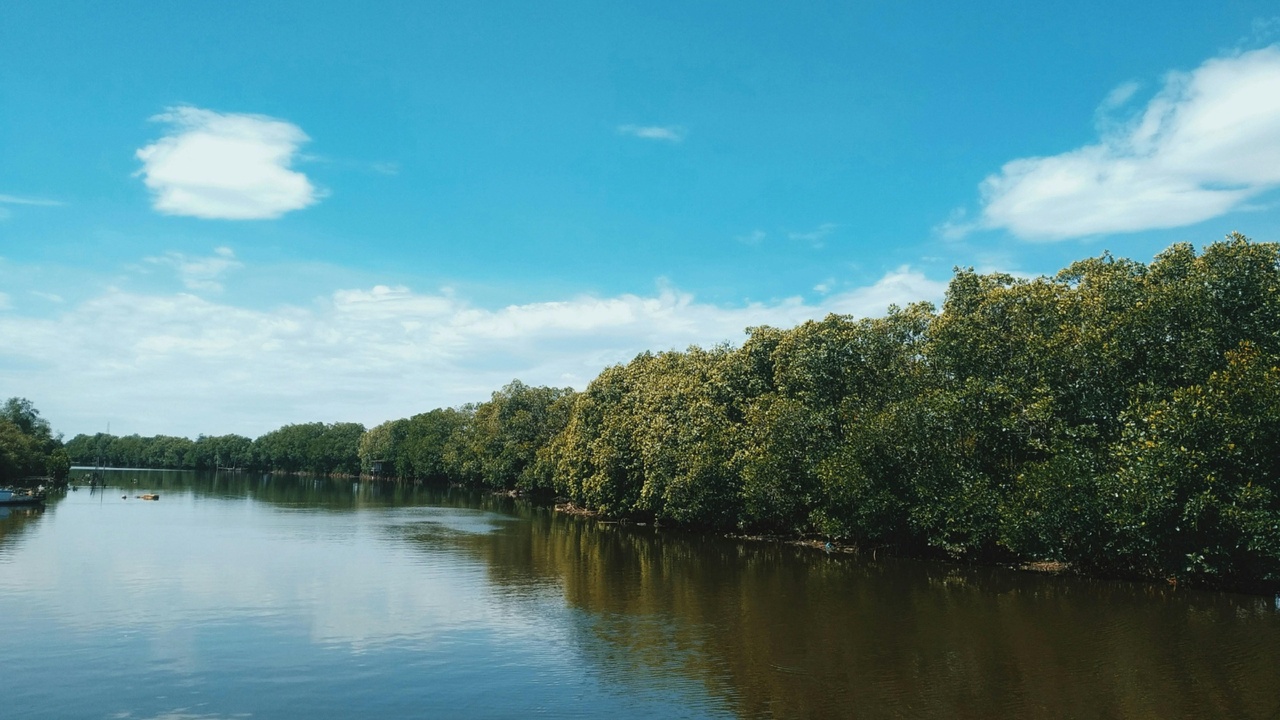
Coastal and island-adapted plants like mangroves, coconut and sago palms protect shorelines, support fisheries and supply staple foods. Mangrove forests trap sediment, reduce erosion and store what can be large amounts of coastal carbon, while coconuts and sago provide food security and income for many coastal communities.
13. Rhizophora mucronata (red mangrove) — shoreline guardian
Rhizophora species stabilize shorelines with characteristic stilt roots that trap sediment and dissipate wave energy, reducing erosion and buffering communities from storm surge. Mangrove stands also serve as nurseries for juvenile fish and crustaceans, supporting local fisheries.
Across Sumatra and Sulawesi, community-led planting and restoration projects have expanded mangrove cover, and some initiatives tap carbon finance to pay communities for protection efforts that enhance both biodiversity and coastal resilience.
14. Cocos nucifera (coconut) — the tree of life across the archipelago
The coconut palm is famously multipurpose: its fruit yields food, oil and fiber, while the trunk and leaves serve construction and craft uses. Coconut cultivation is widespread and often central to coastal household economies.
Village-scale processing of copra, household uses such as cooking and coconut-based products, and cultural roles in ceremonies make the palm integral to everyday life. Agroforestry systems frequently integrate coconuts with other crops to diversify income.
15. Metroxylon sagu (sago palm) — staple starch for eastern communities
Sago palm is a primary carbohydrate source in parts of eastern Indonesia such as Papua and the Maluku islands, where traditional processing turns trunks into a starchy flour used in breads and porridges. The process is community-centered and often central to food security in remote areas.
Maintaining sago landscapes matters for cultural continuity and nutrition, but land conversion to plantations and logging threatens access. Efforts to sustain sago production emphasize community rights and landscape-level planning.
Summary
- Indonesia’s plant life includes singular wonders—Rafflesia’s ~1 m blooms and titan arum inflorescences of 2–3 m—alongside immense forest trees that shape ecosystems and economies.
- The 1621 Banda Islands episode and the Maluku clove trade show how spices like nutmeg and clove tied local plants to global history and long-distance markets.
- Dipterocarps, teak and other timber species store carbon and fuel industries, yet face logging and land‑use pressures that demand better management and certification.
- Coastal species—mangroves, coconut and sago—provide shoreline protection, fisheries habitat and staple foods, with community restoration and sustainable practices offering tangible benefits.
- Supporting community-led conservation, choosing responsibly sourced wood and spices, and backing restoration projects help protect unique species and the people who rely on them.