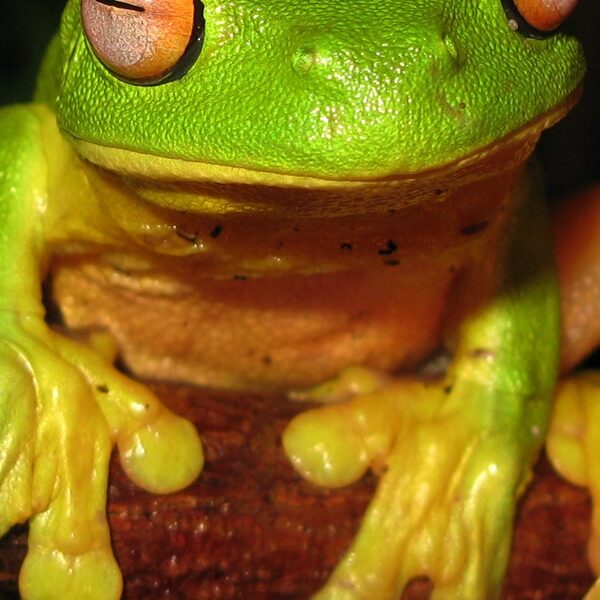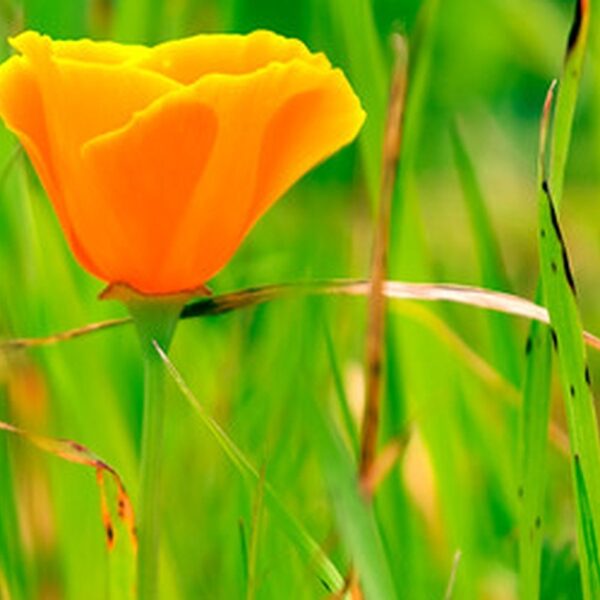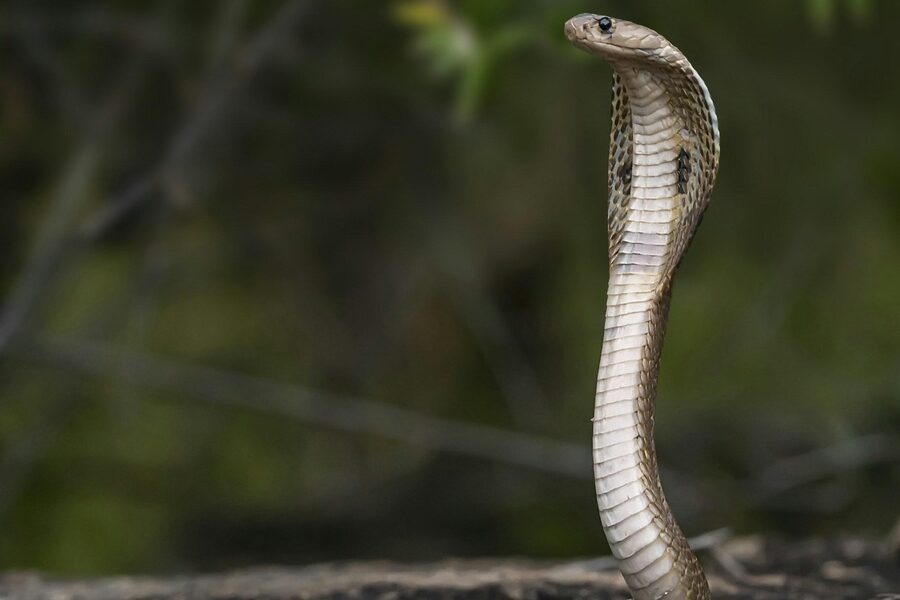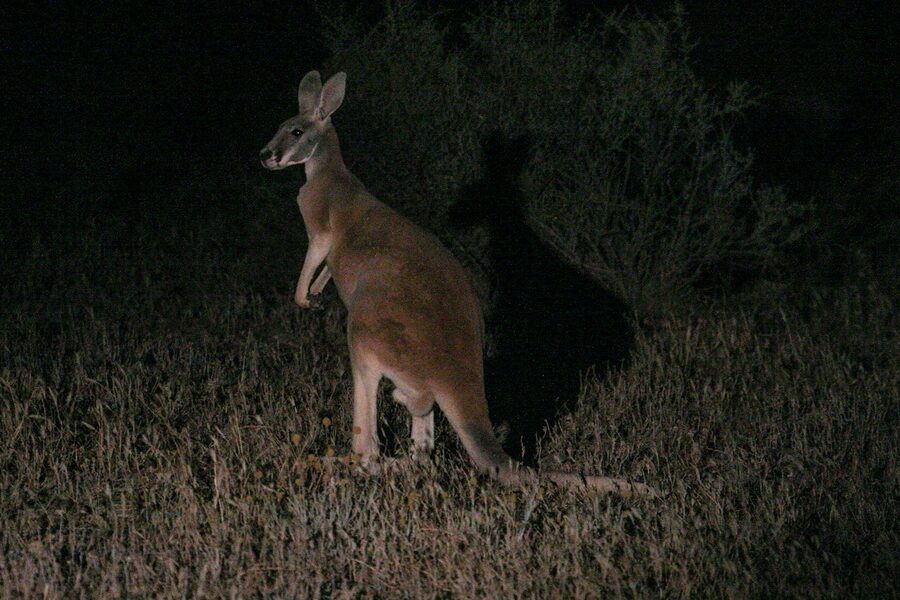
Yosemite’s valleys, meadows, and waterways support a wide mix of native species—and over time a number of non-native plants and animals have become established, altering habitats, competition, and management priorities.
There are 16 Invasive Species in Yosemite, ranging from the American bullfrog to Yellow starthistle. The list shows Scientific name, Origin (region), and Park locations for each entry so you can see identification and distribution at a glance—you’ll find below.
How do these invasive species affect Yosemite’s ecosystems?
They compete with native plants and animals for food and space, can prey on or hybridize with native species, and in some cases change fire behavior or water availability; for example, American bullfrogs eat native amphibians, while dense patches of Yellow starthistle crowd out native wildflowers and alter forage for wildlife.
What can visitors do to help prevent their spread?
Clean boots, pets, boats and gear before and after visiting, stay on designated trails, never release plants or animals into the park, avoid transporting firewood, and report unusual sightings to park staff so management can respond quickly.
Invasive Species in Yosemite
| Name | Scientific name | Origin (region) | Park locations |
|---|---|---|---|
| Himalayan blackberry | Rubus armeniacus | Europe/Western Asia | Yosemite Valley riparian areas and roadsides, lower elevations |
| English ivy | Hedera helix | Europe and Western Asia | Yosemite Valley developed areas, riparian corridors, shaded woodlands |
| Scotch broom | Cytisus scoparius | Western Europe | Lower-elevation slopes, meadows, roadsides, southern approaches |
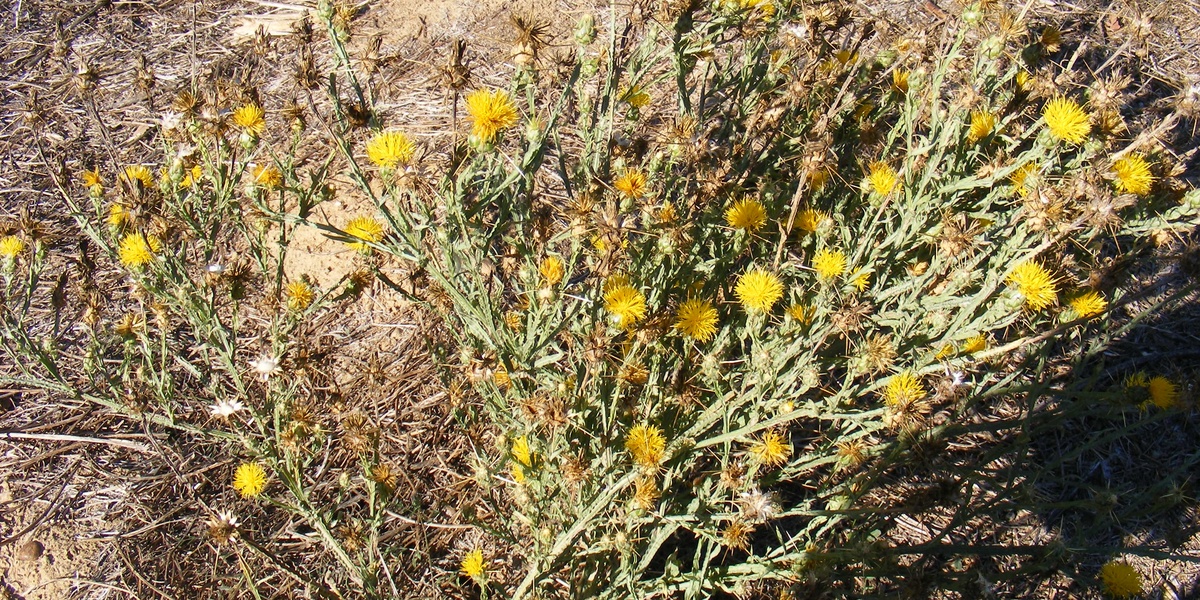
| Yellow starthistle | Centaurea solstitialis | Mediterranean Europe | Valley and foothill meadows, disturbed soils, roadsides |
| Cheatgrass | Bromus tectorum | Eurasia | Lower elevations, disturbed grasslands, meadows, roadsides |
| Medusahead | Taeniatherum caput-medusae | Eurasia | Foothill grasslands and meadows |
| Common reed (non-native lineage) | Phragmites australis (Eurasian lineage) | Eurasia | Valley wetlands and marshes along Merced River |
| Tree-of-heaven | Ailanthus altissima | China/East Asia | Roadsides, disturbed sites, Yosemite Valley |
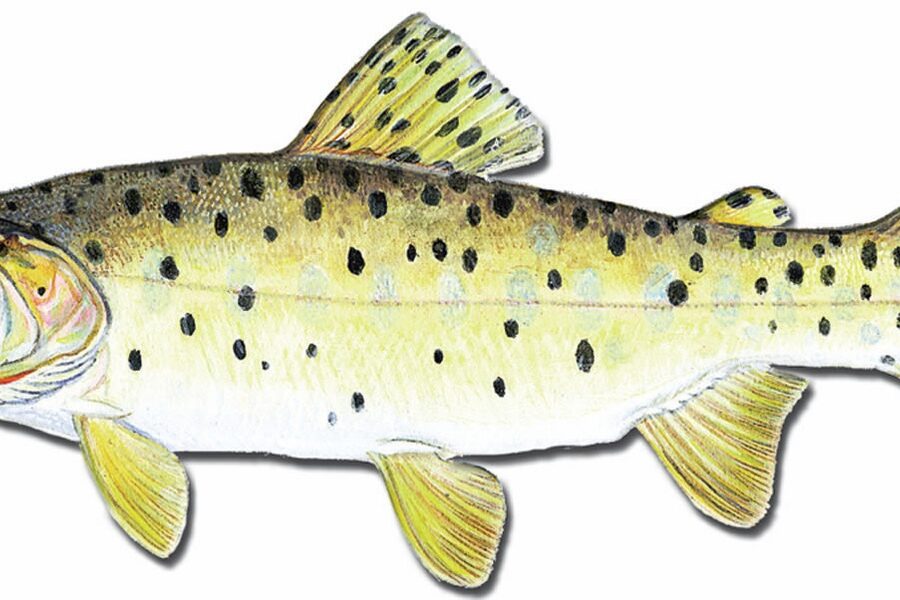
| Brown trout | Salmo trutta | Europe | Rivers and stocked high-elevation lakes across park |
| Brook trout | Salvelinus fontinalis | Eastern North America | High-elevation lakes and streams where historically stocked |
| American bullfrog | Lithobates catesbeianus | Eastern North America | Valley ponds, lowland wetlands, selected reservoirs |
| Argentine ant | Linepithema humile | South America | Yosemite Valley developed areas, campgrounds, landscaped areas |
| European starling | Sturnus vulgaris | Eurasia | Yosemite Valley, campgrounds, developed areas |
| House sparrow | Passer domesticus | Eurasia | Valley and developed areas |
| Chytrid fungus | Batrachochytrium dendrobatidis | Likely Asia/Global spread | Amphibian populations in lakes and streams across elevations |
| White pine blister rust | Cronartium ribicola | Asia/Europe (introduced) | High-elevation whitebark and five-needle pines |
Images and Descriptions
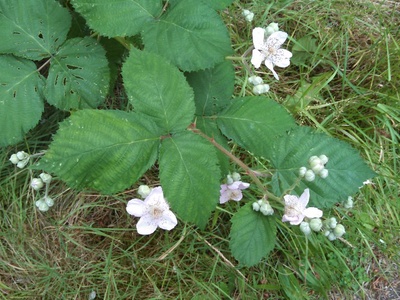
Himalayan blackberry
Dense thorny canes form impenetrable thickets that crowd out native plants, alter streambanks, and impede trail access. Introduced from Eurasia, it reduces biodiversity. Park crews use cutting, targeted herbicide, and revegetation to control infestations.
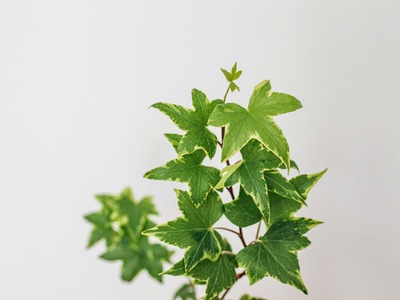
English ivy
Climbing evergreen vine that smothers trees, damages structures, and suppresses native understory. From Europe, it forms mats that reduce native regeneration and increase tree fall. Managers remove vines manually and apply spot herbicide in sensitive stands.
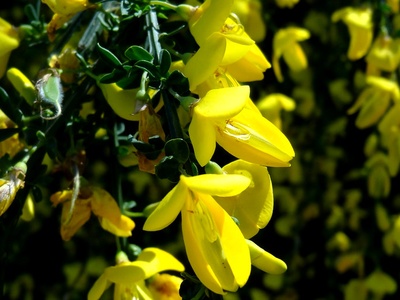
Scotch broom
Nitrogen-fixing shrub that invades open sites, forming dense stands that displace native plants and alter fire and soil conditions. From Europe, it spreads by seed. Control includes cutting, pulling, prescribed burns, and herbicide treatments.
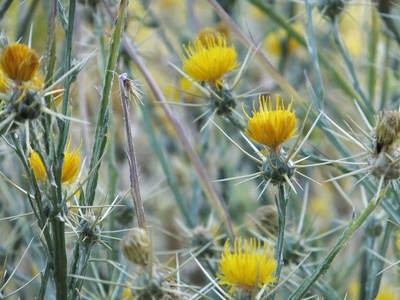
Yellow starthistle
Spiny biennial that forms dense, impenetrable stands, reducing forage value, biodiversity, and native wildflowers. Introduced from the Mediterranean, it interferes with recreation and wildlife. Management uses mowing, targeted herbicide, and biological control where appropriate.
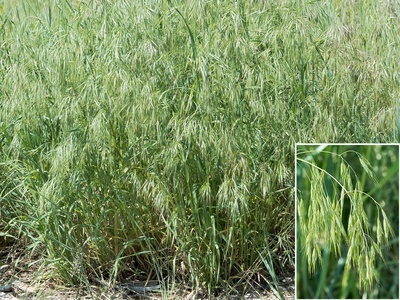
Cheatgrass
Annual grass that dries early, increasing fire frequency and outcompeting native perennials. From Eurasia, it fuels more frequent, hotter fires and degrades habitat. Park actions emphasize early detection, targeted herbicide, and native reseeding.
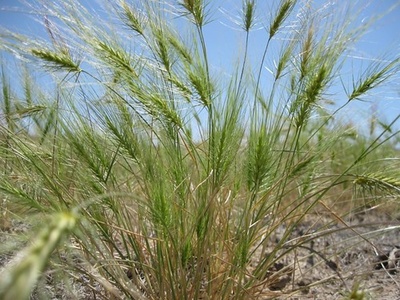
Medusahead
Invasive annual grass that forms dense thatch, displacing native grasses and increasing fire risk. From Eurasia, it reduces forage and biodiversity. Management focuses on removal of seed sources, herbicide, and revegetation with native species.

Common reed (non-native lineage)
Aggressive reed forming dense monocultures that displace native wetland plants, alter hydrology, and reduce habitat quality. Eurasian lineage spreads rapidly. Control includes mechanical removal, targeted herbicide, and wetland restoration.
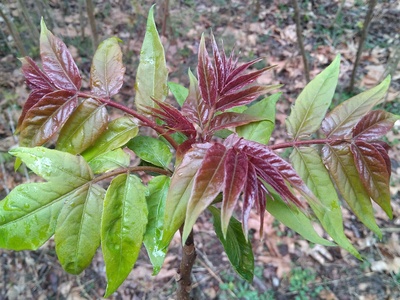
Tree-of-heaven
Fast-growing tree that sprouts prolifically and outcompetes natives, forming thickets from root suckers and abundant seed. Introduced from Asia, it alters successional dynamics. Management uses cut-stump herbicide, removal, and follow-up monitoring.
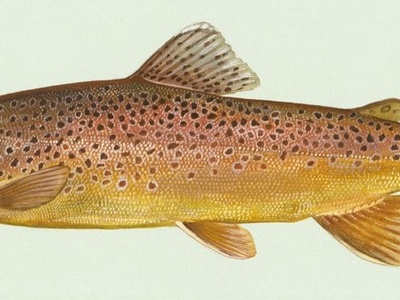
Brown trout
Introduced game fish that predate native amphibians and compete with native fish, altering aquatic food webs. From Europe, stocks established widely. Park management includes selective removal, angler encouragement, and removal from priority lakes to protect native species.
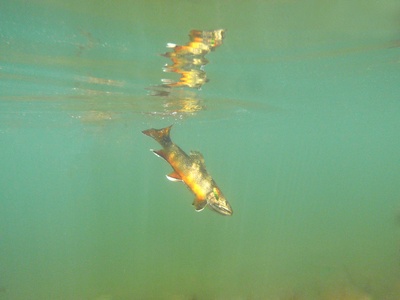
Brook trout
Non-native trout introduced for sport fishing that prey on mountain yellow-legged frogs and other native fauna. Established in alpine lakes, they are removed via netting, draining, or piscicide to restore native amphibians.
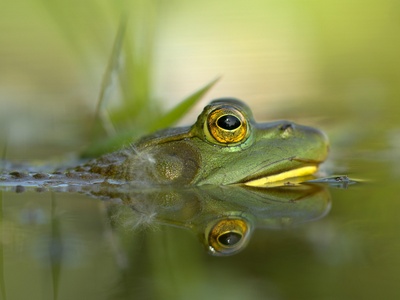
American bullfrog
Large, voracious frog that eats native amphibians and spreads disease (chytrid). Introduced from the eastern U.S., it competes with and preys on native frogs. Managers trap, remove, and drain or treat ponds to reduce populations.
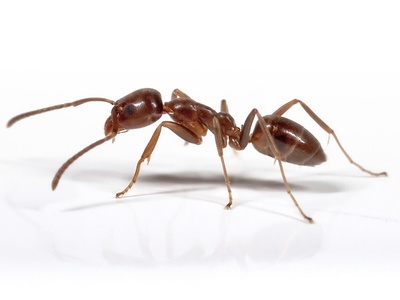
Argentine ant
Small invasive ant that displaces native ant communities, disrupts seed dispersal and other mutualisms, and visits human food sources. From South America, forms supercolonies. Control relies on sanitation, baiting, and limiting honey sources.
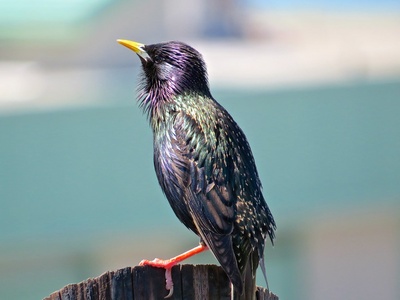
European starling
Aggressive cavity-nesting bird that competes with native cavity nesters for sites and can spread invasive plant seeds. Introduced from Europe, it forms large flocks. Management includes nest removal, exclusion, and public feeding restrictions.
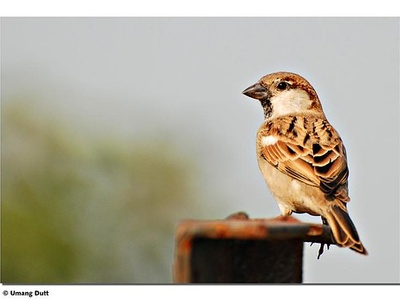
House sparrow
Small non-native bird that competes for nest cavities, can displace native songbirds, and helps spread invasive plant seeds. From Europe, established in developed park areas. Managers use exclusion, nest removal, and education to reduce impacts.
Chytrid fungus
Amphibian pathogen causing chytridiomycosis and major declines in frog populations, including mountain yellow-legged frogs. Spread globally via amphibian movement. Management emphasizes disease surveillance, decontamination protocols, and captive breeding/reintroduction.
White pine blister rust
Non-native fungal pathogen that infects and kills white pines, altering high-elevation forest composition and wildlife habitat. Introduced from Eurasia, it reduces cone production and tree survival. Management includes monitoring, sanitation, and breeding for resistant trees.