In the early 20th century, a series of botanical surveys on the Korean Peninsula cataloged thousands of temperate species—but many familiar garden favorites have deep cultural roots and practical uses.
Temperate plants matter in South Korea for three clear reasons: they form the backbone of forest ecosystems, they support rural livelihoods through timber, nuts and herbal products, and they shape cultural life from spring festivals to everyday landscaping.
Roughly 64% of South Korea is forested, and the flora of South Korea includes about 4,000 native vascular plants (National Institute of Biological Resources; Korea Forest Service), so these species are both abundant and diverse.
This piece profiles eight representative temperate species and groups to show ecology, cultural uses, and conservation context. Each example includes natural history, human uses, and an eye toward threats and stewardship.
Forest and Woodland Giants
Canopy-forming trees govern light, microclimate, and carbon storage in Korea’s temperate forests, and they create the structural habitat that understory plants and wildlife need.
Large species also supply timber and edible seeds—pine nuts and specialty woods that support local markets and reforestation programs (Korea Forest Service). Their trunks and crowns shape soils, moisture retention and the diversity of ground-layer flora.
Below are two iconic canopy species that illustrate ecological importance and human value: one prized for its nuts and wood, the other for mountain ecology and horticulture.
1. Korean Pine (Pinus koraiensis)
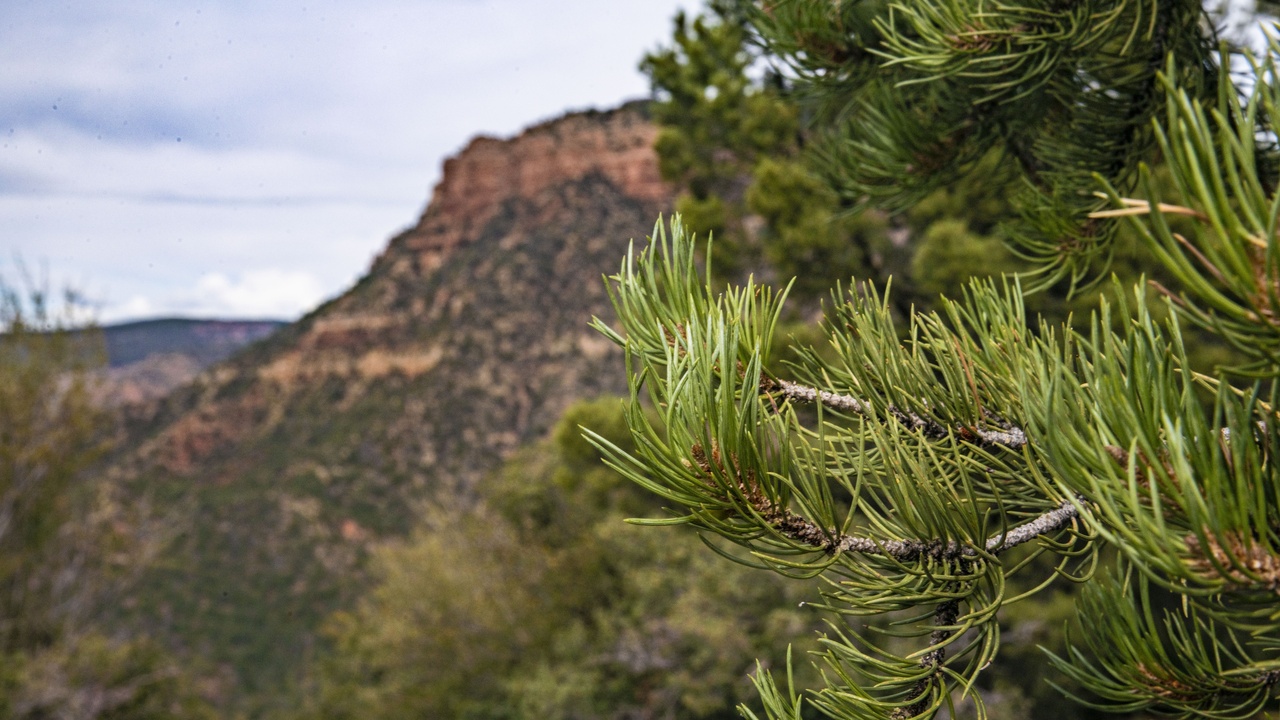
The Korean pine is a slow-growing, long-lived conifer that can reach 30–40 m in height and live for several hundred years, forming mixed stands across northeastern Asia including the Korean Peninsula (Korea Forest Service).
Its large cones produce edible pine nuts that are a traditional food and a modern commercial product; pine-nut harvests provide seasonal income for mountain communities and appear in local markets and confectionery recipes.
Wildlife depend on cones and seeds: birds and small mammals disperse them, while the trees’ thick canopy moderates temperatures for understory herbs and shrubs. The species is used in reforestation and selective timber programs, and community cooperatives often manage small-scale nut collection to balance income with regeneration.
For exact figures on harvest volumes and market value, consult Korea Forest Service reports and regional academic surveys that document local pine-nut trade and sustainable harvesting practices.
2. Korean Fir (Abies koreana)
Abies koreana is a compact, high-elevation fir commonly 10–20 m tall, found on higher Korean peaks often above roughly 800–1,400 m where cool, moist conditions prevail (Korea National Arboretum).
Its purple ornamental cones and dense habit make it popular in gardens and bonsai, and nurseries in Korea and abroad propagate specimens for the horticultural trade. At the same time, populations on isolated mountaintops can be sensitive to warming temperatures and changing snow patterns.
Conservation attention focuses on monitoring remnant stands, ex-situ collections in botanical gardens, and nursery propagation for restoration. Korea National Arboretum and mountain park managers publish distribution records and cultivation protocols for the species.
Medicinal and Economic Plants
Temperate understory plants and cultivated herbs supply medicines, supplements and income for rural communities. Korea’s long traditions of herbal medicine are now linked to modern pharmacology, certification systems, and export markets.
Cultivation versus wild-harvest is a recurring theme: farms produce consistent, traceable crops, while wild collection can fetch premium prices but raises sustainability concerns. Regulation and quality-control programs (e.g., private firms and government testing) affect both supply and consumer trust.
Two examples show the range from high-profile cultivated exports to understory shrubs used in local remedies and research.
3. Korean Ginseng (Panax ginseng)
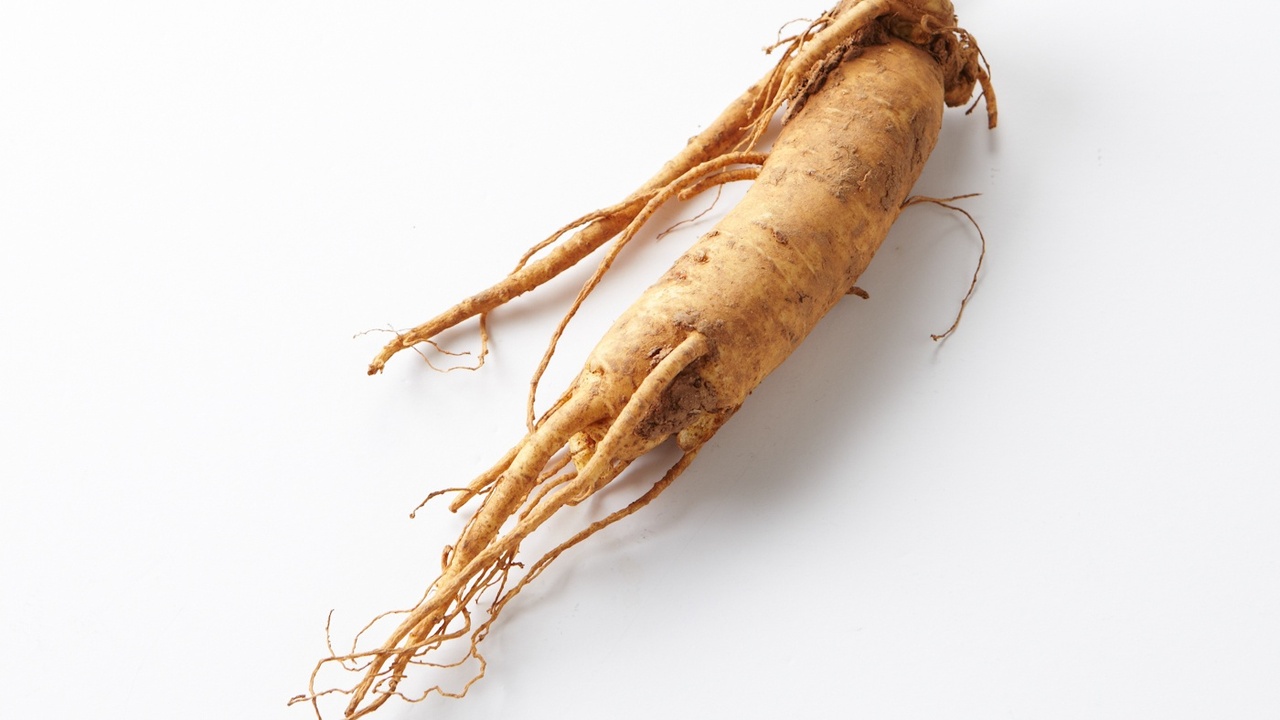
Panax ginseng is arguably Korea’s best-known medicinal plant, cultivated for centuries for its reputed energy- and immunity-supporting properties and now sold as roots, extracts and capsules worldwide (Korea Ginseng Corporation).
Cultivated ginseng is typically grown under shade systems and harvested after 4–6 years; longer-grown roots command higher prices. Farms, cooperatives and large processors (including Korea Ginseng Corporation) produce standardized extracts and export them—consult Korea Customs Service for exact trade values.
Wild ginseng is rarer and often protected; certification schemes and genetic-testing labs help distinguish wild-harvested from cultivated stock. Conservation measures include habitat protection, regulated collection seasons, and community-led monitoring of wild populations.
4. Asian Cornelian Cherry (Cornus officinalis) and understory medicinal shrubs
Cornus officinalis is an understory shrub used across East Asia for its fruits and medicinal properties; traditional texts list its use for hundreds of years, and modern studies have isolated multiple bioactive compounds.
Locally, fruits and extracts appear in herbal markets and small-scale production; regional herbalists prepare tinctures and teas using established methods. Pharmacological studies continue to identify constituent compounds—dozens have been reported in peer-reviewed work—linking traditional use to modern inquiry.
Cultivation of Cornus and similar shrubs in mountain villages provides supplementary income while reducing pressure on wild stands. For precise compound counts and activity data, consult peer-reviewed pharmacology papers and the National Institute of Biological Resources.
Endemics and Conservation Priorities
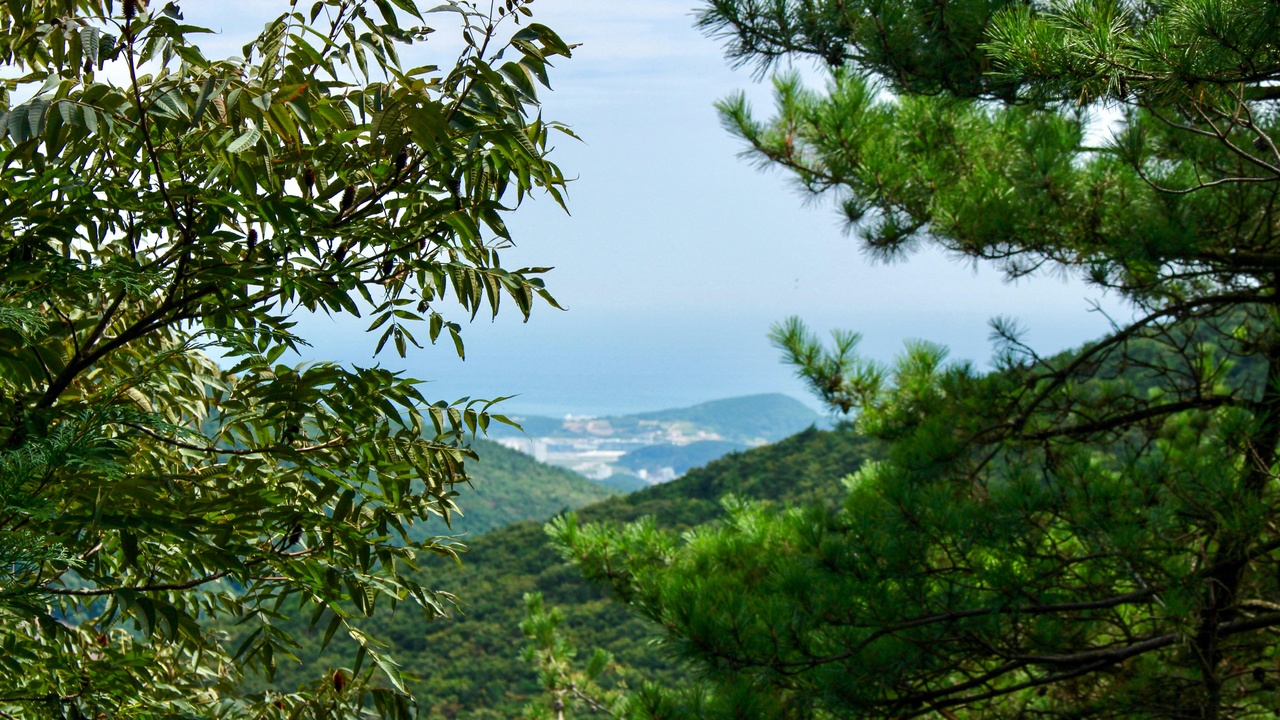
South Korea hosts about 4,000 native vascular plant species, and a meaningful subset are endemic or narrowly distributed—often confined to specific mountain ranges like Jirisan or Hallasan (Ministry of Environment; Korea Red List).
Endemics and range-restricted species are conservation priorities because habitat loss, invasive plants and climate shifts can rapidly shrink their populations. Protected areas, seed banks and targeted restoration are key tools used by agencies and NGOs.
Two species illustrate a contrast: a widely admired native shrub used in horticulture, and a maple whose fragmented habitat raises concern and active conservation responses.
5. Royal Azalea (Rhododendron schlippenbachii)
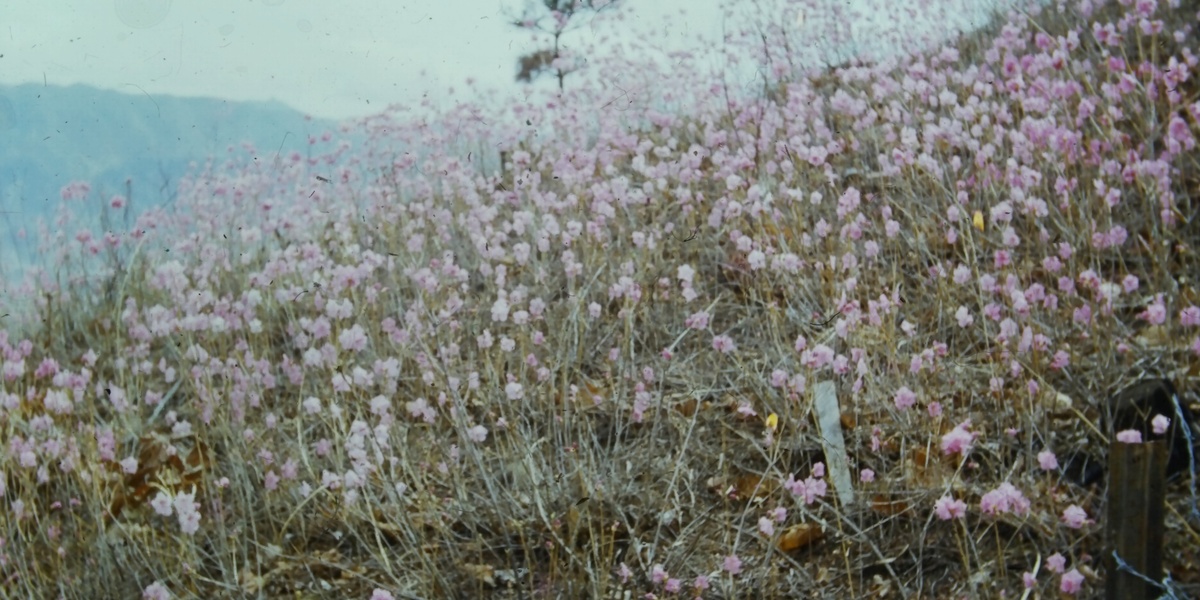
Rhododendron schlippenbachii is a spring-blooming shrub that colors temperate slopes with pink-and-white flowers, typically blooming in April–May depending on elevation and latitude.
The plant enjoys cultural prominence—local azalea festivals on mountains and in towns can draw 10,000–50,000 visitors during peak bloom seasons, supporting small businesses and ecotourism (municipal tourism boards report varying attendance by venue).
Nurseries propagate native azaleas for restoration and garden use, and many temple and park landscapes favor them for seasonal display. Conservation groups sometimes use propagated stock in understory restoration projects to rebuild native plant communities.
6. Korean Maple (Acer pseudosieboldianum) — threatened habitats
Acer pseudosieboldianum is prized for brilliant fall color and grows in northern and higher-elevation sites; however, fragmented forests and shifting climate zones have reduced suitable habitat in parts of its range.
Urban and municipal plantings sometimes favor this maple for shade and street-tree programs, which also serves an indirect conservation role by maintaining local genetic stock in ex-situ settings.
Conservation responses include seed banking, propagation in botanical gardens, and targeted planting in corridors to reduce fragmentation. For formal status and regional trends, consult Korea’s Red List and Ministry of Environment assessments.
Ornamental, Cultural, and Everyday Plants
Many temperate species shape everyday life in Korea: flowering trees in streets, native shrubs in temple gardens, and wildflowers that brighten roadsides. These plants offer aesthetic, psychological and ecological benefits for city dwellers.
Native plants are increasingly used in landscaping and environmental education, and community plantings and botanical-garden exhibits help teach identification and stewardship. Their predictable bloom times—spring through autumn—structure seasonal cultural events.
Below are two common uses: cultural landscapes built around rhododendrons and azaleas, and the modest wildflowers that sustain pollinators and local flower markets.
7. Korean Rhododendron and Azaleas in Cultural Landscapes
Rhododendrons and azaleas headline spring aesthetics across parks, temple grounds and mountain trails, typically blooming from April into May in lower elevations.
Well-known festivals—such as regional azalea festivals on mountains like Yeoninsan or in towns that celebrate the bloom—draw local and visiting crowds and boost small businesses. Nurseries propagate native varieties for parks and private gardens.
These plantings support ecotourism and local economies while encouraging native-plant gardening and volunteer-led maintenance of public spaces. Municipal tourism boards often publish festival schedules and attendance figures for specific events.
8. Wildflowers of Meadows and Roadsides (e.g., Primula, Wild Chrysanthemums)
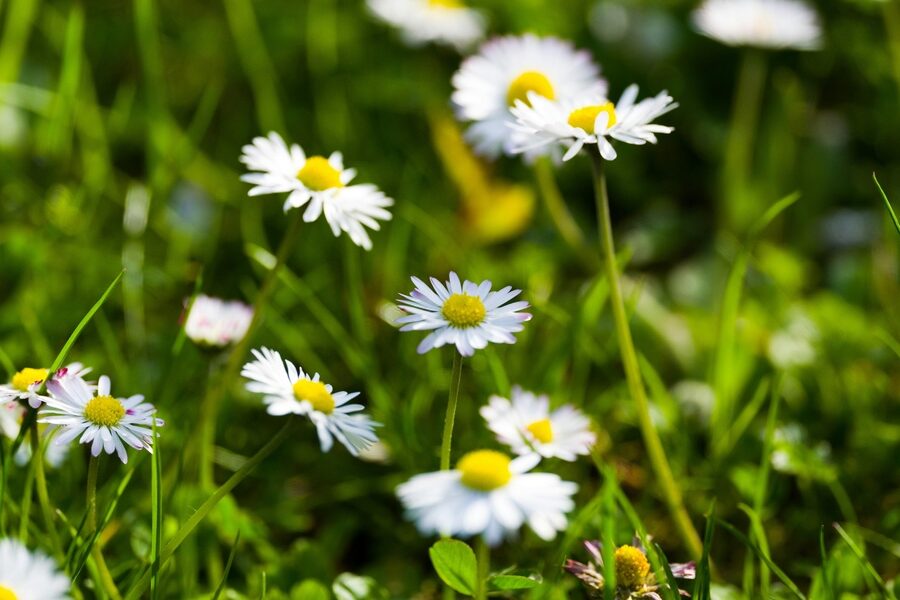
Common meadow and roadside species—Primula, wild chrysanthemums and similar forbs—pepper fields and verges from spring through autumn and provide nectar and pollen for bees and butterflies.
These plants feature in community restoration projects and pollinator-friendly gardening; restored roadside plots can show measurable increases in pollinator visits in the first few seasons (local ecological studies report positive responses within 1–3 years).
Small-scale cut-flower markets and seasonal roadside stalls sell bunches of native blooms, supporting informal rural incomes. Encouraging native meadows along corridors is a low-cost way to enhance biodiversity in urbanizing landscapes.
Summary
- Temperate canopy species—like Korean pine and fir—structure forests, store carbon, and provide timber and pine nuts for communities (Korea Forest Service).
- Medicinal plants such as Korean ginseng support culture and commerce; cultivation (4–6 years to harvest) reduces pressure on wild populations while wild stock remains culturally prized.
- Endemics and range-restricted species—often tied to mountain ranges—need targeted protection through protected areas, seed banks and botanical-garden collections (Ministry of Environment; Korea Red List).
- Ornamental and roadside natives boost urban well-being and pollinator habitats; community plantings and festivals translate botanical richness into local economic benefit.
- Actions readers can take: buy sustainably sourced ginseng and pine nuts, visit protected areas and botanical gardens responsibly, and support native-plant restoration in local projects.