A 19th-century naturalist watched, baffled, as a small lizard scaled a polished oil lamp at night, clinging as if by invisible hooks. That surprising sight helped launch decades of study into how geckos move, hide, and endure in so many places.
You might care because geckos help control pests around homes, make popular and long-lived pets, and have inspired real-world inventions like reusable adhesives and soft robots. They also serve as simple ecological indicators: a sudden absence or boom in local geckos can tell you something about habitat change.
This piece groups 10 key traits into three areas—physical adaptations, behavior and ecology, and physiology plus human connections—and explains what each trait means for survival and for people. Here are 10 characteristics of a gecko, laid out so you can spot why each one matters.
Physical adaptations
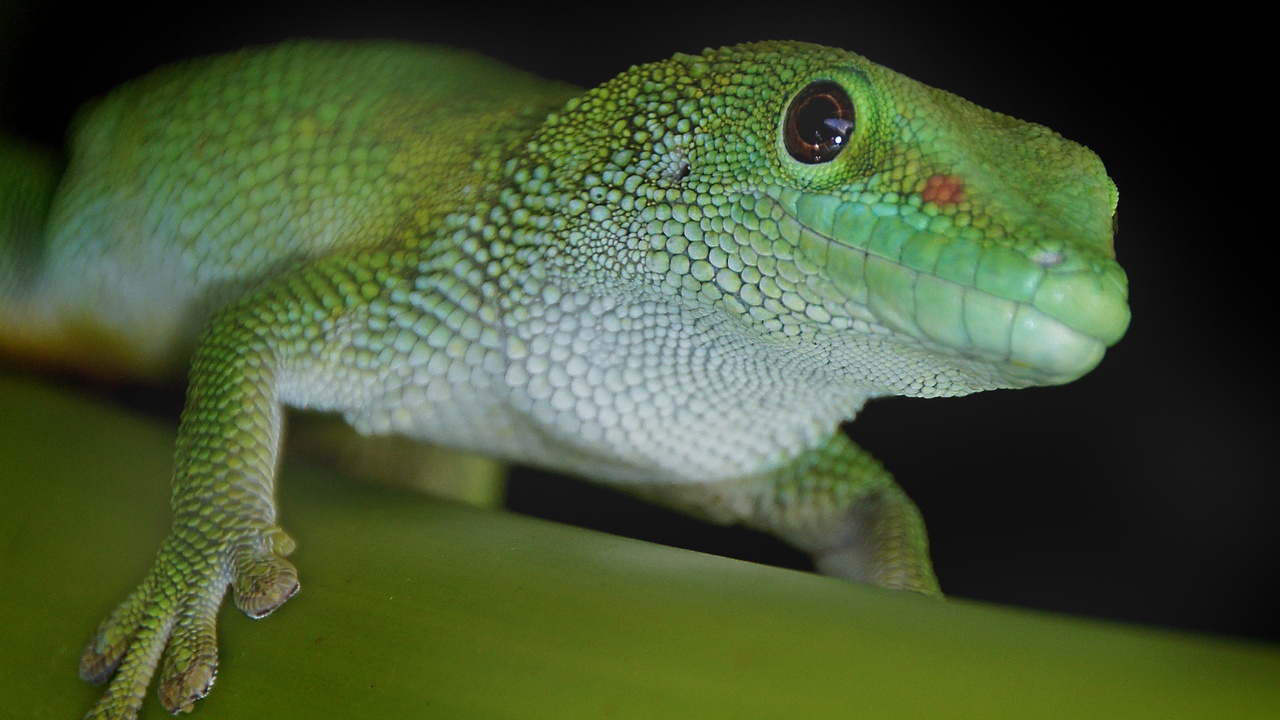
Geckos are a hugely diverse group—roughly 1,500–2,000 species worldwide—and their bodies reflect the many places they occupy. Feet, skin, eyes and tails are tuned to climbing, camouflage, nocturnal hunting and niche specialization.
Those structural traits haven’t just solved ecological problems for geckos; engineers study them, too. From the powerful Tokay climber to species that lack adhesive pads, gecko anatomy has led to products such as Stanford’s Geckskin that mimic attachment without glue.
1. Adhesive toe pads for remarkable climbing
Many geckos stick to smooth vertical surfaces thanks to specialized toe pads made of parallel lamellae covered in millions of microscopic setae. Those tiny hairs create intimate contact with surfaces and rely on intermolecular (van der Waals) forces, not suction or sticky secretions.
Strength varies by species: the Tokay gecko (Gekko gecko) can support impressive loads on glass, while species like the leopard gecko (Eublepharis macularius) lack adhesive pads and use claws instead. Practical outcomes include natural pest presence in homes and human-made reusable adhesives inspired by geckos.
2. Skin texture, coloration, and camouflage
Gecko skin ranges from smooth to tuberculate and supports camouflage, thermoregulation and moisture balance. Patterns and textures match habitats: bark-like mottling in forest species, sandy tones in deserts, and bold colors in island or display species.
Some, like leaf-tailed geckos (Uroplatus spp.), are masters of concealment against bark or leaves, while crested geckos (Correlophus ciliatus) show striking patterns used in the pet trade. Regular shedding—every few weeks to months depending on growth—removes parasites and allows healthy skin renewal.
3. Large eyes and low-light vision
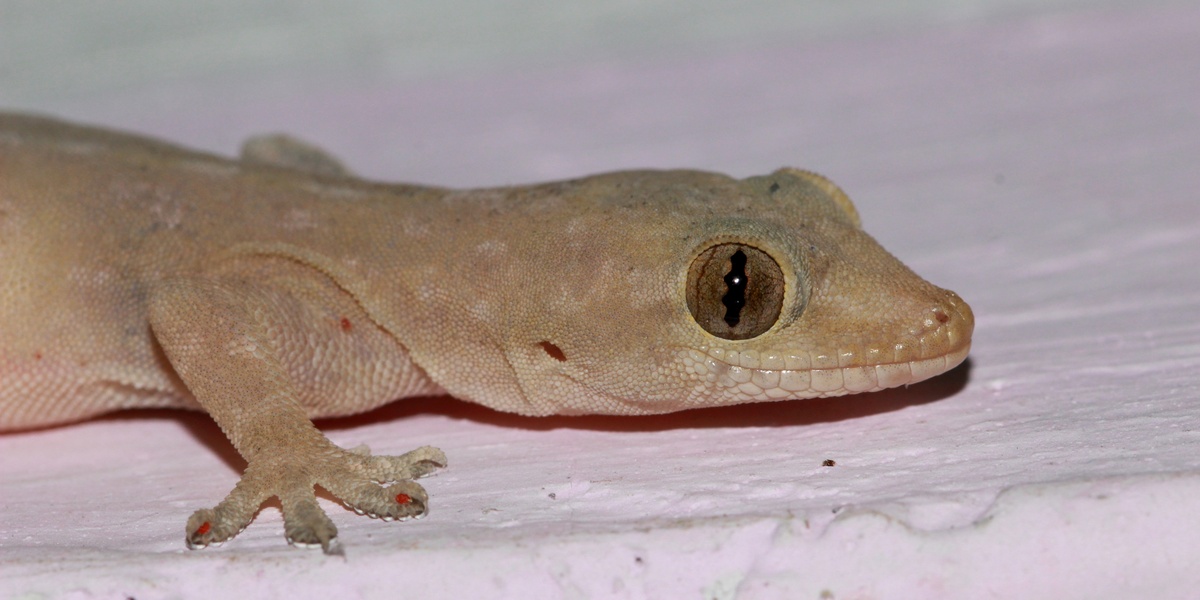
Many geckos are nocturnal and have eyes built for dim conditions: large eyes, vertically slit pupils in several species, and high photoreceptor densities. A number of geckos even retain some color vision at twilight, which helps when hunting insects by sight.
Eye coverings differ, too. Most species lack movable eyelids and instead keep a transparent spectacle scale over the eye that they clean with the tongue. Eyelid-bearing groups like the Eublepharidae (leopard geckos) offer a clear contrast in eye anatomy and care behaviors.
4. Tail functions: balance, fat storage, and display
Tails serve multiple jobs: they provide balance when climbing, act as fat stores in species such as leopard geckos, and work as visual signals during social encounters. Tail shape and size reflect lifestyle—prehensile tails in arboreal species, stout tails in burrowers.
When threatened many geckos will drop the tail (autotomy) to distract predators; the lost tail regrows later, although the replacement differs in structure. Tail loss has energetic costs and temporary reductions in stored reserves, especially in captive-bred pets.
Behavior and ecology
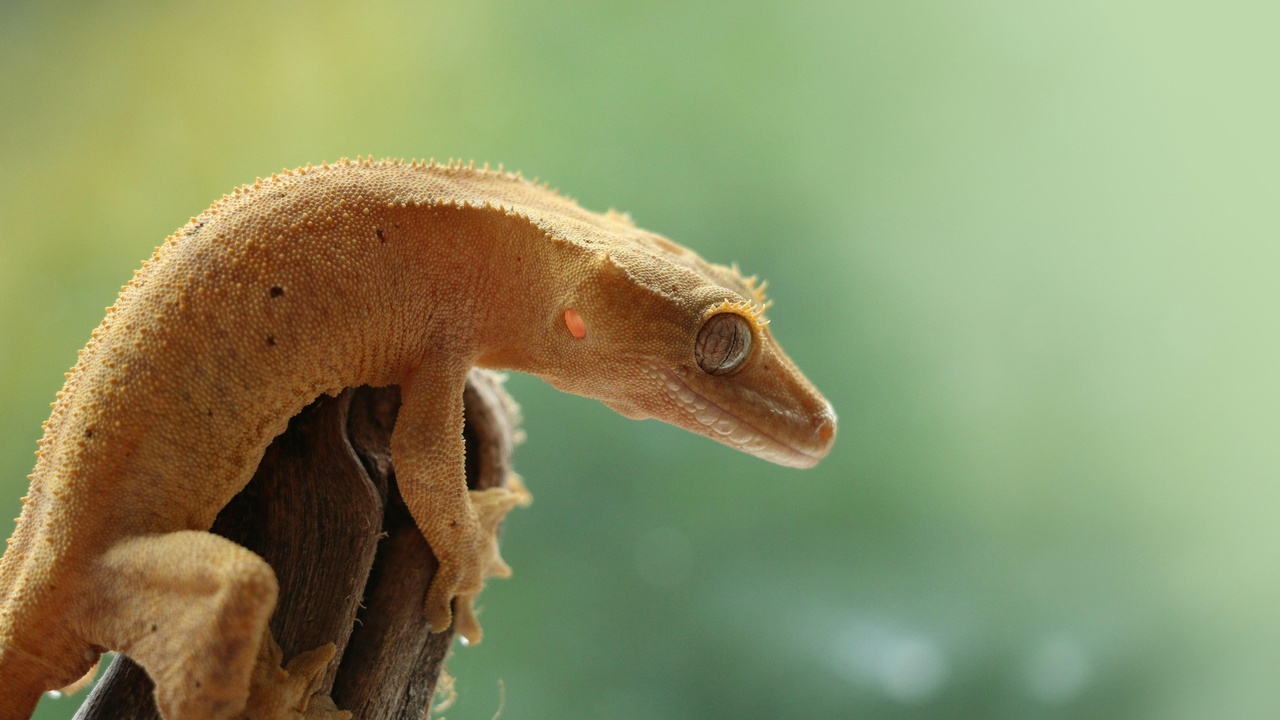
Geckos occupy almost every warm region on Earth except Antarctica and play active roles where humans live. Activity patterns, feeding styles and communication all shape how geckos interact with people and ecosystems.
Many species help control insects in homes and gardens, while day-active lineages exploit flowers and fruit. Vocalizations and territorial behavior make them more conspicuous than you might expect, and their adaptability helps explain why some have become global hitchhikers.
5. Nocturnal habits and hunting strategies
A large portion of geckos hunt at night, using keen vision and quick strikes. They pursue spiders, moths, beetles and other invertebrates; some species ambush from perches while others actively forage along walls and leaf litter.
Dietary intake varies with activity and size, but an active house gecko (Hemidactylus spp.) can take dozens of small insects over a few nights, providing a measurable pest-control service in urban homes. Some day-active species like Phelsuma supplement insect prey with nectar and soft fruit.
6. Vocalizations and social signals
Geckos are among the most vocal lizards: chirps, clicks and barks are common. Calls function in territory defense, mate attraction and alarm signaling, and the Tokay’s loud “to-kay” call is one of the most recognizable examples.
Vocal ability varies by family and species; some are nearly silent while others vocalize frequently and in groups. Pet owners and field researchers often use call patterns to identify species, and quiet calls—like those of mourning geckos—can indicate social cohesion in captive groups.
7. Diet flexibility: insect control to frugivory
Most geckos are primarily insectivorous, but several lineages add fruit, nectar or even small vertebrates to their diets. That flexibility helps species establish on islands and in urban areas where resources fluctuate.
House geckos comfortably switch to hunting cockroaches and mosquitoes around lights, while day geckos (Phelsuma) feed on nectar and soft fruit and can even act as incidental pollinators. The trade-offs are practical: geckos reduce pest numbers but can sometimes nibble garden fruit.
Physiology, reproduction, and human connections
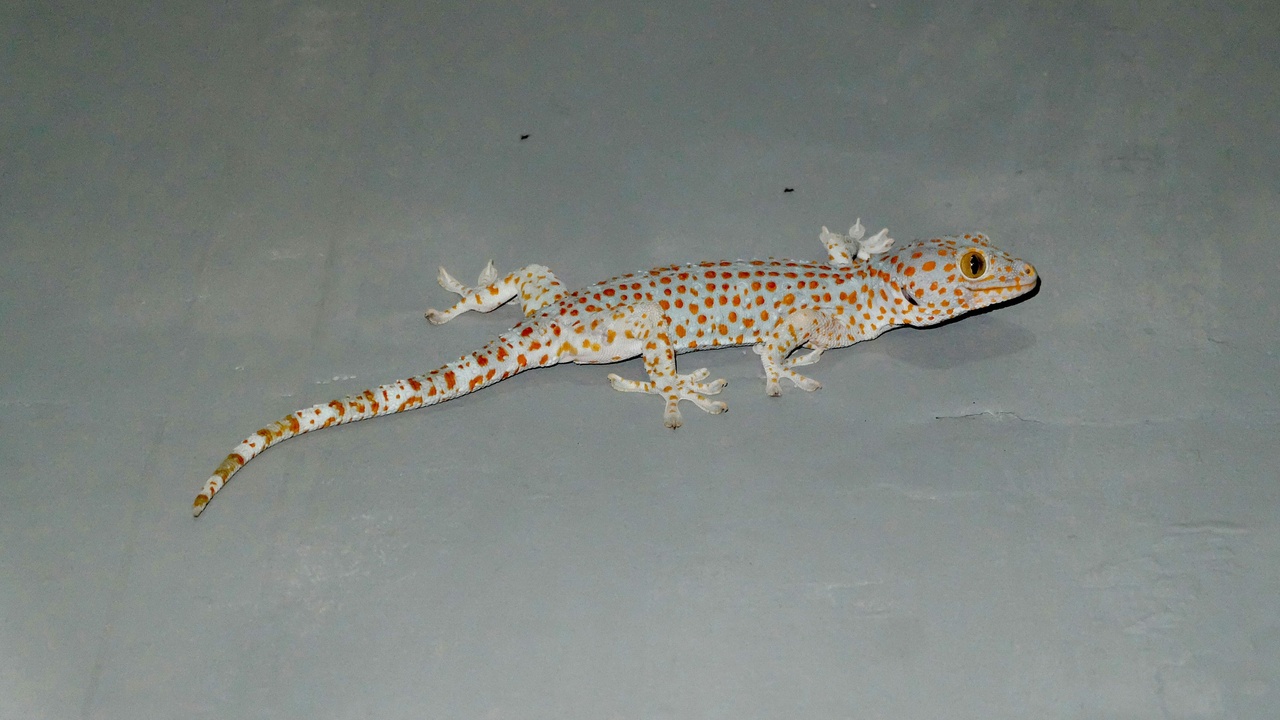
Internal physiology and life-history strategies—autotomy, diverse reproductive modes and variable lifespans—shape how geckos survive and how people interact with them. These traits also make geckos valuable models for scientific research and practical applications.
From regenerative biology to adhesive technology and the pet trade, gecko biology moves beyond field notes into labs and living rooms. Together, these characteristics of a gecko explain not only how they thrive but why researchers and hobbyists find them so useful.
8. Autotomy and tail regeneration
Many geckos can intentionally detach their tails to escape predators; specific fracture planes and muscular contractions make autotomy a controlled response. The process evolved to buy time while the lizard flees a grasping attacker.
Regrowth happens over weeks to months and restores basic tail function, though the new tail differs anatomically from the original. Regeneration consumes energy and temporarily reduces stored fat, which is why repeated loss is costly. Scientists study lizard tail regrowth to learn principles of tissue and nerve regeneration.
9. Reproductive strategies and life history
Most geckos lay eggs, typically in small clutches of one or two. Breeding can be seasonal, and several species deposit eggs communally in favorable sites—an efficient strategy that concentrates hatchlings where conditions suit them.
Some species reproduce without males: parthenogenesis occurs in groups such as the mourning gecko (Lepidodactylus lugubris). In captivity, common pets like leopard geckos often live 10–20 years, which illustrates the longevity some species achieve under stable care.
10. Importance to science, biomimicry, and people
Geckos have practical value beyond natural history. Engineers have built adhesives and prototype grippers inspired by gecko toe pads (for example, Geckskin), and robotics researchers borrow tail and foot mechanics to improve climbing robots.
They also serve as models in regeneration and sensory studies and are staples of the pet trade—species such as leopard geckos and crested geckos are common in captive-breeding programs. Responsible breeding and informed ownership reduce pressure on wild populations while preserving the benefits geckos offer.
Summary
- Remarkable adhesive toe pads and eye adaptations let geckos climb and hunt in low light.
- Skin texture and tail strategies support camouflage, energy storage and escape (autotomy and regeneration).
- Behavioral flexibility—nocturnal hunting, vocal communication and varied diets—makes them effective pest controllers and successful colonizers.
- They matter to people: gecko-inspired adhesives like Geckskin, regeneration research, and popular pet species (leopard and crested geckos) highlight both benefits and stewardship responsibilities.
Observe geckos responsibly, support captive-breeding efforts where possible, and enjoy watching how these small reptiles combine simple anatomy with clever behavior to thrive in our world.