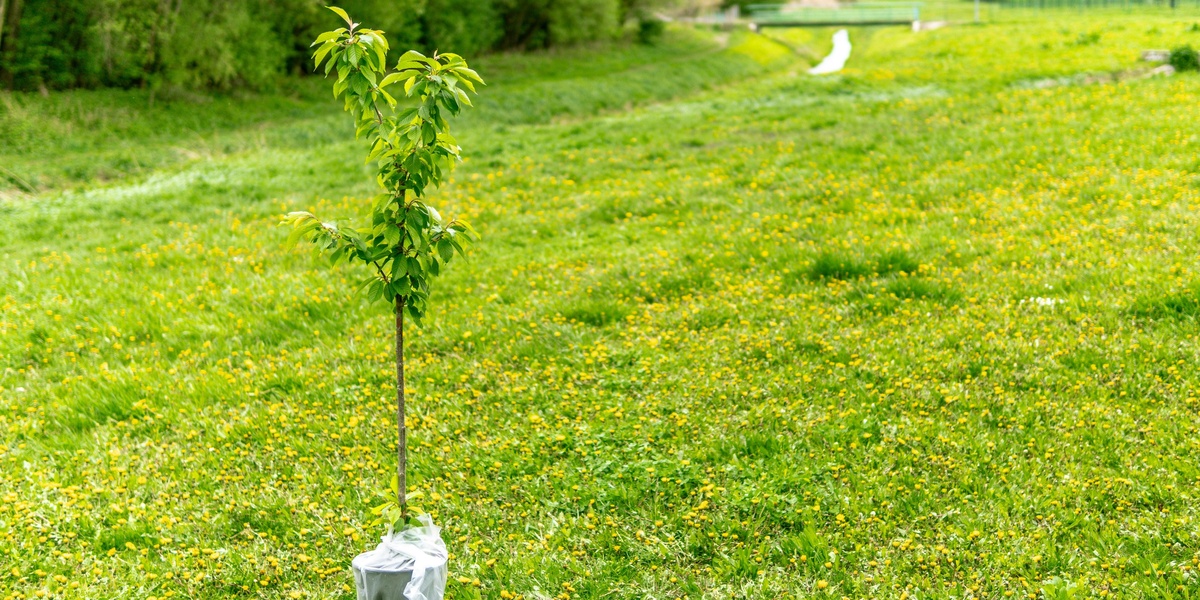
Every year an estimated 15 billion trees are cut down worldwide — a scale of loss that affects climate, water, and communities.
Planting trees is one of the simplest, most cost-effective actions individuals, neighborhoods, and cities can take to boost climate resilience, improve health, support biodiversity, and strengthen local economies.
Deforestation is driven by agriculture, infrastructure, and timber demand, while recovery efforts range from national afforestation programs and the Bonn Challenge to city canopy initiatives and grassroots community plantings.
These efforts matter at street and landscape scales: more tree cover can cool neighborhoods, filter air, stabilize soils, and create jobs. Below are 10 concrete reasons to plant trees, grouped into climate and environmental, biodiversity and ecosystem, human health and urban wellbeing, and economic and community benefits.
Climate and Environmental Benefits
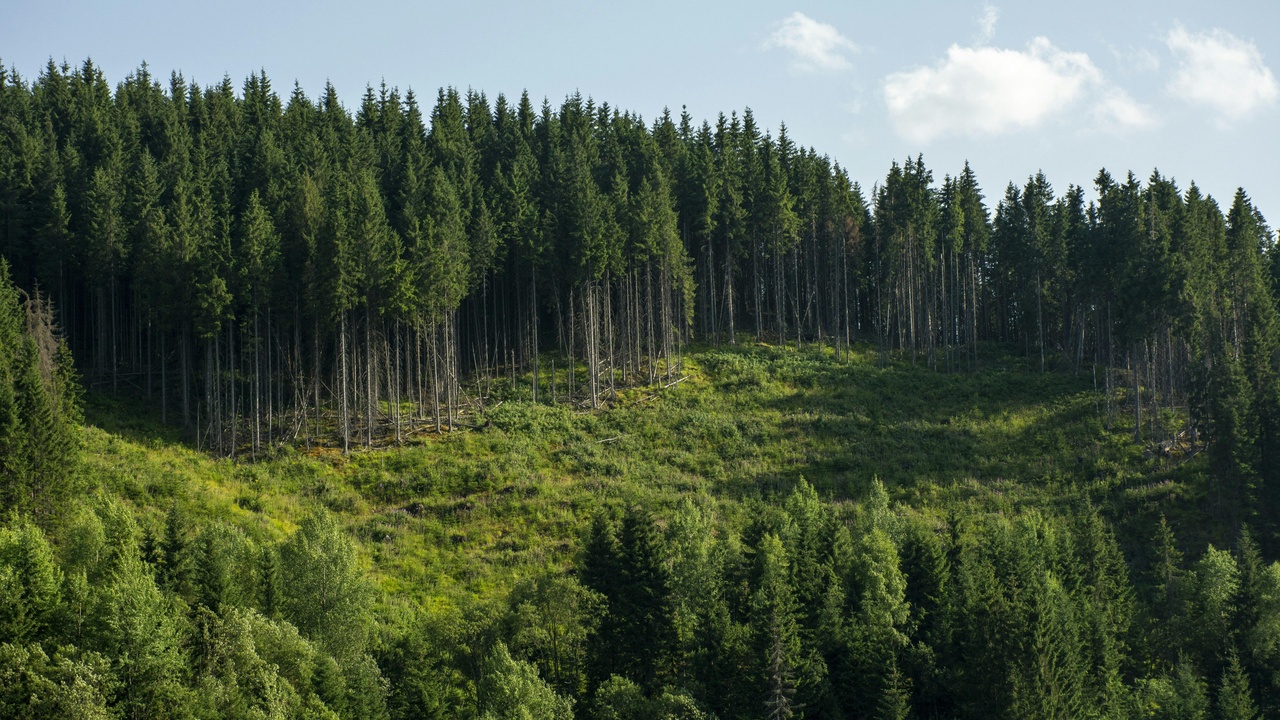
Trees are central to the planet’s carbon and water cycles: they pull CO2 from the air, store carbon in wood and soils, intercept rainfall, and help regulate local humidity and temperatures. Forests hold huge carbon stocks — the FAO reports forests contain hundreds of gigatonnes of carbon in living biomass — making restoration a key natural climate tool (see IPCC assessments for context).
Below are three ways planting trees delivers measurable climate and environmental benefits at both landscape and neighborhood scales.
1. Carbon sequestration and climate regulation
Trees absorb carbon dioxide through photosynthesis and lock carbon in trunks, branches, leaves, and soils, helping to slow the buildup of greenhouse gases in the atmosphere.
Afforestation and reforestation are recognized natural climate solutions by the IPCC and conservation groups; large restoration pledges such as the Bonn Challenge and African initiatives like the Great Green Wall aim to scale those removals.
Sequestration rates vary by species, climate, and age: young, fast-growing trees remove carbon quickly, while long-lived forests store carbon for decades. That means planting choice and long-term management matter — monocultures can sequester less over time than diverse, well-managed forests.
2. Improved air quality and pollution reduction
Tree leaves and bark capture particulate matter and some gaseous pollutants, while canopy cover dilutes pollutant concentration near ground level.
Urban forest assessments by the U.S. Forest Service have quantified substantial annual pollutant removal (measured in thousands of tons for many cities), and city models in places like London and Delhi show targeted street-tree planting can lower concentrations along busy corridors.
On the street level this translates to fewer asthma triggers around schools, cleaner sidewalks, and reduced public-health costs when trees are placed strategically near emission sources.
3. Water regulation, soil protection, and reduced erosion
Trees slow rainfall reaching the ground, increase infiltration, and their roots bind soil — a combination that lowers runoff, reduces sediment delivery to streams, and stabilizes slopes.
Restoration projects in watershed headwaters (from parts of Costa Rica to hill-country projects in the Philippines) have reported measurable drops in sediment loads and reduced downstream dredging needs after reforesting critical areas.
Practically, riparian buffers and hillside agroforestry reduce flood peaks, recharge groundwater more effectively, and protect drinking-water reservoirs for downstream communities.
Biodiversity and Ecosystem Services
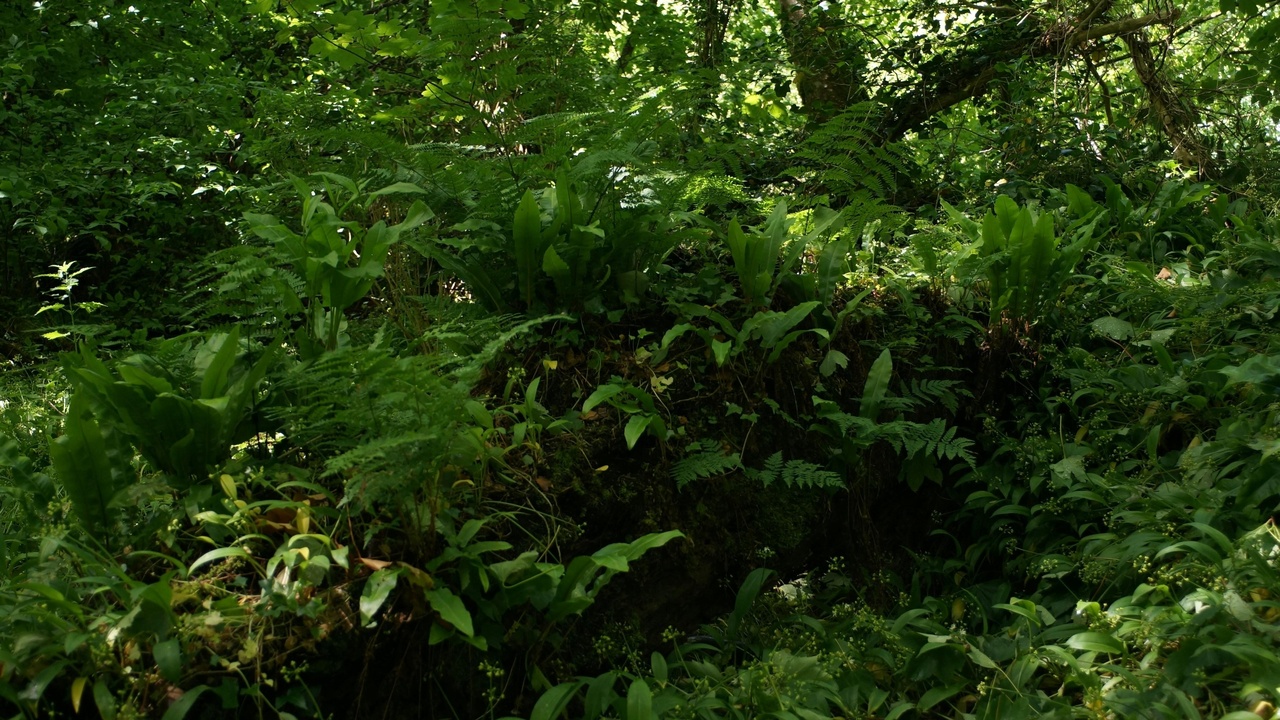
Trees provide structure, food, and shelter that underpin terrestrial and freshwater ecosystems. When plantings use native species and mixes, they help rebuild ecological networks, support pollinators, and increase resilience to pests and climate variability.
Below are three biodiversity-focused benefits of planting trees, from habitat creation to watershed services.
4. Habitat creation and species support
Trees create vertical habitat layers — canopy, understory, and litter — each supporting different communities of birds, insects, and mammals. Planting helps reconnect fragmented patches so animals can move and exchange genes.
Restoration of mangroves, for example, has increased nursery habitat for juvenile fish and supported local fisheries. Hedgerow plantings on farms boost insect diversity and provide corridors for small mammals and pollinators.
Projects that restore forest fragments (such as Atlantic Forest initiatives) often document higher bird and insect species richness within years of planting when native mixes are used.
5. Support for pollinators and food security
Flowering and fruiting trees extend seasonal nectar and pollen supplies, which sustains bees, butterflies, and other pollinators that crops depend on.
Agroforestry systems — shade trees in coffee and cocoa or fruit trees integrated into smallholdings — can increase yields, diversify incomes, and buffer farmers against climate shocks (examples include shade-grown coffee cooperatives and community orchards supplying local markets).
Where pollinator diversity increases, studies show corresponding gains in crop productivity and stability, making tree-based plantings a practical farm-level investment for food security.
6. Erosion control and watershed protection (ecosystem services)
Trees in headwaters and along stream banks reduce sedimentation, protecting reservoirs and irrigation infrastructure while improving downstream water quality.
Catchment reforestation projects have documented lower sediment delivery to dams and reservoirs, translating to reduced dredging and water-treatment costs for utilities.
Riparian buffers also filter agricultural runoff, trapping nutrients and agrochemicals before they reach waterways, which benefits both ecosystems and human water users.
Human Health and Urban Wellbeing
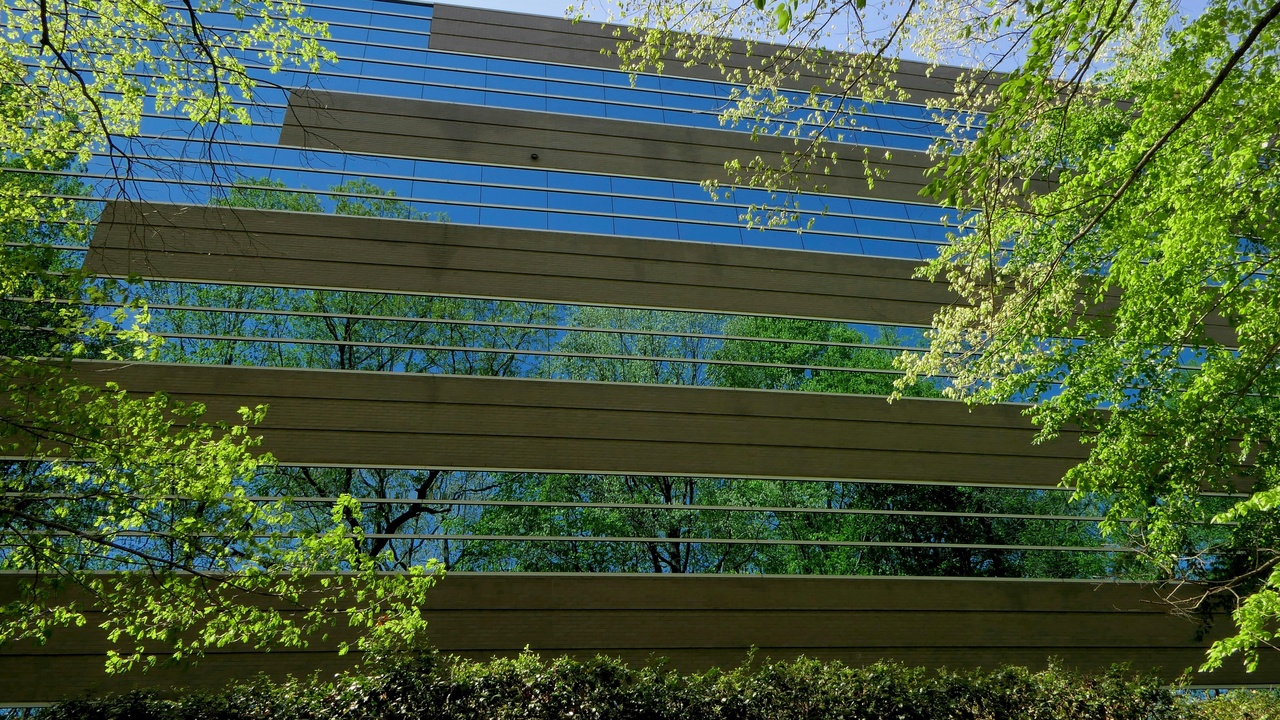
Access to trees and green spaces improves physical and mental health, lowers urban temperatures, and makes neighborhoods more livable. Equitable canopy planning is especially important because low-income areas often have the least tree cover and the highest heat and pollution exposures.
Here are three human-centered benefits from planting trees in cities and towns.
7. Physical and mental health benefits
Green views and tree-lined streets are linked to lower stress, improved mood, and more physical activity. Studies show patients with views of trees recover faster, and neighborhoods with more canopy report lower self-reported stress levels and better overall wellbeing.
Trees also reduce noise by absorbing and deflecting sound, creating quieter streets that help sleep and concentration. Community greening programs that place trees near schools and clinics can have outsized benefits for children and patients.
8. Urban cooling and reduced energy costs
Shading from street trees and evaporative cooling from leaves reduce surface and air temperatures, cutting the urban heat-island effect and lowering cooling demand for homes and businesses.
City studies (for example in Los Angeles and London) show neighborhood temperature drops beneath canopy and measurable household energy savings when trees shade buildings. Heat-mapping is now commonly used to prioritize planting in the hottest, most vulnerable neighborhoods.
That means fewer heat-related ER visits, smaller utility bills, and more comfortable public spaces where people can safely exercise and socialize.
Economic and Community Benefits
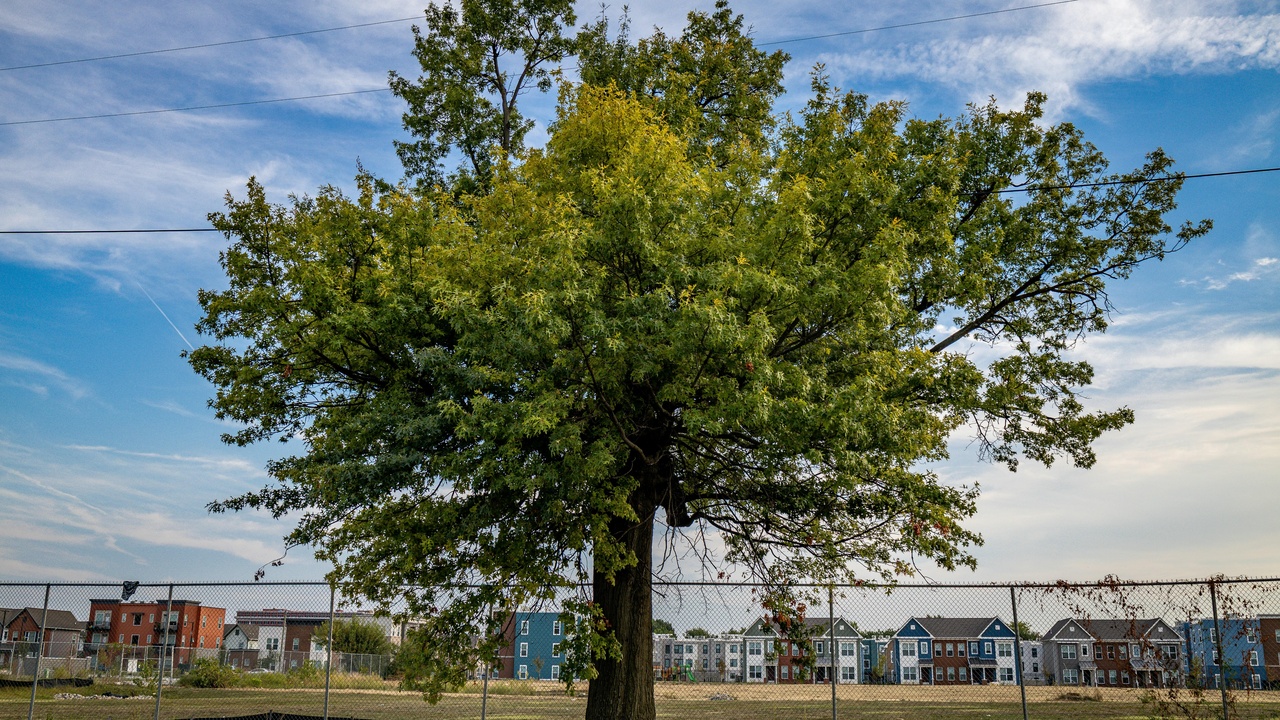
Trees create and protect economic value: they support jobs from nurseries to restoration crews, raise property values, and generate goods like fruit and sustainably harvested timber. Community planting also builds social capital and local stewardship, which pays dividends during disasters and long-term planning.
Two key economic and social benefits are outlined below.
9. Jobs, sustainable timber, and livelihoods
Nurseries, planting crews, forest managers, and value-chain businesses create green jobs at local scales. Large programs and community forestry projects often report hundreds to thousands of temporary and ongoing positions related to restoration and maintenance.
Agroforestry — integrating trees with crops — diversifies farmer income through shade-grown coffee, timber, fruit, and non-timber forest products, improving resilience to price swings and climate shocks (examples include coffee cooperatives that market shade-grown beans and fruit-tree programs supplying local markets).
10. Property values, recreation, and community resilience
Mature street trees and nearby parks tend to increase property values and attract foot traffic that benefits local retailers. Studies frequently report percentage uplifts in home prices near well-maintained green spaces.
Beyond economics, green spaces provide low-cost recreation, meeting places, and emergency assembly points that strengthen neighborhood ties. Well-placed tree cover also reduces stormwater infrastructure costs by capturing rain and slowing runoff, helping towns save on engineered solutions.
Summary
- Planting trees delivers linked climate and health co‑benefits: carbon storage, cooler streets, and cleaner air together improve community resilience.
- Native, diverse plantings restore habitat and pollination services while stabilizing soils and protecting watersheds.
- Trees support livelihoods and local economies through nurseries, agroforestry, and increased property and retail value.
- Equitable canopy programs target heat and pollution hotspots and expand the wellbeing benefits to underserved neighborhoods.
- Take a first step: find a local native-species list, volunteer for a community planting day, or support reputable groups such as UNEP, the Arbor Day Foundation, or your county extension service.