From cottage gardens to roadside verges, white blooms catch the eye and often appear harmless in mixed plantings and wild edges. That commonality makes it easy to overlook which species can cause real harm.
There are 24 poisonous white flowers, ranging from Angel’s trumpet to White snakeroot. For each entry I list Scientific name,Toxin(s) & severity,Parts toxic / where found — you’ll find those details below.
What should I do if a child or pet eats a white flower?
Stay calm, remove any remaining plant material from the mouth, and note which plant was ingested if possible; symptoms vary from mild stomach upset to life‑threatening cardiac or neurological signs depending on the species and amount. Call your local poison control center or emergency vet immediately and follow their instructions — quick ID (photo or sample) can guide treatment.
How can I safely handle or remove poisonous white flowers?
Wear gloves and long sleeves, use pruners to cut rather than crush, and place clippings in sealed bags rather than composting or burning (some toxins persist or become airborne). If a plant is widespread or hard to identify, consider professional removal and always wash hands and tools after handling.
Poisonous White Flowers
| Common name | Scientific name | Toxin(s) & severity | Parts toxic / where found |
|---|---|---|---|
| Lily of the valley | Convallaria majalis | Cardiac glycosides — severe/lethal | Whole plant, berries; shady gardens, woodlands |
| Snowdrop | Galanthus nivalis | Lycorine — moderate | Bulbs and foliage; gardens, woodlands in spring |
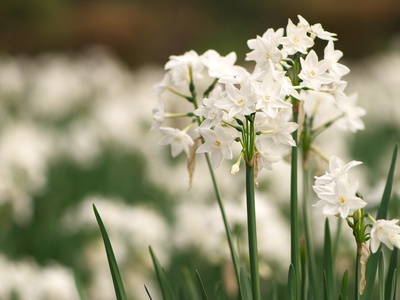
| Paperwhite narcissus | Narcissus papyraceus | Lycorine — moderate | Bulbs, leaves, flowers; pots, indoor forced bulbs |
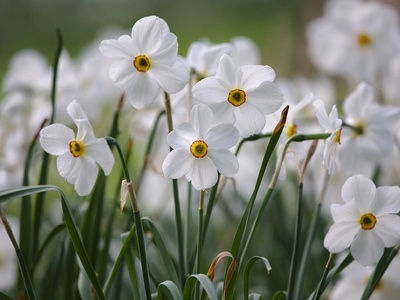
| Poet’s daffodil | Narcissus poeticus | Lycorine — moderate | Bulbs and aboveground parts; gardens, naturalized sites |
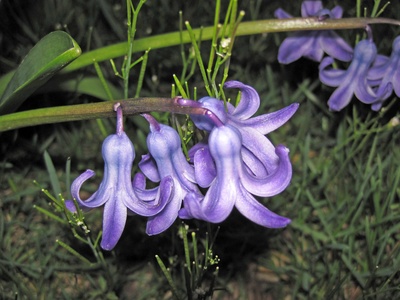
| Common hyacinth | Hyacinthus orientalis | Bulb glycosides/irritants — mild-moderate | Bulbs and sap; garden beds and pots |
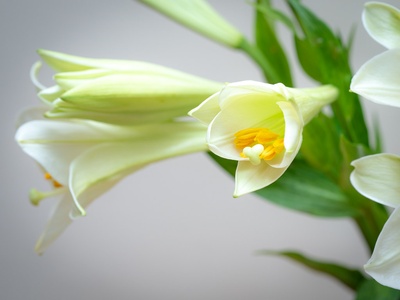
| Easter lily | Lilium longiflorum | Unknown renal toxin — severe (cats) | All parts, pollen; gardens, floral bouquets |
| Madonna lily | Lilium candidum | Nephrotoxic to cats; other irritants — severe (cats) | All parts, pollen; gardens and cut flowers |
| Calla lily | Zantedeschia aethiopica | Calcium oxalate crystals — moderate | All tissues, especially rhizome; ponds, borders |
| Peace lily | Spathiphyllum wallisii | Calcium oxalate crystals — moderate | Leaves, spathe, sap; common houseplant |
| Christmas rose (Hellebore) | Helleborus niger | Cardiac glycosides/protoanemonin — moderate/severe | Roots, leaves, flowers; shaded garden borders |
| White hellebore | Veratrum album | Veratrine alkaloids — severe/lethal | Whole plant, especially roots; wet meadows, roadsides |
| Poison hemlock | Conium maculatum | Coniine alkaloids — lethal | Whole plant, especially roots; roadsides, fields |
| Water hemlock | Cicuta maculata | Cicutoxin — lethal | Roots (corms) extremely toxic; wetlands, marshes |
| White snakeroot | Ageratina altissima | Tremetol — moderate | Leaves, stems, flowers; woodland edges, fields |
| Black elder (elderberry) | Sambucus nigra | Cyanogenic glycosides — mild-moderate | Raw berries, leaves, bark; hedgerows, gardens |
| Angel’s trumpet | Brugmansia suaveolens | Tropane alkaloids (scopolamine, atropine) — severe | All parts, especially seeds; ornamental gardens |
| Jimsonweed (Datura) | Datura stramonium | Tropane alkaloids — severe | Seeds, leaves, all parts; disturbed ground, gardens |
| Pokeweed | Phytolacca americana | Phytolaccatoxin/saponins — moderate-severe | Roots and berries highly toxic; fields, fence lines |
| Snowberry | Symphoricarpos albus | Saponins — mild-moderate | Berries and seeds; hedgerows, gardens |
| Hydrangea (smooth) | Hydrangea arborescens | Cyanogenic glycosides — moderate | Leaves, buds, flowers; garden shrub borders |
| Snow-on-the-mountain | Euphorbia marginata | Diterpene esters/latex irritant — moderate | Sap, leaves and bracts; ornamental beds |
| Ornamental garlic (Neapolitan garlic) | Allium neapolitanum | Thiosulfates — moderate (dogs/cats) | Bulbs and leaves; rock gardens, borders, pots |
| Pieris (Japanese andromeda) | Pieris japonica | Grayanotoxins — moderate-severe | Leaves, flowers, nectar; acid-soil gardens, hedging |
| Horse chestnut | Aesculus hippocastanum | Aesculin and saponins — moderate | Seeds (conkers), bark, leaves; parks, streets |
Images and Descriptions
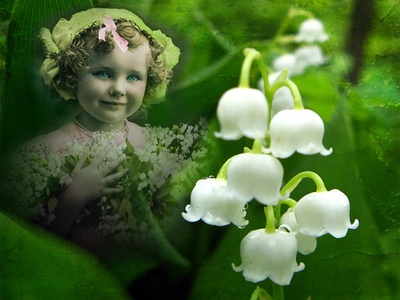
Lily of the valley
Small white bell flowers hide potent cardiac glycosides causing nausea, slow heartbeat, dizziness. Pets and children can be seriously affected. If ingested, seek emergency care; do not induce vomiting unless advised, bring plant sample.
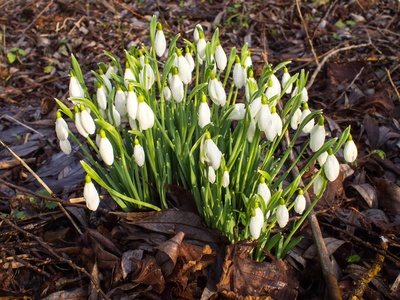
Snowdrop
Delicate white nodding flowers contain lycorine; ingestion causes nausea, vomiting, diarrhea and sometimes trembling. Bulbs are most toxic. Rinse mouth and contact poison control if swallowed; keep pets away from planted bulbs.
Paperwhite narcissus
Clusters of fragrant white star-like blooms — bulbs contain lycorine and cause vomiting, abdominal pain, drooling. Common as indoor paperwhites. Rinse mouth, seek veterinary or medical advice for significant exposure.
Poet’s daffodil
A mostly white daffodil with a small corona; ingestion causes stomach upset, salivation and dizziness. Bulbs are especially hazardous. Keep children and pets away; call poison control after ingestion.
Common hyacinth
Dense white flower spikes on common garden hyacinths can cause mouth and stomach irritation if bulbs or sap are chewed. Symptoms include vomiting and skin irritation. Rinse and contact poison control if ingested.
Easter lily
Pure-white trumpet blooms are highly toxic to cats, causing rapid kidney failure with even small exposures. Dogs and humans may get GI upset. If a cat has licked pollen or chewed a leaf, seek emergency vet care immediately.
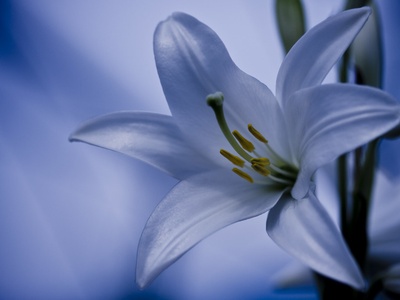
Madonna lily
Classic white lily with upward-facing blooms; like other true lilies, it is extremely dangerous to cats (renal failure). Humans may get stomach upset. Immediate veterinary care for exposed cats is critical.
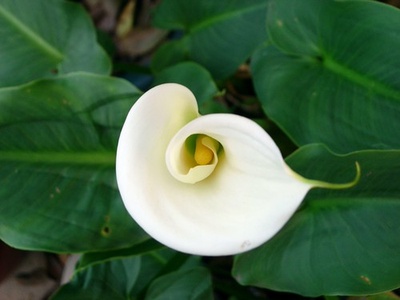
Calla lily
Elegant white funnel flowers hide sharp oxalate crystals that cause immediate oral burning, drooling, swelling and vomiting if chewed. Wash mouth, give water if able, contact poison control for guidance.
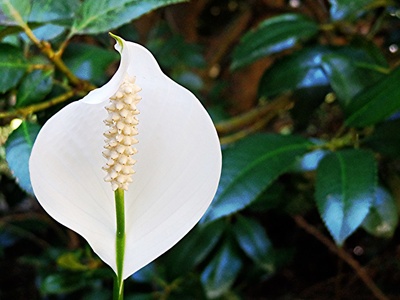
Peace lily
White spathes on this popular houseplant contain insoluble oxalates that irritate mouth and airways, causing drooling, vomiting and swelling. Rinse mouth, remove plant material and call poison control or vet if symptoms progress.
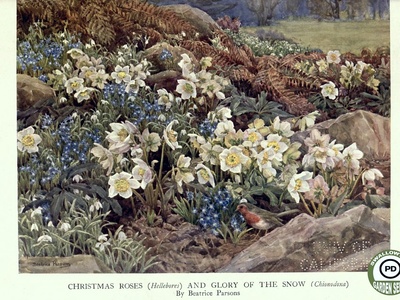
Christmas rose (Hellebore)
White cup-shaped winter blooms can cause burning in the mouth, vomiting, dizziness and irregular heartbeat from cardiac glycosides. Remove contaminated clothing, rinse mouth, seek medical attention for significant ingestions.

White hellebore
Clusters of white-green flowers in mountain meadows hide potent alkaloids that cause severe vomiting, low blood pressure, slowed heart and seizures. Emergency treatment is required for ingestion; keep pets away from wild plants.
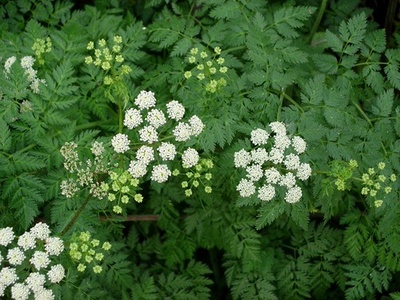
Poison hemlock
Umbels of white flowers signal a highly poisonous plant — coniine causes muscle paralysis, respiratory failure and can be fatal. Avoid contact and ingestion; call emergency services immediately if eaten.
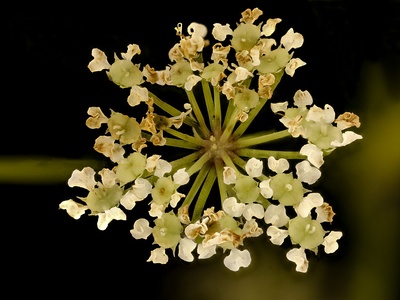
Water hemlock
White compound flowers on tall stalks warn of one of North America’s most poisonous plants. Root ingestion produces violent seizures and can be fatal rapidly. Do not attempt home treatment; call emergency services.
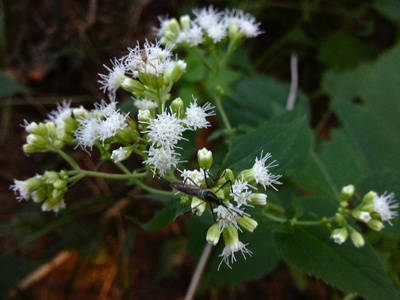
White snakeroot
Clusters of small white flowers contain tremetol; livestock contaminated milk causes “milk sickness” in humans. Symptoms include weakness, vomiting and confusion. Avoid consuming unknown foraged plants or untested milk; seek medical advice for exposures.
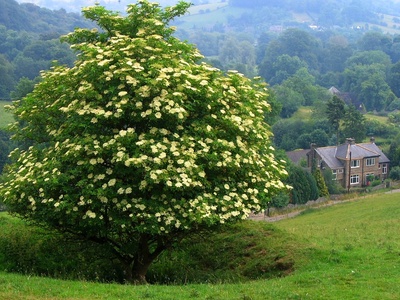
Black elder (elderberry)
Showy white flower clusters produce berries later; raw berries and other parts can cause nausea, weakness and cyanide-like symptoms. Cooked ripe berries are used in foods; if raw material is eaten, seek advice from poison control.
Angel’s trumpet
Large fragrant white hanging trumpets contain strong anticholinergic alkaloids causing dry mouth, hallucinations, rapid heart rate and possible coma. Treat as a medical emergency for ingestion; do not induce vomiting without medical direction.
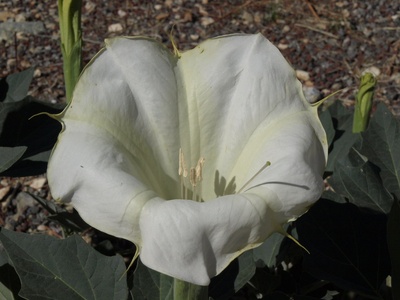
Jimsonweed (Datura)
Often white-flowered at night, Datura contains powerful tropanes producing confusion, hallucinations, rapid heart rate and possible respiratory failure. Seek urgent medical or veterinary care if ingested.
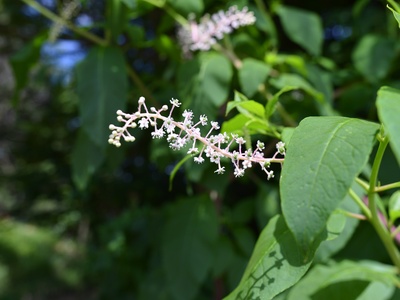
Pokeweed
Drooping racemes of white flowers mature to dark berries; roots and raw berries can cause vomiting, diarrhea, low blood pressure and neurological signs. Collect plant sample and contact medical or poison control for instructions.
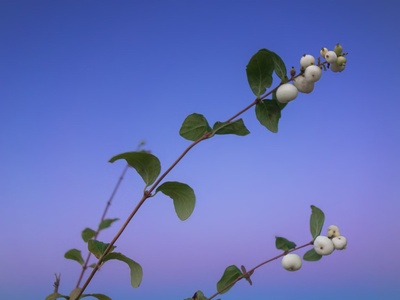
Snowberry
Clusters of small white berries are mildly toxic if eaten, causing nausea and sometimes dizziness in children or pets. Keep pets from nibbling berries; call poison control if multiple berries were eaten.
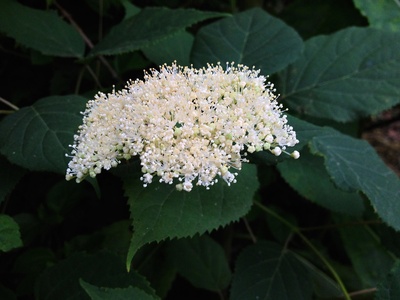
Hydrangea (smooth)
Large rounded white flower clusters brighten gardens but hydrangea contains cyanogenic compounds that can cause vomiting, weakness and breathing issues. Remove plant material from mouth; call poison control or a vet if symptoms occur.
Snow-on-the-mountain
White-margined bracts mark this ornamental euphorbia; its milky sap causes severe skin and eye irritation and can blister mucous membranes if ingested. Rinse skin or eyes thoroughly and seek medical care for eye exposures.
Ornamental garlic (Neapolitan garlic)
Clusters of white star flowers from an Allium species; like other alliums, ingestion can cause oxidative damage to red blood cells in dogs and cats and GI upset in people. Contact veterinarian or poison control promptly.
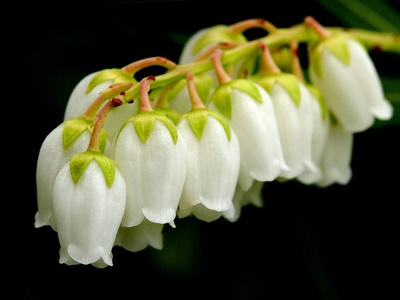
Pieris (Japanese andromeda)
Drooping clusters of white urn-shaped flowers carry grayanotoxins that can cause drooling, low blood pressure, vomiting and dizziness. Honey from this plant can also poison people (“mad honey”). Seek medical advice if ingested.
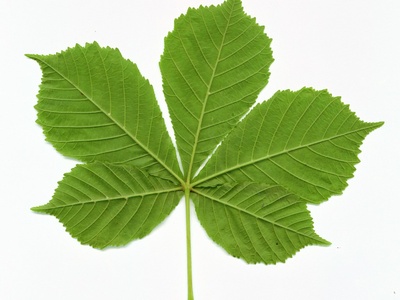
Horse chestnut
Showy white flower panicles precede spiky conkers; seeds contain aesculin causing vomiting, diarrhea and weakness if eaten raw. Keep children and pets from chewing on conkers and call poison control if ingested.