El Salvador’s varied landscapes—coastal plains, volcanic slopes and cloud forest patches—support a surprising mix of flowering plants despite the country’s small size. You’ll spot blooms in urban gardens, roadside hedgerows and protected reserves, each adapted to local soil and seasonal rains.
There are 34 Flowers of El Salvador, ranging from Allamanda to Zinnia. For each species you’ll find below the Scientific name, Height (cm), and Where found to help you compare identity, size and habitat.
How can I identify common flowers of El Salvador in the field?
Start by noting where the plant grows (coast, dry valley, highland), the flower color and shape, leaf arrangement and approximate height; these match the Scientific name, Height (cm), and Where found columns in the list. Take clear photos of blooms and leaves, use a regional field guide or an ID app for comparison, and compare measurements to the Height (cm) data to narrow options.
When is the best time to see these flowers in bloom?
Most species flower during or shortly after the rainy season, with peaks from early rainy months into mid-season; coastal and lowland plants often bloom earlier than highland species. Check the Where found notes for habitat-specific timing and plan visits during the local wet months for the best variety.
Flowers of El Salvador
| Name | Scientific name | Height (cm) | Where found |
|---|---|---|---|
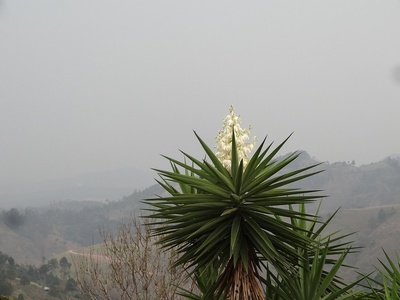
| Flor de Izote | Yucca gigantea | 200–500 | dry forests, yards nationwide |
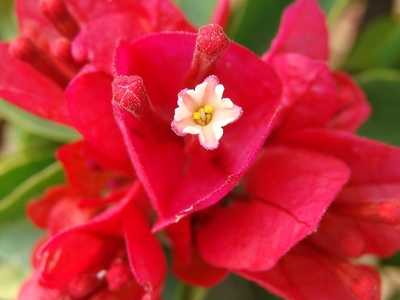
| Bougainvillea | Bougainvillea spectabilis | 200–500 | gardens, fences nationwide |
| Chinese hibiscus | Hibiscus rosa-sinensis | 100–300 | gardens, urban areas |
| Sea hibiscus | Hibiscus tiliaceus | 300–1,000 | coasts, estuaries, lowlands |
| Heliconia | Heliconia latispatha | 100–300 | humid forests, gardens |
| Plumeria (frangipani) | Plumeria rubra | 300–600 | gardens, streets, cemeteries |
| Bird of paradise | Strelitzia reginae | 100–150 | gardens, parks |
| Pink trumpet tree | Tabebuia rosea | 500–1,200 | open forests, streets, parks |
| Flamboyant | Delonix regia | 800–1,200 | parks, roadsides, lowlands |
| Yellow trumpetbush | Tecoma stans | 100–300 | disturbed sites, roadsides |
| Lantana | Lantana camara | 50–150 | roadsides, gardens, disturbed areas |
| Zinnia | Zinnia elegans | 30–100 | gardens, fields, roadside plots |
| Canna | Canna indica | 100–200 | wetlands, gardens, disturbed ground |
| Passionfruit | Passiflora edulis | 200–500 | hedges, farms, forest edges |
| Powderpuff | Calliandra haematocephala | 150–300 | gardens, hedges, edges |
| Night jasmine | Cestrum nocturnum | 150–300 | gardens, yards, urban areas |
| Firebush | Hamelia patens | 100–300 | forest edges, gardens, roadsides |
| Allamanda | Allamanda cathartica | 100–300 | gardens, trellises, hedges |
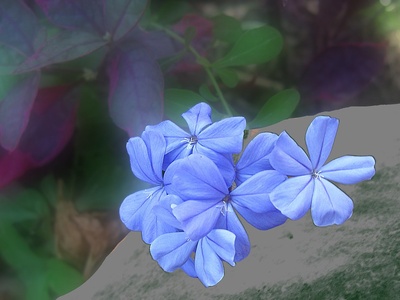
| Plumbago | Plumbago auriculata | 100–200 | walls, gardens, hedges |
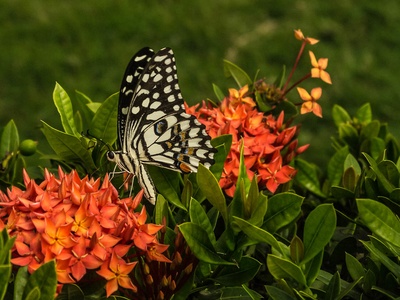
| Ixora | Ixora coccinea | 100–200 | gardens, hedges, urban plantings |
| Shade bean | Erythrina poeppigiana | 800–1,200 | pastures, shade tree plantings |
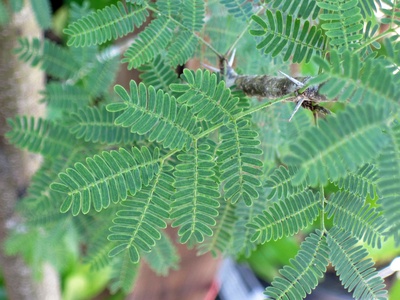
| Sweet acacia | Vachellia farnesiana | 200–400 | dry scrub, roadsides |
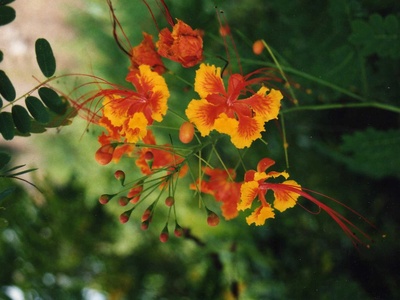
| Pride of Barbados | Caesalpinia pulcherrima | 200–400 | hedges, roadsides,gardens |
| Jacaranda | Jacaranda mimosifolia | 800–1,200 | streets, parks |
| Magnolia | Magnolia grandiflora | 800–1,200 | parks, large gardens |
| Poinsettia | Euphorbia pulcherrima | 100–300 | gardens, Christmas displays |
| Marigold | Tagetes erecta | 40–100 | gardens, cemeteries, markets |
| Fringed hibiscus | Hibiscus schizopetalus | 200–300 | gardens, shaded yards |
| Mandevilla | Mandevilla splendens | 150–300 | trellises, patios |
| Scarlet sage | Salvia splendens | 30–60 | bedding, gardens, urban plantings |
| Gardenia | Gardenia jasminoides | 100–150 | gardens, shaded yards |
| Allspice (flowering) | Pimenta dioica | 300–600 | gardens, agroforestry plots |
| Colocasia/elephant ear flowers | Colocasia esculenta | 50–150 | wet gardens, ponds |
| Heath-like shrub (native) – Guadalupe manzanita | Psiloxylon mauritianum | 50–200 | coastal scrub, rocky slopes |
Images and Descriptions
Flor de Izote
Tall rosette-forming succulent with stiff leaves and large creamy bell flowers on tall stalks. Blooms spring–summer; national flower of El Salvador. Flower buds are edible and used in traditional dishes. Drought-tolerant, common in dry forest and home gardens.
Bougainvillea
Vigorous thorny vine with papery magenta, purple or white bracts surrounding tiny flowers. Blooms mainly after rainy seasons year-round in warm sites. Widely used on fences and terraces; drought-tolerant and commonly naturalized in disturbed areas.
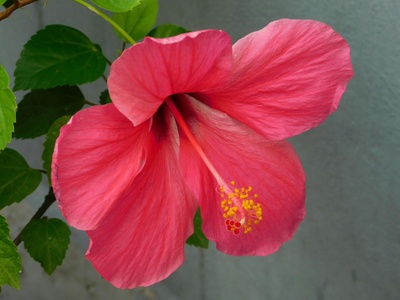
Chinese hibiscus
Evergreen shrub with large showy single or double hibiscus flowers in many colors. Blooms year-round in warm seasons; commonly planted as hedges and street ornamentals. Flowers used ornamentally; easy to identify by five-petaled corolla and prominent staminal column.
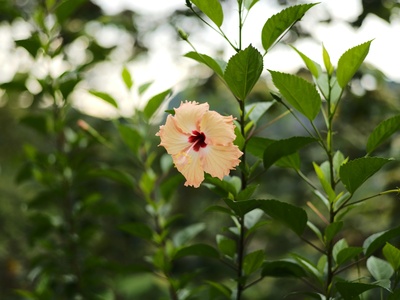
Sea hibiscus
Coastal tree with heart-shaped leaves and yellow five-petaled flowers that often darken with age. Blooms most of the year in warm coastal zones. Salt-tolerant and used for shade and windbreaks, common along beaches and estuaries.
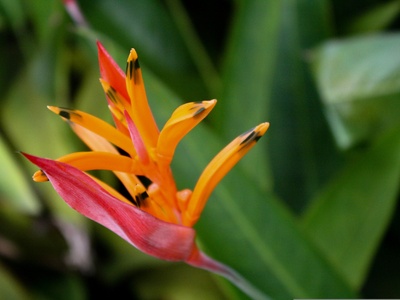
Heliconia
Tropical herb with large leaves and upright brightly colored bracts (red, yellow) that hold small flowers. Blooms year-round in humid sites; attracts hummingbirds. Common in forest edges and cultivated gardens as a showy ornamental.
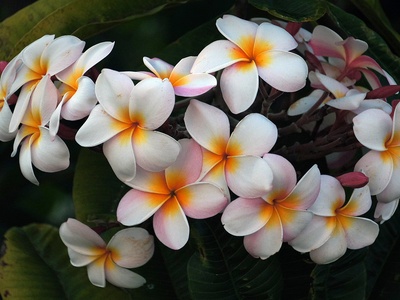
Plumeria (frangipani)
Small deciduous tree with fragrant tubular flowers in white, pink or yellow. Blooms dry season to early wet season; widely planted for scent and traditional garlands. Smooth succulent branches and distinctive leathery leaves aid identification.
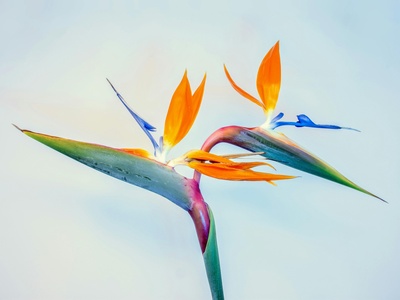
Bird of paradise
Clumping evergreen with banana-like leaves and orange/blue crane-shaped flowers. Blooms mainly in warm months and year-round in cultivation. Popular ornamental in parks and gardens; unmistakable beak-like bract and bright petals attract attention.
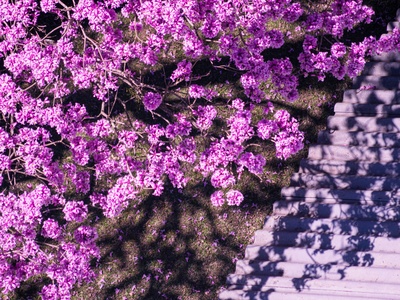
Pink trumpet tree
Deciduous tree producing masses of pink trumpet-shaped flowers in the dry season before leaf flush. Very conspicuous in urban and rural landscapes. Flowers attract bees and birds; commonly planted along roads and in parks.
Flamboyant
Large spreading tree with fern-like leaves and brilliant orange-red flowers in the dry season. Blooms heavily before leafing; iconic street tree and shade provider. Introduced but commonly naturalized; dramatic when in full bloom.
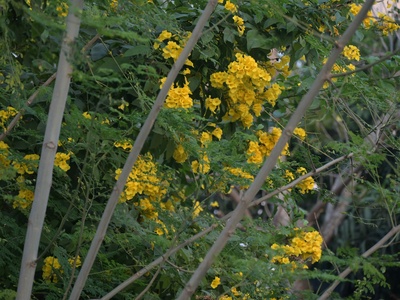
Yellow trumpetbush
Shrub with clusters of bright yellow tubular flowers attracting hummingbirds and butterflies. Blooms year-round in warm climates, especially after rains. Common in disturbed areas and gardens; easy to identify by pinnate leaves and trumpet blooms.
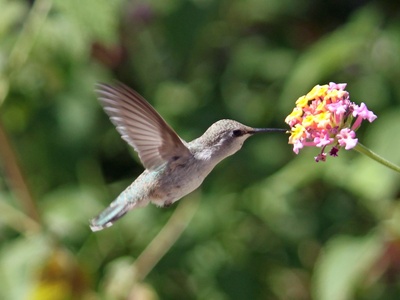
Lantana
Sprawling shrub with multi-colored rounded flower clusters (red, orange, yellow). Blooms year-round in warm sites; highly invasive in some areas but very common in gardens and roadsides. Emits aromatic foliage scent when crushed.
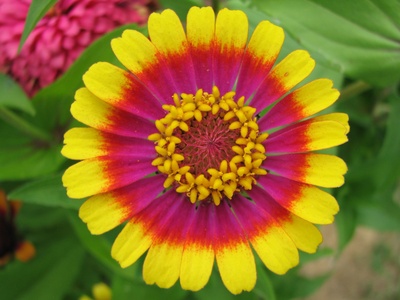
Zinnia
Annual with solitary daisy-like flowers in vivid colors atop erect stems. Blooms through the warm season; popular garden bedding plant and street vendor flower. Easy identification by layered petals and long-lasting blooms loved by pollinators.
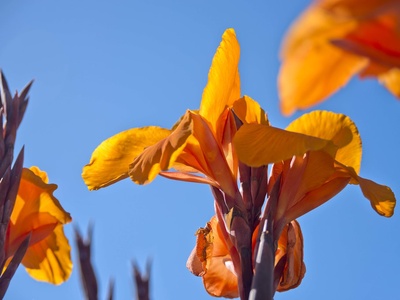
Canna
Clump-forming perennial with large banana-like leaves and bold red, orange or yellow flowers on erect stalks. Blooms summer to fall; common in wet gardens and roadside plantings. Rhizomatous and often naturalized in moist habitats.
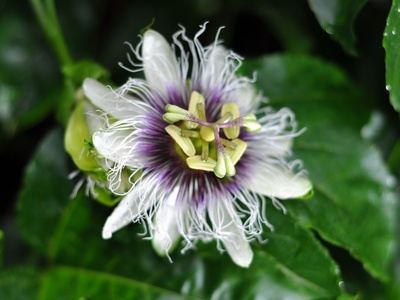
Passionfruit
Climbing vine with intricate ornate purple/white passionflowers and edible fruit. Blooms year-round in warm gardens and farms; important crop as well as ornamental. Distinctive radial corona and complex floral structure aid identification.
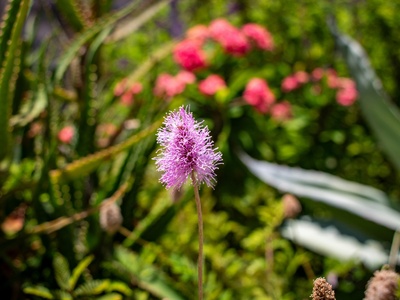
Powderpuff
Shrub with globular red powderpuff flowers composed of many long stamens. Blooms year-round in warm sites; attracts hummingbirds and bees. Common ornamental hedge plant; leaves bipinnate and flowers showy and unmistakable.
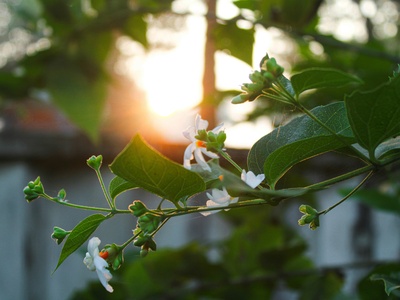
Night jasmine
Fragrant shrub producing clusters of small tubular white flowers that release strong scent at night. Blooms mainly evening to early morning; used ornamentally for fragrance. Tolerant of pruning and common in domestic gardens.
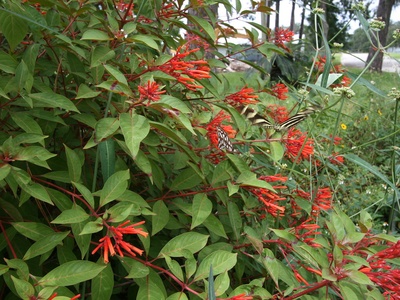
Firebush
Native shrub with tubular red-orange flowers in clusters that bloom year-round in warm climates. Attracts hummingbirds and butterflies; often used in restoration plantings and gardens. Glossy leaves and elongated clusters identify it easily.
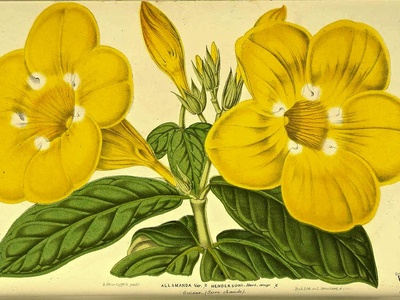
Allamanda
Evergreen vine/shrub with large trumpet-shaped glossy yellow flowers. Blooms mainly in warm months; popular tropical ornamental. Prefers full sun and moist soils; milky sap can be irritating, petals fused into a trumpet form.
Plumbago
Sprawling shrub with clusters of pale blue tubular flowers most of the year in warm climates. Used as groundcover or climber over walls. Easily identified by sky-blue flowers and sticky glandular leaves.
Ixora
Dense evergreen shrub forming tight clusters of small tubular flowers in red, orange, pink or yellow. Blooms year-round in cultivation; common tropical hedge and ceremonial planting. Glossy opposite leaves and compact inflorescences identify it.

Shade bean
Large deciduous tree with vivid coral-red pea-like flowers in clusters, often used as shade for coffee and pasture. Blooms in dry season; important agroforestry tree and nectar source for hummingbirds.
Sweet acacia
Spiny shrub or small tree with fragrant golden puffball flowers. Blooms seasonally; common in dry scrub and disturbed sites. Aromatic flowers used historically for perfume; identifiable by bipinnate leaves and paired spines.
Pride of Barbados
Open shrub or small tree with feathery foliage and showy red-orange or yellow flowers in loose clusters. Blooms most of the year. Common roadside ornamental and nectar source for bees and hummingbirds.
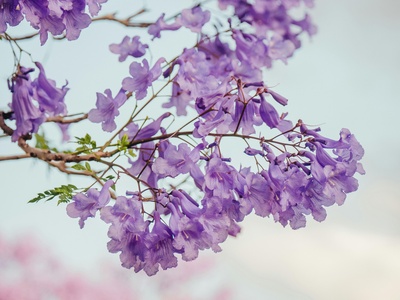
Jacaranda
Deciduous tree with fern-like leaves and panicles of lilac-purple tubular flowers in late spring to early summer. Widely planted as an ornamental. Spectacular mass flowering signals seasonal change in urban landscapes.
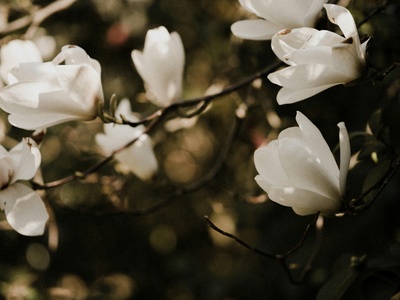
Magnolia
Evergreen tree with large fragrant white cup-shaped flowers and glossy leaves. Blooms late spring to summer; heavily planted in parks and institutional grounds. Flowers and large leathery leaves make it recognizable at a distance.
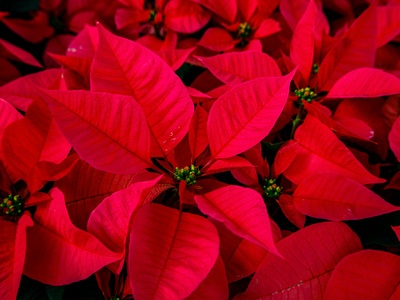
Poinsettia
Shrubby plant known for showy red or white bracts (modified leaves) surrounding small flowers. Blooms in the cool season with colorful bracts at Christmas; widely cultivated and culturally associated with holiday decorations.
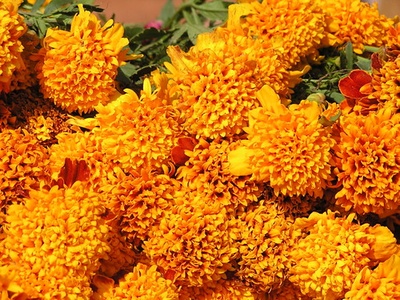
Marigold
Upright annual with large pom‑pom orange or yellow composite flowers. Blooms through warm season; commonly used in offerings, decorations and ornamental beds. Distinctive scent and layered ray florets make it easily recognizable.
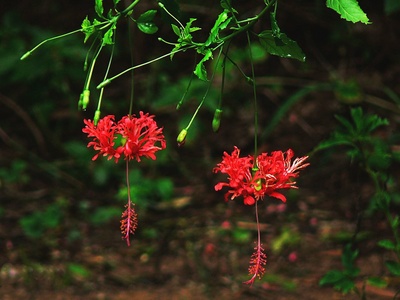
Fringed hibiscus
Shrubby hibiscus with pendulous, deeply cut and fringed red or pink petals and prominent staminal column. Blooms year-round in warm sheltered places; dramatic hanging flowers attract hummingbirds and gardeners.
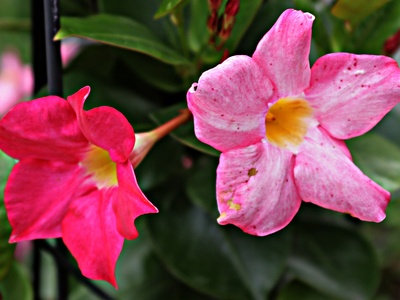
Mandevilla
Woody vine producing glossy leaves and large funnel-shaped pink or white flowers. Blooms spring to autumn in warm climates; popular for pergolas and containers. Twining habit and showy corolla distinguish it from similar vines.
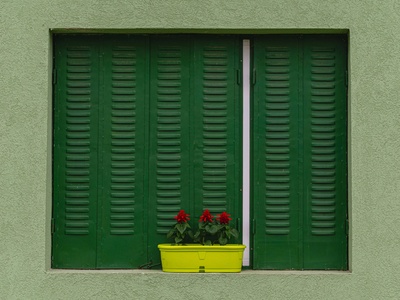
Scarlet sage
Upright herbaceous annual with dense spikes of bright red tubular flowers. Blooms summer to fall; widely used in bedding schemes. Attracts hummingbirds; square stems and opposite leaves identify it as a mint relative.
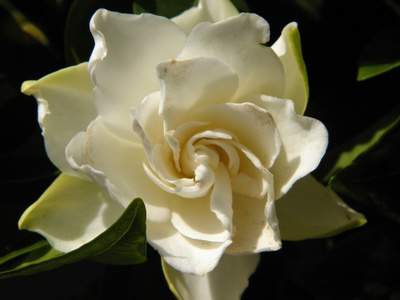
Gardenia
Evergreen shrub with highly fragrant waxy white flowers blooming late spring to summer. Widely grown for scent and ornamental value. Glossy dark leaves and strong perfume distinguish it; prefers shade and moist soils.
Allspice (flowering)
Small evergreen tree with clustered creamy-white flowers giving rise to aromatic berries (allspice). Blooms mainly in wet season; valued for spice and planted in home gardens. Leaves aromatic when crushed; cultural and economic importance.
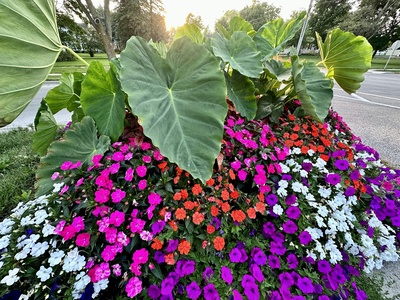
Colocasia/elephant ear flowers
Aquatic/tropical herb with large heart-shaped leaves and inconspicuous spathe/spadix inflorescences. Blooms sporadically; corms and leaves used as food in some areas. Found in wet gardens, ditches and shaded moist habitats.
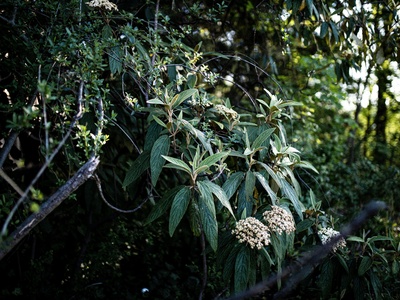
Heath-like shrub (native) – Guadalupe manzanita
Small evergreen shrub with small clustered white or cream flowers; blooms seasonally. Occurs in coastal scrub and rocky slopes. Valued locally for aromatic foliage and traditional uses; identifiable by compact habit and leathery leaves.