Togo’s short coastline, lagoons and river systems support a mix of freshwater and marine life important to local fisheries and foodways. You can encounter small inland species as well as ocean-going fish along the continental shelf, from Aba fish to Yellowfin tuna.
There are 29 Fish of Togo, ranging from Aba fish to Yellowfin tuna. For each species you’ll find below organized data under Scientific name,Habitat & location,Max length (cm), making it easy to compare where each species lives and how large it grows before you dive into the list below.
Which parts of Togo should I visit to see the most different fish species?
Coastal lagoons and estuaries plus the lower reaches of rivers tend to hold the highest diversity because they mix fresh and salt water and serve as nurseries; the nearshore shelf hosts larger pelagic species like tuna. Visit multiple habitats and check tidal or seasonal patterns for the best variety.
How can I use the table below to identify or compare species?
Use the Scientific name for precise ID, Habitat & location to know where to look, and Max length (cm) to rule out similar-sized species; combine those columns with photos or local names for reliable identification.
Fish of Togo
| Common name | Scientific name | Habitat & location | Max length (cm) |
|---|---|---|---|
| West African bonga | Ethmalosa fimbriata | Estuarine/lagoon — Gulf coast, lagoons | 35 |
| Madeiran sardinella | Sardinella maderensis | Marine/coastal — Gulf coast, nearshore waters | 25 |
| Round sardinella | Sardinella aurita | Marine/coastal — Gulf coast, nearshore waters | 30 |
| Flathead grey mullet | Mugil cephalus | Estuarine/lagoon — Gulf coast, lagoons, Mono River | 100 |
| Longfin scad | Galeoides decadactylus | Marine/coastal — Gulf coast, nearshore shoals | 55 |
| African horse mackerel | Trachurus trecae | Marine/coastal — Gulf coast, continental shelf | 60 |
| West African Spanish mackerel | Scomberomorus tritor | Marine/nearshore — Gulf coast, reefs | 125 |
| Crevalle jack | Caranx hippos | Estuarine/coastal — Gulf coast, lagoons, estuaries | 100 |
| African pompano | Alectis ciliaris | Marine/coastal — Gulf coast, nearshore reefs | 120 |
| African red snapper | Lutjanus agennes | Coastal reef/lagoon — Gulf coast, nearshore reefs | 70 |
| Grouper (yellowmouth) | Epinephelus aeneus | Coastal reef/rock — Gulf coast, nearshore | 75 |
| Ladyfish (ten-pounder) | Elops lacerta | Marine/estuarine — Gulf coast, estuaries, beaches | 90 |
| Longfin tuna (Skipjack) | Katsuwonus pelamis | Pelagic/nearshore — Gulf waters, offshore | 100 |
| Yellowfin tuna | Thunnus albacares | Pelagic/offshore — Gulf waters, continental shelf | 200 |
| Bull shark | Carcharhinus leucas | Coastal/estuarine — Gulf coast, rivers, lagoons | 300 |
| Blacktip shark | Carcharhinus limbatus | Coastal/nearshore — Gulf coast, surf zone | 200 |
| African sharptooth catfish | Clarias gariepinus | Freshwater/estuarine — Mono River, inland waters | 120 |
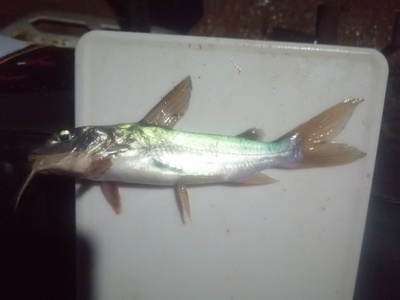
| Bagrid catfish | Chrysichthys nigrodigitatus | Estuarine/lagoon — Gulf coast, lagoons, rivers | 70 |
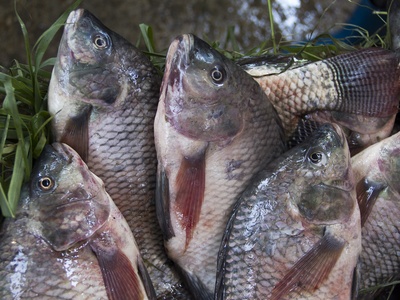
| Nile tilapia | Oreochromis niloticus | Freshwater/lake — Mono River, reservoirs | 60 |
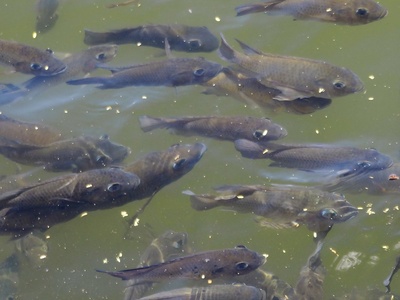
| Blackchin tilapia | Sarotherodon melanotheron | Brackish/estuarine — Lagoons, coastal creeks | 30 |
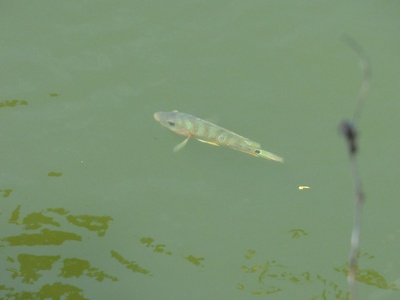
| Redbelly tilapia | Coptodon zillii | Freshwater/estuarine — Rivers, lagoons, ponds | 30 |
| Banded jewelfish | Hemichromis fasciatus | Freshwater/river — Mono River, streams | 25 |
| African pike | Hepsetus odoe | Freshwater/river — Mono River, tributaries | 60 |
| West African lungfish | Protopterus annectens | Freshwater/swamp — Seasonal pools, Mono River floodplains | 100 |
| Aba fish | Gymnarchus niloticus | Freshwater/slow rivers — Mono River, floodplain channels | 120 |
| Senegal mormyrid | Marcusenius senegalensis | Freshwater/river — Mono River and tributaries | 30 |
| Spotted tilapia | Coptodon mariae | Freshwater/river — Rivers, ponds, lagoons | 25 |
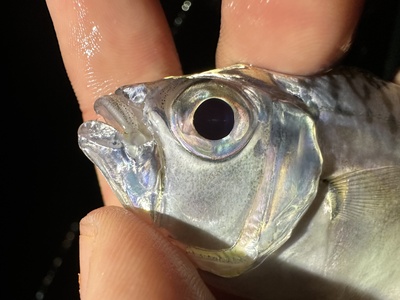
| Common ponyfish | Equulites klunzingeri | Estuarine/coastal — Lagoons, coastal mudflats | 20 |
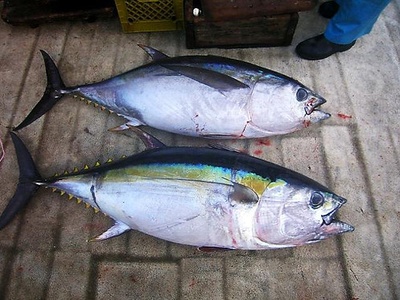
| Bigeye tuna | Thunnus obesus | Pelagic/offshore — Gulf waters, deep shelf | 240 |
Images and Descriptions

West African bonga
Small, silvery clupeid common in Togolese lagoons and estuaries. Often harvested as a staple forage and smoked fish; important for local fisheries. Populations fluctuate with fishing pressure and habitat change, but remain a key coastal resource.
Madeiran sardinella
Small schooling sardine found along Togo’s coast, prized for artisanal catches. Identified by silvery body and fine lateral stripes; abundant in upwellings but sensitive to overfishing and habitat shifts from coastal development.
Round sardinella
Pelagic schooling fish similar to other sardines; common in coastal waters off Togo. Important for bait and food fisheries. Recognizable by deep body and rounded belly; stocks influenced by seasonal productivity.
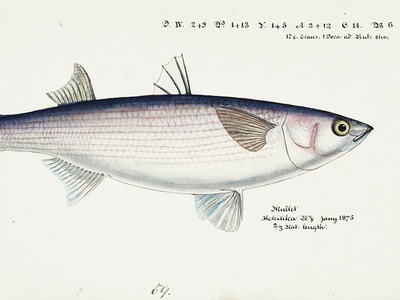
Flathead grey mullet
Large, gregarious mullet frequenting Togo’s lagoons and estuaries. Valued for smoked and salted products. Silvery body, strong horizontal migration between coastal and brackish waters; tolerant of varied salinity.
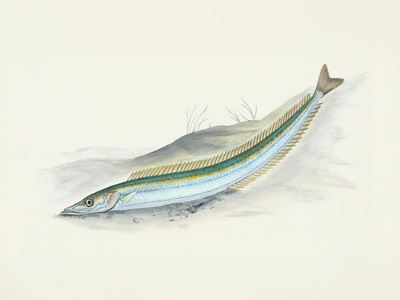
Longfin scad
Small carangid caught in coastal nets and line gear. Noted for long dorsal fin and compressed body; eaten locally and sold fresh. Occurs in schools over sandy bottoms.
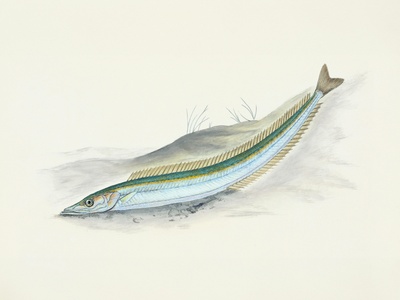
African horse mackerel
Common small jack often landed by inshore trawlers and artisanal boats. Recognizable by scutes along the lateral line; important for local markets and as bait for larger species.
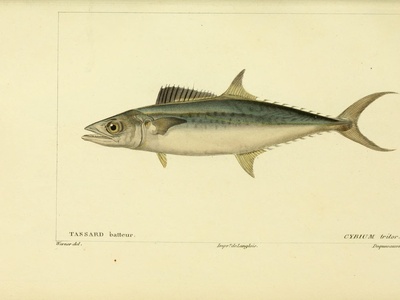
West African Spanish mackerel
Fast, predatory mackerel prized by anglers and fishers. Streamlined with spotted flanks; provides valued fresh and smoked meat. Vulnerable to overexploitation nearshore where it breeds and feeds.
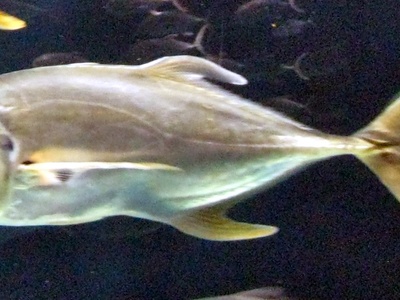
Crevalle jack
Robust, powerful jack frequenting Togolese estuaries and coastal waters. Popular sport and subsistence species, noted for strong fights on hook-and-line. Wide-ranging but impacted by coastal fishing.
African pompano
Striking deep-bodied carangid with filamentous dorsal fins as juveniles. Occurs near reefs and wrecks off Togo; caught by nets and lines. Sought for table value, sometimes bycatch in artisanal fisheries.
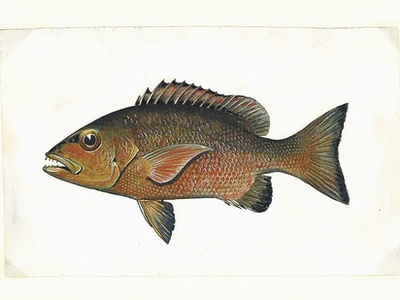
African red snapper
Medium-sized snapper inhabiting reefs and rocky substrates off Togo. Important food fish with reddish hues; vulnerable to overfishing because of slow growth and reef dependence.
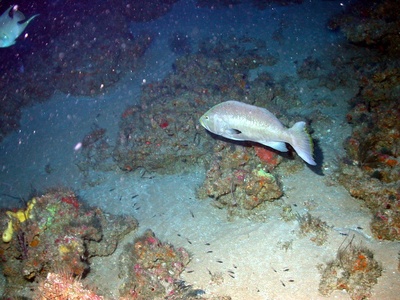
Grouper (yellowmouth)
Bottom-dwelling grouper occurring on rocky reefs and coastal structures. Heavy-bodied with mottled pattern; targeted by fishers for firm white flesh. Local populations sensitive to reef degradation and fishing pressure.
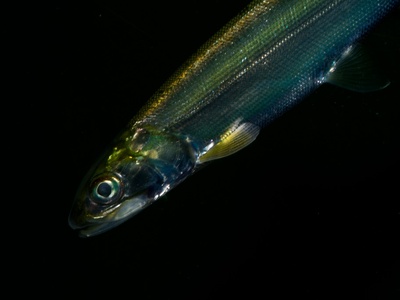
Ladyfish (ten-pounder)
Silvery, elongated coastal fish that enters brackish waters and estuaries. Noted for large schools and surface feeding habits; commonly caught by beach seines and artisanal gear.
Longfin tuna (Skipjack)
Fast, schooling tuna common in warm Gulf of Guinea waters. Key offshore and nearshore resource for local and industrial fisheries; muscular body used fresh, smoked, or canned.
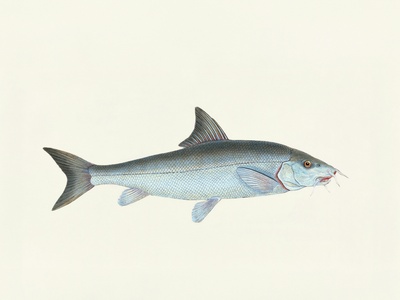
Yellowfin tuna
Large, powerful tuna occurring offshore of Togo; highly valued commercial species. Fast-swimming predator targeted by longline and purse-seine fleets; management critical to avoid overexploitation.
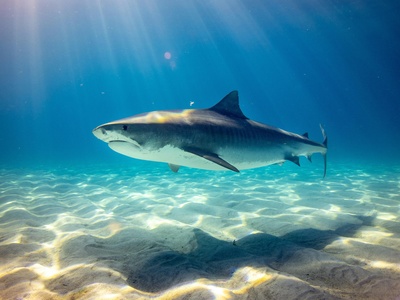
Bull shark
Stout-bodied shark known to enter estuaries and rivers, occasionally recorded in West African waterways. Opportunistic predator of coastal fisheries; encounters with people are rare but notable.
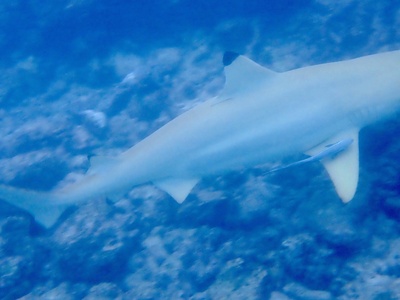
Blacktip shark
Common coastal shark frequenting shallow waters and beaches. Identified by black-tipped fins; taken as bycatch in artisanal nets and sometimes targeted by local fishers.
African sharptooth catfish
Robust, air-breathing catfish common in rivers and ponds across Togo. Highly tolerant of low oxygen, central to local diets and aquaculture. Strong swimmer with whiskers and scaleless skin.
Bagrid catfish
Silvery to bronze catfish frequenting brackish lagoons and lower river reaches. Valued for table use and local markets; commonly caught with traps and gillnets.
Nile tilapia
Widespread cichlid used in fisheries and aquaculture, established in many Togolese inland waters. Large, laterally compressed fish; farmed varieties exist but wild populations support small-scale fisheries.
Blackchin tilapia
Common in coastal lagoons and mangrove creeks; tolerant of brackish conditions and saltwater. Mouthbrooder prized in local diets; sensitive to habitat loss from mangrove clearance.
Redbelly tilapia
Resilient tilapia found in inland and brackish waters of Togo. Eaten locally and sometimes found in small-scale aquaculture; tolerant but can compete with native species where introduced.
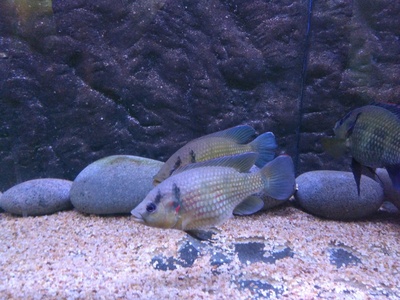
Banded jewelfish
Colorful cichlid with bright red and orange hues and vertical bands. Common in inland creeks and pools; territorial behavior noticeable in breeding pairs. Popular with local observers rather than commercial fisheries.
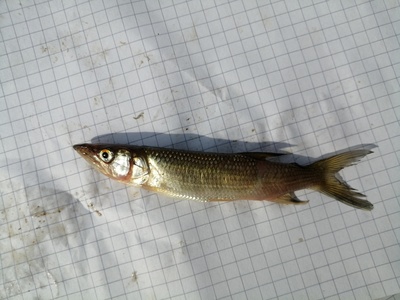
African pike
Ambush predator in freshwater rivers and pools. Long, slender body and large mouth with sharp teeth; known to prey on other fishes and valued in subsistence catches.
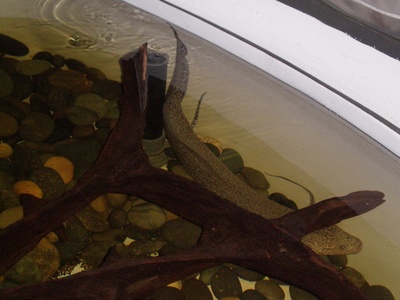
West African lungfish
Elongate lungfish able to aestivate in dry season muds; distinctive long body and filamentous fins. Important traditional resource and ecologically unique; vulnerable to wetland loss.
Aba fish
Eel-like knifefish with continuous dorsal fin and weakly toothed jaws. Nocturnal predator common in slow-moving river sections; sensitive to changes in water level and quality.
Senegal mormyrid
Small electric fish (mormyrid) common in West African rivers. Uses weak electric pulses for navigation and communication; of ecological interest and often abundant in slow-flowing waters.
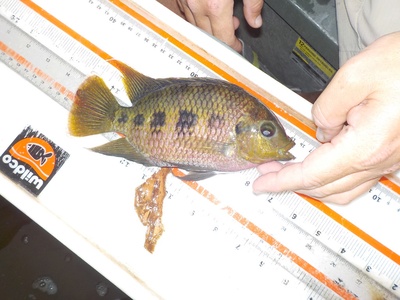
Spotted tilapia
Medium-sized tilapia with spotted pattern; common in West African inland waters including Togo. Locally harvested and occasionally in small-scale culture; tolerant of varied conditions.
Common ponyfish
Small, silvery coastal fish often found in sheltered lagoons and mudflats. Identified by deep body and small mouth; frequently captured in artisanal seine nets for local consumption.
Bigeye tuna
Large offshore tuna present in warm Gulf of Guinea waters. Highly migratory and sought by industrial fisheries; important for export and local economies, vulnerable to overfishing without management.