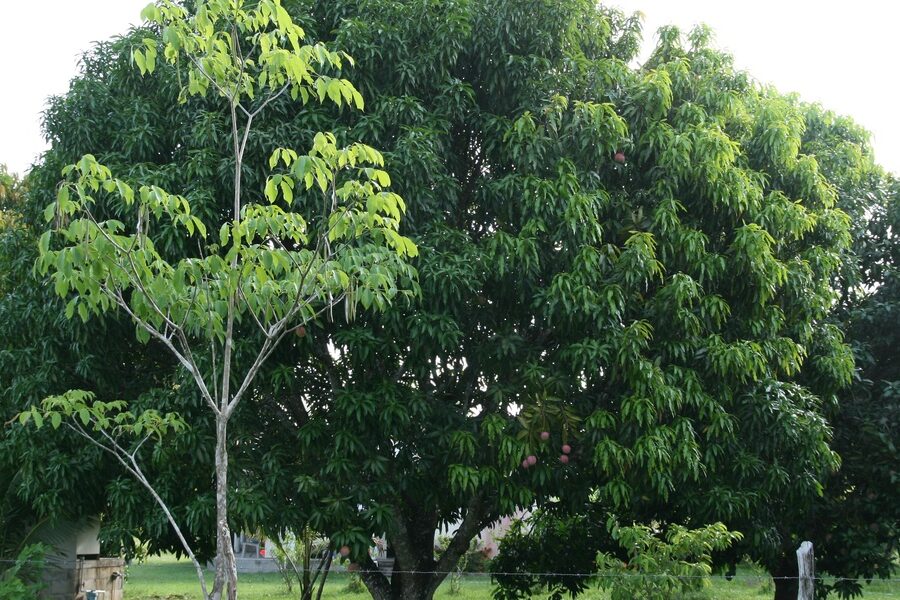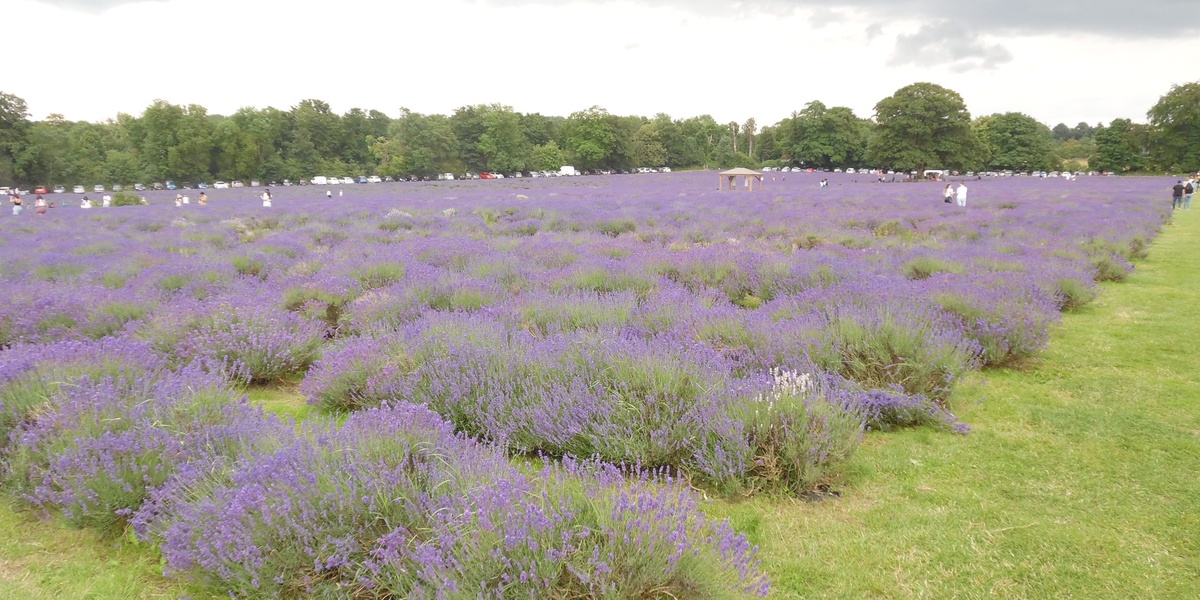
When 18th-century naturalists touring Provence and the Alps recorded a bewildering range of plants — from aromatic lavender fields to alpine edelweiss — they revealed a botanical diversity that still surprises visitors today. Their notes captured landscapes shaped by climate, geology and centuries of human care, and they hinted at a larger picture: there are about 4,700 native vascular plant species in metropolitan France.
That diversity matters because plants provide clean water, pollination, soil stabilization, timber and foods that anchor regional cuisines and economies. They also carry cultural meaning — think of lavender-scented markets in Provence or the mimosa parades on the Riviera — and many are vulnerable to development, tourism pressure, and a warming climate.
This article presents twelve representative species grouped by three broad habitats: Mediterranean and coastal, mountain and alpine, and woodland, meadow and cultural landscapes. Which species stand out, and why should they be protected?
Mediterranean and Coastal Species
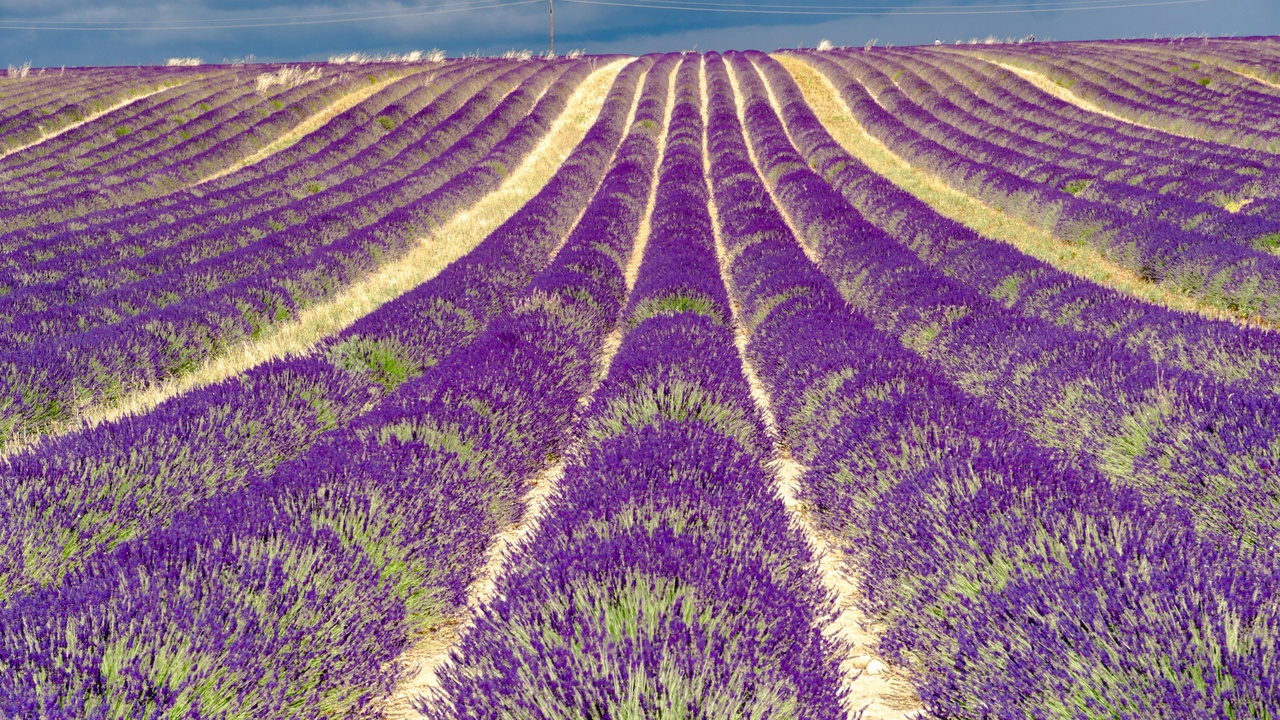
The Mediterranean band in southern France features hot, dry summers and mild winters, with coastal salt spray and often limestone-derived soils. Plants here are shaped by drought, wind and saline exposure; many are aromatic, sclerophyllous, and drought-tolerant. These communities underpin regional economies through perfume, olive oil and gastronomy, while coastal species support tourism and fisheries.
Human activity has both sustained and altered these landscapes: terraced groves and cultivated fields feed markets and tourists, yet development, intensive agriculture and summer visitors fragment habitats. Conservation efforts focus on maintaining varietal diversity in crops, protecting coastal cliffs and managing water, while local festivals and agro-tourism keep traditional plant uses alive.
1. French lavender (Lavandula angustifolia)
French lavender is emblematic of Provence and prized for its fragrance and essential oil. Harvest runs June–August, and large-scale cultivation around the Luberon and the Plateau de Valensole dates back centuries.
Lavender fuels perfumes and aromatherapy (brands such as L’Occitane source Provence lavender) and supports rural tourism via lavender routes and small distilleries. Monoculture plantings can reduce genetic diversity, so local cooperatives and artisan distillers work to preserve traditional varieties.
2. Olive tree (Olea europaea)
Olive trees are a defining feature of southeastern France, from Provence to the Alpes‑Maritimes, with cultivation stretching back to Roman times. Traditional terraced groves remain in use and form part of the region’s cultural identity.
Olives supply small-batch oils, flavor regional dishes, and support agro-tourism at village mills in Provence and on Corsica. Threats include shifting rainfall patterns and new pests, leading growers to diversify cultivars and adopt integrated pest management.
3. Maritime pine (Pinus pinaster) — Landes forests
Maritime pine dominates the Landes forest in southwestern France after 19th-century reclamation transformed roughly about 1,000,000 hectares into pine plantations. The Landes de Gascogne remains one of Europe’s largest planted forests.
These pines provide timber and resin, stabilize sandy soils along the coast and support recreation. They also pose management challenges, including fire risk and biodiversity trade-offs, so regional industry and park managers work on mixed‑use strategies and wildfire prevention.
4. Rock samphire (Crithmum maritimum)
Rock samphire is a salt‑tolerant halophyte found on rocky Atlantic and Mediterranean shores, clinging to sea cliffs and boulder fields where few plants survive. Its succulent, aromatic leaves tolerate saline spray and thin soils.
Locally prized as a seasonal wild vegetable and pickled condiment, rock samphire features on menus in Brittany and along Mediterranean coasts. Foragers and restaurateurs value it, while conservationists monitor cliff habitats that support nesting seabirds and specialized shore flora.
Mountain and Alpine Flora
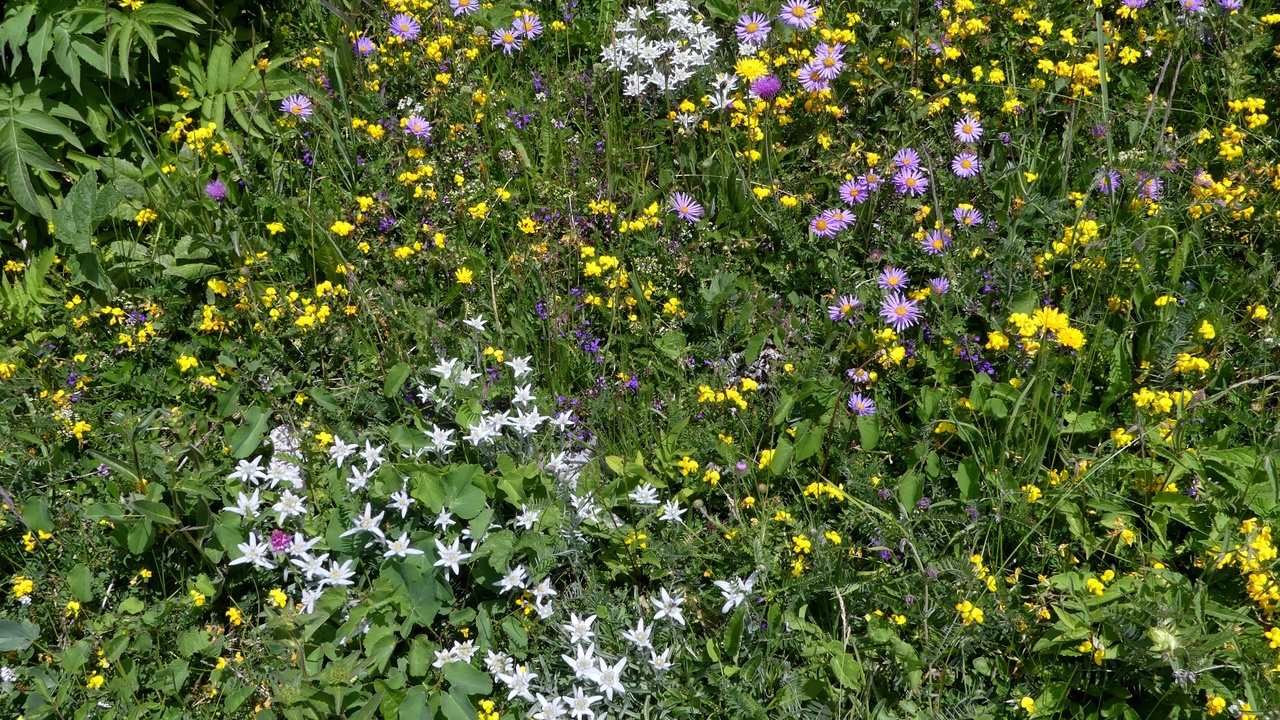
High-elevation environments in the Alps, Pyrenees and Massif Central present short growing seasons, intense UV, and steep climatic gradients. Plants adapt with low stature, cushion forms, hairy leaves and early flowering to make the most of brief summers.
These alpine species play outsized roles in hydrology and summer pastures, and they attract nature tourism. But ski infrastructure, trampling, and warming temperatures push treelines upward and threaten specialized communities, prompting protection inside parks such as Vanoise and Mercantour.
5. Edelweiss (Leontopodium alpinum)
Edelweiss is an iconic alpine flower and cultural symbol, typically found above roughly 1,800 meters. Its woolly, white bracts protect delicate reproductive parts from cold and UV.
Collectors once threatened wild plants, so many regions now protect edelweiss; you’ll see it represented on postcards and local logos. Vanoise and Mercantour National Parks report regular sightings and enforce rules against wild picking.
6. Gentian (Gentiana acaulis and relatives)
Gentians produce vivid blue flowers across alpine meadows and are horticultural favorites. Their roots have long been used to flavor bitters and regional liqueurs (think traditional gentian‑based aperitifs in Savoie).
Well-managed mountain pastures often support gentian-rich swards, and botanical gardens cultivate alpine gentians for conservation and education. Their striking color also makes them popular subjects for seasonal nature walks.
7. Mountain pine (Pinus mugo)
Mountain pine grows as a shrubby conifer in subalpine zones, where it stabilizes steep slopes and buffers exposed ridgelines. Its compact habit reduces wind damage and soil erosion.
Land managers use Pinus mugo in erosion-control and restoration projects, and shepherds value the shelter it provides near high‑elevation pastures. Stands near the treeline in the Alps and Pyrenees are typical sights on rocky ridges.
8. Alpine pasque flower (Pulsatilla alpina)
The alpine pasque flower blooms early in spring with nodding, bell-shaped flowers and a brief flowering window. It responds sensitively to grazing intensity and trampling, so its local abundance signals meadow health.
Naturalists use pasque flowering times in phenology studies to track climate shifts, and guided spring walks often spotlight these delicate blooms in high meadows monitored by mountain parks.
Woodland, Meadow and Cultural Plants
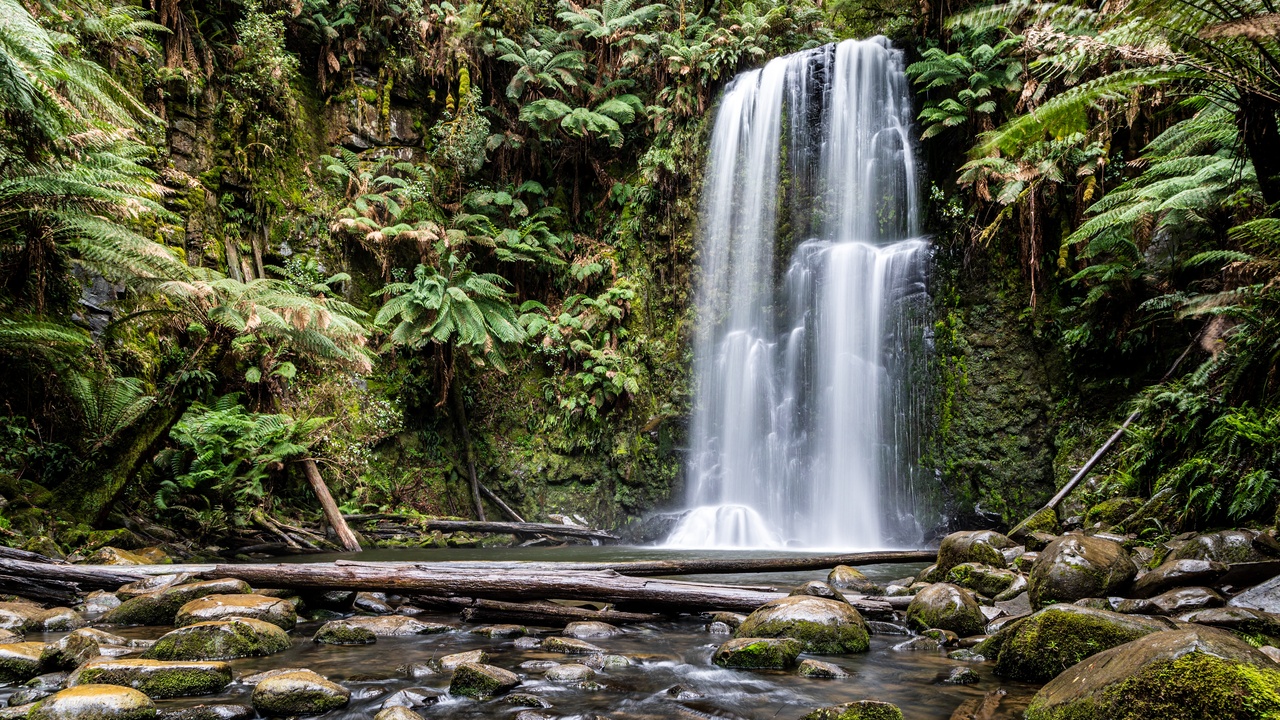
Across temperate France, deciduous woodlands, hedgerows, meadows and agroforestry systems sustain biodiversity and rural livelihoods. These cultural landscapes supply timber, forage, pollinator resources and traditional foods such as chestnuts and wild herbs.
Hedgerows and small woodlands act as corridors for wildlife, but land‑use change and intensive cropping have reduced their extent. Many local initiatives now promote meadow restoration, sustainable forestry and the preservation of chestnut groves and pollinator habitats.
9. European beech (Fagus sylvatica)
European beech is a foundational hardwood across northern and central France, forming shaded, humid understories that support a rich ground flora. Beech stands are common in the Ardennes and the Massif Central.
Beech timber supplies furniture and construction materials, and certified sustainable forestry programs include beech management to balance harvest with habitat values for woodland species.
10. Sweet chestnut (Castanea sativa)
Sweet chestnut trees are both ecological and cultural assets, especially in Corsica and southern mountain foothills. Chestnut groves have been cultivated for centuries and chestnut flour was a staple in rural diets.
Chestnuts feed artisanal markets (confit, flour) and feature in local festivals; Corsican groves and seasonal chestnut markets remain important for rural incomes and agroforestry biodiversity.
11. Common poppy (Papaver rhoeas)
The common poppy brightens disturbed fields and roadside verges across France, thriving in early-successional agricultural patches. Its red blooms are culturally resonant and ecologically useful.
Poppies provide early pollen for bees and are included in wildflower seed mixes used to restore field margins and roadside verges, where they also create striking spring displays in cereal landscapes.
12. Mimosa (Acacia dealbata) — Côte d’Azur
Mimosa trees bring bright yellow flowers to the French Riviera in late winter, and their blooms drive seasonal tourism. They’re widely planted in ornamental gardens and along coastal promenades.
Events such as the Mandelieu‑la‑Napoule Mimosa Festival celebrate the blossom, while nurseries on the Côte d’Azur supply cut flowers and ornamental stock for international markets.
Summary
- Twelve illustrative species highlight the ecological and cultural breadth of plant life across France (a small sample of roughly ~4,700 native vascular plant species).
- Many French plant species support regional economies, cuisines and festivals—from lavender and olive oil to chestnuts and mimosa tourism.
- Alpine specialists, coastal halophytes and cultivated trees each face pressures from climate change, development and land‑use change; protected areas like Vanoise and Mercantour help buffer these threats.
- Learn more and support local conservation groups or visit parks responsibly to help maintain this diversity; Flora of France depends on both policy and everyday stewardship.