A 20-pound baby alligator once became a college mascot overnight, and by the next game an entire region had a new local celebrity. That little animal’s name stuck to banners, T-shirts, and alumni stories in a way that a number or a logo never could.
Names do work magic: they turn an animal into a story people remember, care about, and act on. Named animals can teach children, sell merchandise, and sometimes nudge conservation conversations into public view.
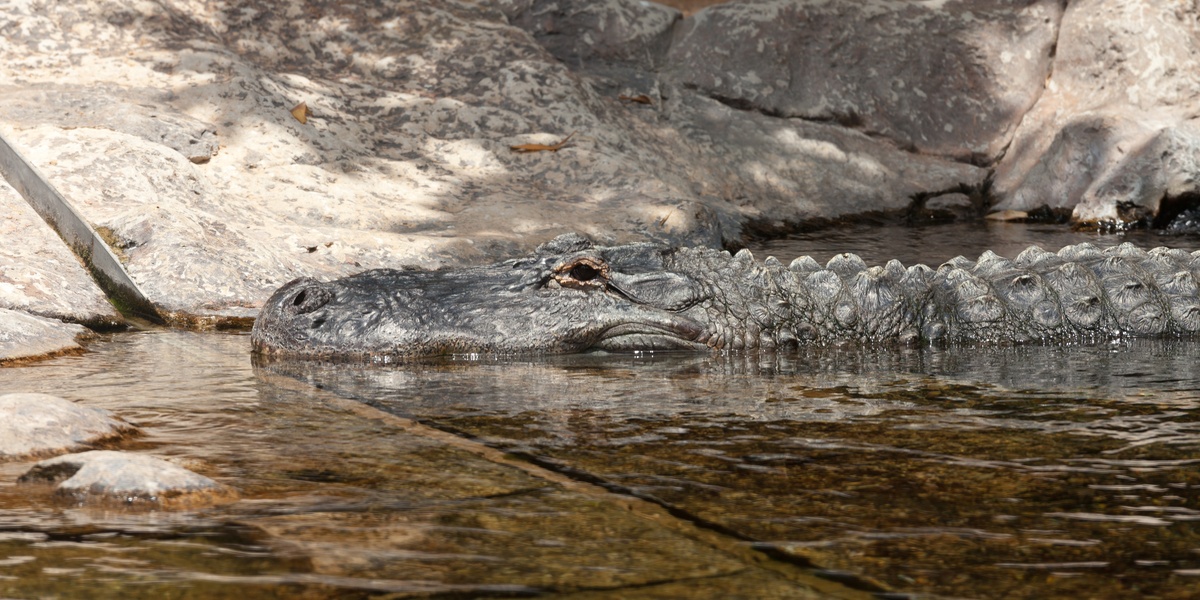
The American alligator itself provides useful context: adult males commonly reach about 13–15 feet at maximum and the species was removed from the U.S. Endangered Species Act in 1987 after successful recovery efforts. Below are five well-known examples — a mix of mascots, fictional characters, and a high-profile reptile often misidentified — plus what each represents and one takeaway for readers.
Mascots and Campus Icons
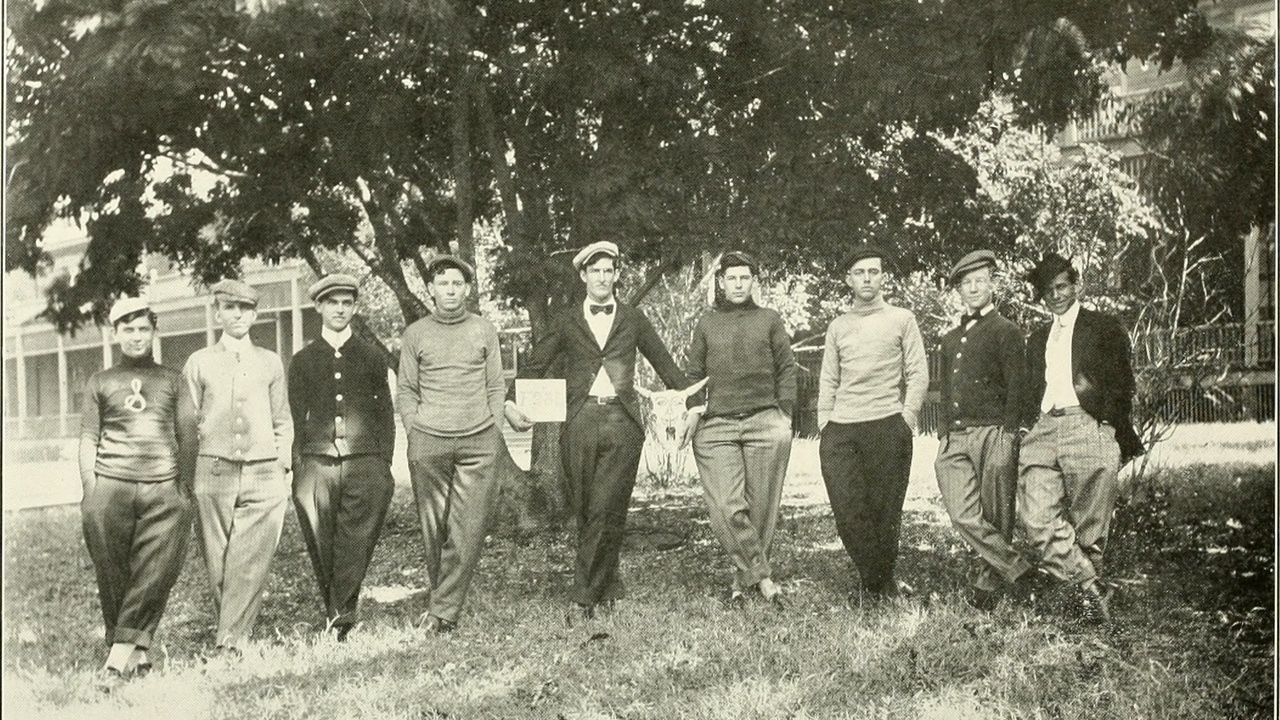
Colleges use alligator imagery to build identity and a sense of belonging. A mascot becomes shorthand for school spirit, alumni loyalty, and fundraising energy, especially at large football programs where stadiums regularly hold 60,000–100,000 fans.
That attachment is partly down to naming. A named mascot feels like a teammate, not just a logo, which makes fans more likely to buy apparel, attend events, and respond to alumni outreach.
There’s an ongoing ethical conversation about live-animal mascots versus costumed performers. Live animals require strict welfare oversight, specialized handling, and insurance; costumed characters offer broader outreach options for appearances, school tours, and sponsor partnerships with fewer welfare concerns.
1. Albert E. Gator — The College Mascot Who Became a Brand
Albert E. Gator is one of the most recognizable alligator mascots in U.S. college sports and serves as an identity anchor for fans. He appears at home games, bowl trips, parades, and alumni events, giving a friendly, photogenic face to the program.
Major programs monetize mascots through licensed merchandise, paid appearances, and sponsorship deals. Game-day choreography and halftime routines add spectacle, while mascot visits at charity drives help schools connect with local communities.
On many game days Albert joins alumni tailgates, community outreach, and youth programs, which strengthens the brand beyond the scoreboard and often raises money for scholarships and local causes.
Fictional Alligators Who Left a Mark
Fictional reptile characters shape how people — especially kids — think about a species. Playful sidekicks can soften fear, while villainous portrayals can harden it. Storytellers who respect biology and culture can turn that influence into curiosity or conservation support.
These famous alligators (and their names) often carry cultural meaning beyond their stories: they sell toys, inspire costumes, and introduce young audiences to regional music or manners tied to place.
2. Wally Gator — Saturday-Morning Charm (1962)
Wally Gator debuted in 1962 as a polite, fedora-wearing cartoon from Hanna-Barbera. His gentle, comedic persona presented an alligator as approachable rather than scary.
The show’s syndication through the 1960s and into reruns helped Wally reach multiple generations, and that translated into a steady market for vintage toys and collectibles decades later.
For many viewers, Wally set an early template: an alligator character could be charming, educate through humor, and normalize a species that otherwise shows up mainly in nature documentaries.
3. Louis — The Jazz-Playing Alligator from The Princess and the Frog (2009)
Louis is the trumpet-loving alligator who appears in Disney’s 2009 film The Princess and the Frog. He offers comic relief while anchoring parts of the story in New Orleans jazz traditions.
By linking an alligator to local music and culture, Louis nudged younger viewers toward an appreciation of regional history and musical styles, sometimes serving as an entry point for music lessons or classroom conversations about the American South.
Educators and programmers have used scenes of Louis playing to introduce brass instruments, improvisation, and the idea that animals in stories can reflect human culture in playful ways.
Real Reptiles (and a Caution About Mislabels)
Real named reptiles can dominate headlines and shape public attitudes long after their stories break. But not every famous “gator” is an alligator; some are crocodiles, and that distinction matters for conservation and public understanding.
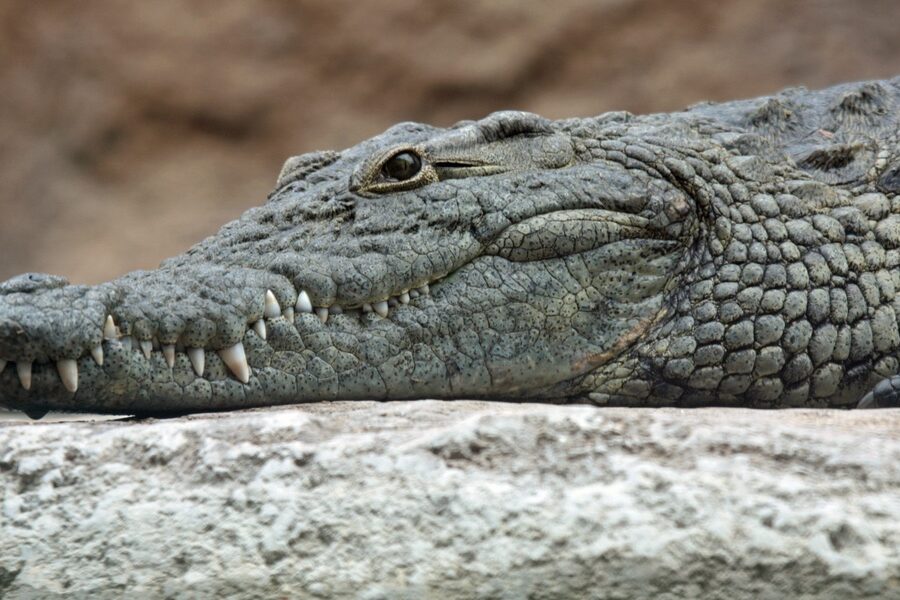
Learning a few quick ID tips helps: alligators tend to have broader, U-shaped snouts, crocodiles more V-shaped; crocodiles have functional salt glands that allow them into saltier water; and geography helps too — American alligators live in the southeastern U.S., while Nile crocodiles are African.
Naming an animal can humanize it and draw donations or research attention, but accurate labeling ensures conservation resources go to the right populations and threats.
4. Leatherhead — The Mutant Alligator from TMNT (1980s onward)
Leatherhead originated in the Teenage Mutant Ninja Turtles comics in the 1980s and later appeared in animated series and films. The character has been portrayed both as a villain and as a sympathetic antihero.
Grittier versions of Leatherhead appealed to older fans and collectors, fueling action-figure lines and limited-edition releases that tap nostalgia markets.
The evolution of Leatherhead across media shows how darker, complex portrayals expand a character’s reach into teen and adult fandoms while supporting a vibrant merchandise ecosystem.
5. Gustave — Famous (But Not an Alligator) — Why Labels Matter
Gustave became internationally known as a large Nile crocodile in Burundi whose alleged attacks on humans drew news coverage in the 1990s and 2000s. It’s important to say clearly: Gustave is a crocodile, not an alligator.
That confusion is common, and it can misdirect conservation messages. A sensational crocodile story in Africa doesn’t translate to the same management practices used for American alligators.
Quick ID reminders: U-shaped snout (alligator) versus V-shaped snout (crocodile), salt tolerance differences, and separate global ranges. Journalists and educators who use accurate species names help the public support appropriate protection and research.
Summary
- Names create attachment and attention, turning animals into stories people remember.
- Fictional and mascot alligators shape public attitudes and can be leveraged for education and fundraising.
- Accurate species identification matters—mislabels can misdirect conservation efforts.
- Check your local wildlife agency’s resources or visit a nearby nature center to learn one fact about local reptiles.