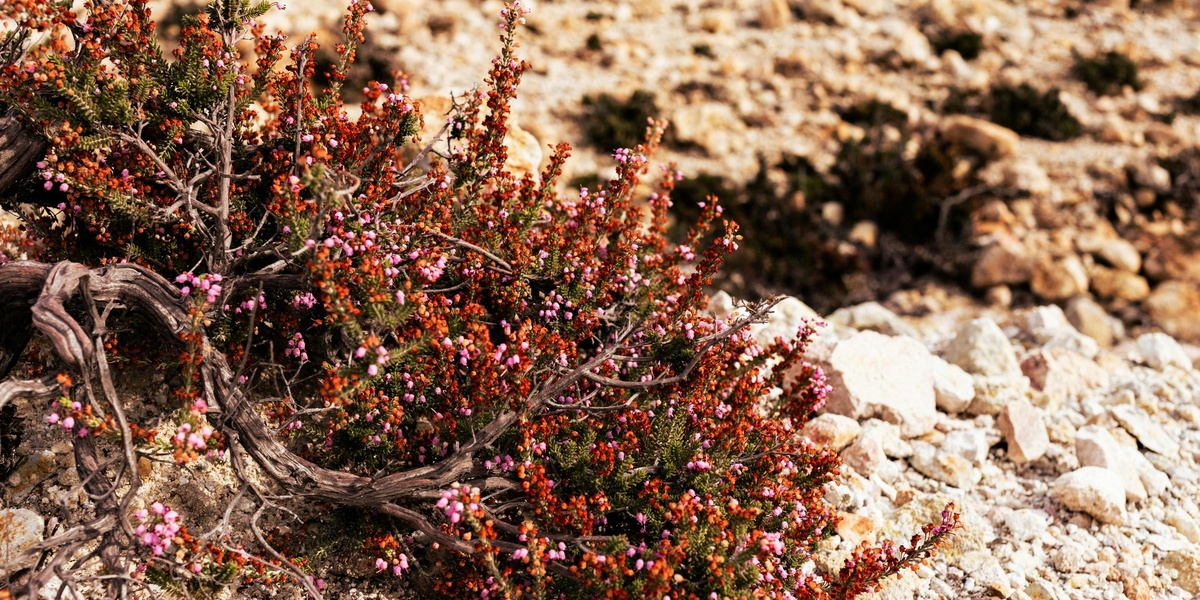
In 1980, when Mount St. Helens erupted, miles of slopes were stripped to bare pumice and rock. Within a few years those blasted slopes looked less like moonscapes and more like the first stages of a living landscape: moss and lichens clinging to cooled lava, pockets of herbaceous plants shading tiny islands of soil, and by the end of the decade visible plant cover appearing across broad swaths in many areas. Similar patterns have been recorded in Glacier Bay, where primary succession has unfolded over roughly 200 years, with clear stages from bare rock to shrub and tree-dominated communities. These scenes matter because the traits that let life arrive and persist after disturbance influence restoration success, garden planning on difficult sites, and ecosystem resilience to climate-driven change.
Pioneer species possess a distinct suite of traits — from tough physiology to prolific dispersal — that let them colonize bare, newly formed or disturbed habitats and set the stage for ecological succession.
The sections that follow group eight core attributes into three categories: physical and physiological adaptations; reproductive and dispersal strategies; and ecosystem roles and interactions.
Physical & Physiological Adaptations
1. Ability to tolerate extreme abiotic stress
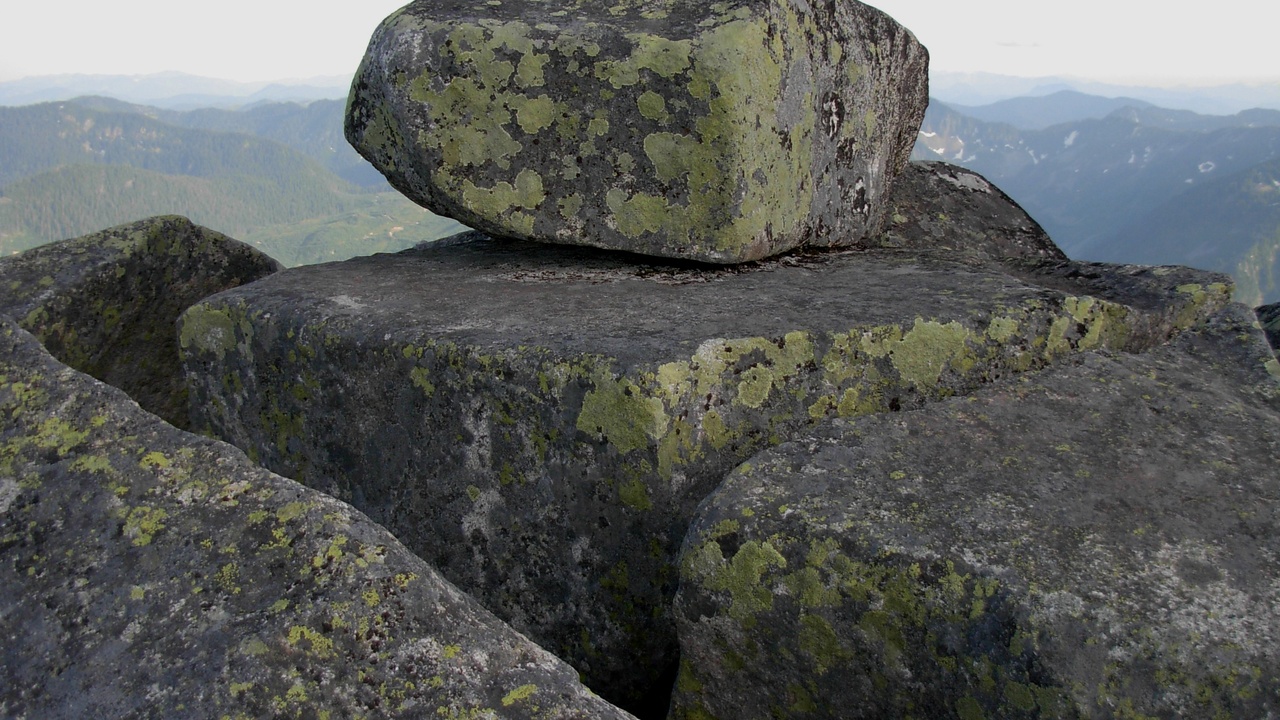
Many first-arriving species survive extremes of temperature, desiccation and nutrient scarcity that exclude most vascular plants. Crustose lichens (for example, Rhizocarpon and Xanthoria) can dry completely and resume metabolism when rehydrated, and some grow very slowly—often on the order of 0.5–5 mm per year—yet persist on bare rock for decades.
Mosses that colonize glacial till begin photosynthesizing at low temperatures and can maintain metabolic activity near freezing, giving them a seasonal head start where soils remain cold. Practical takeaway: select lichens and mosses (or their ecological equivalents) for restoration on cold, dry, or nutrient-poor substrates to jump-start ground cover and microhabitat formation.
2. Rapid establishment and fast early growth
Early vigor gives pioneers a foothold before competitors arrive. Species such as fireweed (Chamerion angustifolium) famously recolonized large areas of Mount St. Helens within a few years, and on many disturbed sites visible herbaceous cover returns within about 3–10 years depending on conditions.
That rapid growth usually comes with short-lived tissues and high photosynthetic rates—traits tuned for quick resource capture rather than long-term persistence. In practice, restoration teams use fast-establishing annuals and perennials to control erosion and provide shade for slower-growing natives.
3. Ability to chemically and mechanically alter substrate
Pioneers don’t just tolerate bare rock and sand; many actively change it. Lichens secrete organic acids that accelerate mineral breakdown, and root systems of grasses and herbs physically wedge into cracks and trap windblown dust and organic debris.
These actions initiate soil formation and organic-matter accumulation over years to decades, and they’re often assisted by fungal and bacterial partners that process minerals and make nutrients available. For restoration, using species that promote biological weathering and early soil buildup improves the odds that later-successional plants will take hold.
Reproductive & Dispersal Strategies
4. High fecundity and production of many small seeds
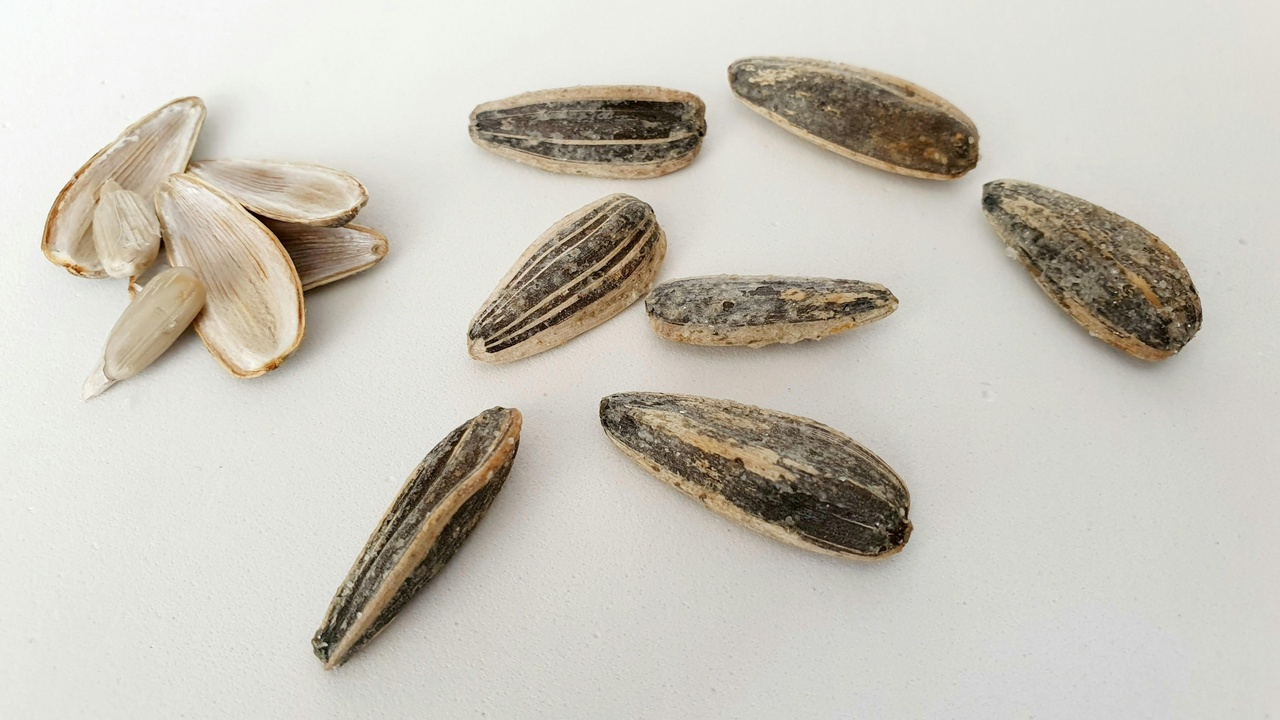
Pioneer species often trade seed size for number, producing hundreds to thousands of small, durable seeds (or fungal spores) each season. Small propagules increase the chance that at least some will land in the few microsites suitable for germination in a patchy, newly formed landscape.
That trade-off explains why plants from the Asteraceae—dandelions, for instance—are common early on and why many reclamation seed mixes include prolific grasses and forbs to ensure rapid cover.
5. Efficient dispersal mechanisms (wind, water, animals)
A range of dispersal vectors helps pioneers reach bare substrate. Wind can carry tiny seeds or cottony seed hairs meters to kilometers (cottonwoods and birches are known to disperse widely), while birds and mammals transport fleshy fruits or burrs long distances.
Episodic events—storms, floods or volcanic ash clouds—can enable jump dispersal that establishes populations on newly exposed islands or lava flows. Understanding these vectors helps predict colonization pathways and manage invasive spread in disturbed areas.
6. Seed dormancy and persistent seed banks
Dormancy lets many pioneers wait underground for favorable conditions. Seed-bank lifespans vary by species from several years to multiple decades, and buried seeds can germinate en masse after soil disturbance or changes in light and temperature.
For restoration, managers sometimes tap the existing soil seed bank instead of—or in addition to—broadcasting seed, while agronomists consider seed-bank dynamics when planning tillage or invasive-species control.
Ecosystem Roles & Species Interactions
7. Soil formation and nutrient enrichment (including nitrogen fixation)
Pioneers are often the architects of early soil and nutrient accumulation. Nitrogen-fixing legumes such as lupines introduced onto fresh volcanic substrates can increase soil N and organic matter noticeably within years to decades, creating conditions that support later species.
Beyond nitrogen, pioneers contribute litter and root exudates that build microbial communities, improve soil structure and alter moisture retention and pH. For restoration on nutrient-poor sites, planting nitrogen-fixing pioneers is a proven tool to accelerate fertility.
8. Facilitation: creating habitat for later-arriving species
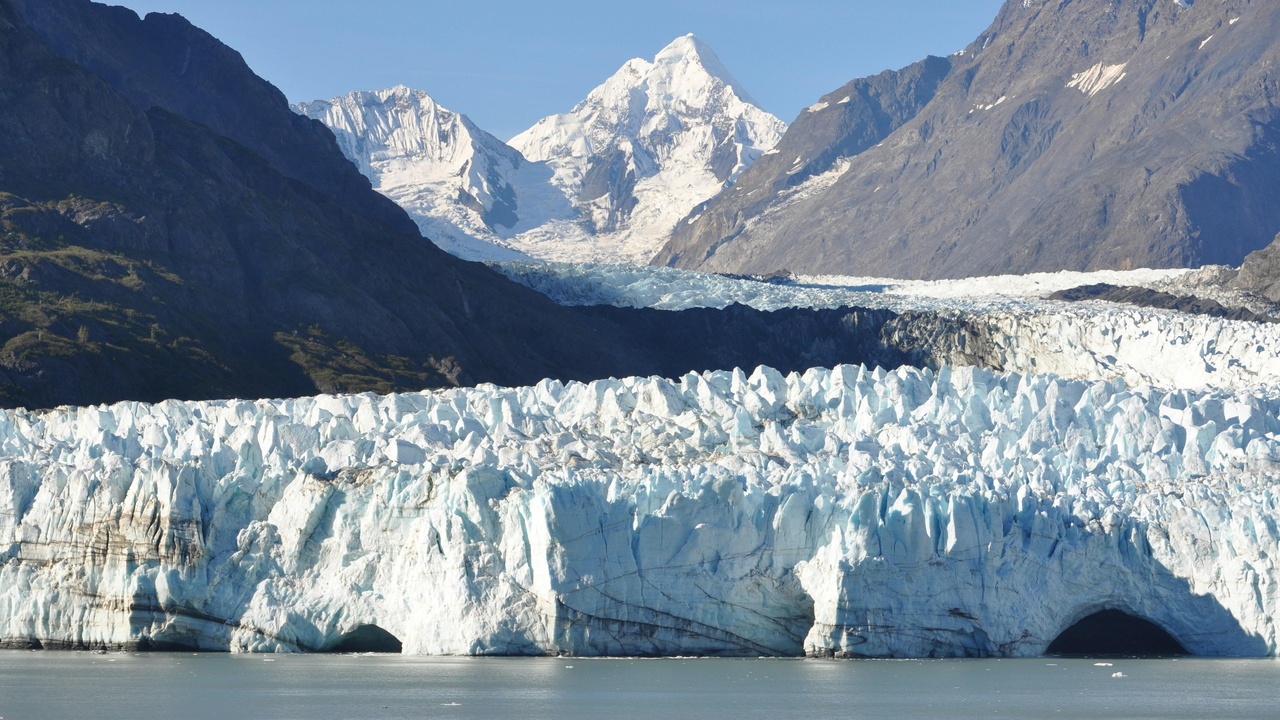
Pioneer plants modify microclimate—providing shade, reducing wind speed, and adding mulch—that allows shade-tolerant or moisture-sensitive species to establish. In Glacier Bay and at Mount St. Helens, observers documented predictable sequences where lichens and mosses gave way to herbaceous mats, then shrubs, and eventually trees over decades to centuries.
These facilitation cascades mean that encouraging the right early colonizers can shorten recovery times in restoration projects. Understanding these dynamics helps conservationists decide which pioneers to protect, plant or remove depending on goals.
Because these attributes together define how ecosystems rebuild after disturbance, the term characteristics of pioneer species helps frame practical choices in restoration and landscape design.
Summary
- Pioneers survive extremes (desiccation, cold, low nutrients) and often grow slowly at first (lichens: ~0.5–5 mm/yr) or quickly to capture resources (fireweed and grasses), producing visible cover on some sites within about 3–10 years.
- They rely on reproductive strategies—high fecundity, efficient long-distance dispersal and persistent seed banks—to reach and recolonize disturbed ground.
- Pioneers build soil and fertility (nitrogen-fixing lupines can boost soil N in years to decades), creating microhabitats that facilitate shrubs and trees over decades to centuries (Glacier Bay ~200+ years; Mount St. Helens, 1980 onwards).
- Actionable step: try planting a small patch of restoration-friendly pioneers (for example, native lupine or fast-establishing grasses) on a difficult site to stabilize soil and jump-start succession.