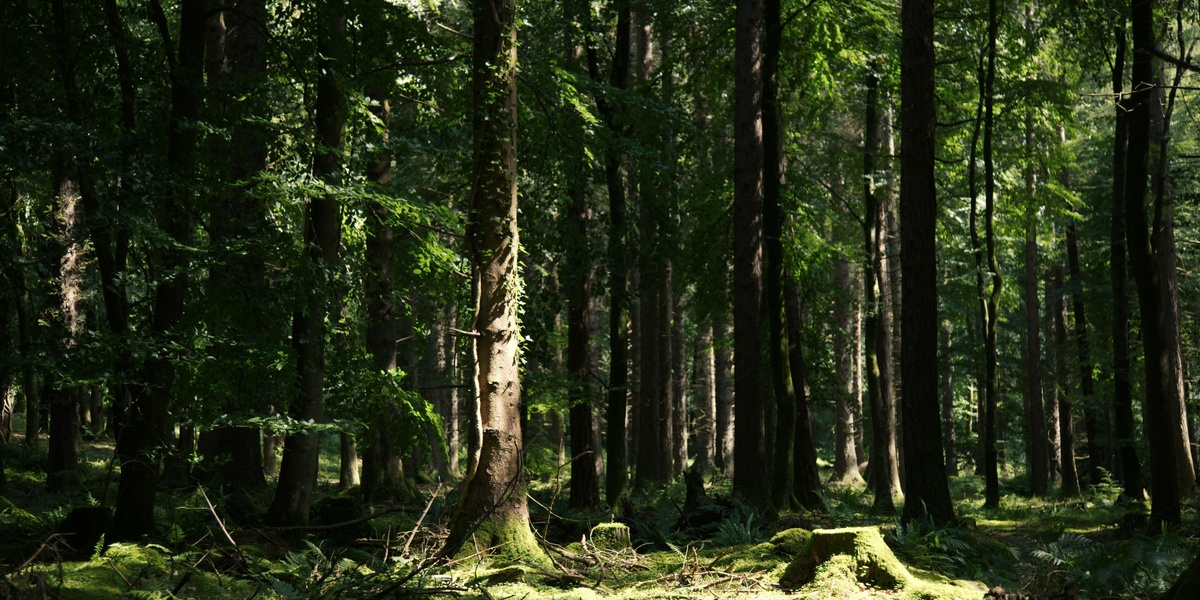
On March 21, 1971, the United Nations designated International Day of Forests to raise public awareness about forests’ role around the world. Yet many people still think of forests as “just trees” and miss how those landscapes underpin food supplies, culture, local weather and entire economies. Forests cover roughly 31% of the Earth’s land area (FAO) and support about 1.6 billion people’s livelihoods (FAO), so the stakes are high.
Forests are foundational infrastructure for people and the planet—supporting biodiversity, regulating climate and water cycles, sustaining livelihoods, and inspiring science and culture.
Below are twelve clear, evidence-backed reasons why forests matter across ecology, climate, economy, health, culture and science. Read on with an eye for concrete examples and practical implications.
Ecological and Biodiversity Benefits
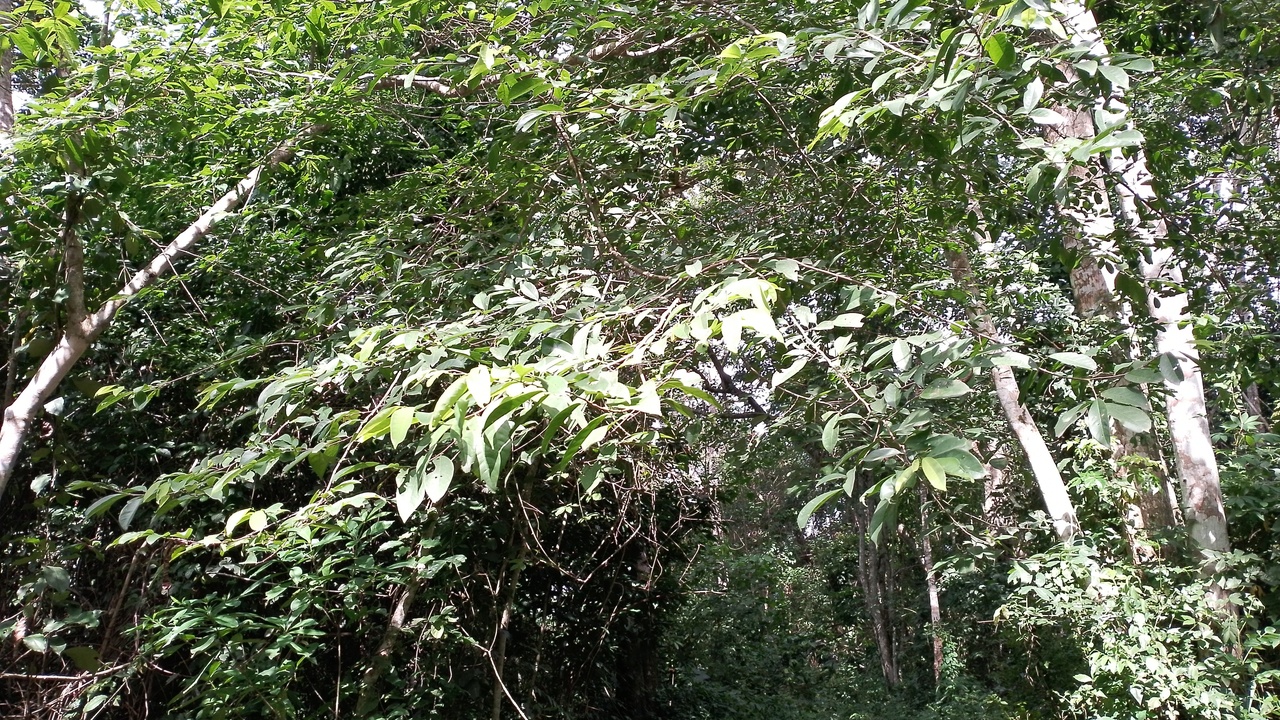
Forests are living systems that host the majority of the planet’s terrestrial biodiversity and keep ecosystems functioning. They provide habitat complexity, food webs and interactions that sustain species-rich communities.
1. Habitat for wildlife and plant diversity
Forests rank among Earth’s richest habitats, sheltering a large share of terrestrial species (FAO, IUCN). Tropical rainforests—like the Amazon, Congo and Southeast Asian forests—are biodiversity hotspots where birds, insects, amphibians and plants coexist in dense, layered habitats.
Endemism is common: Madagascar’s lemurs evolved in isolation on forested islands, and many cloud-forest orchids exist nowhere else. When forest patches are cleared or fragmented, species with small ranges decline rapidly and food webs unravel, with ripple effects on pollination, pest control and human food security.
2. Pollination, seed dispersal, and lifecycle support
Forests sustain the animals and plants that move pollen and seeds, processes essential for forest regeneration and nearby agriculture. Pollinators and seed dispersers often rely on intact forest patches for nesting, roosting and seasonal resources.
Fruit bats in Southeast Asia ferry seeds across fragmented landscapes, while bees nesting in hedgerows and shade trees boost coffee and cacao yields for farmers. When fragments lack these habitats, pollinator abundance and crop yields decline, showing how forest connections underpin both wild and cultivated lifecycles.
3. Soil protection and nutrient cycling
Trees protect soils with roots that bind earth and a leaf litter layer that cushions rain, slows surface runoff and feeds microbial communities. That cycling of organic matter maintains fertility over decades and centuries.
When forests are removed, erosion and nutrient loss tend to accelerate, increasing landslide risk on steep slopes and filling reservoirs with silt. Practical examples include mountain slopes stabilized by native woodlands and forest buffers that reduce sedimentation into downstream reservoirs—both actions that preserve long‑term land productivity.
Climate Regulation and Environmental Services
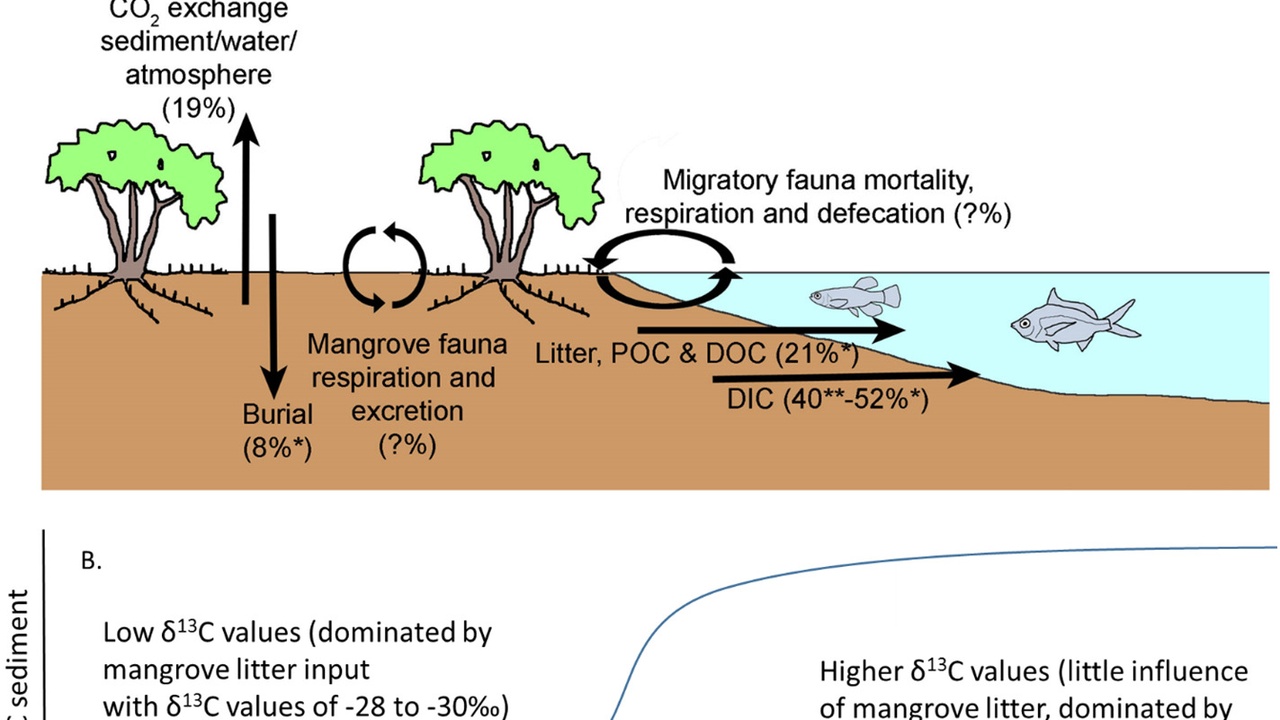
Among the reasons why forests are important is their critical role in absorbing and storing carbon, regulating local and regional climate, and buffering water extremes—services that matter for farms, cities and national climate commitments.
4. Carbon storage and climate mitigation
Forests are one of the largest terrestrial carbon reservoirs. Living biomass and soils together hold hundreds of gigatons of carbon, so changes in forest extent and condition affect global greenhouse gas budgets (IPCC, FAO).
Stopping deforestation, restoring degraded woodlands and protecting peatlands are among the most cost-effective mitigation strategies available. Programs such as REDD+ aim to finance avoided deforestation, while large reforestation efforts—from China’s belt programs to European rewilding—show how policy and finance can move carbon outcomes.
5. Local climate and water-cycle regulation
Forests influence rainfall, humidity and temperature at local and regional scales. Transpiration from large forest basins helps generate inland precipitation and keeps seasonal patterns more reliable.
The “flying rivers” of the Amazon transport moisture across South America, affecting rainfall over distant agricultural zones, and urban tree canopies lower summer temperatures in neighborhoods. Losing tree cover can therefore increase drought risk and heat stress for people and crops.
6. Flood control, erosion prevention, and water purification
Forested watersheds slow surface runoff, enhance infiltration and trap sediments, which reduces downstream flood peaks and improves water quality for drinking and irrigation.
Protected upland forests above reservoirs often eliminate the need for costly filtration infrastructure. A classic example is New York City’s Catskills watershed: investment in upstream forest protection delivered reliable drinking water at lower cost than building a new filtration plant.
Economic and Community Benefits

Forests generate tangible economic value: from formal timber industries and engineered wood products to non-timber forest products, fuelwood, and nature-based tourism that supports local economies and traditions.
7. Jobs, timber, and sustainable forest industries
Forestry supplies employment across harvesting, processing and management, including sawmills, engineered-wood manufacturing and urban-forestry crews. Certification schemes such as FSC help producers access premium markets for sustainably sourced timber.
Regions with sustainable supply chains—Scandinavian countries and parts of Central Europe, for example—show how careful management can provide steady timber harvests while maintaining forest health and long-term yields.
8. Food, medicine, and non-timber forest products
Forests supply fruits, nuts, mushrooms, resins and medicinal plants that contribute to diets and household incomes. Non-timber forest products (NTFPs) can be critical safety nets during lean seasons.
Examples include Brazil nut harvesting in the Amazon, which supports rural families, and plant-derived compounds that have informed medicines—historically salicylates from willow bark led to aspirin. Agroforestry systems also integrate trees with crops and livestock, boosting resilience and yields.
9. Ecotourism, recreation, and local economies
Forest landscapes attract visitors for wildlife viewing, hiking and cultural experiences, creating jobs for guides, lodge operators and transport services. Nature-based tourism often funds local conservation and provides alternatives to destructive land uses.
Costa Rica’s rainforest tourism is a high-profile example where protected forests support a substantial tourism industry, and community-run lodges in East Africa or Latin America show how local enterprises can benefit directly from intact forests.
Human Health, Culture, and Scientific Value

Forests contribute to physical and mental wellbeing, hold deep cultural significance for Indigenous and local communities, and serve as living laboratories for scientific discovery and education.
10. Physical and mental health benefits
Access to forests improves air quality, encourages physical activity and reduces stress. Research from Japan’s Shinrin-yoku studies reports measurable reductions in cortisol and blood pressure after time spent in forest environments.
Urban tree planting and park-prescription programs in some health systems are practical responses to these benefits, improving respiratory health and lowering heat-related illnesses while giving people affordable ways to stay active.
11. Cultural, spiritual, and Indigenous significance
For hundreds of Indigenous communities, forests are central to identity, spirituality and livelihoods. Traditional ecological knowledge embedded in those cultures guides sustainable use and stewardship that modern management increasingly recognizes.
Examples include sacred groves in India, customary management systems across the Pacific, and Indigenous co‑management arrangements in parts of Canada and Australia that combine local rights with conservation outcomes.
12. Scientific research, education, and inspiration
Forests are indispensable for environmental science, drug discovery and materials research. Long-term ecological research sites help track climate impacts and inform policy, while new species and compounds continue to be discovered in rich forest ecosystems.
Historical examples include the chemistry behind willow bark leading to salicylates and eventually aspirin; contemporary work at LTER sites and citizen-science networks continues to expand our understanding of ecosystem dynamics and resilience.
Summary
- Forests provide the structural habitat for most terrestrial biodiversity and sustain key processes—pollination, seed dispersal and soil nutrient cycling—that keep ecosystems productive.
- They are major carbon stores and water regulators, so protecting and restoring forests reduces emissions, stabilizes rainfall and lowers flood and erosion risks.
- Nearly 1.6 billion people depend on forests for income, food and cultural identity; sustainable forest industries, NTFPs and ecotourism offer tangible livelihood pathways.
- Access to forests improves physical and mental health, preserves Indigenous knowledge and fuels scientific discoveries—from medicines to long-term climate science.
- On International Day of Forests (March 21) and beyond, support reputable organizations (UNEP, FAO) or local tree-planting and protection initiatives to safeguard these values—after all, the reasons why forests are important translate directly into human well‑being and planetary resilience.