The Mediterranean region is a mosaic of sun-baked coasts, limestone hills and cooler uplands where trees shape local ecosystems and culture. Seasonal droughts and varied soils mean the tree mix here is distinctive — a blend of pines, oaks, fruiting species and drought-adapted shrubs that define each landscape.
There are 54 mediterranean forest trees, ranging from Aleppo pine to Wild cherry. For each species the data are organized as Scientific name,Max height (m),Native range, and you’ll find below.
How can I identify common Mediterranean forest trees in the field?
Start with habit (tree, shrub or pine), then check leaves or needles, bark texture, and any fruits or cones; season and location help narrow choices. Use the Max height (m) and Native range columns to rule out unlikely species for your elevation or coast, and compare a specimen to similar entries like Aleppo pine (needle/cone features) versus Wild cherry (broad leaves, fruit).
Which species on the list are native or especially drought-tolerant?
The Native range column shows where each tree is originally from; many entries are regional endemics while others have broader Mediterranean distributions. Pines, some oaks and evergreen shrubs tend to be most drought-tolerant, but the table below gives species-level detail so you can match tolerance to your local conditions.
Mediterranean Forest Trees
| Common name | Scientific name | Max height (m) | Native range |
|---|---|---|---|
| Holm oak | Quercus ilex | 25 | Western Mediterranean, Iberia to Turkey, North Africa |
| Cork oak | Quercus suber | 20 | Iberian Peninsula, Sardinia, NW Africa |
| Downy oak | Quercus pubescens | 20 | Southern Europe, Western Asia, North Africa |
| Portuguese oak | Quercus faginea | 20 | Iberian Peninsula, southern France |
| Pyrenean oak | Quercus pyrenaica | 20 | Iberian Peninsula, parts of Morocco |
| Turkey oak | Quercus cerris | 25 | SE Europe to Anatolia, parts of Mediterranean |
| Mount Tabor oak | Quercus ithaburensis | 18 | Levant: Israel, Palestine, Lebanon, Syria, Jordan |
| Aleppo pine | Pinus halepensis | 20 | Iberia to Levant, North Africa |
| Stone pine | Pinus pinea | 25 | Mediterranean Basin, widely naturalized |
| Maritime pine | Pinus pinaster | 30 | Western Mediterranean: Iberia, France, N Africa |
| Turkish pine | Pinus brutia | 30 | Eastern Mediterranean: Turkey, Cyprus, Levant |
| Black pine | Pinus nigra | 40 | Mediterranean mountains from Iberia to Turkey |
| Bosnian pine | Pinus heldreichii | 30 | Balkans, southern Italy, Greece mountains |
| Olive | Olea europaea | 15 | Native across Mediterranean Basin |
| Carob | Ceratonia siliqua | 15 | Eastern Mediterranean, North Africa, Iberia |
| Terebinth | Pistacia terebinthus | 10 | Mediterranean Europe, W Asia, N Africa |
| Atlantic pistachio | Pistacia atlantica | 15 | N Africa, parts of Eastern Mediterranean |
| European nettle tree | Celtis australis | 25 | Mediterranean Basin, S Europe, W Asia |
| Narrow-leaved ash | Fraxinus angustifolia | 25 | Europe, Mediterranean rivers and wetlands |
| Manna ash | Fraxinus ornus | 15 | Southern Europe, W Asia |
| Oriental plane | Platanus orientalis | 35 | Balkans, Turkey, Near East |
| Montpellier maple | Acer monspessulanum | 12 | Mediterranean Europe, N Africa, W Asia |
| Strawberry tree | Arbutus unedo | 12 | Western Mediterranean, N Africa |
| Greek strawberry tree | Arbutus andrachne | 15 | Eastern Mediterranean, Aegean islands |
| Bay laurel | Laurus nobilis | 18 | Mediterranean Basin |
| European beech | Fagus sylvatica | 40 | Europe including Mediterranean mountains |
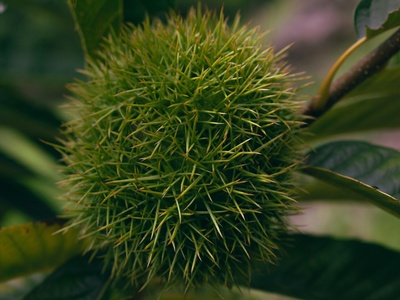
| Sweet chestnut | Castanea sativa | 30 | Southern Europe, Mediterranean mountains |
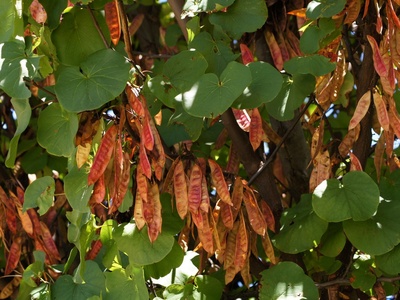
| Judas tree | Cercis siliquastrum | 10 | Mediterranean Basin, W Asia |
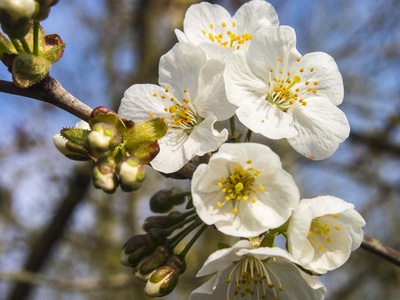
| Wild cherry | Prunus avium | 30 | Europe including Mediterranean mountains |
| St Lucie cherry | Prunus mahaleb | 10 | Mediterranean Europe, W Asia |
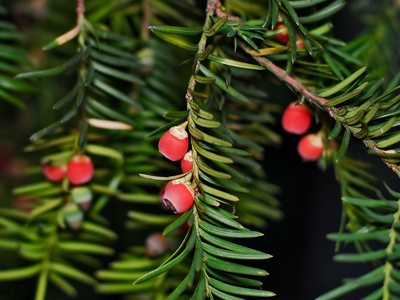
| European yew | Taxus baccata | 20 | Europe including Mediterranean mountains |
| Oriental hornbeam | Carpinus orientalis | 12 | SE Europe, Aegean, Anatolia |
| Hop-hornbeam | Ostrya carpinifolia | 20 | Mediterranean Basin, S Europe |
| Field elm | Ulmus minor | 30 | Europe including Mediterranean riparian zones |
| White willow | Salix alba | 30 | Eurasia including Mediterranean rivers |
| Black poplar | Populus nigra | 30 | Europe including Mediterranean river corridors |
| Black alder | Alnus glutinosa | 25 | Europe including Mediterranean riparian habitats |
| Spanish juniper | Juniperus thurifera | 25 | Iberian Peninsula, Morocco mountains |
| Phoenicean juniper | Juniperus phoenicea | 12 | Coastal and island Mediterranean habitats |
| Prickly juniper | Juniperus oxycedrus | 8 | Mediterranean Basin, rocky slopes and maquis |
| Cretan zelkova | Zelkova abelicea | 15 | Endemic to Crete mountains |
| European holly | Ilex aquifolium | 15 | W and S Europe, Mediterranean mountains |
| Horse chestnut | Aesculus hippocastanum | 35 | Balkans, naturalized elsewhere |
| French tamarisk | Tamarix gallica | 8 | Coastal and riverine Mediterranean areas |
| Whitebeam | Sorbus aria | 15 | Southern Europe, Mediterranean mountains |
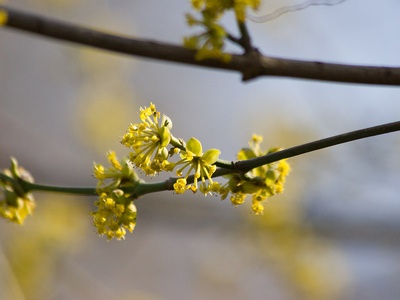
| Cornelian cherry | Cornus mas | 12 | SE Europe to W Asia, Mediterranean |
| Field maple | Acer campestre | 15 | Europe including Mediterranean woodlands |
| Hungarian oak | Quercus frainetto | 30 | Balkans, parts of Mediterranean Europe |
| Spanish fir | Abies pinsapo | 30 | Southern Spain mountains |
| Greek fir | Abies cephalonica | 30 | Greece mountains and some Aegean islands |
| Mediterranean cypress | Cupressus sempervirens | 30 | Eastern Mediterranean native, widespread |
| Lebanon cedar | Cedrus libani | 30 | Lebanon, Turkey, Cyprus mountains |
| Atlas cedar | Cedrus atlantica | 35 | Atlas Mountains, N Africa |
| Quercus cerris (Turkey oak) | Quercus cerris | 25 | SE Europe to Anatolia, parts of Mediterranean |
Images and Descriptions
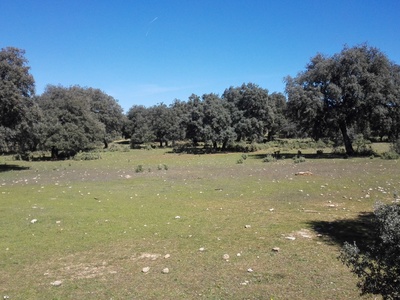
Holm oak
Evergreen oak with small, leathery leaves and black acorns. Dominant in maquis and mixed forests, provides canopy cover, soil stabilization and habitat. Wood valued for fuel and construction; acorns feed wildlife and historically livestock.
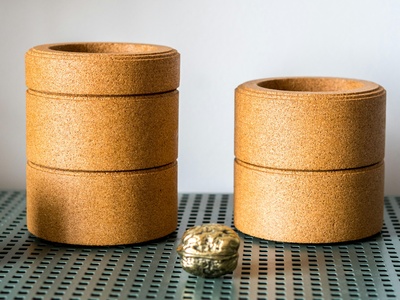
Cork oak
Thick corky bark on a medium evergreen oak, 10–20m tall. Forms cork oak woodlands, important for biodiversity and erosion control. Cork harvested sustainably for bottle stoppers; wood and habitat support many species.
Downy oak
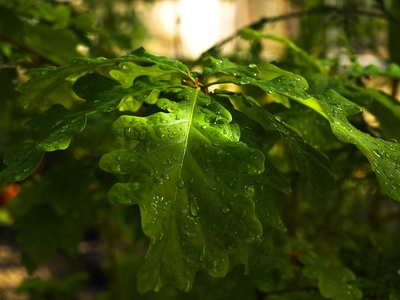
Deciduous or semi-evergreen oak with hairy twigs and lobed leaves. Grows on calcareous soils in woodlands and parkland forests, supports fungi and wildlife. Wood used locally; tolerant of summer drought.
Portuguese oak
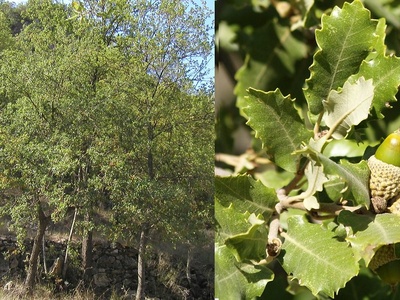
Medium deciduous oak with small lobed leaves and grey bark. Occurs on limestone slopes and open forests, important for pasture shade and timber. Roots stabilize soils; supports diverse understory.

Pyrenean oak
Deciduous oak with rough bark and large lobes, often forming mixed montane woods. Resilient to fire and grazing, provides mast for wildlife and local fuelwood and charcoal.
Turkey oak
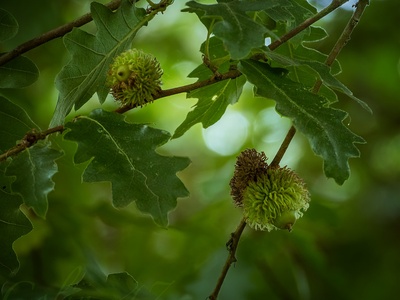
Tall deciduous oak with distinctive hairy acorn cups and serrated leaves. Found in mixed lowland and montane forests; valuable timber, supports diverse insect communities and reforestation.
Mount Tabor oak
Evergreen to semi-deciduous oak with rounded crown and tough leaves. Occurs in eastern Mediterranean woodlands, provides shade, fuelwood and mast; culturally significant and adapted to dry summers.
Aleppo pine
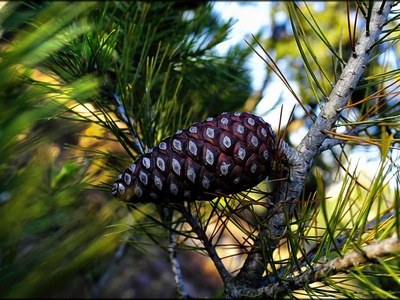
Slender, rough-barked pine with umbrella crown, long needles. Pioneer on dry, rocky soils and burned areas; key for stabilizing soils. Used for timber, resin and reforestation of degraded sites.
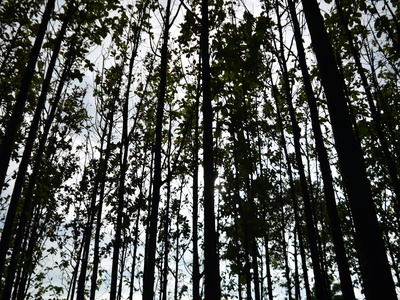
Stone pine
Recognizable umbrella-shaped crown and edible pine nuts. Planted and naturalized in coastal and inland forests; important for agroforestry, timber, and culinary value of seeds (piñones).
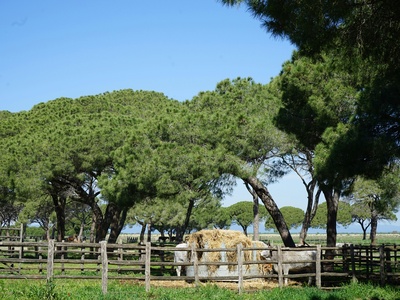
Maritime pine
Fast-growing pine with thick bark and long needles, common in coastal and inland forests. Important for timber, resin and stabilizing sandy soils; fire-adapted and used in plantations.
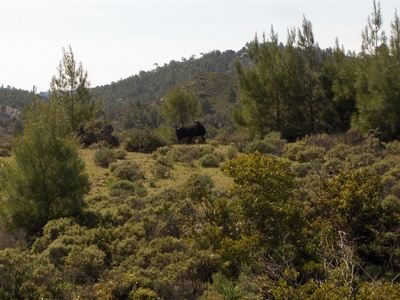
Turkish pine
Pine with reddish bark and open crown, common on limestone hills and coastal slopes. Provides timber, resin, and habitat; tolerant of drought and heat, often dominating eastern Mediterranean woodlands.
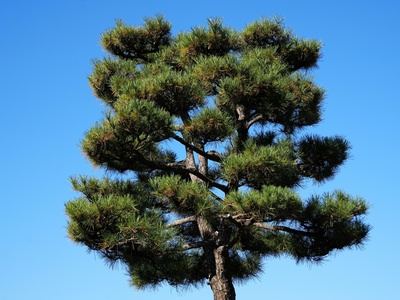
Black pine
Robust pine with dark bark and stiff needles, forming mountain forests. Important for timber, erosion control and biodiversity; planted for reforestation across Mediterranean mountains.
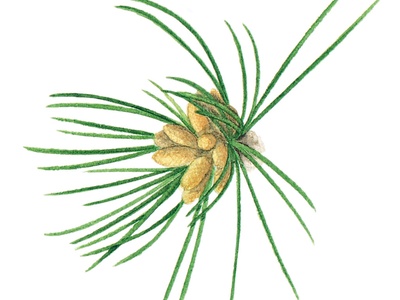
Bosnian pine
Slow-growing mountain pine with dense crown and resilience to cold, forming high-elevation woodlands. Valuable for timber and conservation; ancient stands provide refuges for Alpine-Mediterranean species.
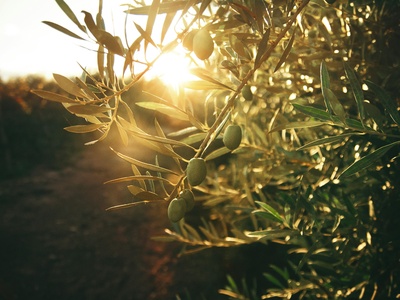
Olive
Evergreen tree with silvery leaves and small fruits; iconic of Mediterranean landscapes. Grows in woodlands and cultivated groves; wild and cultivated forms provide oil, food, cultural value and habitat for many species.
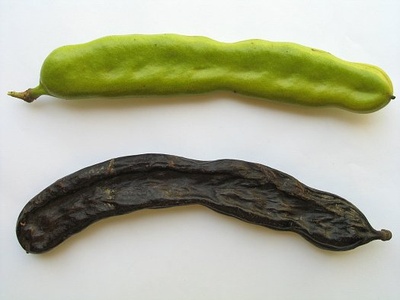
Carob
Evergreen tree with pinnate leaves and dark edible pods. Found in dry woodlands and garrigue, agroforestry and abandoned orchards. Pods used as animal fodder and food; wood durable and locally used.
Terebinth
Deciduous or semi-evergreen small tree with pinnate leaves and resinous smell. Common in maquis and open woodlands; fruits eaten by wildlife, resin used historically; tolerant of poor soils.
Atlantic pistachio
Deciduous tree with pinnate leaves forming open woodlands and riparian stands. Provides shade and fodder; historically tapped for resin and used as local timber and fuelwood.
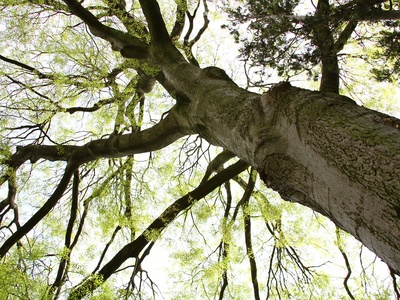
European nettle tree
Deciduous tree with rough bark and small drupes. Grows in mixed forests and riverine woodlands, providing fruit for birds and shade. Wood used for tools and construction; tolerant of dry soils.
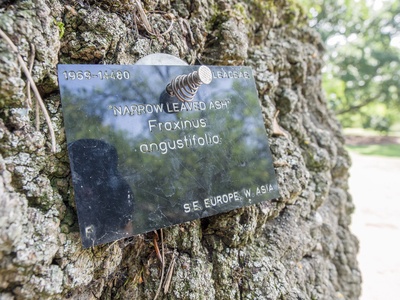
Narrow-leaved ash
Large deciduous tree of gallery forests with slender leaves and winged seeds. Key for riparian stability, shade and biodiversity. Timber used for furniture; threatened by disease in places.
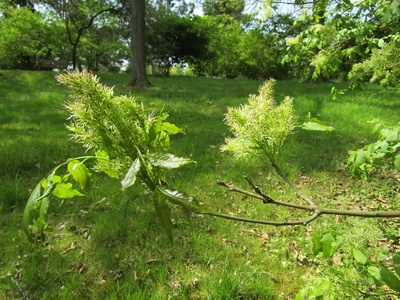
Manna ash
Small deciduous ash with showy spring flowers that produce sweet manna exudate. Grows on slopes and open woods; valued for timber, shade and historical manna harvesting.
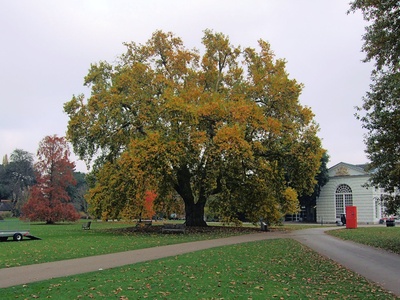
Oriental plane
Large deciduous tree with flaky bark and broad leaves, typical of riverbanks and gallery forests. Provides riparian shade, habitat and durable timber; widely planted and naturally occurring along waterways.
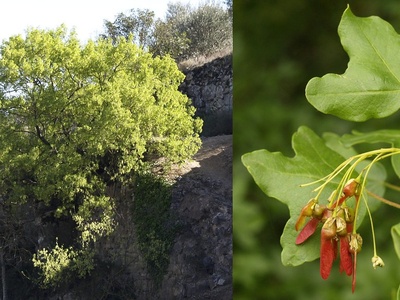
Montpellier maple
Small deciduous maple with rounded lobed leaves, occurring in dry woodlands and rocky slopes. Provides seasonal shade, bird habitat and modest timber; tolerant of calcareous soils.
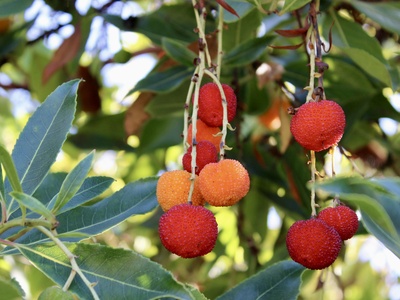
Strawberry tree
Evergreen with red fruits and white urn-shaped flowers, often in maquis and woodlands. Provides nectar for pollinators and fruit for wildlife; wood used locally and ornamental value.
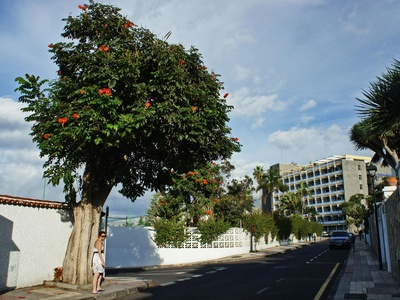
Greek strawberry tree
Evergreen tree with peeling red bark and edible fruit, found in maquis and woodlands. Offers nectar and fruit for wildlife; used ornamentally and as local fuelwood.
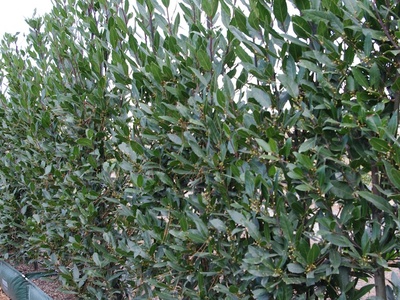
Bay laurel
Evergreen tree with aromatic leaves, common in woodlands and scrubby forests. Leaves used as culinary herb; wood and dense foliage provide habitat and erosion control; culturally significant.
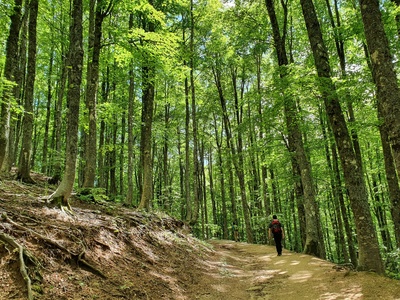
European beech
Tall deciduous tree forming closed-canopy mountain forests on cooler, moister slopes. Important for soil formation, shade and diverse understory; timber valued for furniture and fuel.
Sweet chestnut
Large deciduous tree with long serrated leaves and edible chestnuts. Forms coppice and high forests; chestnuts are food and timber is durable, historically important in rural economies.
Judas tree
Small deciduous tree with heart-shaped leaves and striking pink spring flowers. Found in open woodlands and rocky slopes; valued for ornamental flowering and wildlife nectar sources.
Wild cherry
Large deciduous tree with glossy leaves and spring blossoms, producing cherries eaten by wildlife and people. Occurs in mixed woodlands; timber prized for furniture and veneers.
St Lucie cherry
Small deciduous tree with fragrant spring flowers, often in hedgerows and woodlands. Seeds used as spice in traditional baking; provides nectar for pollinators and wildlife fruit.
European yew
Slow-growing evergreen conifer with dark needles and red arils, found in shady forest understories and limestone cliffs. Very long-lived, provides dense habitat; wood historically used for tools and bows.
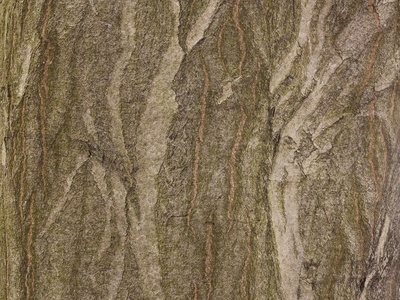
Oriental hornbeam
Small deciduous tree with fluted bark and serrated leaves, occupying dry woodlands and rocky slopes. Tolerant of drought and calcareous soils; wood used locally for tools and fuel.
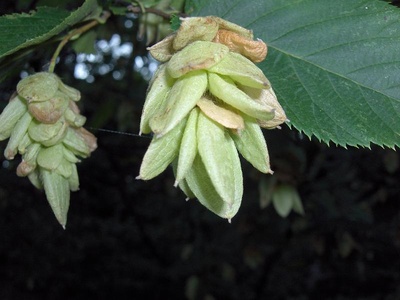
Hop-hornbeam
Medium deciduous tree with hop-like fruit clusters and rough bark, common in mixed forests. Provides hardwood timber, supports diverse insect life and stabilizes slopes.
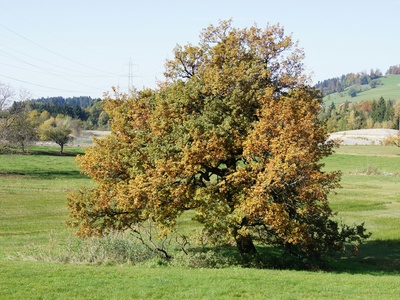
Field elm
Deciduous tree of floodplains and woodlands with asymmetrical leaves and samara fruit. Historically common in riparian forests; provides shade, timber and wildlife habitat but affected by disease.
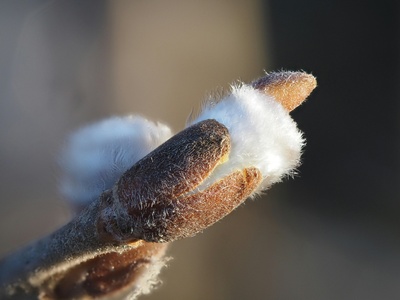
White willow
Fast-growing deciduous tree with pale underside leaves, typical of riverbanks and wetlands. Stabilizes banks, supports invertebrates and birds; wood used for baskets and fuel.
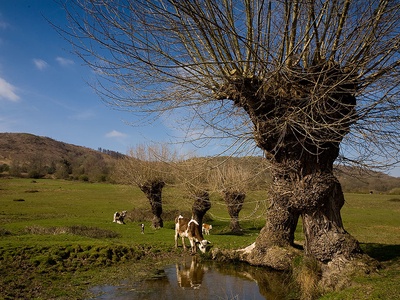
Black poplar
Large deciduous riparian tree with triangular leaves and cottony seeds. Forms gallery forests along rivers, crucial for bank stabilization and biodiversity; used for timber and shelterbelts.
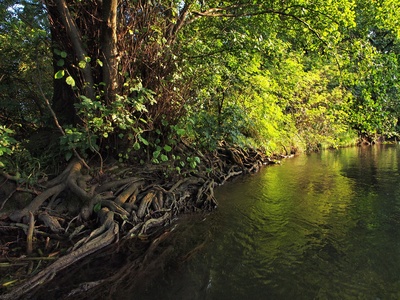
Black alder
Deciduous tree of wet sites and riverbanks with catkins and nitrogen-fixing root nodules. Improves soil fertility, stabilizes banks and supports aquatic habitats; wood used for carpentry and fuel.
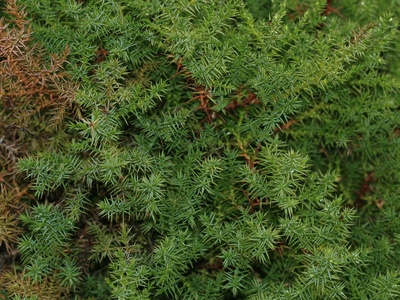
Spanish juniper
Slow-growing conifer with dense crown and scaly foliage, forming high-elevation woodlands. Tolerant of cold and drought; provides durable timber and important habitat for mountain species.
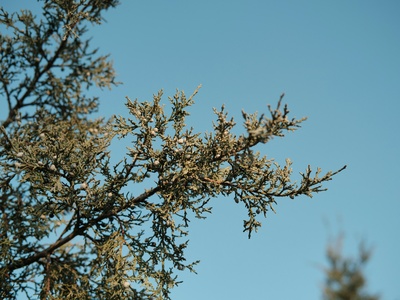
Phoenicean juniper
Evergreen coniferous shrub-tree with aromatic foliage, common on dunes and rocky coasts. Stabilizes soils and provides berries for birds; tolerant of salt spray and drought.
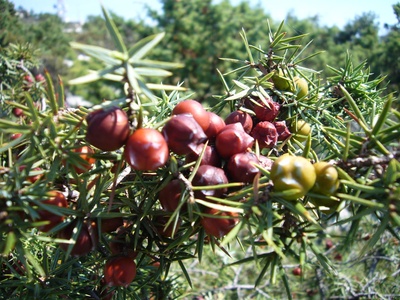
Prickly juniper
Evergreen shrub-tree with sharp leaves and berry-like cones. Common in maquis and degraded woodlands, offers cover and food for wildlife and resin used traditionally.
Cretan zelkova
Deciduous tree with smooth grey bark and toothed leaves, forming montane woodlands. Relict species of conservation concern, provides habitat and erosion control on steep slopes.
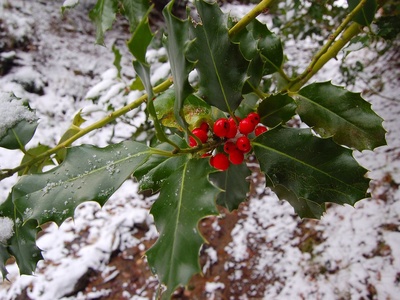
European holly
Evergreen tree or large shrub with glossy spiny leaves and red berries, occurring in shady woodlands. Berries feed birds; wood and dense foliage used historically for hedging and fuel.
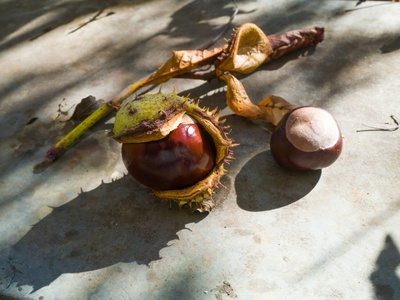
Horse chestnut
Large deciduous tree with palmate leaves and showy flower spikes, native to Balkan mountains. Often found in riparian and mixed forests; conkers historically used and timber valued locally.
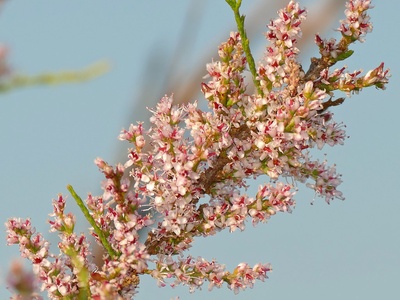
French tamarisk
Small salt-tolerant tree with feathery foliage and pink flowers along coasts and brackish rivers. Stabilizes saline soils and provides shelter for birds; timber and dye historically used.
Whitebeam
Deciduous tree with greyish underside leaves and pome fruits. Grows on rocky slopes and open woodlands, supports birds and insects; wood occasionally used and fruit eaten by wildlife.
Cornelian cherry
Small deciduous tree with early yellow flowers and red edible drupes. Found in mixed woodlands and hedgerows; fruit used in jams and traditional medicine; supports pollinators early in spring.
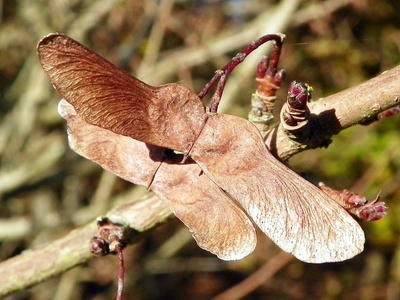
Field maple
Small deciduous maple with lobed leaves and winged samaras. Found in mixed and riparian woodlands, provides shade and modest timber; tolerant of varied soils and coppicing.
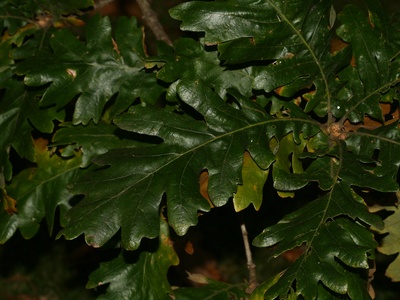
Hungarian oak
Large deciduous oak with deep lobed leaves, common in lowland and montane forests in SE Europe. Important for timber, mast production and supporting forest biodiversity.
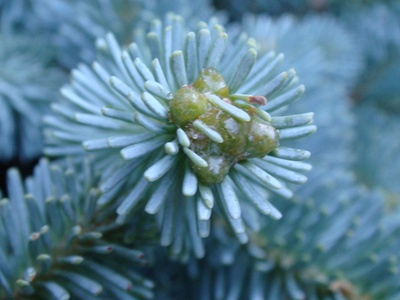
Spanish fir
Rare evergreen fir with blue-green needles forming high-mountain relic forests. Important for endemism and water regulation; threatened and protected, timber historically used locally.
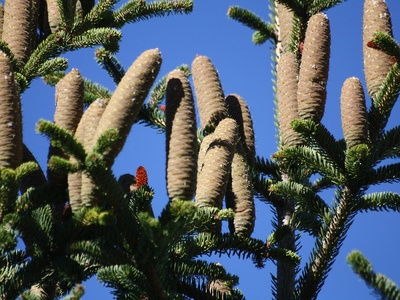
Greek fir
Coniferous mountain fir forming pure stands on higher slopes. Important for watershed protection, timber and endemic mountain biodiversity; adapted to Mediterranean montane climates.
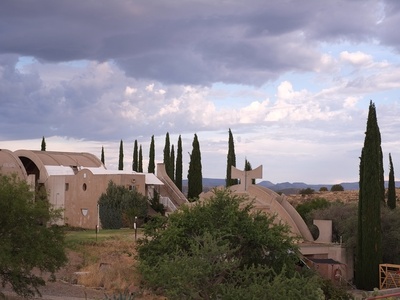
Mediterranean cypress
Tall slender evergreen with columnar form, common in upland groves and cemetery plantings. Naturally occurs in rocky limestone woodlands; durable timber and cultural significance.
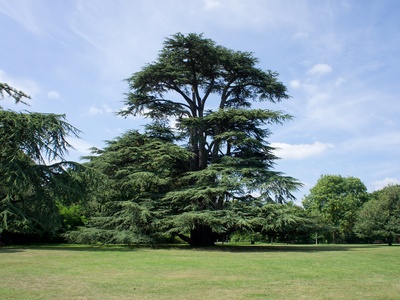
Lebanon cedar
Majestic evergreen conifer of high-elevation Mediterranean mountains, with broad, layered crown. Historically dominant in montane forests; valued for durable timber, cultural importance and habitat for mountain species.
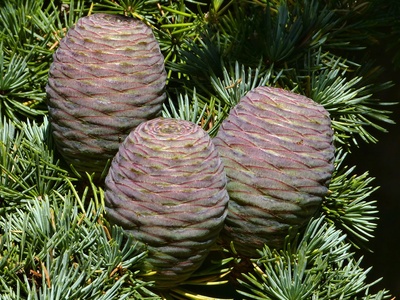
Atlas cedar
Large evergreen cedar native to North African Mediterranean mountains. Forms high-elevation forests, provides valuable timber, soil protection and important biodiversity in Atlas and adjacent regions.
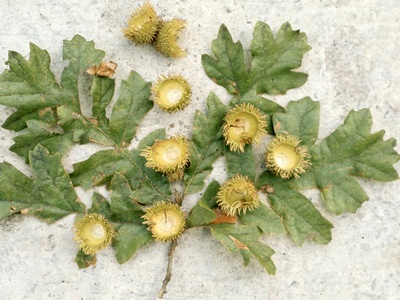
Quercus cerris (Turkey oak)
Often large deciduous oak with distinctive bristly acorn cups, found in mixed forests and hills. Provides timber, mast and supports diverse understory in transitional Mediterranean woodlands.