Madagascar split from mainland Africa roughly 88 million years ago, and today more than 90% of its wildlife is found nowhere else on Earth.
That long isolation created an evolutionary laboratory: odd primates, chameleons that can shift color like painters, tortoises with starry shells, and insects that look like tiny sculptures. But rapid deforestation, expanding agriculture, and wildlife trafficking put many species on fast trajectories toward decline.
This article profiles the 12 most famous animals of madagascar, explaining what makes each species iconic, where to see them, their conservation status, and why they matter for science, culture, and local economies.
Lemurs: Madagascar’s Ambassadors
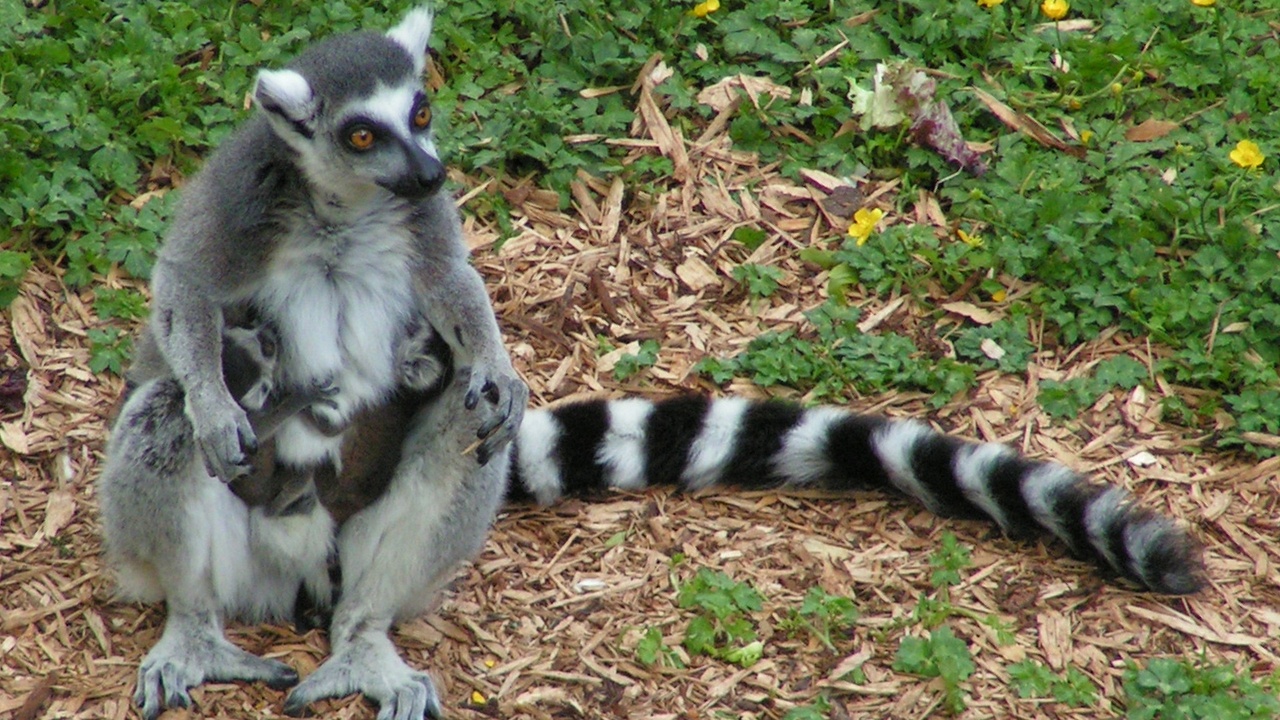
Lemurs are the animals most people picture when they think of the island: charismatic, eccentric primates that evolved here alone. More than 100 species and subspecies have been described historically, and they range from tiny mouse-lemurs to the large, vocal indri.
They matter for science because they show how primates adapt when isolated, and they matter for people because lemurs are the backbone of Madagascar’s ecotourism industry — places like Andasibe-Mantadia and Berenty draw international visitors who fund local guides and community projects.
Many lemurs are threatened: habitat loss, hunting, and fragmentation push species toward extinction (several are listed on the IUCN Red List). Below are four of the most iconic.
1. Ring-tailed Lemur (Lemur catta)
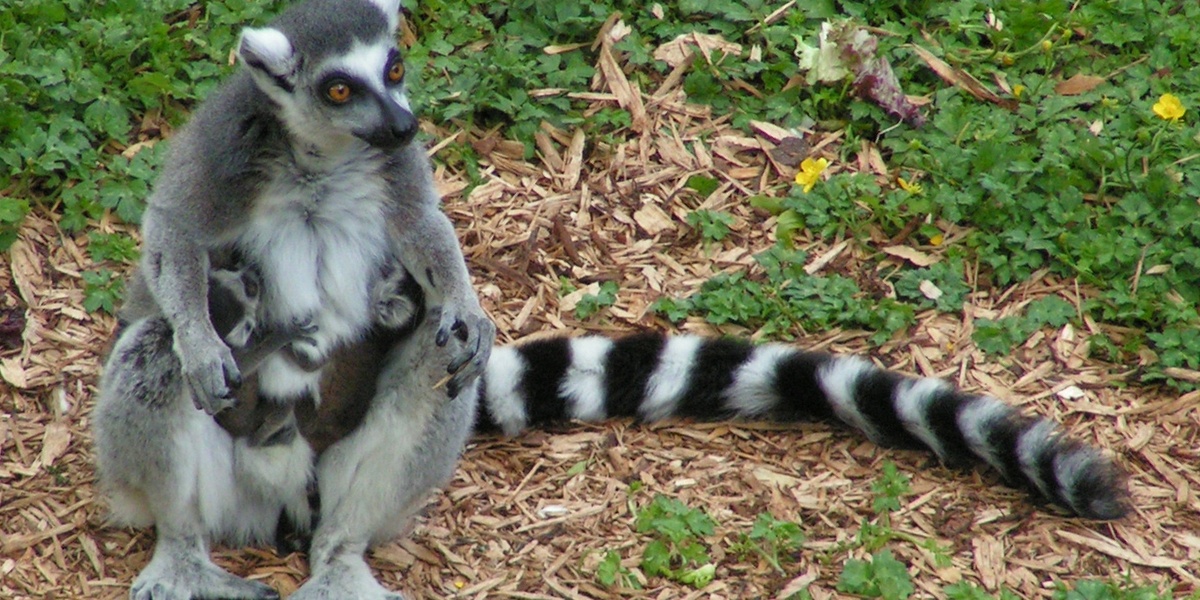
The ring-tailed lemur is Madagascar’s best-known lemur and a cultural icon, recognizable for its long, black-and-white ringed tail and lively social groups.
Typical groups range from about 6 to 30 individuals, and populations in the south have declined over recent decades. Berenty Reserve in the south has hosted habituation and behavioral studies since the 1960s, which helped make the species a symbol for Malagasy conservation.
Ring-tails are important for southern ecotourism — they’re reliable for visitors to photograph, and guides and lodges rely on that visitation. Yet they’re Vulnerable on the IUCN Red List because of habitat loss and hunting in some areas.
2. Indri (Indri indri)
The indri is the largest living lemur and famous for haunting, far-carrying calls that greet the morning in eastern rainforests.
Adults measure roughly 64–72 cm head and body and can weigh up to about 9.5 kg. Andasibe-Mantadia National Park is one of the most reliable places to hear and see indris in the wild, and their songs can carry for kilometers through the canopy.
They’re culturally significant to nearby communities and are a major draw for eco-guides and researchers studying primate vocalization and social behavior. The indri is listed as Critically Endangered on the IUCN Red List, largely because of fragmentation and loss of its forest habitat.
3. Verreaux’s Sifaka (Propithecus verreauxi)
Sifakas are famous for their graceful leaps in the trees and a comical, bipedal hop when they’re on the ground — you’ve probably seen photographs of a sifaka bounding sideways across a dusty clearing.
They cover big gaps with powerful hind-leg leaps and use a distinctive, upright posture. Berenty Reserve and Kirindy Forest are key sites for viewing and photographing them; behavioral studies date back to the 1970s and continue to inform conservation work.
Several sifaka populations are threatened by ongoing habitat loss and fragmentation, and some subspecies are listed as Endangered or Critically Endangered on the IUCN Red List.
4. Aye-aye (Daubentonia madagascariensis)
The aye-aye is one of the island’s most unusual and misunderstood mammals — a nocturnal primate with rodent-like incisors and a thin, tapered middle finger used for tapping and extracting insect larvae from wood.
Aye-ayes forage at night using percussive foraging: they tap wood, listen for hollows, gnaw, then fish prey out with that elongated finger. Cultural taboos have sometimes led to persecution, and conservationists have run outreach programs since the 2000s to reduce killings and promote protection.
The species is listed as Endangered on the IUCN Red List and is of intense scientific interest for its sensory adaptations and niche specialization; captive programs and community-based protection are part of current conservation strategies.
Reptiles and Amphibians: Color, Camouflage, and Curiosity
Madagascar is a global hotspot for reptiles and amphibians: roughly half of the world’s chameleon species live here, and many frogs and geckos are endemic to tiny forest patches.
These animals fuel scientific curiosity — from adaptive color change to convergent forms — and they also feed local economies through wildlife watching. At the same time, the illegal pet trade, forest clearing, and tiny geographic ranges make many species extremely vulnerable.
Below are four charismatic reptiles and frogs you’ll likely see in field guides and nature blogs.
5. Panther Chameleon (Furcifer pardalis)
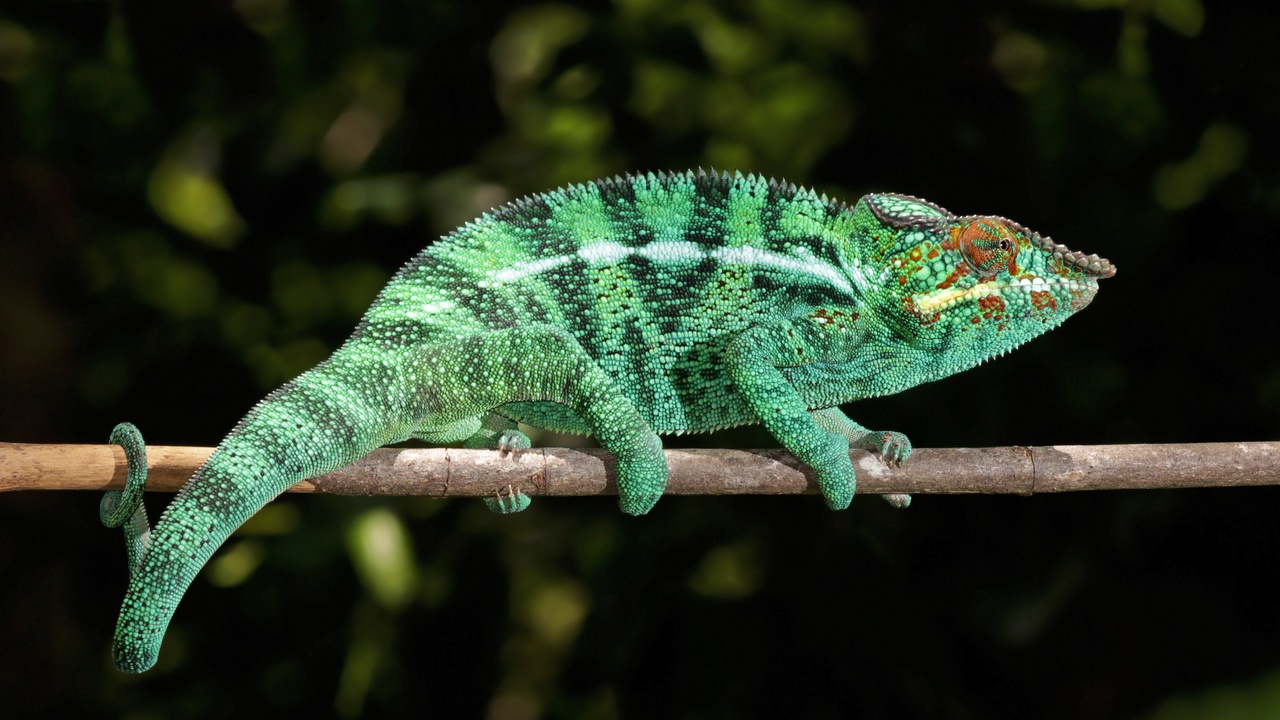
The panther chameleon is one of Madagascar’s most photographed reptiles thanks to its dramatic color variability and sexual dimorphism.
Males display brilliant blues, greens, reds, or oranges depending on locality and mood; females tend to be more subdued. Adults can reach about 40–50 cm including the tail, and reliable field localities include Nosy Be and Montagne d’Ambre in the north.
Madagascar hosts roughly half of the world’s chameleon diversity (about 50–60 species), making the island a key area for herpetologists. Panther chameleons are popular in wildlife photography and in the pet trade, so captive-breeding programs and park protections are important to reduce illegal collection.
6. Tomato Frog (Dyscophus antongilii)
The tomato frog is instantly recognizable for its bulbous, bright red-orange body and tendency to sit motionless on rainforest floors near pools.
Adults grow to roughly 8–10 cm, and they’re mostly found in northeastern wetlands and marshes. When threatened they exude a sticky skin secretion that can deter predators and irritate mucous membranes.
Tomato frogs are valuable indicators of wetland health. They’re listed as Endangered on the IUCN Red List because of habitat loss and collection for the pet trade, and several zoos have run captive-breeding programs to help maintain assurance populations.
7. Madagascar Leaf-tailed Gecko (Uroplatus spp.)
Leaf-tailed geckos are masters of botanical disguise: flattened bodies, lobed tails, and skin textures that mimic dead leaves and bark make them almost invisible on tree trunks.
Several Uroplatus species (for example, Uroplatus phantasticus) are micro-endemics restricted to small patches of eastern rainforest. They’re nocturnal and largely arboreal, and researchers study them to learn about crypsis and predator-prey interactions.
Because many have tiny ranges, habitat fragmentation is the biggest threat. Photographers prize them for their surreal looks, and naturalists often publish field notes and museum records documenting new localities.
8. Radiated Tortoise (Astrochelys radiata)
The radiated tortoise is one of Madagascar’s most iconic terrestrial reptiles, famous for a striking star-patterned carapace.
Adults can weigh up to about 35 kg and live for 50 years or more in captivity. Their native range is mainly in the dry, spiny forests of the south, and they play roles in seed dispersal and local culture.
Illegal collection for the international pet trade and local consumption has driven steep declines. Captive-breeding and reintroduction programs in zoos and protected areas are ongoing, and national park protections aim to curb poaching and trafficking.
Birds, Carnivores and Invertebrates: Lesser-known Stars
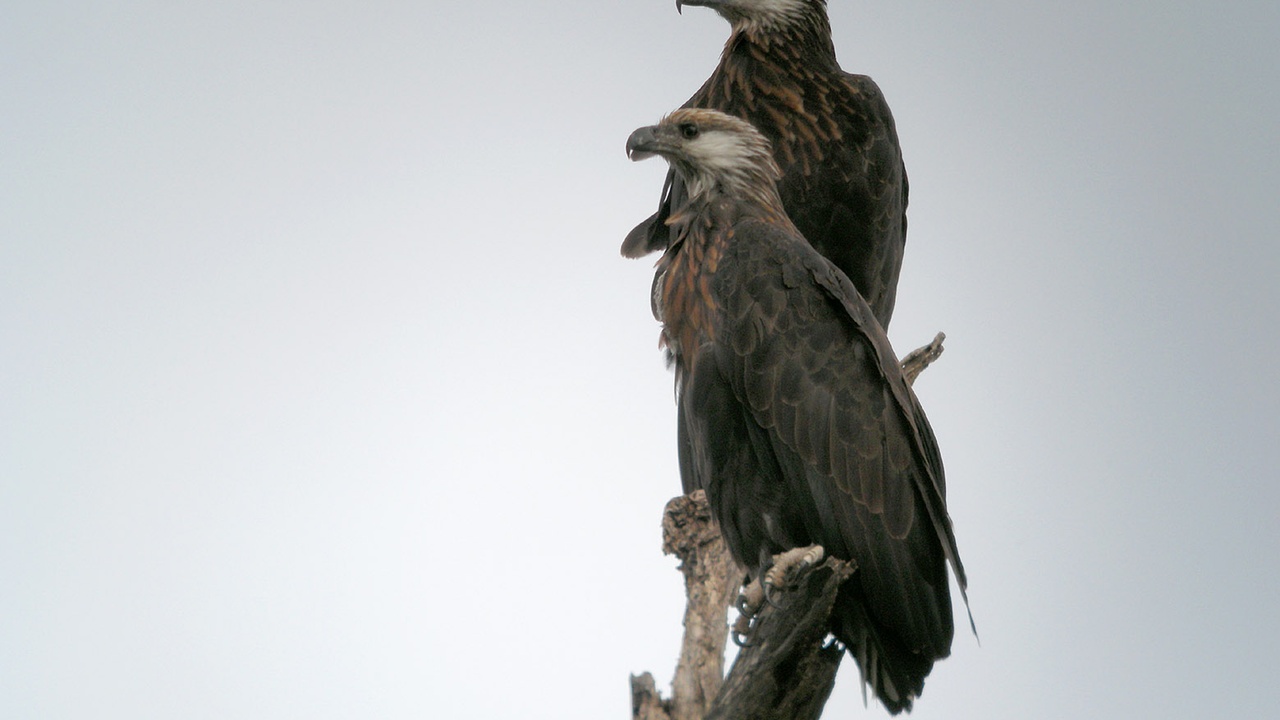
Beyond lemurs and chameleons, Madagascar’s ecological stories include an island-top predator, rare raptors, remarkable rodents, and tiny artists like the giraffe weevil.
These species are less likely to appear on postcards but they’re crucial for balanced ecosystems — predators regulate prey, raptors indicate wetland health, and invertebrates show how isolation sculpts extreme forms.
Among reptiles and amphibians — and across other groups — the famous animals of madagascar also illustrate why targeted conservation matters at both landscape and species scales.
9. Fossa (Cryptoprocta ferox)
The fossa is Madagascar’s largest native carnivore — a cat-like, agile predator that specializes in hunting lemurs and other forest animals.
Adults can weigh up to around 25 kg and have flexible ankles for climbing down trunks headfirst. Kirindy Forest and other western dry forests are reliable places for sightings, and watching fossas is a major draw for wildlife photographers and tour groups.
Fossas are listed as Vulnerable on the IUCN Red List because of habitat conversion and persecution. As top predators, they help regulate prey populations and maintain ecosystem balance.
10. Madagascar Fish Eagle (Haliaeetus vociferoides)
The Madagascar fish eagle is one of the world’s rarest raptors, restricted to coastal lakes, estuaries, and rivers on the west coast.
Current estimates put the wild breeding population at fewer than 100 pairs, and the species is listed as Critically Endangered on the IUCN Red List. Key threats include wetland degradation, human disturbance, and reduced fish stocks.
Conservation actions — nest protection, community outreach, and habitat safeguards at known nesting lakes — benefit people as well, because intact wetlands support fisheries and local livelihoods.
11. Malagasy Giant Jumping Rat (Hypogeomys antimena)
The giant jumping rat is an unusual, large endemic rodent once more widespread but now confined to pockets near the Menabe region, including Kirindy.
It’s a nocturnal burrower with a head-body length around 25–30 cm and strong hind limbs for hopping. Habitat loss and introduced predators reduced its range, but captive-breeding and reintroduction efforts have shown conservation can help stabilize populations.
The species is listed as Endangered on the IUCN Red List and serves as an example of how small-range endemics are vulnerable to rapid landscape change.
12. Giraffe Weevil (Trachelophorus giraffa)
The giraffe weevil is a tiny masterpiece of island evolution: males have an elongated neck used during nest-building and male-to-male contests, giving the species its common name.
These weevils live in eastern forests and display clear sexual dimorphism, with males’ necks much longer than females’. Entomologists and photographers prize them, and museum collections and field guides document their regional variation.
The giraffe weevil is a vivid example of how isolation can drive exaggerated morphological traits and how even insects deserve a place in conservation conversations.
Summary
- Madagascar’s wildlife is extraordinarily endemic and evolutionarily distinct — many species exist nowhere else, from indris to giraffe weevils.
- These animals underpin local economies: parks like Andasibe-Mantadia and Kirindy attract visitors whose fees and guiding jobs support communities.
- Threats are urgent and varied — habitat loss, hunting, and illegal trade — but focused actions (protected areas, captive-breeding, community outreach) have produced measurable conservation wins.
- Anyone wanting to help can choose responsible tourism, support reputable conservation groups working in Madagascar, and avoid buying wildlife or pets sourced from the illegal trade.