In 2005 scientists successfully germinated a 2,000‑year‑old Judean date palm seed, a striking example of how durable some seeds can be.
That feat prompts a practical question: how do seeds differ from the tiny, airborne spores that fungi, ferns, and many microbes use to reproduce and spread?
Seeds are multicellular packages—fertilized ovules that enclose an embryo and food reserves—while spores are usually single‑celled propagules produced in enormous numbers; both let organisms reproduce and disperse, but they follow fundamentally different strategies in origin, structure, longevity, dispersal, and ecological role. Below are seven clear, scientifically grounded differences that matter for gardeners, farmers, conservationists, and public‑health professionals.
Developmental and Reproductive Differences
Seeds and spores arise from different developmental programs and reflect different reproductive strategies. Seeds are the product of fertilization in seed plants and package a multicellular embryo plus nutrient tissues; spores tend to be single cells (or tiny multicellular units) produced by a wide range of organisms and may form via sexual or asexual processes. Those origins shape everything from crop breeding to disease management.
1. Origin: fertilized embryos versus propagules
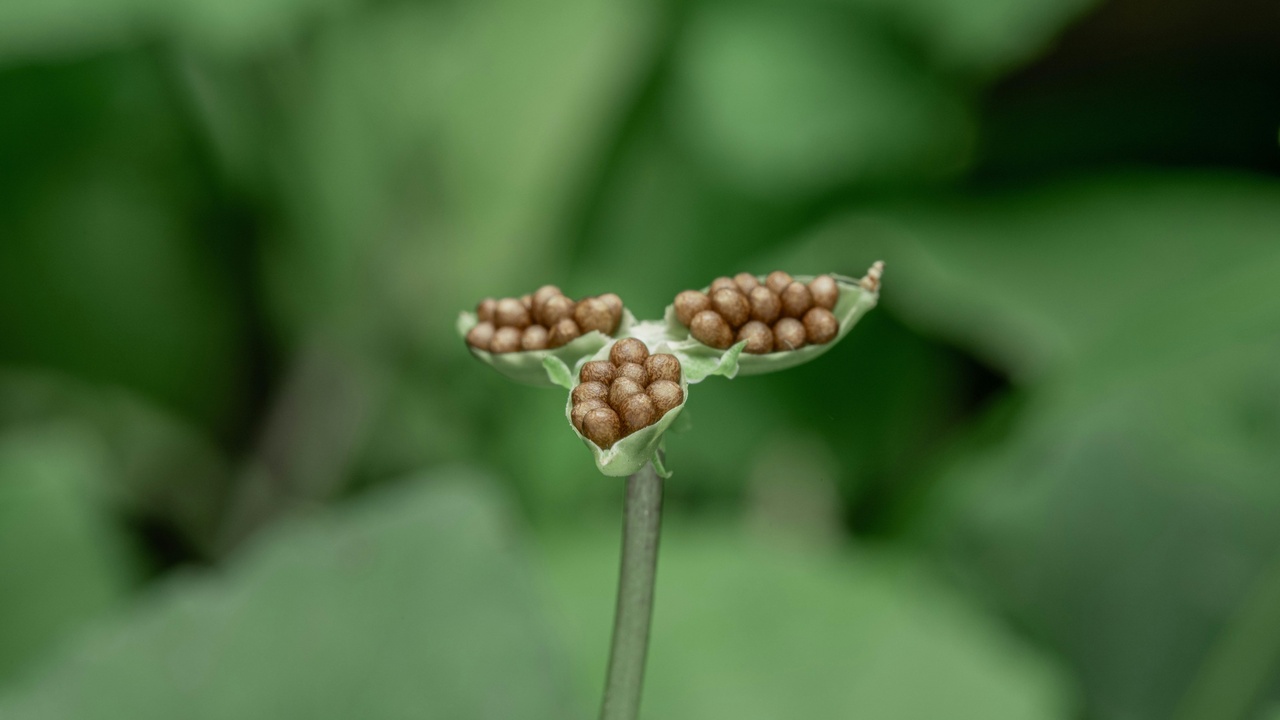
Seeds develop from fertilized ovules and therefore contain a true embryo derived from sexual reproduction; common crops like wheat, corn, and oak trees produce seeds that reflect parental recombination. Spores are generally single cells produced for dispersal—ferns and mosses release spores to complete life cycles, and fungi release spores from fruiting bodies such as mushroom gills.
Because seeds result from fertilization, plant breeders can select and cross parents to change seed traits. By contrast, managing spore‑borne pathogens focuses on interrupting enormous production and dispersal of infectious propagules rather than modifying a seed line.
2. Complexity: multicellular embryo versus single-cell unit
Seeds house a multicellular embryo plus supporting tissues (endosperm or cotyledons) and are often visible to the naked eye, while spores are typically microscopic single cells. Typical spore diameters fall in the ~5–50 µm range; seed sizes vary hugely, from dust‑like orchid seeds to enormous examples such as the coco de mer (about 30 cm across).
That structural complexity matters: a bean seed contains stored reserves allowing the seedling to grow immediately after germination, whereas a tiny spore often germinates into a gametophyte or hypha that must find resources before producing a multicellular offspring.
3. Taxonomic distribution: who relies on seeds and who uses spores
Seed plants—angiosperms and gymnosperms—dominate terrestrial vegetation and agriculture. Angiosperms number roughly 300,000 species, and gymnosperms are about 1,000 species. In contrast, ferns (around 10,000 species) and bryophytes use spores as their main dispersal unit, and fungi and many algae produce spores as well.
Prokaryotes also produce resistant structures called endospores (for example, Bacillus species) that are structurally distinct but functionally relevant when discussing longevity and survival in harsh conditions.
Structure, Dormancy, and Germination
Structurally, seeds and spores are optimized for different trade‑offs. Seeds are relatively bulky, armored with seed coats and stocked with reserves (endosperm or cotyledons), while spores are compact, lightweight, and often thin‑walled. Those differences influence dormancy strategies, expected longevity, and the cues each needs to germinate.
For practical matters—storage, agriculture, and biosecurity—the contrasts are stark: seed banking depends on dry, cold storage to preserve large, complex propagules; spore control often focuses on limiting release and exposure because microscopic spores travel far and fast.
4. Protective structures and nutrient reserves
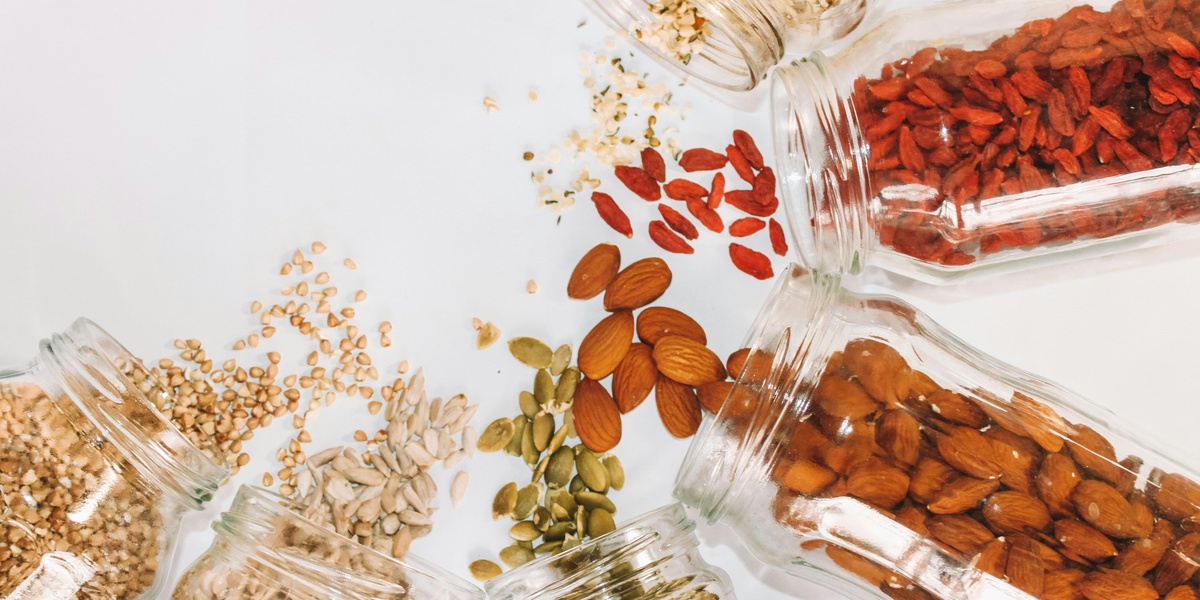
Seeds usually have a tough seed coat (testa) and internal nutrient stores—either endosperm or cotyledons—that feed the embryo during early growth. A broad bean seed clearly shows cotyledons packed with reserves; seed treatments and coatings are common commercial practices to protect that investment.
Spores, by contrast, rarely contain large energy reserves. A mushroom spore is tiny and built for dispersal; to grow it typically lands on a suitable substrate and develops hyphae that then forage for nutrients. That difference affects cultivation: gardeners sow seeds for immediate seedlings but inoculate substrates with spores or mycelium when cultivating fungi.
5. Dormancy and longevity: how long they survive
Longevity varies widely. The Judean date palm that sprouted in 2005 had been dormant for roughly 2,000 years, an extreme but documented seed case. Many crop seeds remain viable for decades under cool, dry storage; institutions like the Svalbard Global Seed Vault store seeds precisely because proper conditions extend viability.
Some bacterial endospores (e.g., Bacillus) can survive decades or longer in harsh environments, and fungal spores will stay viable for years depending on species and conditions. Overall, storage (dryness, low temperature) is the main predictor of how long either propagule will remain viable.
Ecology, Dispersal, and Evolutionary Consequences
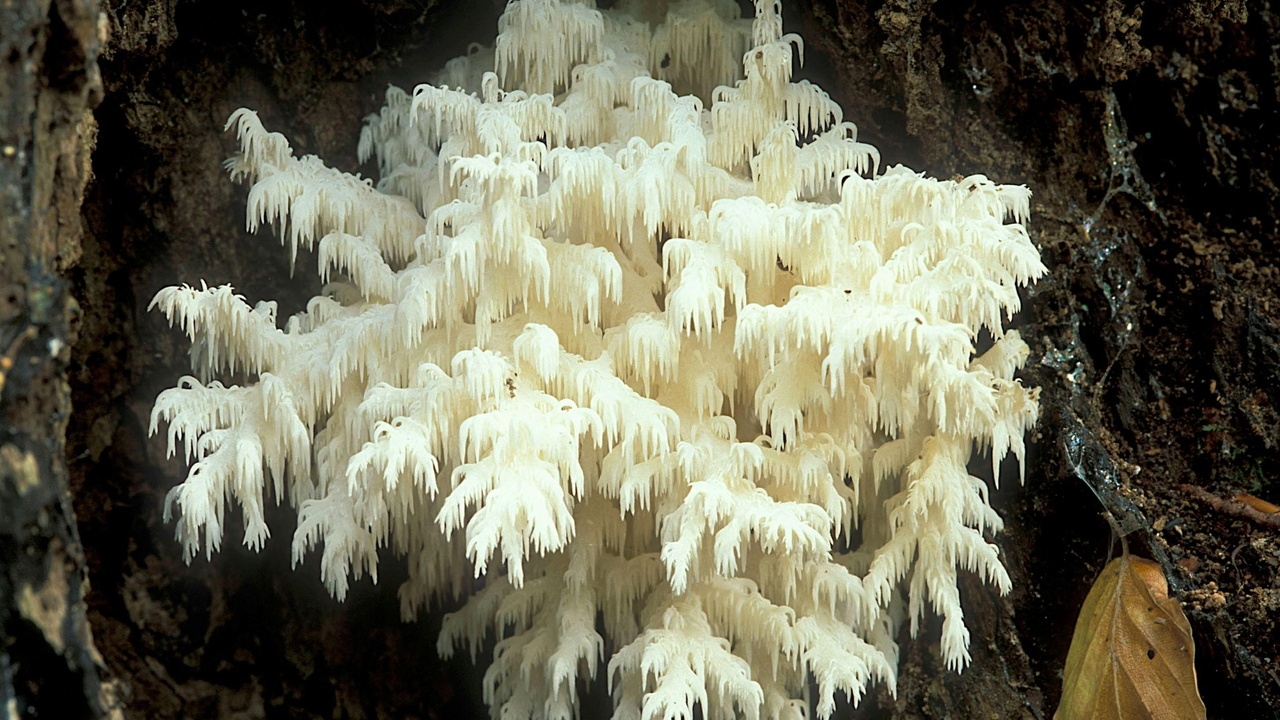
How a reproductive unit moves and establishes shapes ecological roles and evolutionary paths. Spores are usually tiny and produced in astronomical numbers, enabling wide, often windborne dispersal; seeds are larger, fewer, and frequently adapted for animal or water transport, supporting different colonization and persistence strategies.
Those dispersal modes have deep evolutionary consequences. The rise of seed plants helped open new ecological niches and eventually led to the modern dominance of angiosperms, while spore‑producing lineages play crucial roles in decomposition, nutrient cycling, and rapid colonization after disturbance.
6. Dispersal mechanisms and numbers: wind, water, animals, and scale
Spores are adapted to be produced in vast quantities and dispersed by wind or water. A single puffball or fungal fruiting event can release millions to billions of spores into the air, creating long‑distance dispersal clouds. By sheer numbers and small size, spores can reach new habitats that seeds cannot.
Seeds are commonly larger and rely on directed dispersal: many are eaten and transported by birds or mammals, others float across oceans (coconut seeds), and some simply fall near the parent. A mature tree might produce thousands to millions of seeds in a season, but those seeds are fewer and heavier than airborne spores, so establishment strategies differ.
7. Genetic diversity and evolutionary outcomes
When studying the differences between seeds and spores, one clear contrast is how reproductive mode affects genetic variation. Seeds normally result from fertilization and recombination, which increases genetic diversity and allows breeders to select traits. Spores can be sexual (meiotic) or asexual (mitotic); many fungi use both sexual and asexual spores, combining recombination with rapid clonal expansion.
The evolutionary history illustrates the impact: angiosperms underwent a major diversification during the Cretaceous (roughly 145–66 million years ago) and today number about 300,000 species, shaping terrestrial ecosystems. In contrast, the rapid, high‑volume spore cycles of fungi enable fast responses to environmental change and can accelerate the evolution of pathogenic strains—an important concern for agriculture and human health.
Summary
- Seeds are fertilization products that enclose multicellular embryos and stored reserves; spores are typically single‑celled propagules made in huge numbers.
- Seed structure (coat, endosperm/cotyledons) supports immediate seedling growth; spores rely on dispersal reach and subsequent development.
- Longevity ranges from years to millennia for seeds (Judean date palm ~2,000 years); spores and endospores can also persist for years or decades depending on type and environment.
- Dispersal strategies differ: spores travel far as windborne clouds (millions–billions released), seeds are often animal‑ or water‑dispersed (coconuts, bird‑carried berries).
- The differences between seeds and spores drive distinct implications for agriculture, conservation (seed banks like Svalbard), and biosecurity (spore‑borne pathogens).
Think about these contrasts next time you garden, plan conservation work, or assess spore‑borne risks—small propagules, big consequences.