From sunny roadside verges to shaded garden beds, yellow-flowering herbs are a familiar sight in many landscapes and a handy starting point for identification or herbal use. Noticing their traits—flower shape, leaf arrangement, scent—helps you decide whether to photograph, forage, or consult a guide.
There are 29 yellow herbs, ranging from Arnica to Yellow Sweet Clover. For each entry you’ll find below the Scientific name, Yellow trait, Primary uses to make comparison and practical decisions easier.
How can I safely identify and handle these yellow herbs in the field?
Look for a combination of features—flower structure, leaf shape, stem texture and scent—rather than relying on color alone, and cross-check the Scientific name in a trusted field guide or plant ID app. Wear gloves if you’re unsure (some, like Arnica, are for external use only), avoid tasting unknown plants, and when in doubt consult local extension services or herbal references.
Which yellow herbs are actually used medicinally or culinarily, and what precautions should I take?
Some species are used topically or in teas, but use depends on the plant and preparation: Arnica is commonly used in salves but must not be ingested, while plants like clovers may be used as fodder yet can contain harmful compounds when spoiled (e.g., coumarins). Always verify the Scientific name, check the Primary uses listed below, and follow dosage and safety guidance from reputable sources.
Yellow Herbs
| Name | Scientific name | Yellow trait | Primary uses |
|---|---|---|---|
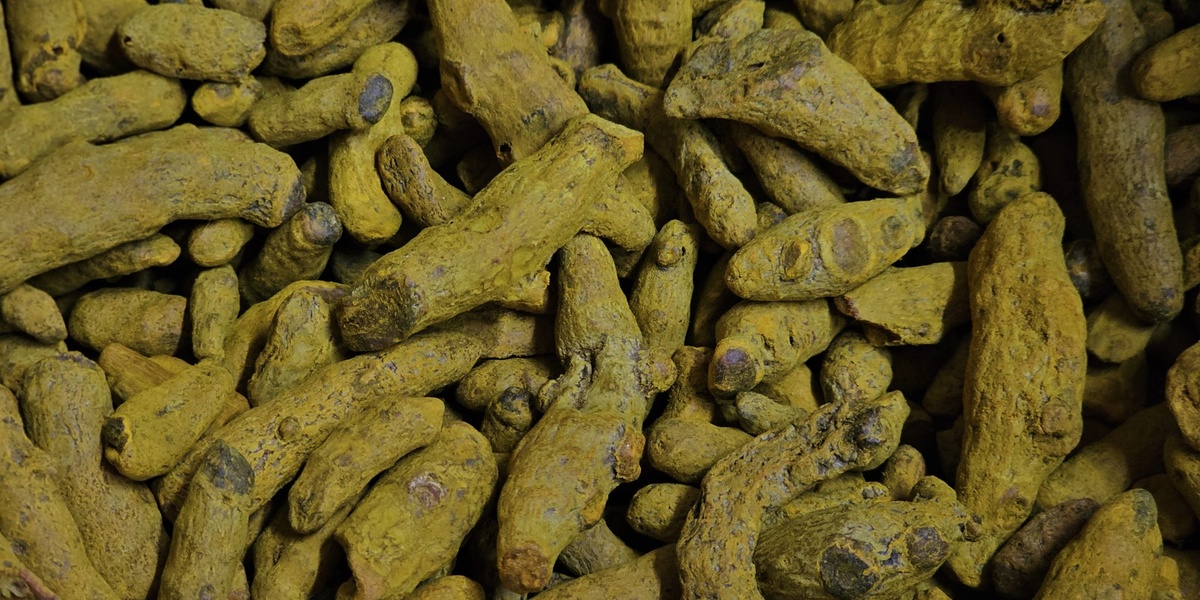
| Turmeric | Curcuma longa | root pigment (bright yellow-orange) | culinary, medicinal, dye |
| Ginger | Zingiber officinale | root flesh pale yellow | culinary, medicinal |
| Calendula | Calendula officinalis | flowers yellow to orange | medicinal, culinary, dye, ornamental |
| Chamomile | Matricaria chamomilla | flower yellow disc (center) | medicinal, tea, ornamental |
| Dandelion | Taraxacum officinale | flowers bright yellow | culinary, medicinal, ornamental |
| St. John’s Wort | Hypericum perforatum | flowers yellow | medicinal, ornamental |
| Safflower | Carthamus tinctorius | flowers yellow to orange | dye, culinary oil, ornamental |
| White Mustard | Sinapis alba | flowers and pale yellow seeds | culinary, condiment, oil |
| Evening Primrose | Oenothera biennis | flowers yellow (open at night) | medicinal oil, ornamental |
| Goldenrod | Solidago virgaurea | flowers bright yellow plumes | medicinal, ornamental, dye |
| Weld | Reseda luteola | flowers greenish-yellow (dye source) | dye, ornamental, traditional medicine |
| Yellow Dock | Rumex crispus | flowers/seeds greenish-yellow, yellow-brown root | medicinal, edible |
| Goldenseal | Hydrastis canadensis | rhizome bright yellow, flowers pale yellow | medicinal |
| Arnica | Arnica montana | flowers vivid yellow | topical medicinal, ornamental |
| Tansy | Tanacetum vulgare | flower clusters yellow button-like | medicinal, insect repellent, ornamental |
| Fernleaf Yarrow | Achillea filipendulina | flowers golden-yellow clusters | ornamental, medicinal |
| Rue | Ruta graveolens | flowers small yellow | medicinal, culinary (sparingly), insect repellent |
| Purslane | Portulaca oleracea | flowers yellow | culinary, medicinal, ornamental |
| Dyer’s Chamomile | Anthemis tinctoria | flowers bright yellow | ornamental, dye |
| Yellow Sweet Clover | Melilotus officinalis | flowers pale yellow racemes | medicinal, forage, honey |
| Coreopsis | Coreopsis tinctoria | petals bright yellow with markings | ornamental, dye |
| Sneezeweed | Helenium autumnale | flowers yellow to orange | ornamental, traditional medicine (caution) |
| Fennel | Foeniculum vulgare | flowers umbels of tiny yellow flowers | culinary, medicinal |
| Greater Celandine | Chelidonium majus | flowers butter-yellow, orange-yellow latex | traditional medicine (toxic), ornamental |
| Mexican Marigold | Tagetes erecta | flowers yellow to orange | ornamental, culinary, companion plant |
| Yellow Gentian | Gentiana lutea | flowers pale yellow, yellow-tinted root | medicinal (bitters) |
| Santolina | Santolina chamaecyparissus | flowers yellow button-like | ornamental, insect repellent, traditional uses |
| Wallflower | Erysimum cheiri | flowers yellow to orange clusters | ornamental, fragrance, traditional medicine |
| Sunflower | Helianthus annuus | petals bright yellow | culinary (seeds, oil), ornamental |
Images and Descriptions
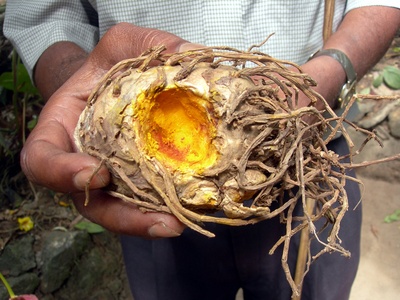
Turmeric
A tropical rhizome from South Asia with bright orange-yellow flesh used as spice, medicine, and dye. Easy to grow in warm, moist gardens or pots; prized for anti-inflammatory properties, stains easily — culinary and dyeing caution.
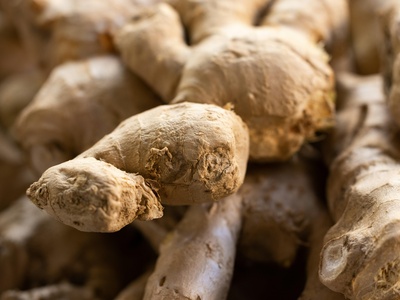
Ginger
A knobbly rhizome from Southeast Asia with pale yellow, spicy flesh used widely in cooking and herbal remedies. Grow in warm, sheltered soils or pots; fresh or dried root eases digestion and nausea, but store roots to prevent drying.
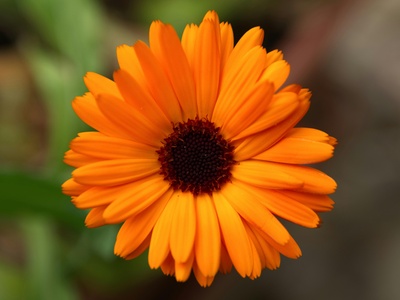
Calendula
A cheerful, easy annual with golden-yellow to orange daisy-like blooms used as a culinary garnish, salves, and natural dye. Thrives in sunny beds; petals are edible and soothing on skin, safe for many but test small patch first.
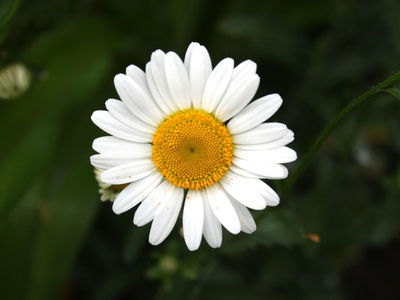
Chamomile
A small, daisy-like herb with white petals and a sweet apple-scented yellow disc; flowers steep into calming tea. Grows in temperate gardens and pots; traditionally used for insomnia and digestion, generally safe but check allergies to ragweed.
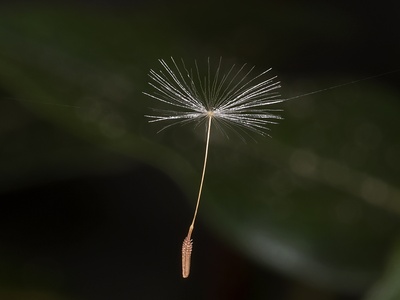
Dandelion
A common perennial with bright yellow composite flowers and taproot used as food and medicine. Found in lawns and meadows worldwide; leaves, flowers, and roots are edible, bitter-sweet and nutritious — forage responsibly and avoid polluted sites.
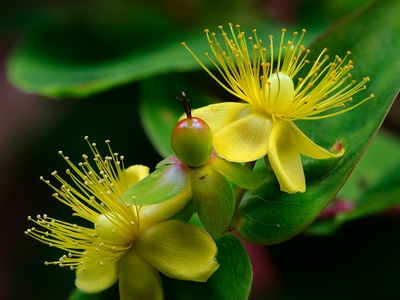
St. John’s Wort
A sun-loving perennial with distinctive yellow, five-petaled flowers used traditionally for mood support and topical wounds. Native to Europe but naturalized widely; interacts with many medications, so consult a healthcare provider before internal use.
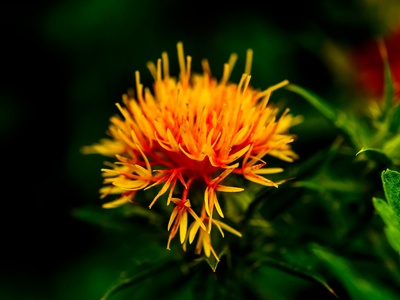
Safflower
An annual with thistle-like yellow to orange flowers used for dye, oil, and as a saffron substitute. Tolerant of dry, sunny sites; petals can color foods and textiles, while seeds yield edible oil; choose varieties for dye or oil.
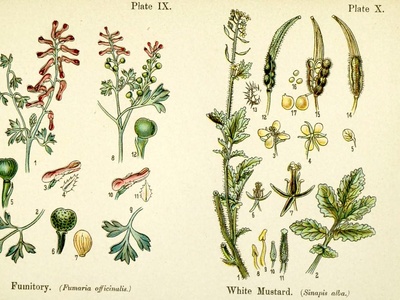
White Mustard
White mustard is an annual with small yellow flowers and pale yellow seeds used as spice, condiment, and oil. Easy to grow as a cover crop or garden spice; seeds are pungent, and sprouts make a peppery salad addition.
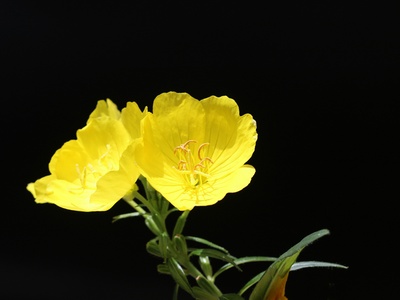
Evening Primrose
A biennial with fragrant yellow four-petaled flowers opening in evening; seeds produce evening primrose oil used for skin and hormonal conditions. Self-seeding and adaptable, prefers sunny or disturbed sites; consult provider for supplementation effects.
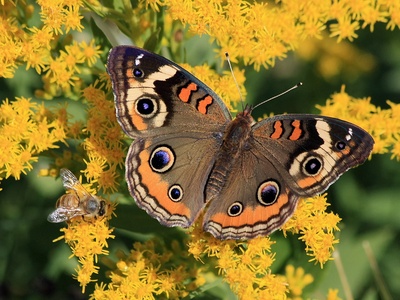
Goldenrod
Tall perennials with plumes of small bright yellow flowers common in meadows; Solidago virgaurea is used traditionally as a diuretic and anti-inflammatory. Prefers sunny soils, attracts pollinators, and can spread if not checked.
Weld
Reseda luteola, historically called weld, is a small herb with greenish-yellow flowers that yield a clear yellow dye. Prefers temperate gardens; used in traditional dyeing, with good colorfastness on natural fibers.
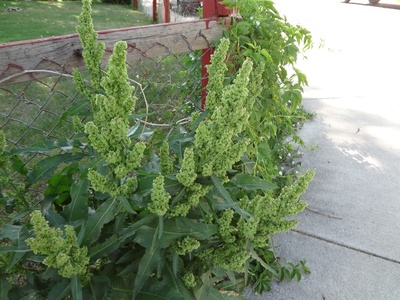
Yellow Dock
Rumex crispus produces dense clusters of greenish-yellow flowers and a tannic yellow-brown root used as a traditional bitter and blood tonic. Grows in disturbed soils; roots are medicinal but avoid self-dosing and check for potassium interactions.
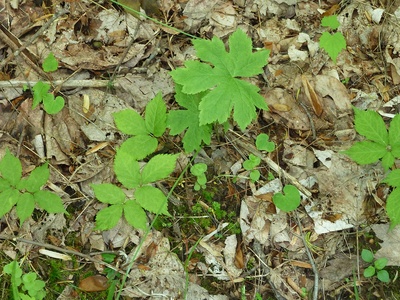
Goldenseal
A woodland perennial with creamy yellow flowers and a bright yellow rhizome used in traditional herbalism. Native to eastern North America; prized for antimicrobial uses, but it’s slow-growing and commercially overharvested — prefer cultivated sources.
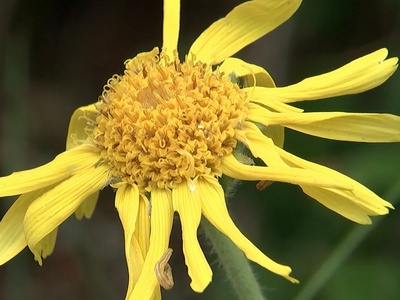
Arnica
A mountain herb with vivid yellow daisy-like flowers used topically for bruises and muscle aches. Arnica montana must not be ingested due to toxicity; grow in well-drained soils and use only prepared topical products.
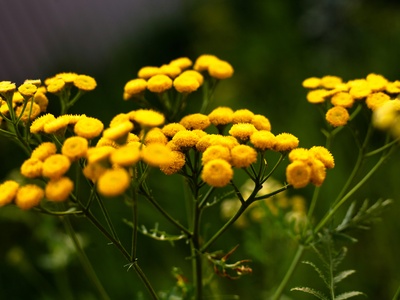
Tansy
A robust herb with button-like, intensely yellow flower clusters used historically for insect control and remedies. Tanacetum vulgare is bitter and can be toxic in large doses; handle with care and avoid internal use without guidance.
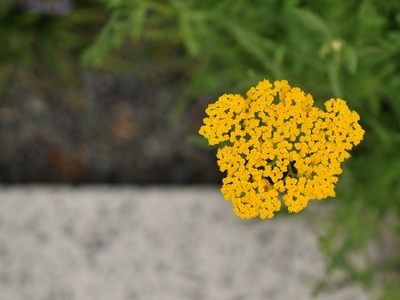
Fernleaf Yarrow
Achillea filipendulina bears flat clusters of golden-yellow flowers and is prized in ornamental borders and for traditional wound uses. Drought-tolerant and easy to divide; some people may experience skin sensitivity to its oils.
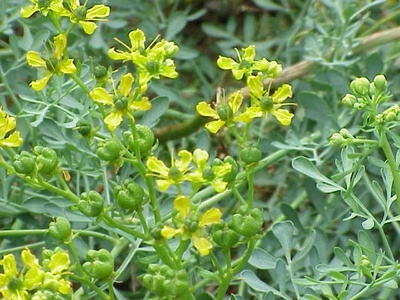
Rue
Ruta graveolens has gray-green foliage and small yellow flowers; a Mediterranean herb with strong, bitter aroma used sparingly in cooking and folk medicine. Touch can cause phytophotodermatitis; use caution and small amounts.

Purslane
A succulent annual with glossy leaves and showy yellow flowers; Portulaca oleracea is edible raw, with lemony flavor, and used in salads and traditional remedies. Thrives in hot, dry soils; a nutritious, easy-to-grow edible weed.
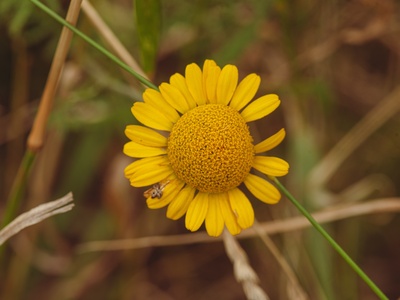
Dyer’s Chamomile
A hardy perennial with bright yellow daisy-like flowers used in borders and for yellow dye extracts. Tolerates poor soils and sun; petals yield a warm yellow color for textiles and crafts.
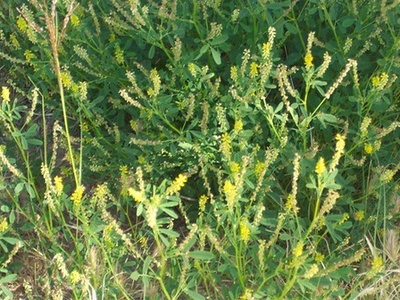
Yellow Sweet Clover
Melilotus officinalis is a fragrant biennial with racemes of pale yellow flowers used for forage, honey, and traditional remedies. Contains coumarin derivatives; dry carefully to avoid dicoumarol formation, and consult before medicinal use.
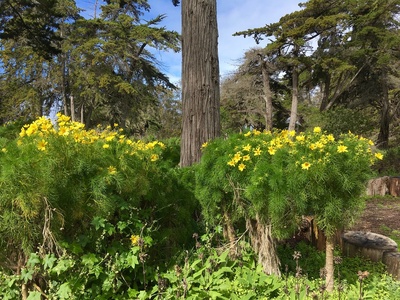
Coreopsis
An annual wildflower with bright yellow petals often marked with red centers, historically used as a dye and ornament. Easy to grow in full sun; seeds attract birds, and flowers make a cheerful border display.
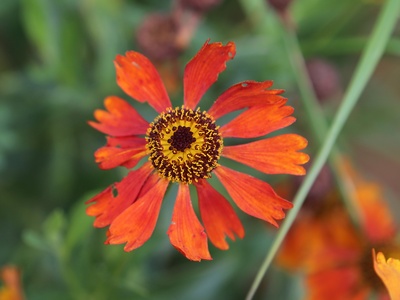
Sneezeweed
Helenium autumnale has vivid yellow to orange daisy-like blooms used in ornamental beds and historically in folk remedies. Prefers moist soils and full sun; not commonly eaten, and some species contain toxic compounds if ingested.
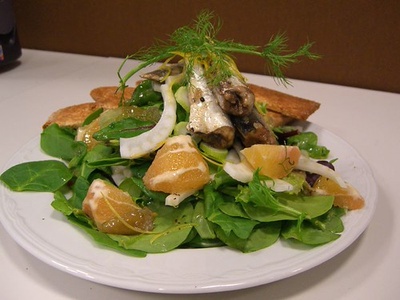
Fennel
Foeniculum vulgare is an aromatic perennial with feathery foliage and flat umbels of tiny yellow flowers; seeds and fronds flavor foods and treat digestion. Mediterranean native, drought-tolerant once established, but can self-seed prolifically.
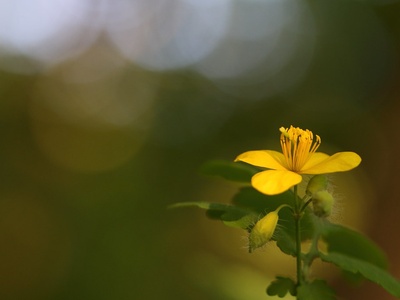
Greater Celandine
Chelidonium majus bears butter-yellow flowers and exudes an orange-yellow latex used historically for wart remedies. A weedy temperate herb, it’s considered toxic internally; handle latex cautiously and avoid ingestion without expert guidance.
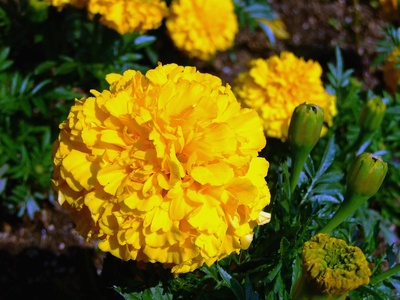
Mexican Marigold
A tall annual with showy yellow to orange pompon flowers used ornamentally and in cultural cooking; petals can color food and provide mild flavor. Easy to grow in hot summers; used as companion plant to deter pests.
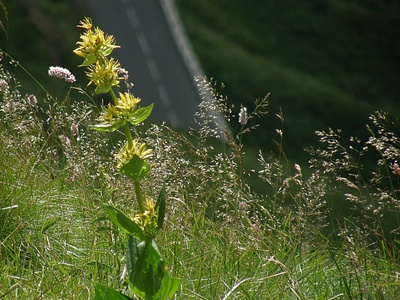
Yellow Gentian
A large alpine root with pale yellow flowers and very bitter yellow-tinted roots used in traditional bitters and liqueurs. Native to European mountains; slow to establish and best left to experienced growers for medicinal bitters.
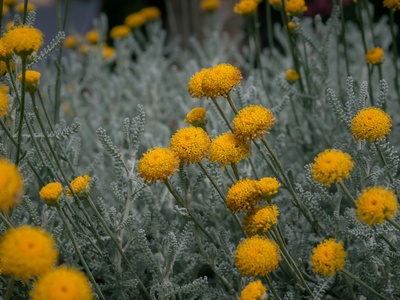
Santolina
Santolina chamaecyparissus has aromatic gray foliage and yellow button-like flowers; used ornamentally, as insect repellent, and in traditional herbal baths. Mediterranean native, drought-tolerant; avoid ingesting large amounts, as oils can be irritating.
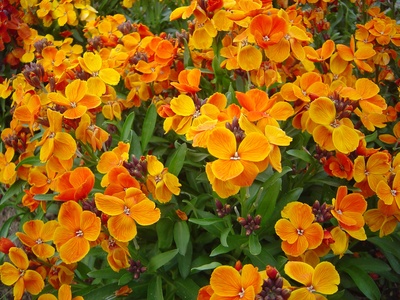
Wallflower
Erysimum cheiri, wallflower, bears clusters of fragrant yellow to orange flowers and is grown for ornament and scent. Thrives on sunny walls or rock gardens; some species used in folk remedies but not for casual internal use.
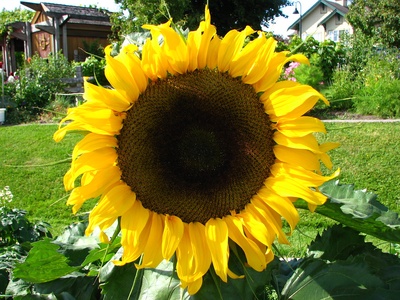
Sunflower
Helianthus annuus is an annual with large yellow rays surrounding a seed head; seeds and oil are culinary staples and flowers are ornamental. Prefers full sun and rich soil; bird-attracting and easy to grow in home gardens.