What makes a chameleon “famous” — bright colors, an unusual size, or a role in a book, film, or scientific discovery?
Chameleons capture our attention for a lot of reasons: dramatic color shifts, oddly shaped heads and horns, tiny sizes that fit on a fingertip, and memorable appearances in media and science. People follow breeders and Instagram accounts for their favorite morphs, students meet veiled chameleons in classrooms, and researchers publish eye-catching discoveries that make headlines.
This article introduces five of the most famous chameleons — from showy pet favorites to record-breaking tiny species — and explains why each one stands out in science, conservation, or popular culture. I’ll group the list by why each species is notable: popular pets, distinctive anatomy and size, and miniature discoveries. Expect a mix of natural-history facts (for example, Furcifer pardalis was described in 1829) and real-world notes about trade, research, and conservation.
First up: species many people encounter as pets and ambassadors for the group.
Popular pet species
Some chameleons became household names because they’re showy, reasonably tolerant of captive life compared with rarer reptiles, and charismatic on camera. Bright males, distinctive crests, and an active hobbyist community all helped turn a few species into public-facing examples of the family.
That visibility has a flip side: demand in the pet trade can harm wild populations if collectors aren’t careful, but well-managed captive-breeding programs and ethical keepers have also raised awareness and provided educational outreach at schools and zoos.
Below are two species that show how pet popularity translates into public recognition and, sometimes, conservation headaches — and successes.
1. Panther chameleon (Furcifer pardalis)
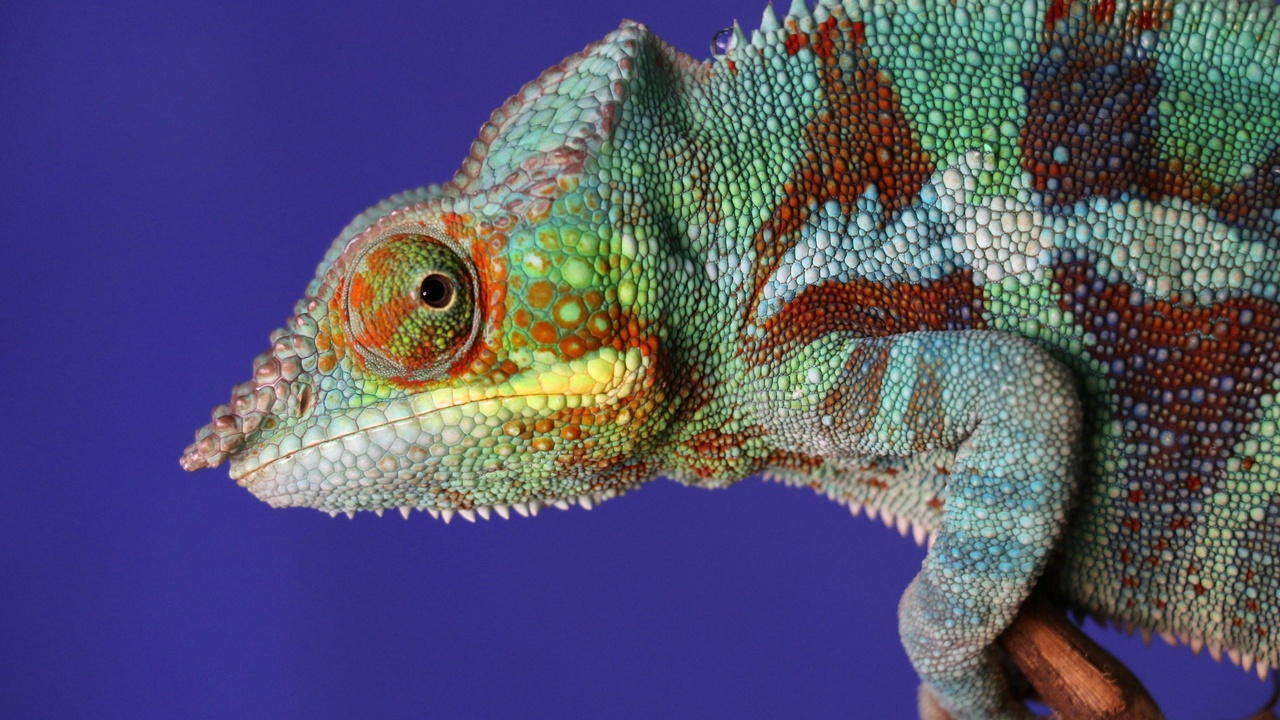
The panther chameleon is one of the most visually famous chameleon species, prized for intense, locality-specific color patterns that vary dramatically across Madagascar.
Native to eastern and northern Madagascar, adult males reach about 16–20 inches including the tail, and males display intense blues, reds, greens and orange depending on their locale. Furcifer pardalis was described in the 19th century (1829), and hobbyists often refer to color forms by collection locality — for example, the Nosy Be morph is famous for bright blue and red combinations.
Panther chameleons are a major part of the international pet trade, and captive-breeding communities (breeders, reptile shows, and Instagram accounts) helped reduce pressure on some wild populations by providing captive-bred stock. Still, habitat loss in Madagascar remains a concern for wild populations and their long-term future.
2. Veiled chameleon (Chamaeleo calyptratus)
The veiled chameleon is another widely encountered pet species, instantly recognizable by its tall casque, or helmet-like crest, and relatively robust size.
Native to Yemen and parts of Saudi Arabia, adult males typically reach around 17–18 inches including the tail (males are larger than females). Veiled chameleons are oviparous and often produce clutches of eggs that range widely — commonly in the dozens (many reports place typical clutches between about 20 and 60 eggs).
They’re popular in classroom education and husbandry workshops because their head-bob displays, feeding responses, and seasonal breeding cycles are easy to observe. Captive-breeding has been so successful that populations established from escaped or released individuals exist in some parts of the U.S. and elsewhere, which raises questions about invasive potential as well as animal welfare.
Species famous for distinctive traits
Certain species stand out not because they’re common in the pet trade but because of odd anatomy or record-setting size. Horns, oversized casques, and sheer bulk have all helped particular chameleons become signature species for researchers, nature guides, and tourists.
Some of these traits also affect ecology and management: introduced populations can behave differently than native ones, and very large species require different captive care than small pet favorites. These examples show how morphology shapes public and scientific attention, and why those differences matter on the ground.
These species are among the most famous chameleons (and their names) known to hobbyists and scientists due to their unusual looks and histories.
3. Jackson’s chameleon (Trioceros jacksonii)
Jackson’s chameleon is the “horned” species that often gets compared to a tiny triceratops because males typically sport three forward-pointing horns on the head.
Native to the highlands of Kenya and Tanzania, adults (males) reach about 8–12 inches total length. Unlike many chameleons that lay eggs, Jackson’s chameleons are ovoviviparous and can give birth to dozens of live young in a single reproductive event, which has interesting implications for population growth.
Introduced populations were documented in Hawaii beginning in the mid-20th century and became established on islands such as Oahu and Maui by the 1970s. Those introductions created management questions because Jackson’s chameleons can compete with native invertebrates and affect local food webs, and researchers have used the species to study behavior and reproductive strategies.
4. Parson’s chameleon (Calumma parsonii)
Parson’s chameleon is famous mostly for its sheer bulk — it’s among the largest chameleons alive and moves in a deliberate, slow manner that makes it memorable to observers.
Native to Madagascar, adult total lengths are often cited around 24–27 inches including the tail, and individuals weigh far more than typical pet species. In captivity, Parson’s chameleons have recorded lifespans commonly in the 8–14 year range under good care, which makes long-term husbandry a real commitment.
Because of its size and striking appearance, the species draws ecotourists and researchers in Madagascar, but that attention also means collection pressure and habitat loss can be particularly damaging. Large size complicates captive housing, diet, and veterinary care compared with smaller chameleons.
Tiny wonders and scientific discoveries
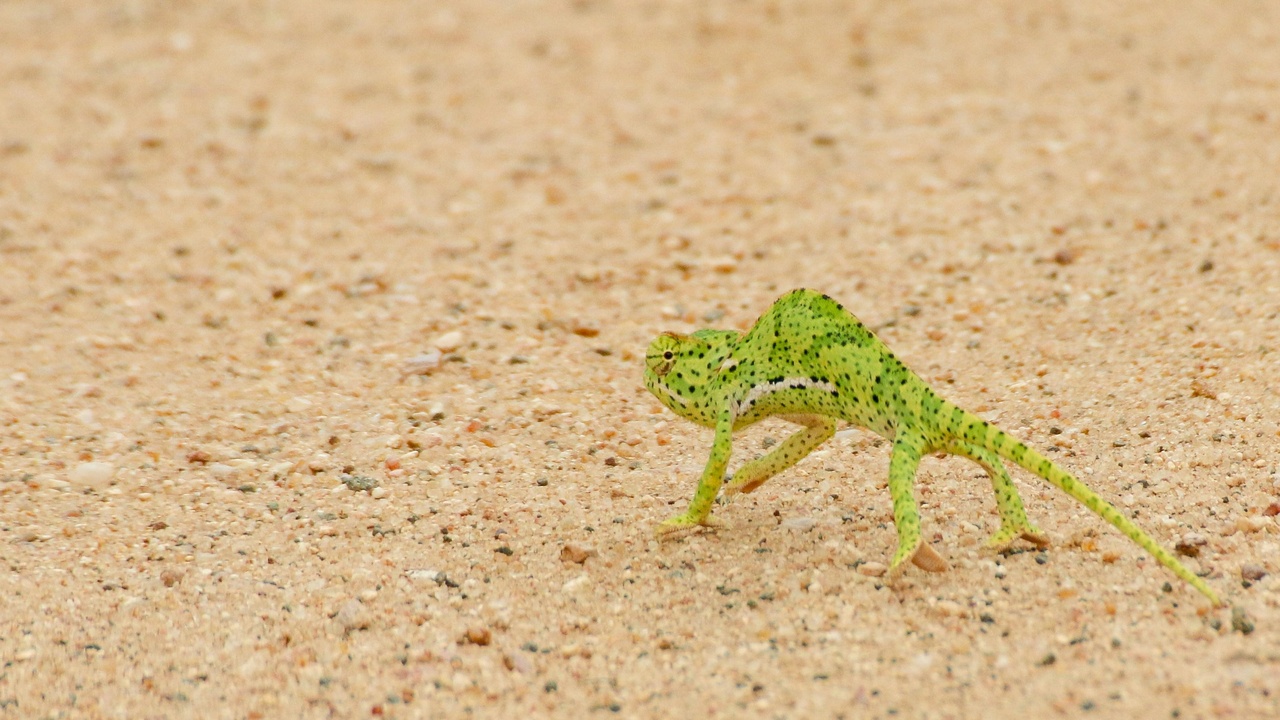
Miniature chameleons capture headlines because extreme miniaturization raises fascinating evolutionary questions. How does island life and ecological niche specialization drive animals down to fingertip-sized forms? And what does that mean for conservation when those microhabitats disappear?
Small species also make great science stories: they highlight undiscovered diversity, push researchers to survey tiny islands and leaf litter, and often become emblematic of fragile island ecosystems that need protection.
Here’s one tiny species that made a big splash in the scientific press.
5. Brookesia micra (dwarf pygmy chameleon)
Brookesia micra is one of the smallest known chameleons and became a headline-maker when scientists described it in 2012.
Adults measure about 29 mm total length (roughly 1.1 inches), small enough to sit comfortably on a matchbox. The species was discovered on a tiny islet near Nosy Hara off Madagascar, and its extreme small size ties closely to island microhabitats and specialized life in leaf litter.
Discoveries like Brookesia micra push conservationists to protect very specific, localized habitats. Tiny species are often the first casualties of island development or habitat degradation, so they frequently serve as urgent examples for targeted protection and further biodiversity surveys.
Summary
- Chameleons show remarkable size and form diversity — from the dwarf Brookesia micra at about 29 mm to Parson’s chameleon often near 24–27 inches — which helps explain public fascination.
- Public fame comes from different sources: bright, locality-specific coloration and breeder communities for panther chameleons; distinctive anatomy and introduced histories for Jackson’s chameleons; and sheer bulk and lifespan for Parson’s chameleon.
- Pet popularity raises awareness but can also create conservation issues; captive-breeding and choosing captive-bred individuals are practical ways to reduce pressure on wild populations.
- Scientific discoveries of tiny species (Brookesia micra was described in 2012) highlight island evolution and the need to protect microhabitats in biodiversity hotspots like Madagascar.
- Learn more responsibly: support habitat-protection groups working in Madagascar, favor captive-bred pets when appropriate, and look for local reptile education programs that promote ethical keeping and conservation.