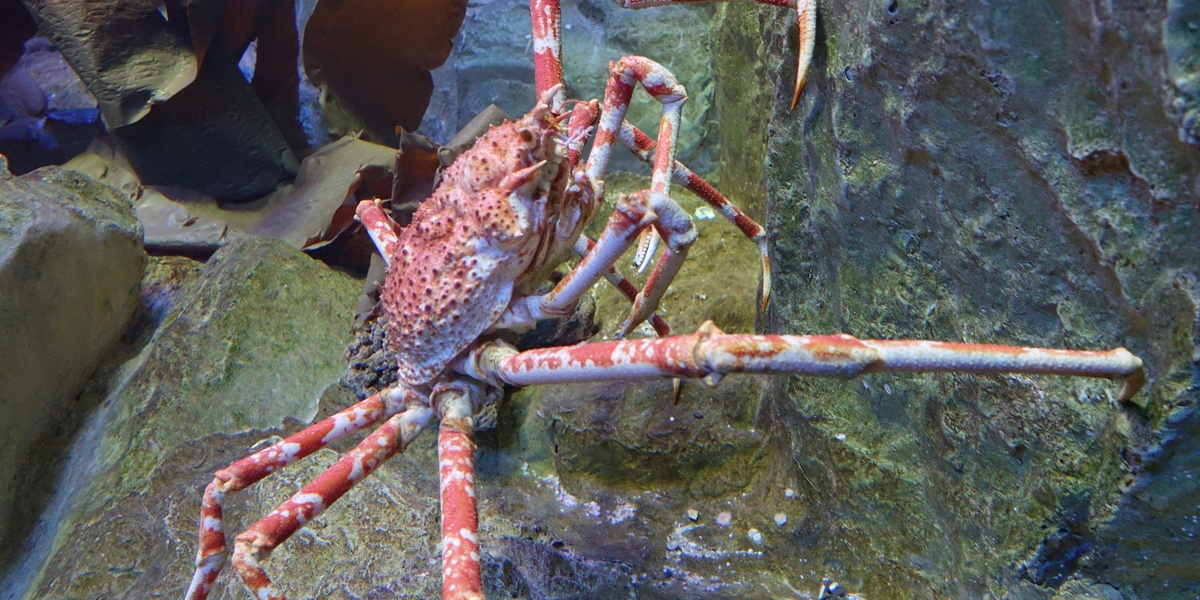
The Japanese spider crab can span nearly 12 feet from leg tip to leg tip—wider than some small cars. That single fact tends to stop people in their tracks, and for good reason: crabs surprise us with extremes of size, color, behavior, and usefulness. Some are giant deep-sea scavengers; others are tiny, brilliantly colored icons on rocky shores. A few play outsized roles in economies, medicine, and pop culture.
People often recognize a crab’s look long before they know its story or name. That gap matters because a species’ name connects us to its ecology, conservation status, and human uses. This article introduces eight famous crabs (and their names), explaining what makes each one remarkable — from record-breaking size to cultural fame and real-world uses in medicine, fisheries, and tourism. For reliable species records and context, sources like the Smithsonian’s marine collections, NOAA fisheries reports, and IUCN assessments are good places to cite.
Giant and Remarkable Species
Size, lifespan, and striking appearance are the traits that most often turn a crab into a local celebrity. Researchers measure leg span, carapace width, weight, and longevity to document records; those metrics then feed museum exhibits, aquarium displays, and tourism marketing. A crab with a multi-meter leg span or a decades-long lifespan becomes a talking point in natural-history halls and on guided tours.
These traits also spur scientific interest: very large or long-lived crabs raise questions about growth rates, deep-water ecology, and how species respond to fisheries. At the same time, eye-catching species make easy ambassadors for conservation—think of aquarium specimens of Macrocheira or the photogenic Sally Lightfoot crabs that tourists love to photograph in the Galápagos. Researchers and naturalists use standardized measurements and museum vouchers to verify “record” traits and track changes over time (Smithsonian and IUCN database entries are commonly referenced).
1. Japanese spider crab (Macrocheira kaempferi)
The Japanese spider crab holds the record for largest leg span among crabs, reaching about 3.8 m (nearly 12 ft). It lives on the benthic slopes off Japan at depths roughly between 50 and 600 m and feeds primarily as a scavenger, sweeping the seafloor for carrion and detritus.
Human interactions are limited but notable: specimens sometimes appear in regional fisheries landings, and several Japanese public aquaria display preserved or living Macrocheira to educate visitors about deep-sea life. Scientists document specimens with precise measurements and photographs, and museum collections help confirm unusually large individuals for the record books.
2. Coconut crab (Birgus latro)
The coconut crab is the planet’s largest terrestrial arthropod, with adults reaching weights near 4 kg and lifespans often reported between 30 and 60 years. These impressive hermit-crab relatives climb trees, use massive claws to crack coconuts, and can be surprisingly bold around human settlements on tropical islands.
They feature heavily in island folklore and attract ecotourists eager to see a giant land crab. Conservation concerns exist: local harvest and habitat loss have pushed managers to adopt protections in some places. IUCN assessments and island regulations (seasonal closures or size limits) are common tools for balancing traditional use, tourism, and species survival.
3. Sally Lightfoot crab (Grapsus grapsus)
Sally Lightfoot is small by comparison—a carapace around 5–7 cm—but it’s arguably one of the most photogenic crabs on Earth. Its bright reds, oranges, and patterns make it a favorite subject for wildlife photographers, particularly in the Galápagos and along Pacific coastlines.
Visible on rocky intertidal shores, it grazes algae and scavenges, playing a tidy ecological role while providing a memorable image for tourists. Galápagos tour operators and park educational materials often use Grapsus imagery to introduce visitors to coastal ecology.
Commercially and Ecologically Important Crabs
Some crabs become famous because they support entire regional economies. Fisheries for species like blue crab, Dungeness, and red king crab supply restaurants, processing plants, and export markets. Their value is measured in harvest tonnage, dockside prices, and the jobs they sustain in ports and processing towns.
These fisheries also create management challenges: quotas, size limits, seasonal closures, and gear restrictions are common tools used by NOAA, regional fisheries commissions, and the FAO to keep stocks productive. Habitat quality matters too—eelgrass and oyster beds, for example, are essential nursery habitats for many commercially important crabs, which ties conservation directly to local livelihoods.
4. Blue crab (Callinectes sapidus)
The blue crab is a culinary and cultural icon of the U.S. mid-Atlantic, especially Chesapeake Bay. Regional harvests frequently reach tens of millions of pounds a year, supporting seafood houses, canneries, and festivals across Maryland and Virginia (see NOAA and Chesapeake Bay Program reports for recent figures).
Callinectes is a true swimming crab: its last pair of legs are flattened into paddles, and adults typically have a carapace up to about 23 cm across. Management relies on habitat protection and harvest measures—eelgrass restoration, catch limits, and seasonal rules are all part of keeping the fishery productive.
5. Dungeness crab (Metacarcinus magister)
Dungeness is a prized species along the U.S. West Coast and British Columbia, valued in restaurants and at local docks. Adult carapaces commonly reach up to about 20 cm, and peak landings often occur from late fall through winter in many fishing areas.
The fishery is largely small-boat based and relies on trap gear, size limits, and seasonal openings set by regional managers (NOAA Pacific Marine Fisheries and state commissions publish season details). Ports such as Newport, Astoria, and others feature prominently in Dungeness landings and regional seafood economies.
6. Red king crab (Paralithodes camtschaticus)
Red king crab rose to fame through the Bering Sea fishery; its large legs command premium prices in markets worldwide. Historical catches peaked in the 1970s and 1980s, and those boom years shaped coastal Alaska communities and processing infrastructure.
Management today uses international and federal quotas because stocks have fluctuated dramatically. The fishery remains economically important to many Alaska towns, supplying frozen and processed crab products to high-end seafood markets.
Crabs in Culture, Science, and Fiction
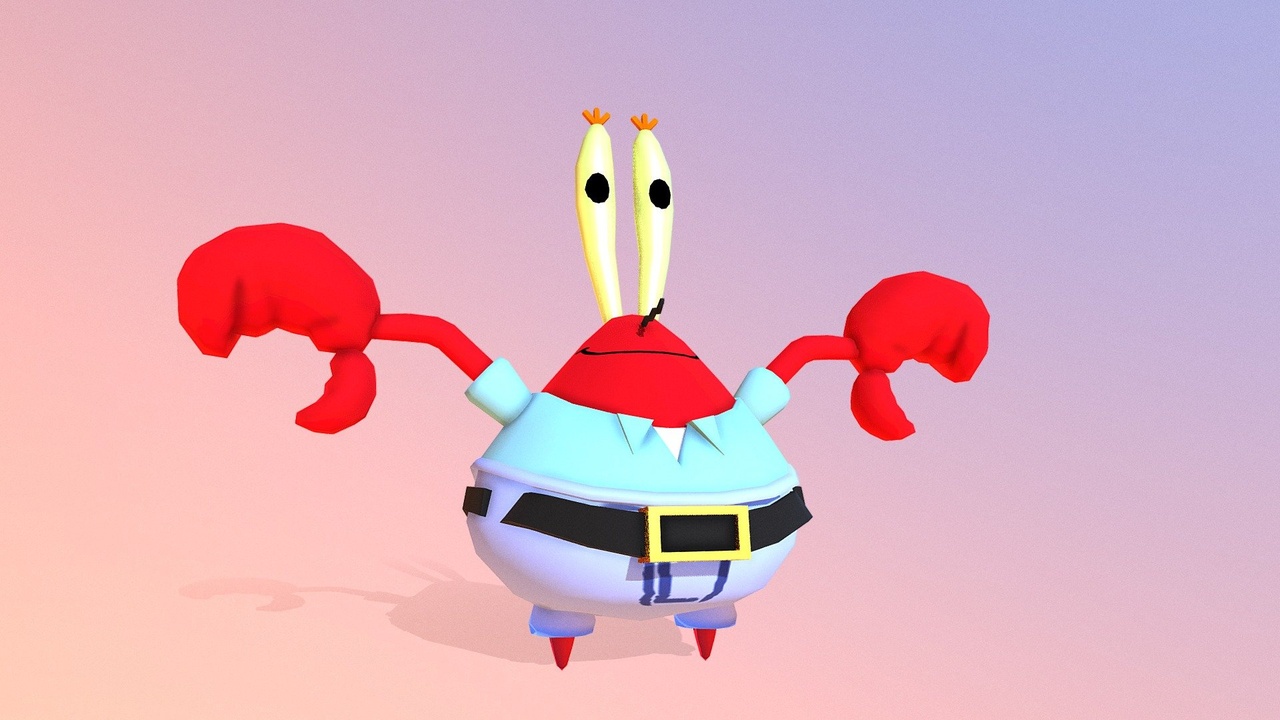
Crabs show up beyond fisheries and natural-history displays: they figure in biomedical research, folklore, cartoons, and brand imagery. Horseshoe “crabs” (which are not true crabs) supply a blood-derived reagent that has been essential to pharmaceutical safety testing for decades, while fictional figures like Mr. Krabs bring a family-friendly face to the idea of a crab.
That cultural attention has real consequences. Biomedical demand once drove large-scale collection of horseshoe crabs for blood; growing public interest in species welfare and the discovery of recombinant alternatives have led to changes in practice and policy. Fictional crabs, meanwhile, help form public perceptions—sometimes prompting curiosity about the animals behind the characters.
7. Horseshoe crab (Limulus polyphemus and relatives)
Horseshoe crabs are ancient arthropods rather than true crabs, but they’ve become famous for a lifesaving application: their blood yields Limulus amebocyte lysate (LAL), a reagent used since the 1970s to detect bacterial endotoxins in vaccines, IV drugs, and medical devices. Historically, U.S. collection estimates have ranged in the low hundreds of thousands annually for biomedical bleed-and-release programs (FDA and biomedical literature document these practices).
Conservation concerns about bleed-related mortality and population effects prompted investment in alternatives. Recombinant factor C (rFC) is a synthetic substitute that several manufacturers and regulatory agencies now recognize, and its adoption could reduce pressure on wild horseshoe crab populations. The real-world impact is substantial: hospitals and vaccine makers use endotoxin testing worldwide, so changes in reagent sourcing ripple through global supply chains.
8. Mr. Krabs (from SpongeBob SquarePants)
Mr. Krabs debuted with SpongeBob in 1999 and remains one of the most recognizable fictional crabs. Created by Stephen Hillenburg and voiced by Clancy Brown, he owns the Krusty Krab restaurant and embodies a comic, penny-pinching personality that audiences quickly learned to love.
Though fictional, Mr. Krabs has tangible effects: extensive merchandising, theme-park tie-ins, and a role in shaping how children picture crabs. Characters like him can inspire curiosity about marine life and, at their best, provide a stepping stone to learning the real species behind the cartoons.
Summary
- Size extremes can be staggering: the Japanese spider crab’s legs reach nearly 12 feet, while the coconut crab shows the limits of terrestrial arthropods.
- Economies and cultures depend on certain species—blue crab, Dungeness, and red king crab support fisheries, restaurants, and coastal jobs and require active management and habitat care.
- Science and medicine intersect with crabs: horseshoe crab blood enabled essential endotoxin testing, and newer recombinant reagents are easing pressure on wild populations.
- Fictional crabs like Mr. Krabs influence public perception and can help spark interest in real wildlife and conservation.
If you’re curious about famous crabs (and their names), start by learning one or two species from each category—giants, fisheries, and cultural icons—and support sustainable seafood choices or conservation groups that protect their habitats. That small step helps ensure these remarkable crabs remain part of our coasts, kitchens, and stories for years to come.