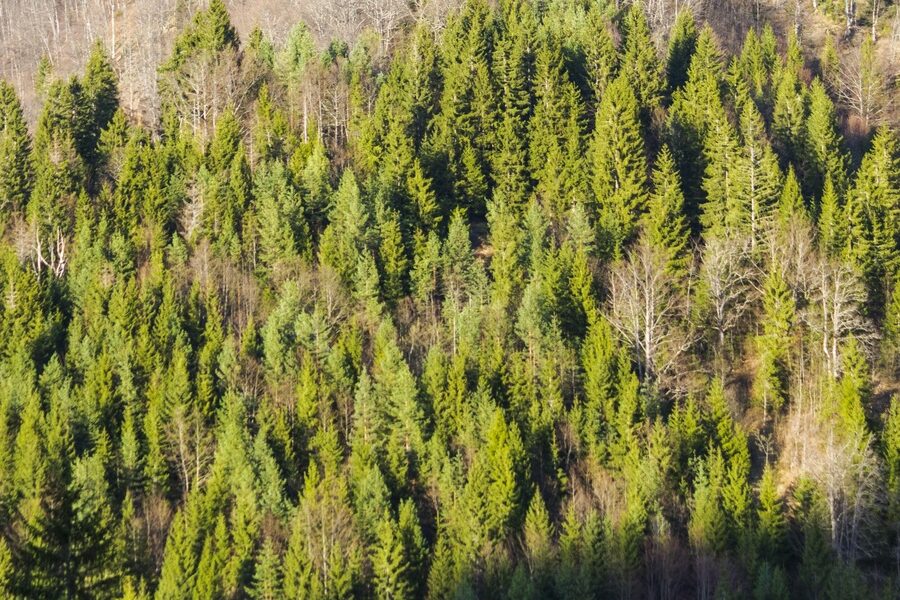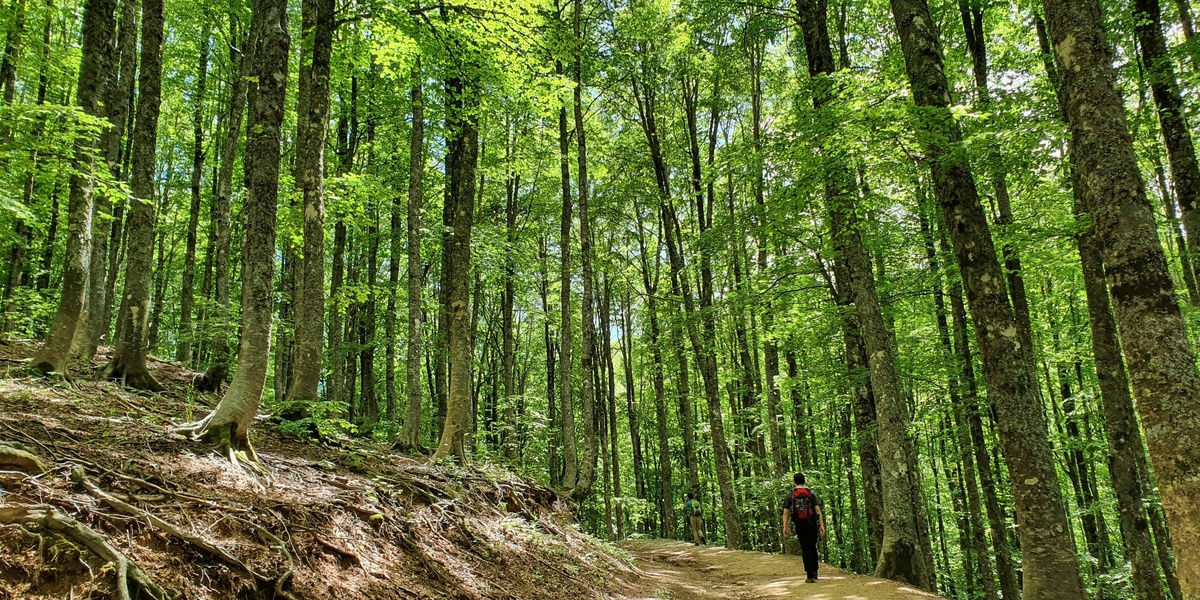
About 41% of Slovakia is covered by forest, and the Carpathian range creates sharp habitat gradients from lowland meadows to alpine scree.
These eight representative plants — from towering beech to peat-bog specialists — showcase the ecological range, cultural uses, and conservation priorities of the temperate plant life here. Forests supply timber and store carbon, meadows sustain pollinators and traditional farming, and alpine and wetland species hold unique biodiversity in small, vulnerable pockets.
I’ll group the species into three habitat categories: forest trees; meadows, grasslands and understory herbs; and alpine and wetland specialists. Each entry notes where to find the plant in Slovakia, its uses, and why conservation matters. If you enjoy field trips, these species offer clear places to look and stories to follow about how people and plants connect.
Forest giants: dominant temperate trees
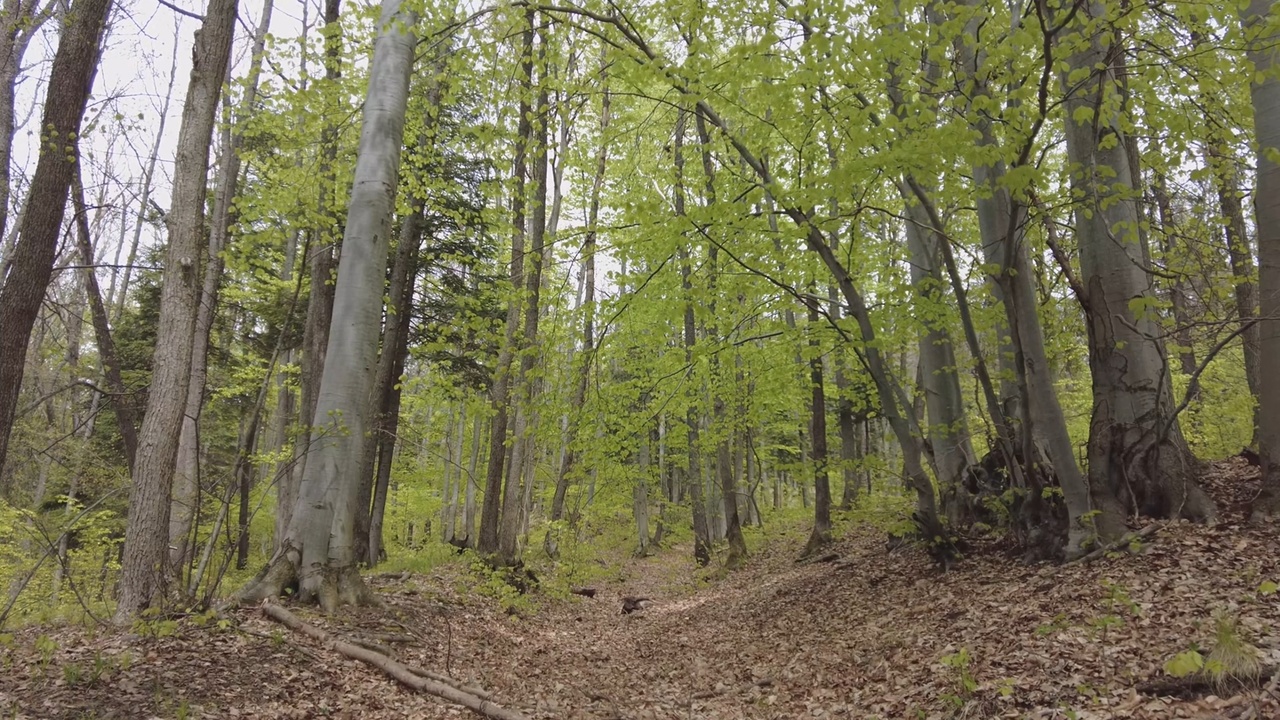
Mixed beech-fir-spruce forests are a defining feature of Slovakia’s landscapes, spanning lowlands to montane slopes and covering roughly 41% of the country. These stands deliver timber, store carbon in biomass and soils, protect against erosion, and provide habitat for countless animals and understory plants.
Managed forests around centres like Banská Bystrica and Žilina combine timber production with sustained-yield and conservation practices. Typical elevation bands run from valley lowlands up into montane zones, and many protected areas and state forests use thinning, natural regeneration, and mixed-species planting to keep stands resilient.
Where to see them: Low Tatras, Malé Karpaty (Little Carpathians), and spruce-beech transitions on Carpathian slopes offer textbook examples accessible by marked trails.
1. European beech (Fagus sylvatica)
European beech dominates many lowland and montane mixed forests in Slovakia and acts as a classic climax species on fertile, well-drained soils.
In Central Europe beech commonly reaches up to about 1,000–1,300 m altitude where conditions suit it, forming dense canopies that shape moist, shaded understories. Beech stands in Malé Karpaty and the lower slopes of the Low Tatras support specialized mosses, ferns and spring ephemerals.
Real-world uses are concrete: beech wood provides high-quality timber for furniture, flooring and tools, while heavy mast years supply food for wild boar, deer and small mammals that link forest productivity to hunting and local economies.
2. Norway spruce (Picea abies)
Norway spruce is the most widespread conifer in Slovakia’s higher-elevation forests and dominates many montane slopes across the Carpathians.
Spruce has been planted extensively since the 19th and 20th centuries to meet timber and pulp demand, creating large, even-aged stands especially on cooler slopes and in the High Tatras region. These stands yield softwood for construction and paper industries.
The management history has trade-offs: dense spruce plantations are more vulnerable to bark beetle outbreaks and to climate-driven drought stress at lower elevations, issues that recent forest policies are trying to address by increasing species mixes and structural diversity.
3. Pedunculate oak (Quercus robur)
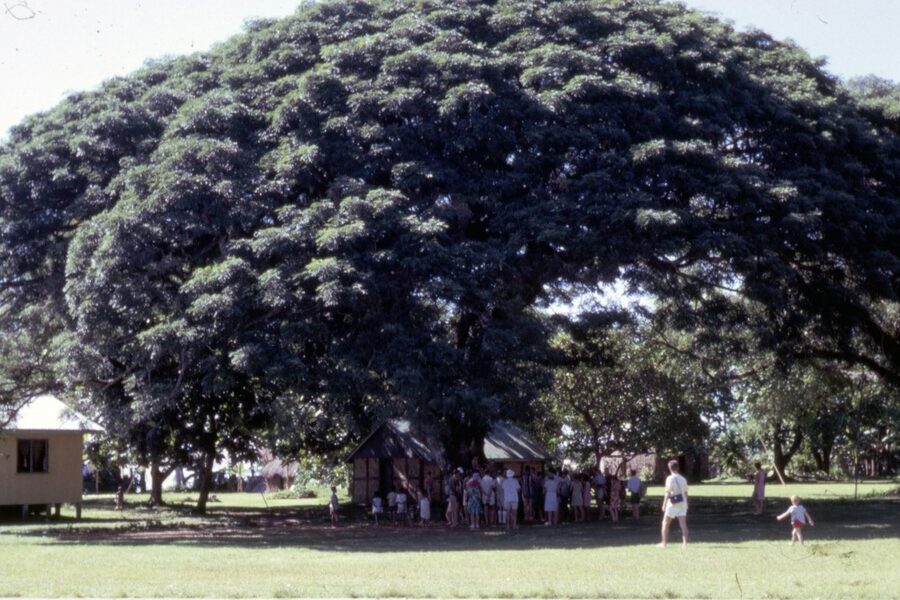
Pedunculate oak is a keystone species in lowland and riverine habitats, especially in floodplain forests and parkland near major rivers.
Oaks support unusually high insect and bird diversity, hosting dozens of caterpillar species and providing acorns that feed wildlife through autumn and winter. The wood is prized for durable construction and traditional uses in village settings.
Look for venerable oak groves along the Danube lowlands near Bratislava and in scattered riparian reserves. Oaks also feature in Slovak folklore and often mark historic village sites or communal greens.
Meadows, grasslands and understory herbs
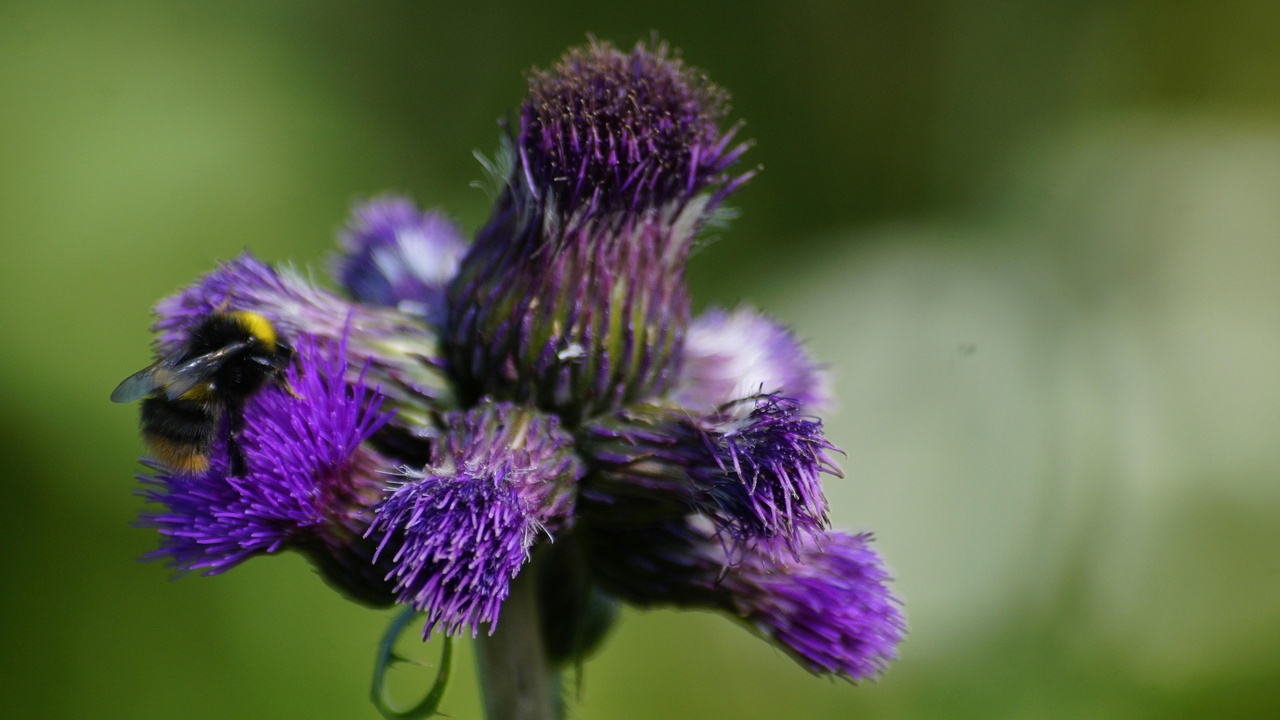
Semi-natural hay meadows and forest understories are cultural landscapes as much as ecological ones. Traditional mowing and low-intensity grazing created species-rich swards that support pollinators, birds and small-scale pastoral livelihoods.
These meadows were once far more widespread but declined sharply through the 20th century due to intensification and land-use change. Where they remain—Pohronie and Orava have good examples—they sustain local beekeeping, seasonal haymaking and tourism tied to wildflower displays.
Maintaining these habitats requires timing cuts, leaving field margins and preventing fertilizer run-off. The three herbs below illustrate meadow charm, orchid rarity and medicinal value central to Slovakia’s native plants.
4. Pasque flower (Pulsatilla vulgaris)
The pasque flower is a charismatic early-spring specialist, with nodding, bell-shaped purple blossoms that appear as snow retreats.
It flowers in early spring, providing nectar for emerging bees and flies, and signals high-quality, unimproved calcareous grassland. The species is locally protected in many areas because it depends on traditional mowing regimes.
Photographers and naturalists prize pasque flower sites on calcareous meadows in western Slovakia, and the plant is often used as a focal species in small-scale meadow restoration projects.
5. Lady’s-slipper orchid (Cypripedium calceolus)
Lady’s-slipper is one of Europe’s most striking and rare orchids, prized for its large, slipper-shaped lip and delicate pollination ecology.
As a legally protected species, it occurs in shaded deciduous woods and forest edges where soil and mycorrhizal partners remain undisturbed. Its rarity and sensitivity make it an emblematic species of the flora of Slovakia and a focus of habitat protection.
Conservation responses include site protection, anti-collection enforcement, and guided observation programs that allow people to appreciate the orchid without harming populations. A few reserves permit careful, guided visits during the flowering season.
6. Arnica (Arnica montana)
Arnica is a montane and submontane herb long used in traditional medicine and now common in topical remedies for bruises and muscle aches.
In the Carpathians arnica typically grows in open alpine meadows and subalpine grasslands, often between roughly 800 and 1,800 m depending on local conditions. Wild populations in parts of Europe have declined because of overharvesting and habitat change.
To balance use and conservation, some alpine farms cultivate arnica for herbal production while reserves enforce sustainable wild-collection limits. Low Tatras meadows remain good places to see flowering stands when access is permitted.
Alpine and wetland specialists
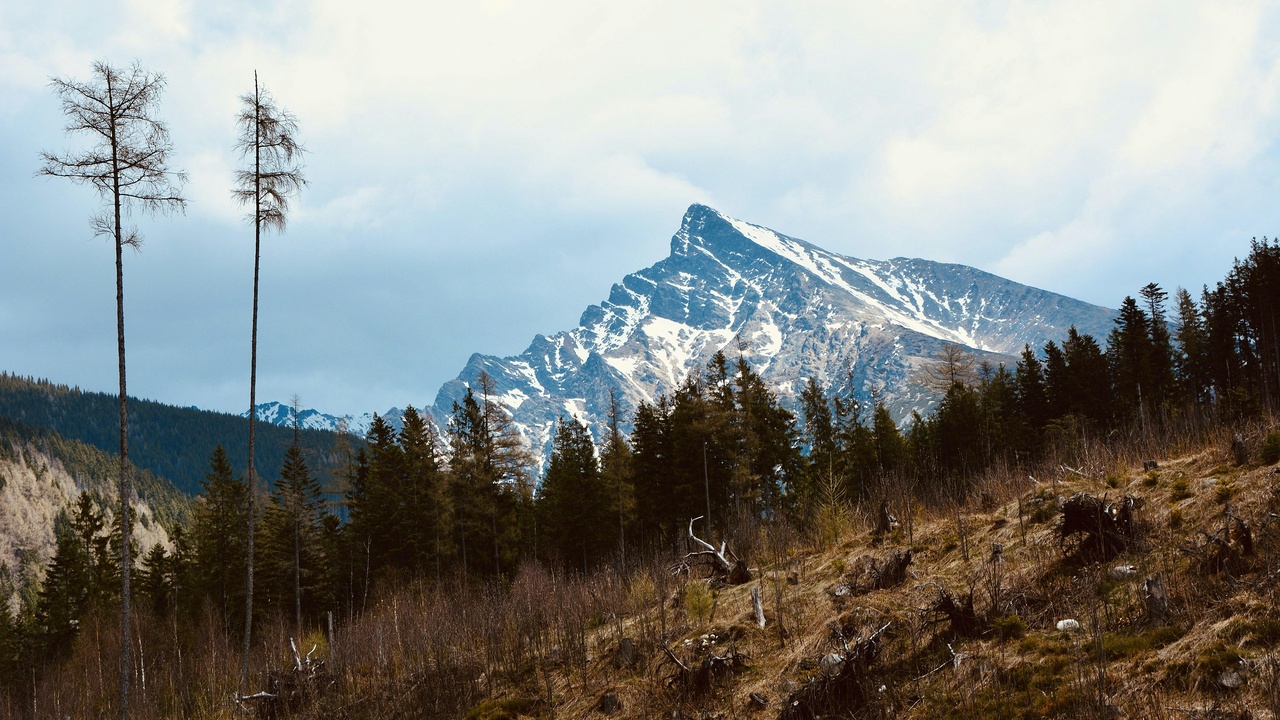
High-altitude and peatland habitats in Slovakia are small in area but disproportionately valuable for biodiversity. The Tatra Mountains reach their high point at Gerlachovský štít (2,655 m), and alpine screes, cushions and bogs host species found nowhere else in the country.
These specialist habitats buffer water flows, store carbon in peat, and support plants adapted to cold, wind and saturated soils. Because they are limited and fragmented, alpine and bog species face urgent threats from warming climates, trampling by visitors, and peat drainage.
I highlight one cushion-forming scree plant and one peat-bog fruiting specialist that illustrate the contrast between rocky summits and wetland conservation.
7. Mountain avens (Dryas octopetala)
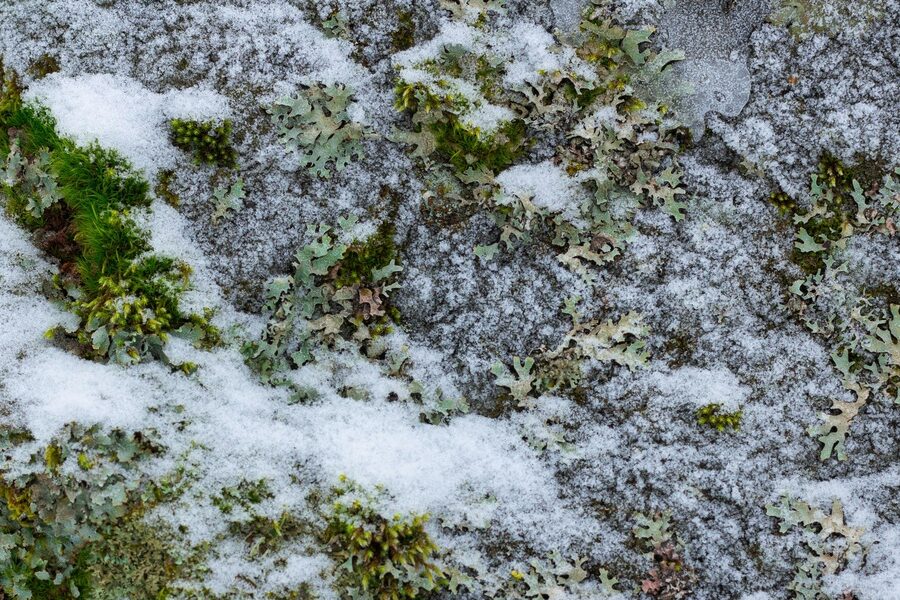
Mountain avens is a low-growing, cushion-forming species of rocky alpine and subalpine zones, often carpeting calcareous scree with silvery leaves and white flowers.
Found near the highest Tatra elevations and on exposed stony slopes, Dryas helps stabilise loose soil and provides one of the first floral resources for alpine pollinators in short growing seasons.
Because alpine plants operate close to physiological limits, mountain avens and its companions are sensitive to warming and to trampling from increased mountain tourism, so trail design and visitor education are key conservation tools.
8. Cloudberry (Rubus chamaemorus) and peat-bog species
Cloudberry is a classic peat-bog specialist with amber-coloured edible fruits that are collected locally and used in jams, syrups and traditional desserts.
Peatlands in Slovakia—often dominated by Sphagnum mosses—store large amounts of carbon relative to their area and regulate water by holding and slowly releasing precipitation. These wetlands are limited in extent and largely protected within reserves.
Harvesting cloudberries is a local tradition in northeastern peatlands, but management focuses on sustainable picking and protecting bog hydrology. Preserving sphagnum-dominated bogs supports biodiversity, water regulation and climate mitigation.
Summary
- About 41% of Slovakia is forested, while meadows, alpine scree and peat bogs add distinct habitats that support diverse native plants.
- Traditional hay meadows and riparian floodplain forests sustain pollinators, local livelihoods and cultural practices—protecting them preserves both nature and heritage.
- Rare species such as the lady’s-slipper orchid, alpine cushions like Dryas, and peat-bog specialists require targeted conservation to withstand climate change and visitor pressure.
- Learn more by visiting a Tatra trail or a managed hay meadow with a local guide, and support regional conservation or sustainably sourced wood and herbal products.