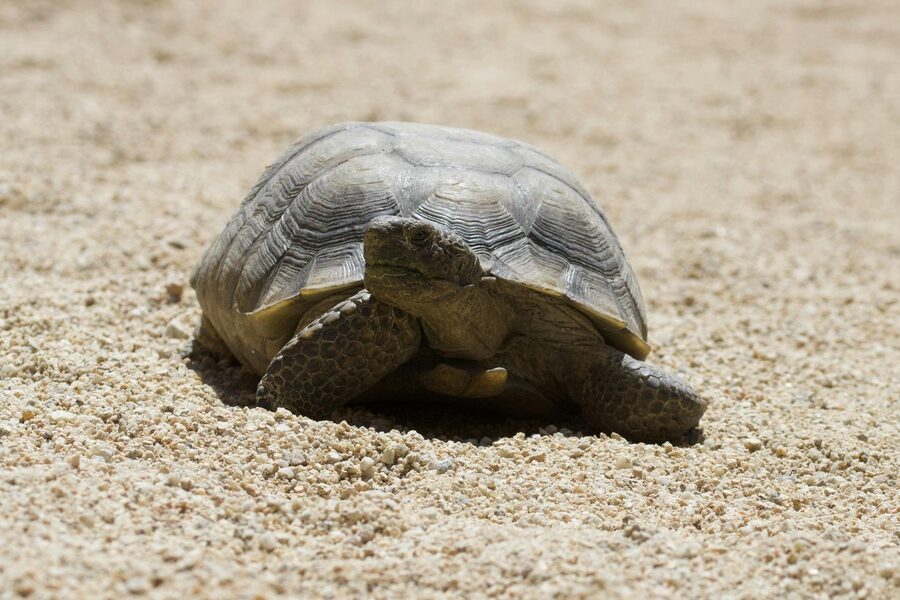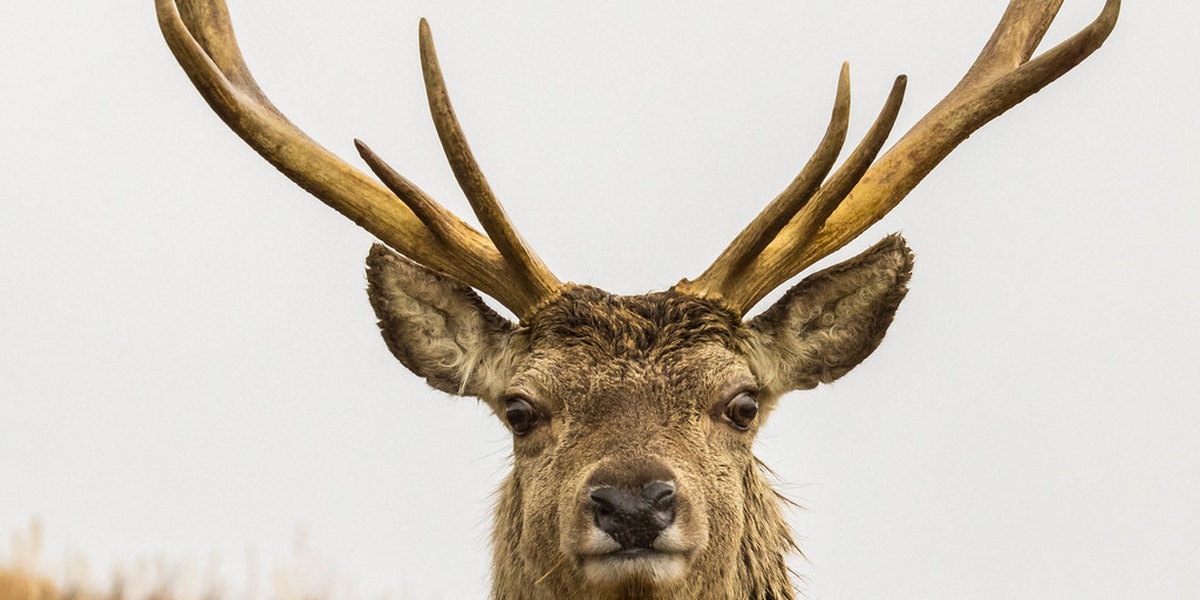
Germany’s landscapes—from Baltic shores and lowland rivers to mixed forests and alpine meadows—support a surprising variety of wildlife. Whether you visit a city park or a remote nature reserve, the animal life reflects that range of habitats and human influence across the country.
There are 54 Germany’s native animals, ranging from Atlantic salmon to Wild boar. For each species you’ll find below German name,Scientific name,Conservation status (IUCN / national), so you can quickly see taxonomy and threat level as you scan the list you’ll find below.
Which species on the list are most threatened in Germany?
Several species show elevated risk levels; the conservation column highlights those classified as Vulnerable, Endangered, or worse at either the IUCN or national scale. Use the Conservation status (IUCN / national) column to spot locally imperiled species and prioritize those for further reading or conservation action.
How current is the information and where does it come from?
The list compiles widely used assessments (IUCN and national red lists where available) alongside standard scientific names; dates can vary by source, so check the original assessments or national databases cited in the list for the latest updates.
Germany’s Native Animals
| Common name | German name | Scientific name | Conservation status (IUCN / national) |
|---|---|---|---|
| Roe deer | Reh | Capreolus capreolus | LC / Germany: Common |
| Red deer | Rotwild | Cervus elaphus | LC / Germany: Common |
| Wild boar | Wildschwein | Sus scrofa | LC / Germany: Widespread |
| Brown hare | Feldhase | Lepus europaeus | LC / Germany: Declining locally |
| European hedgehog | Igel | Erinaceus europaeus | VU / Germany: Declining |
| Red fox | Rotfuchs | Vulpes vulpes | LC / Germany: Common |
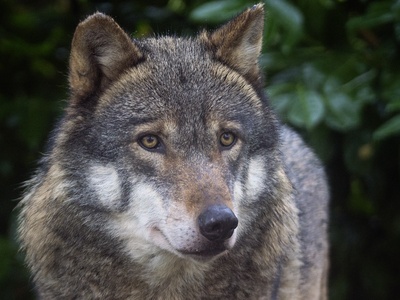
| Grey wolf | Wolf | Canis lupus | LC / Germany: Recolonising |
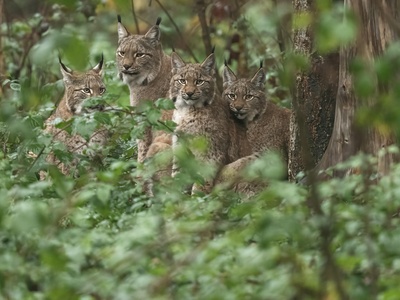
| Eurasian lynx | Eurasischer Luchs | Lynx lynx | LC / Germany: Reintroduced/recolonising |
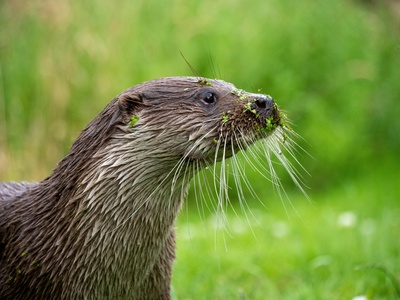
| European otter | Fischotter | Lutra lutra | NT / Germany: Recovering |
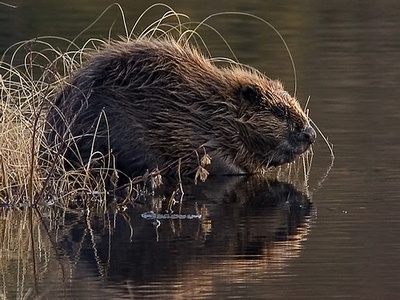
| European beaver | Biber | Castor fiber | LC / Germany: Reintroduced, now widespread |
| European badger | Dachs | Meles meles | LC / Germany: Widespread |
| Eurasian red squirrel | Eichhörnchen | Sciurus vulgaris | LC / Germany: Forest-dependent |
| White stork | Weißstorch | Ciconia ciconia | LC / Germany: Locally declining |
| Common crane | Kranich | Grus grus | LC / Germany: Increasing (protected) |
| White-tailed eagle | Seeadler | Haliaeetus albicilla | LC / Germany: Recovered |
| Eurasian blackcap | Mönchsgrasmücke | Sylvia atricapilla | LC / Germany: Common breeder |
| European robin | Rotkehlchen | Erithacus rubecula | LC / Germany: Widespread |
| Barn swallow | Rauchschwalbe | Hirundo rustica | LC / Germany: Summer migrant breeder |
| Common buzzard | Mäusebussard | Buteo buteo | LC / Germany: Widespread |
| Eurasian blue tit | Blaumeise | Cyanistes caeruleus | LC / Germany: Common woodland bird |
| Black woodpecker | Schwarzspecht | Dryocopus martius | LC / Germany: Large forest woodpecker |
| Great crested grebe | Haubentaucher | Podiceps cristatus | LC / Germany: Lakes and ponds |
| Mute swan | Höckerschwan | Cygnus olor | LC / Germany: Common on lakes/rivers |
| Eurasian skylark | Feldlerche | Alauda arvensis | LC / Germany: Farmland declines |
| Common kingfisher | Eisvogel | Alcedo atthis | LC / Germany: Rivers and streams |
| Tawny owl | Waldkauz | Strix aluco | LC / Germany: Woodland and towns |
| Common gull | Lachmöwe | Chroicocephalus ridibundus | LC / Germany: Inland and coastal |
| Grass snake | Ringelnatter | Natrix natrix | LC / Germany: Wetlands and ponds |
| European adder | Kreuzotter | Vipera berus | LC / Germany: Edge habitats, locally declining |
| Sand lizard | Zauneidechse | Lacerta agilis | LC / Germany: Heaths and dunes |
| European pond turtle | Europäische Sumpfschildkröte | Emys orbicularis | NT / Germany: Fragmented populations |
| Fire salamander | Feuersalamander | Salamandra salamandra | LC / Germany: Forest streams |
| Smooth newt | Teichmolch | Lissotriton vulgaris | LC / Germany: Common pond-breeder |
| Common frog | Grasfrosch | Rana temporaria | LC / Germany: Widespread in moist habitats |
| Natterjack toad | Kreuzkröte | Epidalea calamita | LC / Germany: Local, coastal/heath |
| Brown trout | Bachforelle | Salmo trutta | LC / Germany: Rivers and streams |
| Atlantic salmon | Atlantischer Lachs | Salmo salar | LC / Germany: Migratory, rivers restored |
| European eel | Europäischer Aal | Anguilla anguilla | CR / Germany: Critically Endangered |
| Northern pike | Hecht | Esox lucius | LC / Germany: Lakes and rivers predator |
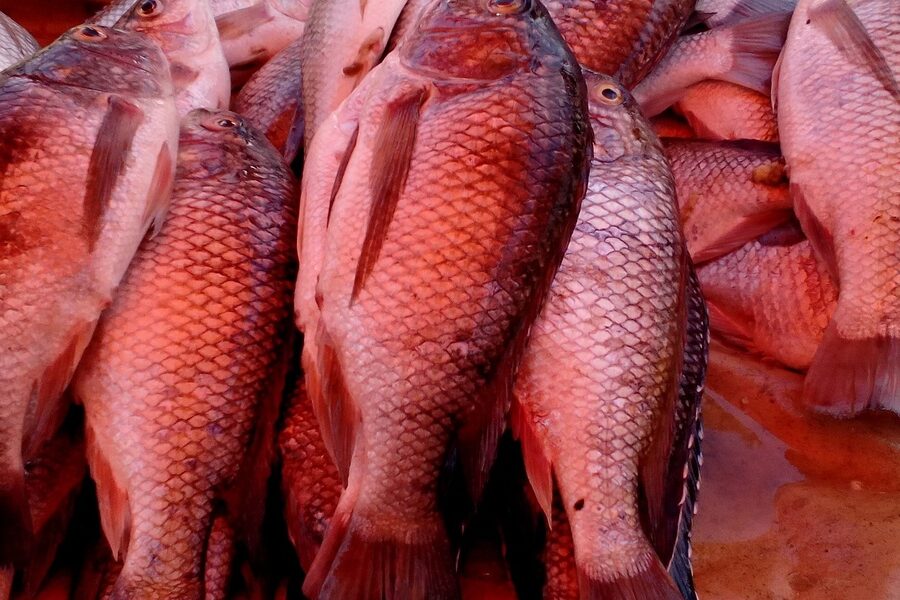
| Roach | Rotauge | Rutilus rutilus | LC / Germany: Abundant freshwater fish |
| European stag beetle | Hirschkäfer | Lucanus cervus | NT / Germany: Wooded areas, declining |
| Seven-spot ladybird | Marienkäfer | Coccinella septempunctata | LC / Germany: Common garden predator |
| European mantis | Gottesanbeterin | Mantis religiosa | LC / Germany: Warm open habitats |
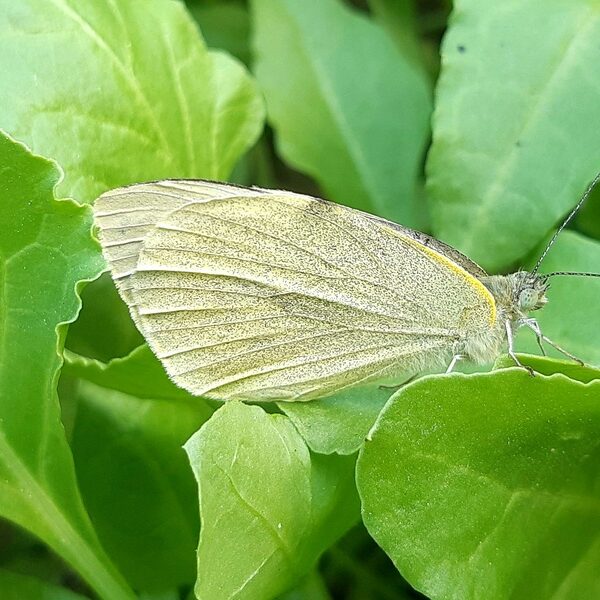
| Large blue butterfly | Großer Feuerfalter | Phengaris arion | EN / Germany: Rare, targeted conservation |
| Swallowtail | Schwalbenschwanz | Papilio machaon | LC / Germany: Meadows and river valleys |
| Emperor dragonfly | Kaiserlibelle | Anax imperator | LC / Germany: Lakes and large ponds |
| Roman snail | Weinbergschnecke | Helix pomatia | LC / Germany: Woodland edges and vineyards |
| Common cockchafer | Maikäfer | Melolontha melolontha | LC / Germany: Historically abundant |
| Glow-worm | Glühwürmchen | Lampyris noctiluca | NT / Germany: Declining in places |
| Red wood ant | Rote Waldameise | Formica rufa | LC / Germany: Forest ecosystem engineer |
| European mole | Maulwurf | Talpa europaea | LC / Germany: Widespread subterranean |
| Common pipistrelle | Zwergfledermaus | Pipistrellus pipistrellus | LC / Germany: Common urban and woodland bat |
| Greater mouse-eared bat | Großes Mausohr | Myotis myotis | NT / Germany: Roosts in caves and buildings |
| River lamprey | Flussneunauge | Lampetra fluviatilis | LC / Germany: Coastal rivers |
Images and Descriptions
Roe deer
A small deer of forests, fields and hedgerows across Germany, especially central and southern regions. Common in mixed farmland and woodland edges; notable for its solitary or small-group behavior and quick, bounding escape runs.
Red deer
Large deer found in forests and low mountain ranges like the Harz and Bavarian Forest. Often seen at dusk; males roar in autumn rut and antlers are a familiar sign of mature woodland habitats.
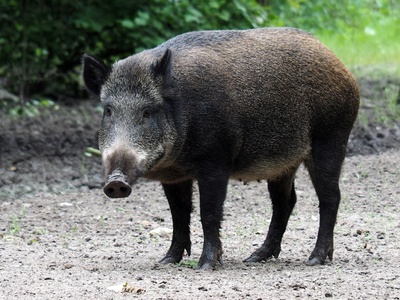
Wild boar
Omnivorous and adaptable, wild boar inhabit forests, wetlands and agricultural edges across Germany. Known for rooting behavior that shapes soil and vegetation; populations have increased in many regions in recent decades.
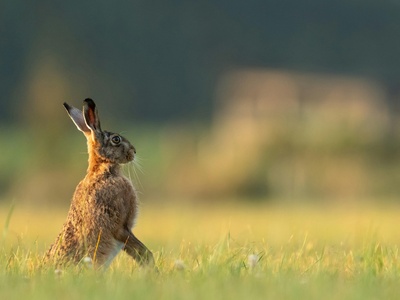
Brown hare
Prefers open farmland and grasslands, common in eastern and northern Germany but declining with intensive agriculture. Notable for fast sprinting and the spring “boxing” behavior of males and females.
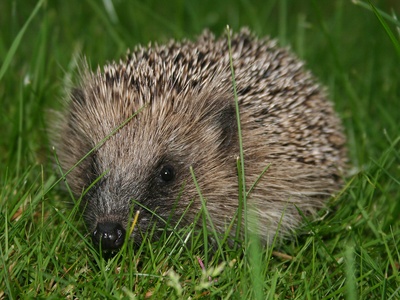
European hedgehog
Found in gardens, parks, hedgerows and woodland edges across towns and countryside. Nocturnal insectivore that rolls into a spiny ball for defense; numbers are falling due to habitat loss and road mortality.
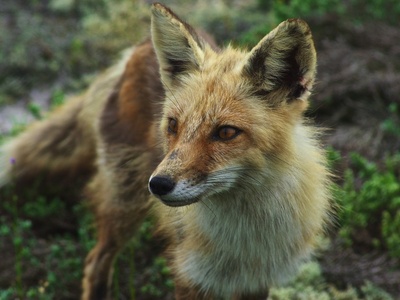
Red fox
Very adaptable predator living in forests, fields, suburbs and cities throughout Germany. Opportunistic diet and crafty behavior make it one of the most familiar wild mammals in urban and rural areas.
Grey wolf
Naturally recolonising Germany from the east, wolves now breed in several northern and eastern regions. Packs use large territories; their return has important ecological and social implications.
Eurasian lynx
Secretive forest predator found in reintroduction and recolonization areas like the Harz and Bavarian Forest. Solitary and crepuscular, lynx help control deer populations where they persist.
European otter
Lives along rivers, lakes and coastal waters; populations have recovered after pollution controls and habitat work. Noted for agile swimming and fish-based diet, otters indicate improving water quality.
European beaver
Prefers slow rivers and wetlands, building dams and lodges that create rich wetland habitats. Once extinct in Germany, beavers have been reintroduced and now occur across many river systems.
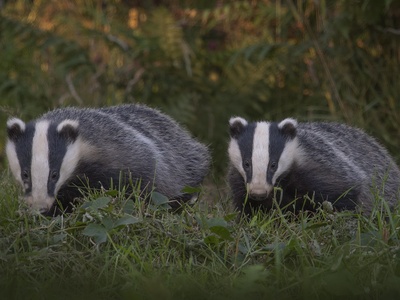
European badger
Nocturnal digger of woodlands and farmland edges, living in communal setts. Badgers forage for earthworms and small animals and are a familiar sight on rural roads at night.
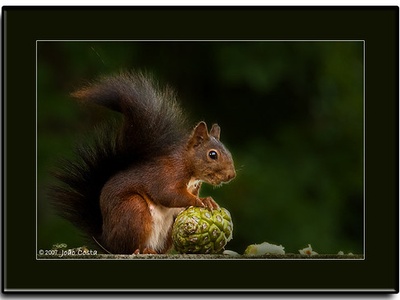
Eurasian red squirrel
Tree-dwelling squirrel of coniferous and mixed forests, common in many parks and woodlands but declining locally where habitat fragments. Known for bushy tail and seed caching.
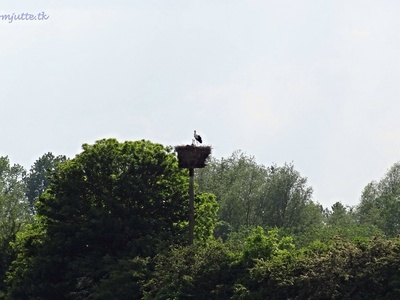
White stork
Favors wetlands, meadows and farmland; breeds on rooftops and platforms especially in eastern and northern Germany. Migratory but returns each spring; culturally significant and often visible in open countryside.
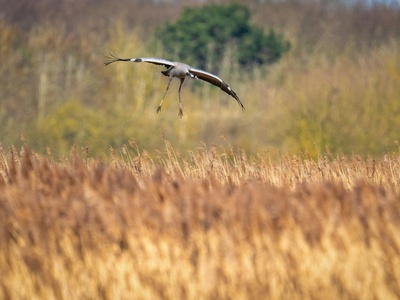
Common crane
Breeds in wetlands and reedbeds in northeastern Germany and larger marshes; notable for dramatic courtship dances and large migratory flocks in spring and autumn.
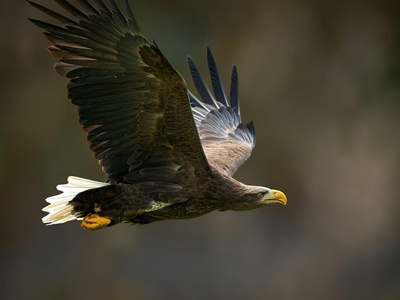
White-tailed eagle
Found near coasts, large lakes and river estuaries, especially in the north and east. Once rare, conservation has restored breeding populations; these massive raptors feed on fish and carrion.
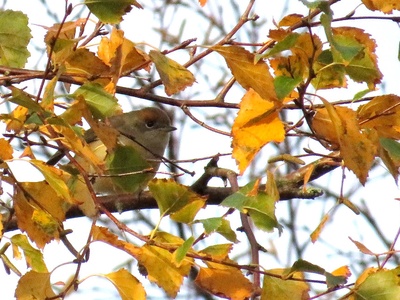
Eurasian blackcap
A small songbird of woodlands, parks and gardens across Germany. Noted for its melodic song and flexible migration patterns, some now overwinter in urban areas due to milder winters.
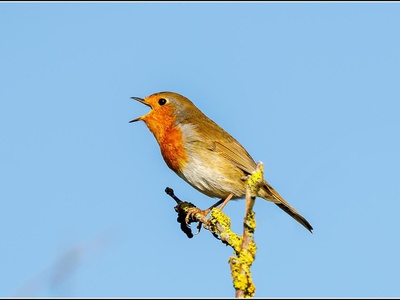
European robin
Familiar garden and woodland bird with a red breast; stays year-round in many regions. Bold around humans and often sings through much of the year.
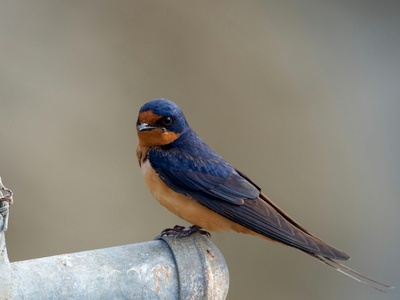
Barn swallow
Breeds on farms, barns and bridges across Germany; feeds on aerial insects and is a familiar sight in summer. Populations are sensitive to insect declines and farming changes.
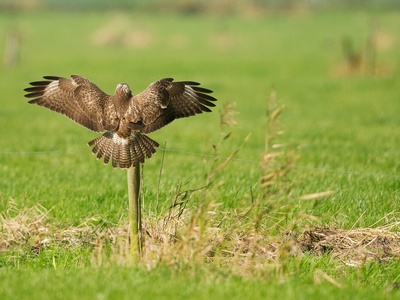
Common buzzard
Medium-sized raptor using woodlands, farmland and hills across Germany. Often seen soaring on thermals; diet includes small mammals and carrion, making it a versatile predator.
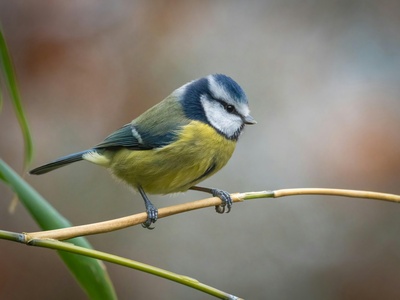
Eurasian blue tit
Common in deciduous woodlands, parks and gardens; cavity nester that readily uses nest boxes. Energetic and acrobatic foragers of caterpillars and insects.
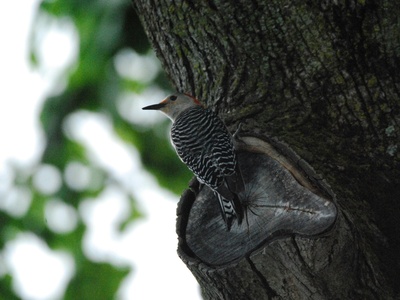
Black woodpecker
Inhabits mature forests, especially in central and southern uplands. A large, loud woodpecker that excavates big nest cavities used later by many other species.
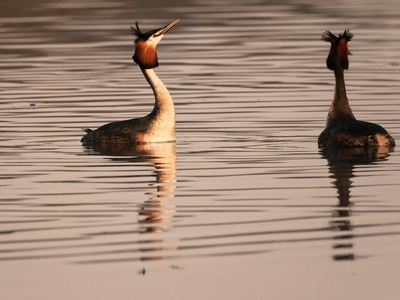
Great crested grebe
Frequently seen on lakes and large ponds across Germany; famous for elaborate courtship displays and floating nests anchored to vegetation.
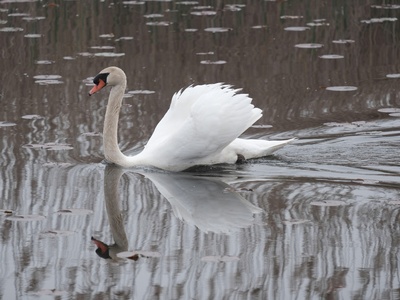
Mute swan
Large resident waterbird on lakes, rivers and coastal lagoons; commonly kept near towns but also a wild breeder with territorial pairs.
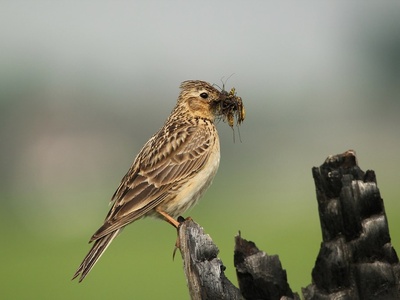
Eurasian skylark
Open-field bird of grasslands and farmland, historically common but declining with intensive agriculture. Notable for long, hovering song flights over fields.
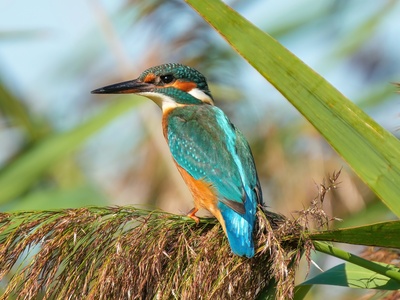
Common kingfisher
Brightly colored small bird that hunts small fish from riverbanks and canals; best found on clean, slow-flowing waters with perches and banks for nest burrows.
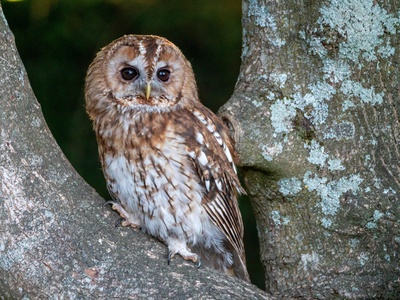
Tawny owl
Silent-flight night predator of woodlands and larger gardens, nesting in tree holes and old buildings. Characteristic hooting voice and secretive daytime roosts.
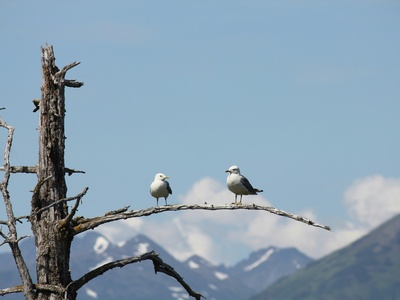
Common gull
Widespread coastal and inland gull that breeds on freshwater lakes and marshes; adaptable feeding on fish, invertebrates and urban food sources.
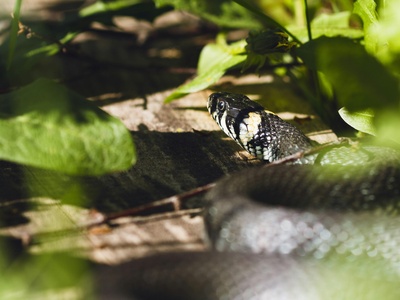
Grass snake
Nonvenomous snake frequenting wetlands, ponds and riverbanks across Germany. Often basks near water and feeds on amphibians; harmless to humans and good swimmer.
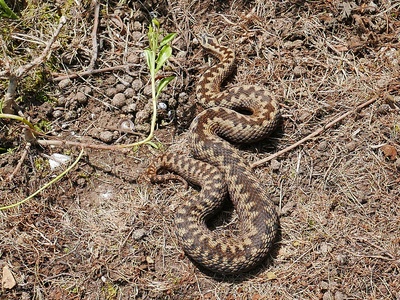
European adder
Venomous but shy viper found in heathland, open woodland and moor edges, mainly in cooler regions. Recognizable by zigzag pattern and important role in prey control.
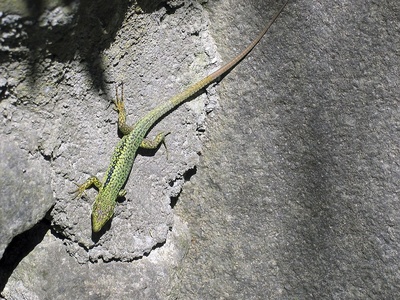
Sand lizard
Occupies dry heathland, sand dunes and sunny open habitats, especially in northern and eastern Germany. Sexually dimorphic and protected in many regions because of habitat loss.
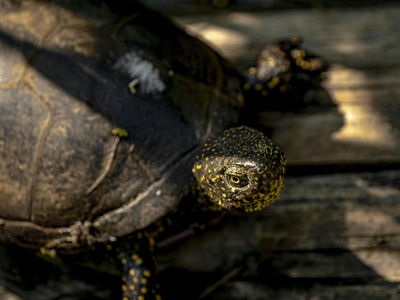
European pond turtle
A freshwater turtle surviving in isolated ponds and slow rivers, mostly in eastern and southwestern Germany. Populations are fragmented and often the focus of local conservation efforts.
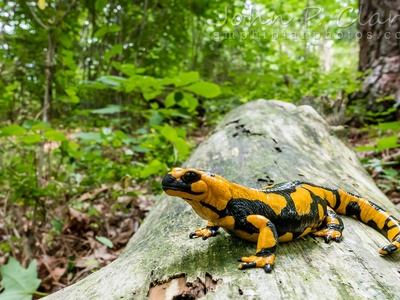
Fire salamander
Bright black-and-yellow salamander of moist deciduous and mixed forests; breeds in small streams and is sensitive to fungal disease and pollution.
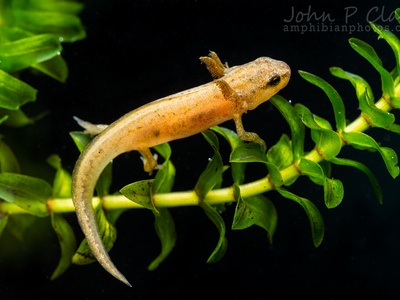
Smooth newt
Small newt found in garden ponds, ditches and slow waters across Germany; males develop crests in mating season and many populations are resilient in suburban areas.
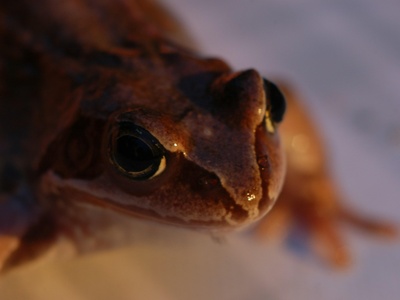
Common frog
Widespread in woodlands, meadows and gardens; breeds in ponds and ditches each spring. Hardy frog that tolerates cooler climates and early spawning.
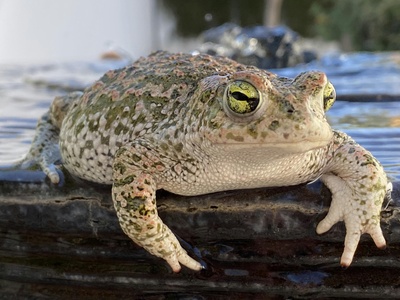
Natterjack toad
Prefers sandy soils, dunes and temporary pools, especially in northern coastal and heathland regions. Distinctive yellow stripe down the back and loud breeding calls.
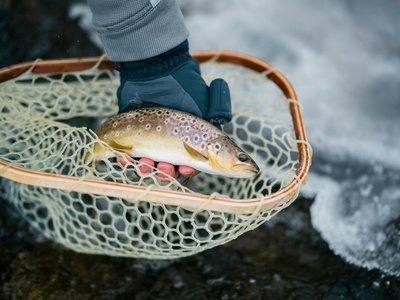
Brown trout
Native to cold, oxygen-rich rivers and streams in upland regions; prized by anglers and sensitive to water pollution and temperature changes.
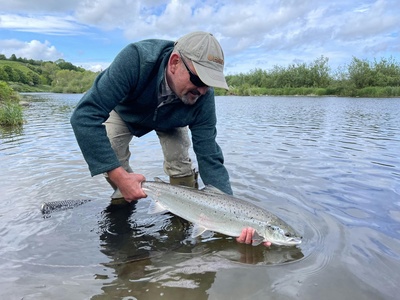
Atlantic salmon
Anadromous species that migrates from sea to spawn in clean rivers like parts of the Elbe and Rhine tributaries. Restoration and fish passes aim to recover historic runs.
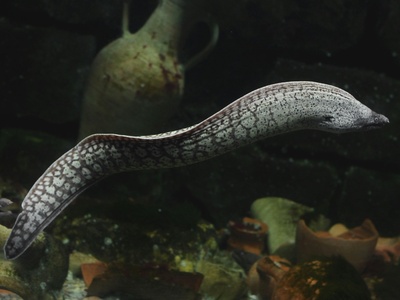
European eel
Long-lived, migratory eel that spawns in the Sargasso Sea and recruits to German rivers and coasts; populations have crashed due to barriers, pollution and overfishing.
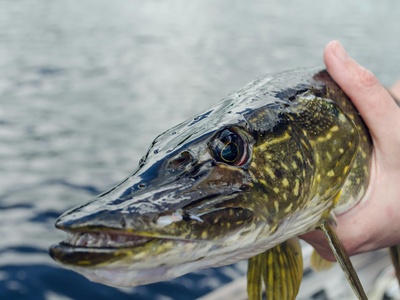
Northern pike
Ambush predator common in lakes, rivers and reedbeds across Germany. Large pike are apex freshwater predators important for fish community structure.
Roach
Small schooling fish in lakes, rivers and canals across Germany; tolerant species that forms a backbone of freshwater food webs and supports many predators.
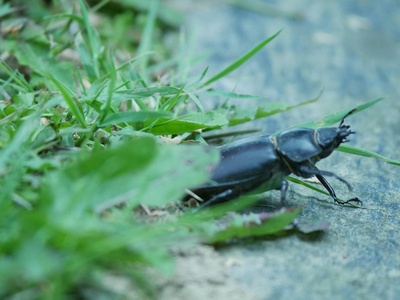
European stag beetle
Large, iconic beetle of old oak woods and suburban gardens with deadwood, where larvae develop for years. Protected in Germany due to loss of veteran trees and deadwood resources.
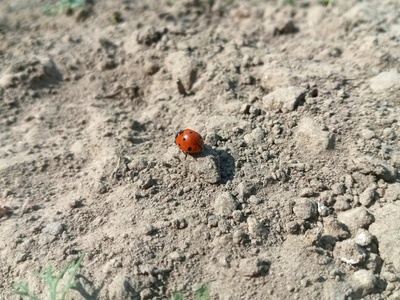
Seven-spot ladybird
Common in gardens, meadows and farmland where it eats aphids. Widely recognized and beneficial for natural pest control.
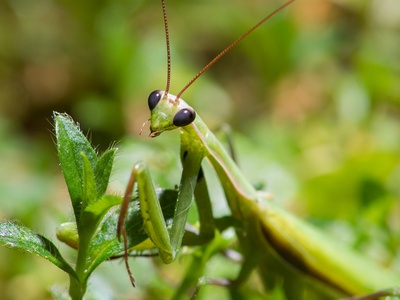
European mantis
A predatory insect found in warm, sunny grasslands and dry slopes; at the northern edge of its range in Germany and notable for upright posture and ambush hunting.
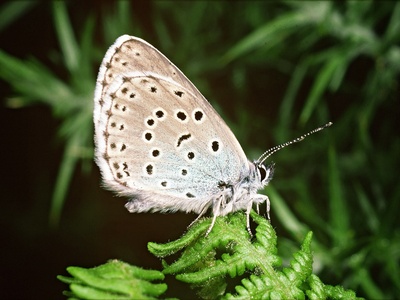
Large blue butterfly
Specialist of species-rich calcareous grasslands; larvae have complex relationship with certain ant species. Once extinct locally in many areas, now target of reintroduction work.
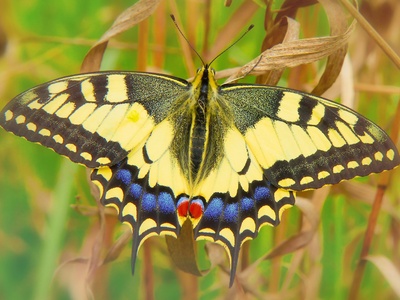
Swallowtail
Large, showy butterfly of wetlands, meadows and river valleys; caterpillars feed on umbellifers and adults are strong flyers often seen by rivers.
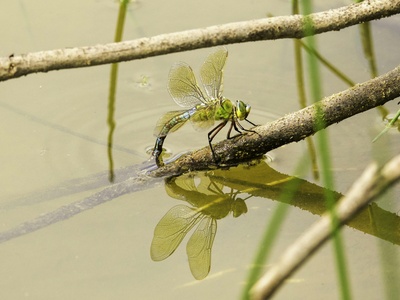
Emperor dragonfly
A large dragonfly frequenting warm lakes and slow rivers; powerful flyer and visible hunting over open water where it eats other insects.
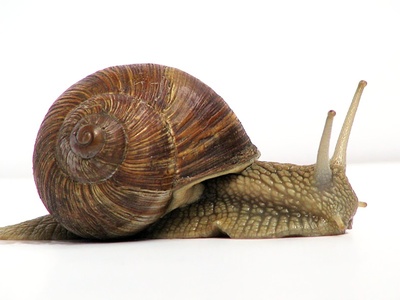
Roman snail
Large land snail found in calcareous soils, hedgerows and vineyard margins. Historically collected as food; populations are stable where habitat patchwork persists.
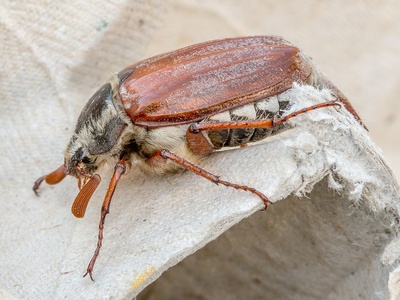
Common cockchafer
A large spring-time beetle of woodlands and farmland whose larvae feed on roots; populations fluctuate and were famously abundant in past decades.
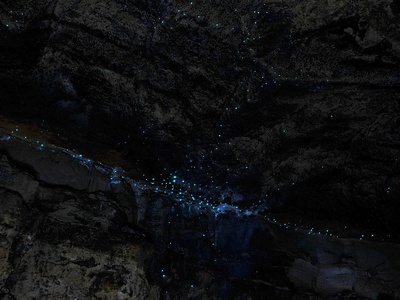
Glow-worm
Nocturnal beetle whose glowing females attract mates in meadows and road verges; declines linked to habitat loss and pesticide use, conservation focuses on wildflower-rich sites.
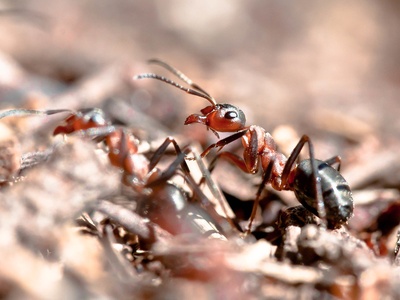
Red wood ant
Builds large mound nests in coniferous and mixed forests, tending aphids and influencing soil and insect communities. Important for nutrient cycling and forest biodiversity.
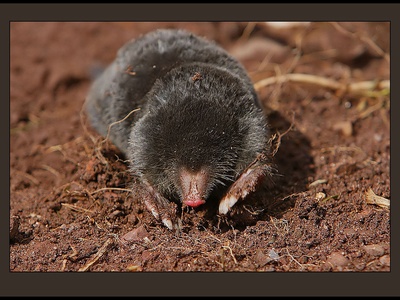
European mole
Lives underground in gardens, meadows and fields across Germany, creating distinctive molehills. Primarily insectivorous and rarely seen above ground.
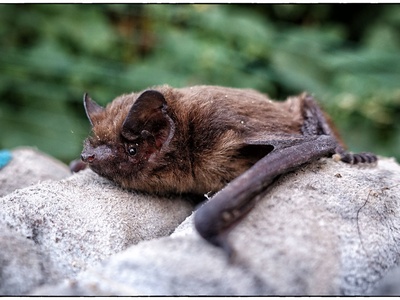
Common pipistrelle
Small bat that roosts in buildings and trees, foraging for insects in towns and countryside at dusk. One of Germany’s most widespread bat species.
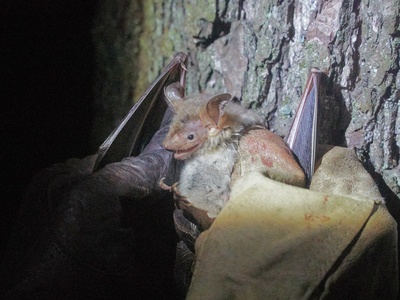
Greater mouse-eared bat
Large, primarily ground-foraging bat found in caves, mines and old buildings; vulnerable to roost disturbance but protected across its range.

River lamprey
Parasitic or semi-parasitic fish using coastal rivers to reach spawning grounds; present in better-connected river systems and sensitive to barriers and pollution.