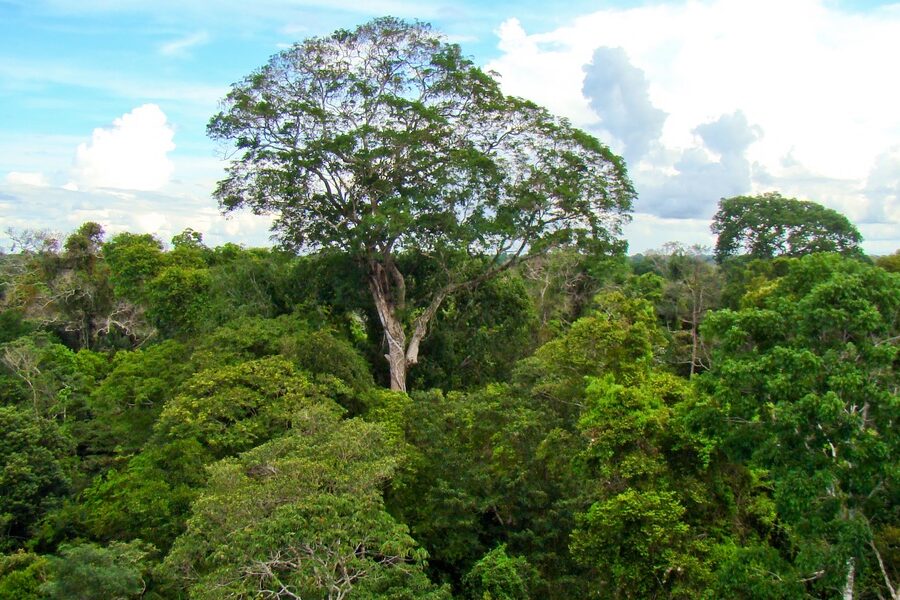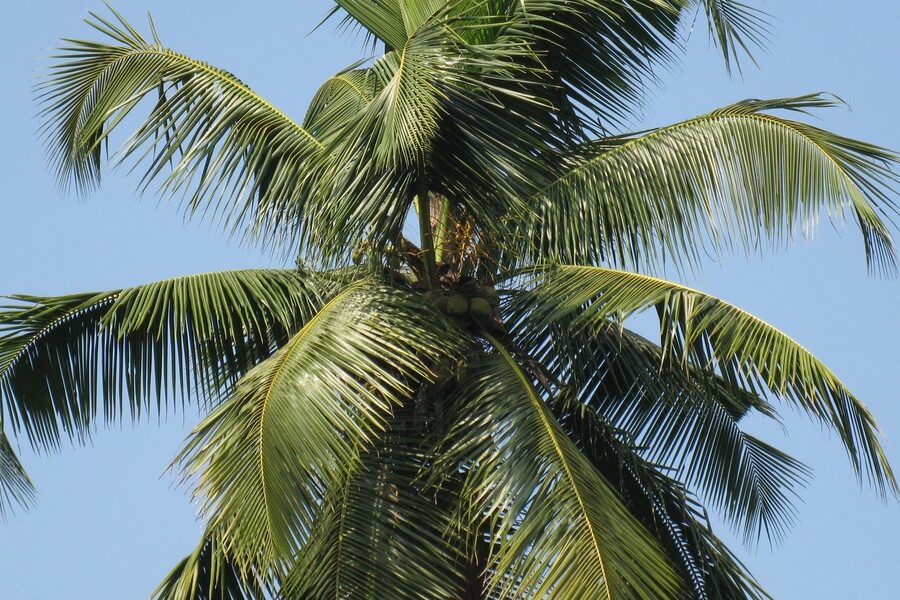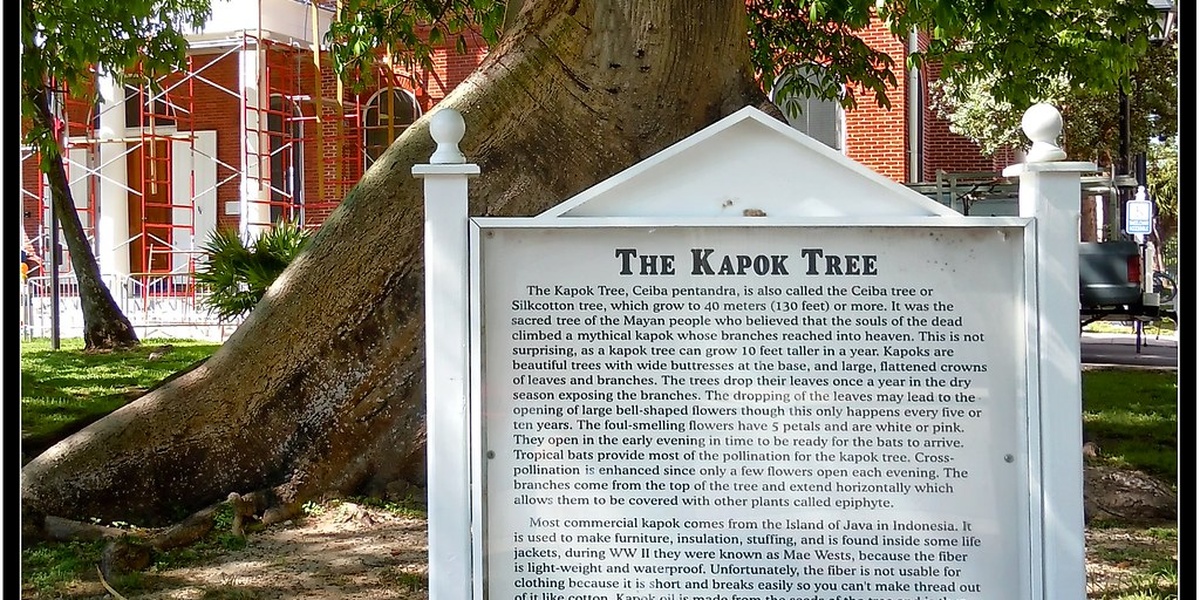
Tropical rainforests host a dense mix of trees, palms, lianas and understory plants stacked across emergent crowns to the shaded forest floor, and learning how species are distributed helps when you’re reading the landscape or planning a survey. This list gathers species common to those layers so you can quickly see who grows where and how tall they typically get.
There are 31 rainforest vegetation, ranging from Açaí palm to Velvet bean liana. For each entry you’ll find below the columns Scientific name,Plant layer,Typical height (m), which let you compare species by taxonomy, position in the forest and typical size — you’ll find below.
How should I use the Plant layer and Typical height (m) fields to identify species in the field?
Use Plant layer to narrow possible species (emergent, canopy, understory, forest floor, liana) and Typical height (m) to check if a specimen fits expected size; combine those with leaf, fruit or bark traits and the Scientific name to confirm identification, remembering height is an average not an absolute.
Is this list enough to identify plants without other resources?
The list is a handy reference but not a full field guide—local variation and look‑alike species mean you should also use photos, regional guides or an expert; rely on the Scientific name here to avoid common-name confusion.
Rainforest Vegetation
| Name | Scientific name | Plant layer | Typical height (m) |
|---|---|---|---|
| Kapok | Ceiba pentandra | Emergent | 50-70 |
| Dipterocarp | Shorea spp. | Emergent | 40-80 |
| Brazil nut | Bertholletia excelsa | Canopy | 30-50 |
| Mahogany | Swietenia macrophylla | Canopy | 40-60 |
| Strangler fig | Ficus spp. | Canopy | 15-40 |
| Cecropia | Cecropia spp. | Understory | 10-25 |
| Moriche palm | Mauritia flexuosa | Swamp | 15-35 |
| Açaí palm | Euterpe oleracea | Swamp | 10-25 |
| Rattan | Calamus spp. | Liana | 10-60 |
| Tree fern | Cyathea spp. | Understory | 2-15 |
| Bird’s-nest fern | Asplenium nidus | Epiphyte | 0.5-1.5 |
| Epidendrum orchids | Epidendrum spp. | Epiphyte | 0.2-2 |
| Guzmania bromeliad | Guzmania lingulata | Epiphyte | 0.3-1.2 |
| Giant liana | Entada gigas | Liana | 20-50 |
| Heliconia | Heliconia rostrata | Understory | 1-4 |
| Neotropical bamboo | Guadua angustifolia | Understory | 10-30 |
| Monstera | Monstera deliciosa | Liana | 5-20 |
| Philodendron climbers | Philodendron spp. | Liana | 2-25 |
| Psychotria understorey | Psychotria spp. | Understory | 1-8 |
| Neotropical pioneer | Schizolobium parahyba | Canopy | 30-60 |
| Tualang | Koompassia excelsa | Emergent | 70-85 |
| Pitcher plant | Nepenthes spp. | Understory | 0.2-2 |
| Torch ginger | Etlingera elatior | Understory | 1-4 |
| Velvet bean liana | Mucuna pruriens | Liana | 3-15 |
| Titan arum | Amorphophallus titanum | Forest floor | 2-3 |
| Rafflesia | Rafflesia arnoldii | Forest floor | 0.1-0.6 |
| Cacay tree | Caryodendron orinocense | Canopy | 20-35 |
| Ironwood | Eusideroxylon zwageri | Canopy | 30-50 |
| Table palm | Attalea butyracea | Canopy | 20-30 |
| Hornbeam-like understory (wild coffee relatives) | Psychotria elata | Understory | 1-6 |
| Mangrove-adjacent swamp palm | Raphia taedigera | Swamp | 10-25 |
Images and Descriptions
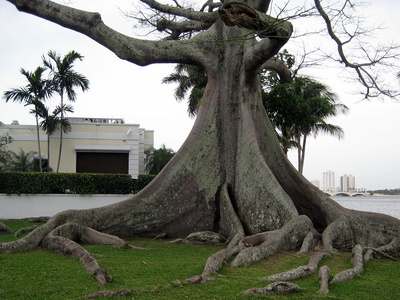
Kapok
A towering emergent of American, African and Asian rainforests known for huge buttressed trunks and cottony seed floss. Flowers attract bats and birds; important for canopy gaps and wildlife. Faces logging pressure but remains a keystone for forest structure and biodiversity.
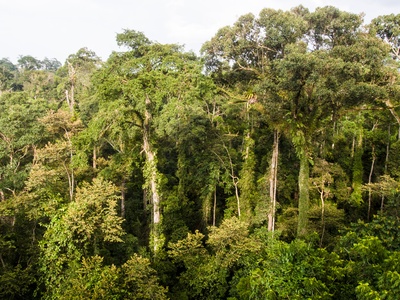
Dipterocarp
Dominant emergent and canopy trees of Southeast Asian rainforests with tall, straight boles and heavy timber. They create the high forest canopy, host diverse epiphytes, and are critically logged; many species are conservation priorities for habitat protection.

Brazil nut
Iconic Amazon canopy tree producing large edible seeds dependent on specialized bees and agoutis for pollination and seed dispersal. Economically important in wild harvests; populations decline with deforestation, making intact forest crucial for long-term survival.
Mahogany
A widespread Neotropical canopy tree prized for durable timber and distinctive red wood. It supports forest structure and many animal species but has been heavily overharvested; conservation focuses on protecting mature trees and promoting sustainable management.
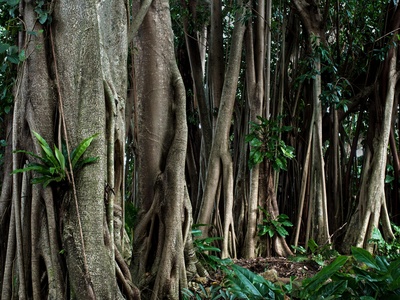
Strangler fig
Hemiepiphytic figs begin life on branches, then envelop host trees to form complex trunks and massive canopies. They fruit year-round, feeding many animals and acting as keystone species; sensitive to forest loss but resilient in disturbed patches.
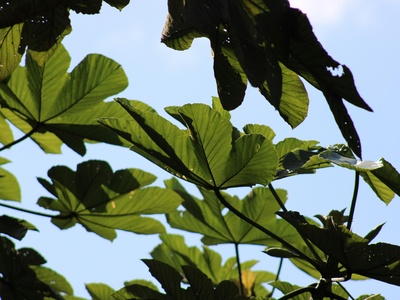
Cecropia
Fast-growing pioneer trees common in Neotropical gaps and secondary forests with umbrella-like leaves and mutualisms with ants. They stabilize disturbed sites and provide quick habitat for wildlife, but decline as forest matures and canopy closes.

Moriche palm
A common palm of Amazonian wetlands and seasonally flooded forests, forming extensive swamp groves. Fruit feeds many animals and people; palms support specialized aquatic and terrestrial life. Vulnerable to drainage and unsustainable harvesting.
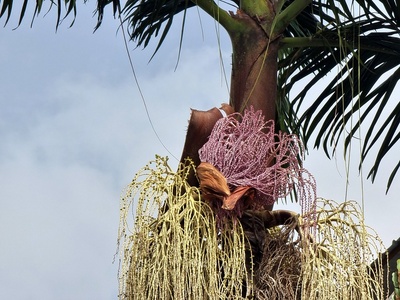
Açaí palm
Floodplain and riverine palm of Amazonia producing small dark fruits that sustain wildlife and local communities. Grows in flooded forests and swamps; sustainable wild harvests can encourage forest conservation when managed well.
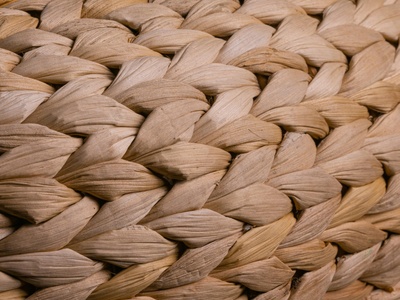
Rattan
Climbing palms in Asian tropical forests that scramble into the canopy with long, flexible stems used by animals for pathways. Rattan provides important habitat structure; many species face overharvest and habitat loss from logging.
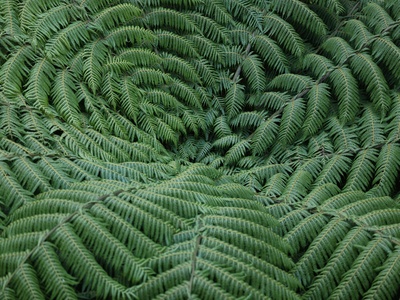
Tree fern
Arborescent ferns forming small trunks in humid tropical understories, often in montane and lowland forests. Their crown of fronds and spore reproduction provide microhabitats for invertebrates and epiphytes; sensitive to forest clearance and microclimate changes.
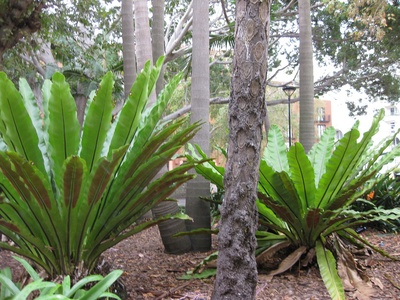
Bird’s-nest fern
Common epiphytic or terrestrial fern with large nest-like fronds that trap leaf litter and moisture in Asian and Pacific rainforests. Creates small nutrient pockets that benefit seedlings and invertebrates; vulnerable to canopy loss and microclimate shifts.
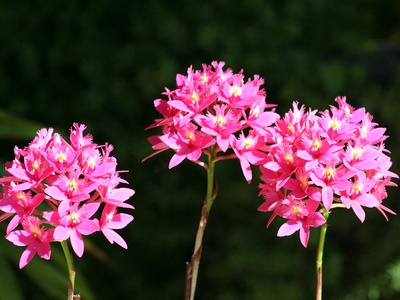
Epidendrum orchids
A large group of primarily epiphytic orchids in Neotropical forests, often colorful and adapted to canopy light gaps. They support pollinators and add floral diversity; many species are habitat specialists sensitive to deforestation.
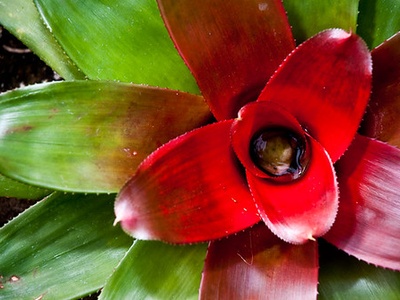
Guzmania bromeliad
A common tank-forming epiphyte in Neotropical canopies that collects water and organic debris, creating microhabitats for frogs and invertebrates. Bromeliad pools are small aquatic habitats and indicators of intact humid forests.
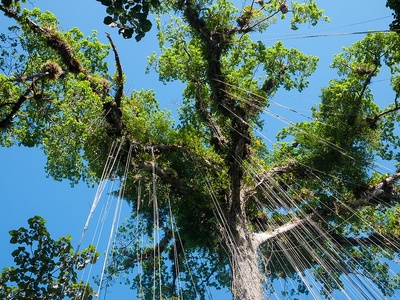
Giant liana
Massive tropical liana with long, woody stems that span canopy gaps and connect trees. These climbers support arboreal pathways, influence tree architecture, and provide food via seeds or flowers; dependent on continuous forest for growth and dispersal.
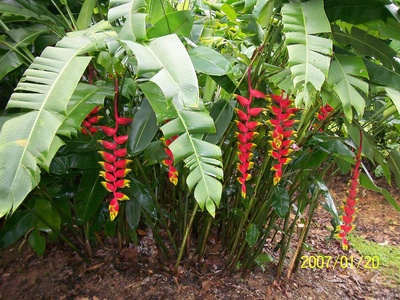
Heliconia
Striking understory herb with colorful hanging inflorescences in Neotropical rainforests, adapted for hummingbird pollination. Provides nectar and shelter; common in forest edges and gaps, important for pollinator communities and succession dynamics.
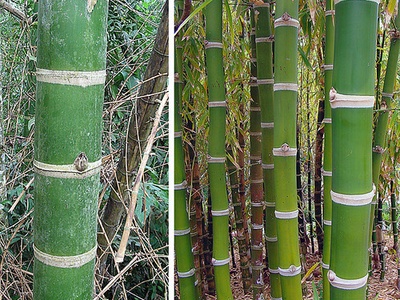
Neotropical bamboo
A large clumping bamboo native to Amazon and Andean foothills that forms dense stands in disturbed areas and riverbanks. Important for erosion control and wildlife habitat, it regenerates rapidly but is sensitive to overharvest and land conversion.

Monstera
A climbing hemiepiphyte of Neotropical forests known for perforated leaves and climbing to the canopy. It helps create vertical connectivity for wildlife, thrives in shaded understories, and illustrates how vines shape forest light and structure.
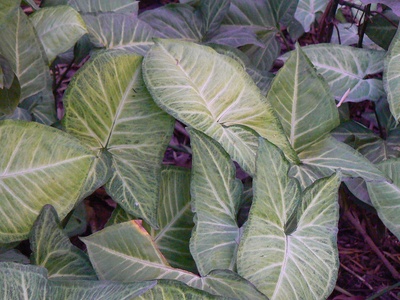
Philodendron climbers
Diverse hemiepiphytic vines common across tropical rainforests, with large leaves that change form as they climb. They offer food and shelter for invertebrates and modulate light in the understory; sensitive to canopy disturbance.
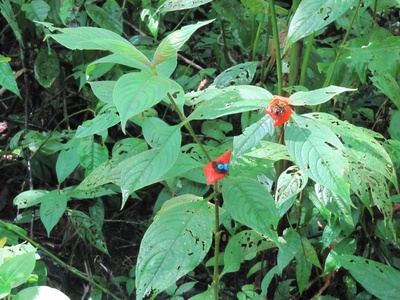
Psychotria understorey
A large genus of understory shrubs in tropical forests (including the striking Psychotria elata). They produce fruits eaten by birds and mammals, aiding seed dispersal. Many species are habitat specialists vulnerable to forest fragmentation.
Neotropical pioneer
A fast-growing, light-demanding Neotropical canopy tree that colonizes cleared areas and forest edges. It rapidly builds biomass and provides shade and leaf litter, aiding successional recovery though it declines as closed-canopy forest matures.
Tualang
One of Southeast Asia’s tallest emergents forming open crowns above the rainforest. Its high branches host hornbills, bees and epiphytes; logging and loss of nesting trees threaten associated wildlife and the unique canopy ecosystem.
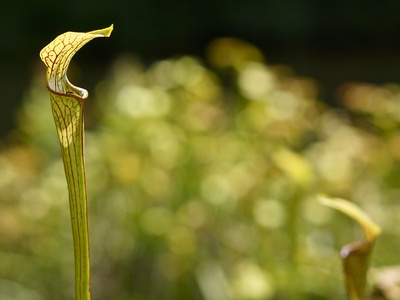
Pitcher plant
Carnivorous climbing or ground-growing plants in Asian and some Bornean lowland and montane rainforests. Their pitfall traps capture insects and occasionally small vertebrates, allowing survival on nutrient-poor soils; many species are range-restricted and threatened.
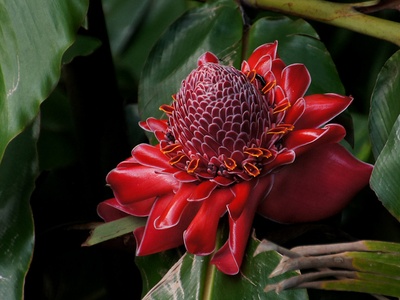
Torch ginger
A tropical Zingiberaceae herb of Southeast Asian forest understories with large, showy inflorescences that attract bees, birds and bats. It regenerates in gaps, supports pollinator networks, and can suffer when understorey microhabitats are altered.
Velvet bean liana
A vigorous tropical climbing legume found in disturbed forest edges and interiors, producing large pods and nitrogen-rich litter that enrich soils. Lianas like Mucuna shape light and nutrient dynamics, but heavy infestation can stress host trees.
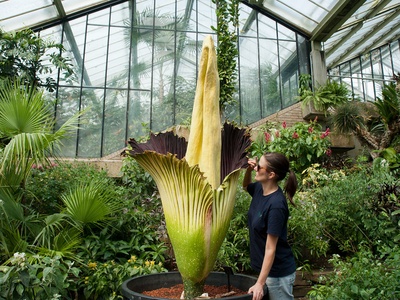
Titan arum
A giant endemic of Sumatran rainforests noted for its enormous flowering structure and carrion scent that attracts carrion beetles and flies. Rare and patchily distributed, it highlights specialized pollination strategies in shaded forest understoreys.
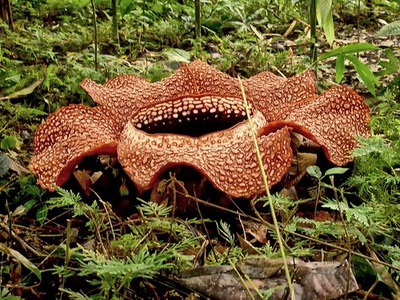
Rafflesia
A parasitic rainforest plant famed for the world’s largest single flowers, found in Southeast Asian lowland forests. Its blooming is brief and tied to host vines; populations decline with forest loss and are indicators of intact understorey ecosystems.
Cacay tree
A South American canopy tree producing oily nuts eaten by wildlife; typical of Amazonian forests. It contributes to forest food webs and local economies when sustainably harvested, but depends on mature forest for reproduction and pollinators.
Ironwood
A dense, long-lived Southeast Asian rainforest canopy tree with extremely hard timber and slow growth. It supports long-term canopy structure and specialized fauna but has been overexploited for flooring and construction, making protection urgent.
Table palm
A large Neotropical palm common in terra firme and floodplain forests with big fronds and heavy fruit that feed mammals and birds. Palms like Attalea shape forest composition and nutrient cycles; many species face habitat loss from land conversion.
Hornbeam-like understory (wild coffee relatives)
A charismatic understory shrub from Neotropical forests with showy bracts and bird-dispersed fruits. It illustrates the role understory shrubs play in feeding frugivores and maintaining forest regeneration, but is sensitive to fragmentation and hunting-driven seed disperser loss.
Mangrove-adjacent swamp palm
A large palm of freshwater swamps and riverine forests in the Neotropics that forms dense groves and provides fruits, leaves and habitats for wildlife. Dependent on hydrology, it declines with drainage, damming and wetland conversion.