Some living reptiles can weigh more than a small car or stretch longer than a city bus—record specimens top 1,000 kg or exceed 20 feet in length. Famous individuals like Lolong, the giant saltwater crocodile captured in the Philippines in 2011, and Medusa, a record-holding reticulated python in U.S. captivity, help put those numbers in perspective (see Guinness World Records and media coverage). This piece ranks ten of the most impressive living reptiles, explains how scientists measure size across groups, and notes why these animals matter ecologically, culturally, and for conservation.
“Largest” can mean different things: some species are ranked by straight-line length, others by mass or shell dimensions. This list mixes both approaches to highlight the most spectacular representatives among crocodilians, snakes, turtles/tortoises, and lizards, and cites authoritative sources where possible (e.g., Guinness World Records, NOAA, and IUCN assessments). The article is organized into four groups with ten numbered entries (1–10), each giving typical size ranges, record specimens, ecology, and conservation notes.
Massive Crocodilians
Crocodilians are the heavy-hitters among living reptiles, often topping charts in both length and mass. Scientists record crocodile size using total length and measured mass, but field measurements can vary depending on method and whether the animal was weighed in captivity. Large crocodiles serve as apex predators and ecosystem engineers, shaping prey populations and aquatic habitats. They also generate intense human–wildlife interactions, from traditional cultural value to conflict and management programs. Because credible records matter, this section references verified captures and institution-backed reports (e.g., Guinness, National Geographic) while noting that anecdotal extreme sizes sometimes circulate without verification.
1. Saltwater crocodile (Crocodylus porosus)
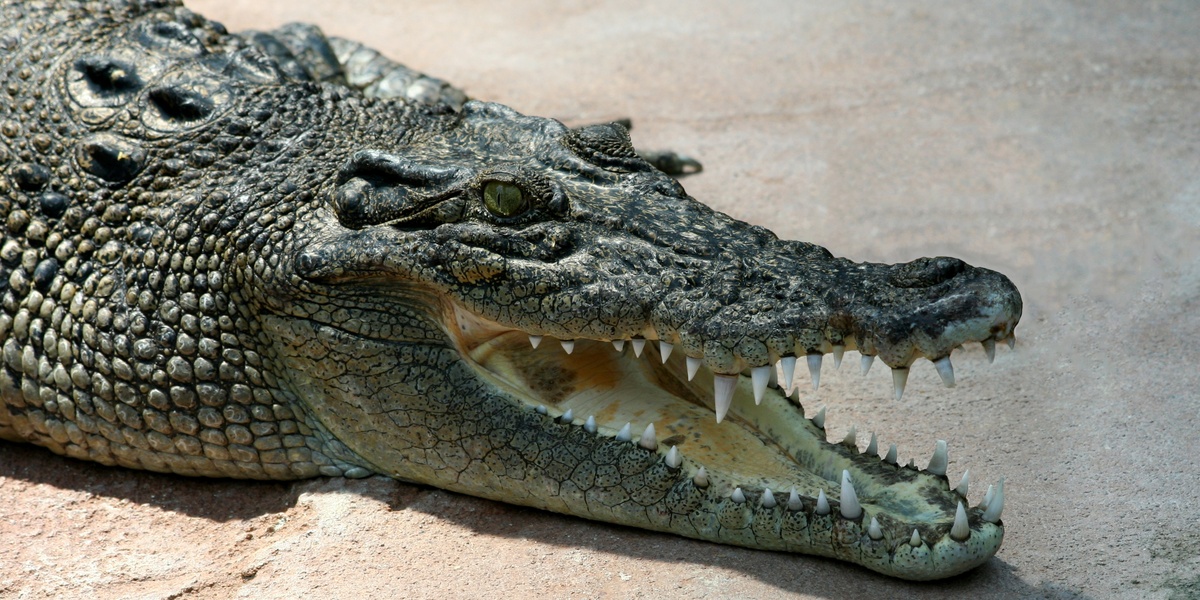
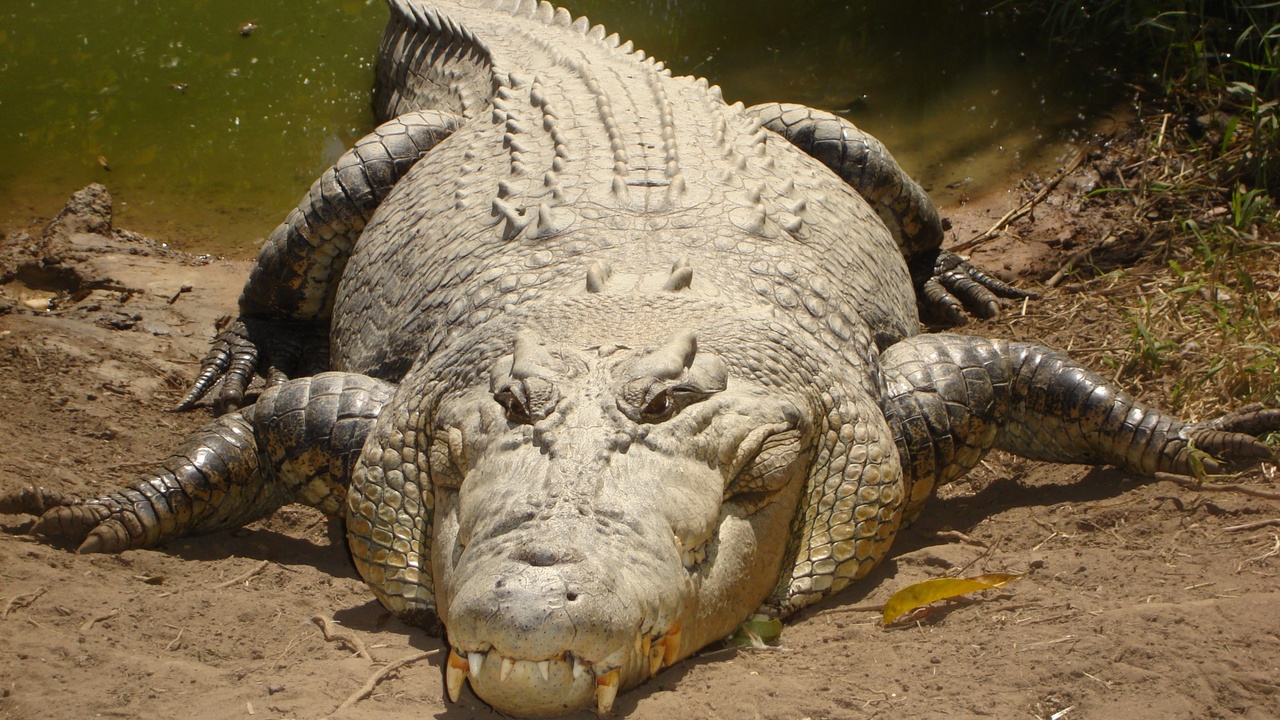
The saltwater crocodile is widely regarded as the largest living reptile by combined length and mass. Typical maximum lengths reported for large males fall in the 6–7 m range, with several verified individuals over 6 m. One of the most famous specimens, Lolong (captured in the Philippines in 2011), was measured at about 6.17 m in length and reported by some outlets at roughly 1,075 kg at capture.
Saltwater crocodiles inhabit coastal rivers, estuaries, and mangrove systems from Southeast Asia to northern Australia. As ambush predators they take fish, deer, pigs, and sometimes livestock, exerting top-down control in their ecosystems. Their size makes them dangerous to people in some regions, prompting targeted management programs—Queensland’s population monitoring and Philippine efforts after Lolong’s capture are notable examples. The species is listed as Least Concern by IUCN overall, but local management remains critical to reduce conflict.
2. Nile crocodile (Crocodylus niloticus)
Africa’s largest crocodilian, the Nile crocodile commonly reaches 5–6 m for the biggest males and can weigh several hundred kilograms. Verified large specimens have been reported from major river systems such as the Zambezi and Nile, with ecological studies documenting adults capable of taking large ungulates.
Nile crocodiles occupy freshwater rivers, lakes, and floodplains across sub-Saharan Africa, and they play a major role in local food webs. They also hold cultural significance—appearing in folklore and traditional practices—while causing occasional human fatalities, which drives local control measures. Conservation status varies regionally; in many areas populations are stable but some local declines occur due to habitat loss and hunting.
3. Orinoco crocodile (Crocodylus intermedius)
The Orinoco crocodile is one of the largest New World species and historically reached very large sizes—historical accounts report individuals up to about 6 m. Today, modern adults are generally smaller due to heavy hunting and habitat degradation, and verified wild individuals are much rarer.
Restricted to the Orinoco basin in Venezuela and Colombia, the species is Critically Endangered on the IUCN Red List. Intensive conservation actions—captive-breeding, head-starting, and reintroduction programs—aim to rebuild populations. These efforts often monitor size and age structure carefully because restoring the full range of adult sizes is important for ecosystem function and long-term viability.
Giant Snakes
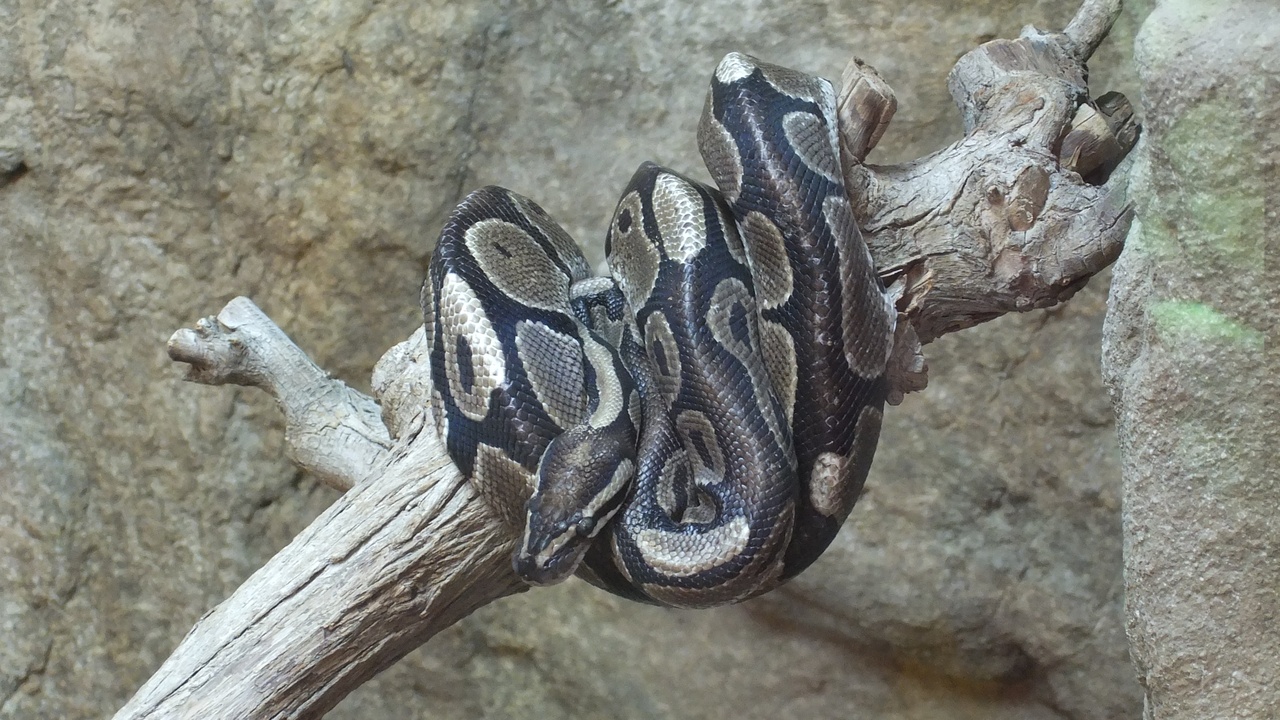
Snakes are usually compared by length, but for some species mass tells a different story. Reticulated pythons are commonly cited as the longest snakes, while green anacondas are the heaviest. Measurement challenges include stretched or curved length records and mass variation after large meals. Giant snakes are ambush predators that can take surprisingly large prey and interact with humans through the pet trade and invasive populations, such as Burmese pythons in southern Florida.
4. Reticulated python (Malayopython reticulatus)
The reticulated python is widely recognized as the longest snake species. Typical top lengths reported are in the 6–7+ m range. Media-cited captive individuals like “Medusa” have been measured at around 7.6–7.7 m, making them striking examples of extreme length (reported in zoo records and popular coverage).
Native to Southeast Asian rainforests and wetlands, reticulated pythons prey on mammals and birds, including pigs and deer for larger adults. Long length doesn’t always equal great mass—many long pythons are slender compared with anacondas. The species appears in international trade, so captive-care standards and regulations matter for welfare and preventing illegal harvest.
5. Green anaconda (Eunectes murinus)
The green anaconda is arguably the heaviest snake species, built for mass rather than extreme linear length. Typical large individuals measure around 4–6 m, and reliable field and museum records—and cautious scientific estimates—place heavy specimens well over 100 kg, with many credible reports exceeding 200 kg for the largest individuals.
Found in swamps and rivers of the Amazon Basin, anacondas are ambush predators that take large prey such as capybaras, caimans, and deer. Measuring mass accurately in the field is difficult, which is why peer-reviewed studies and careful museum records are valuable. Local research programs in South America continue to refine size estimates and ecological roles.
6. Burmese python (Python bivittatus)
Burmese pythons rank among the largest and most widespread large pythons. Large wild and captive specimens reach about 5–6 m and can weigh dozens to more than 100 kg depending on body condition. In their native Southeast Asian range they are a natural predator; in southern Florida they became a prolific invasive predator.
U.S. removal programs in the Everglades report thousands of captures since the 2000s, including many individuals over 3 m and a number exceeding 4–5 m. Research by agencies such as the U.S. Fish and Wildlife Service documents ecological impacts—declines in native mammals in heavily invaded areas—and supports removal and public outreach efforts.
Large Turtles and Tortoises
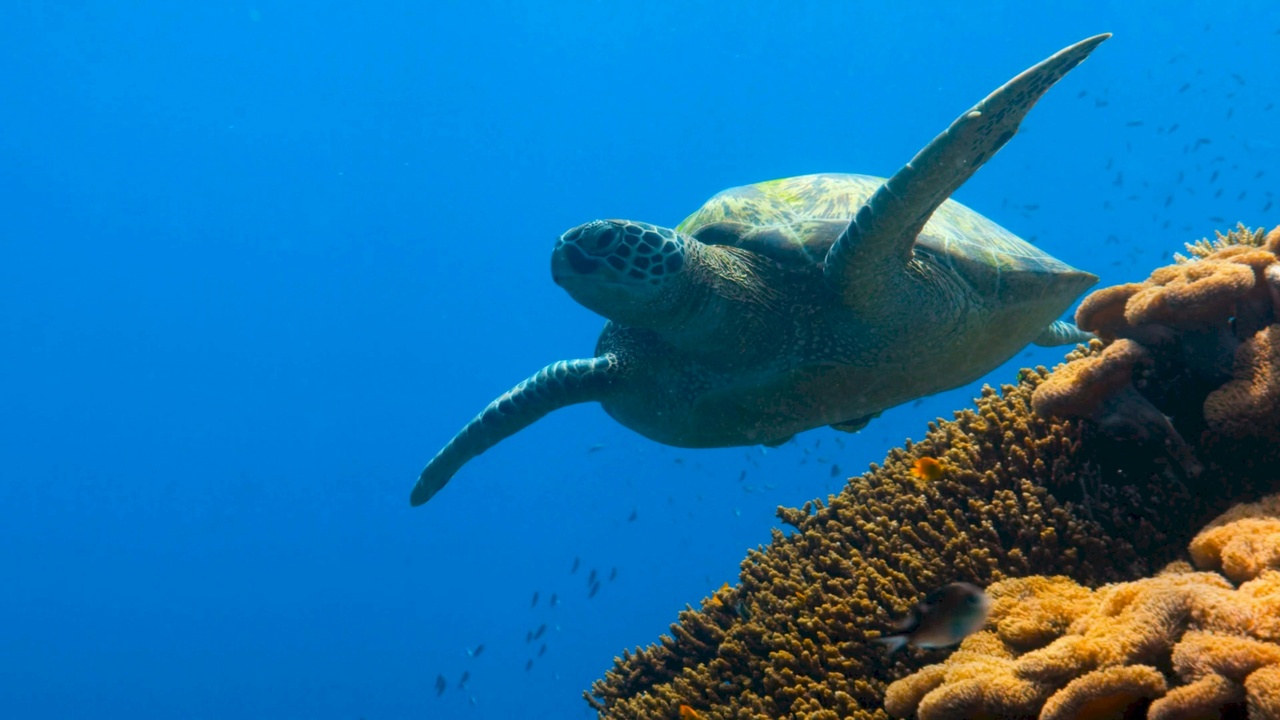
Turtles and tortoises include some of the bulkiest reptiles by mass. Sea turtles like the leatherback are streamlined for ocean travel and can reach enormous masses, while giant land tortoises (Galápagos and Aldabra) are heavy, slow-moving herbivores with massive shells. Scientists record carapace length and body mass; both metrics matter for ecological function and conservation status.
Leatherbacks suffer from fisheries bycatch and plastic ingestion, whereas giant tortoises face habitat loss and introduced predators. Conservation programs—satellite tagging for leatherbacks and captive-breeding and rewilding for tortoises—provide models for recovery efforts worldwide.
7. Leatherback sea turtle (Dermochelys coriacea)
The leatherback is often cited as the heaviest living reptile among sea-adapted species. Typical carapace (body) lengths range around 1.5–2.0 m. Verified mass records commonly exceed several hundred kilograms; many reliable sources report adult leatherbacks in the 300–500 kg range, and some historical or exceptional reports approach 700–900 kg.
Leatherbacks migrate across ocean basins to feed almost exclusively on jellyfish. Satellite-tagging studies by NOAA and academic teams have documented transoceanic movements of thousands of kilometers. Major threats include longline and gillnet bycatch and ingestion of plastic bags that resemble jellyfish. International conservation attention and fisheries mitigation measures are ongoing.
8. Galápagos giant tortoise (Chelonoidis nigra complex)
Galápagos giant tortoises are among the heaviest land reptiles. Adult shell lengths commonly exceed 1.5 m and large individuals often weigh 200–400+ kg. Their remarkable longevity—individuals can live 100 years or more—adds to their ecological importance on the islands.
Island ecologies shaped by tortoises include seed dispersal and landscape modification. Conservation programs run by organizations such as the Charles Darwin Foundation focus on captive breeding, invasive species removal, and reintroduction. Famous individuals like “Lonesome George” raised global awareness, even though he wasn’t the largest specimen recorded.
9. Aldabra giant tortoise (Aldabrachelys gigantea)
Aldabra giant tortoises rival Galápagos species in mass and shell size. Large adults commonly exceed 200 kg, with shell dimensions comparable to other giant tortoises. The Aldabra Atoll population is a conservation success story in some respects—protected habitat and ongoing monitoring have kept numbers relatively stable compared with many island endemics.
These tortoises are ecosystem engineers on the atoll, influencing vegetation structure and nutrient cycling. Conservation organizations and World Heritage management on Aldabra conduct population monitoring and invasive-species control to maintain this unique assemblage.
Large Lizards and Special Mentions
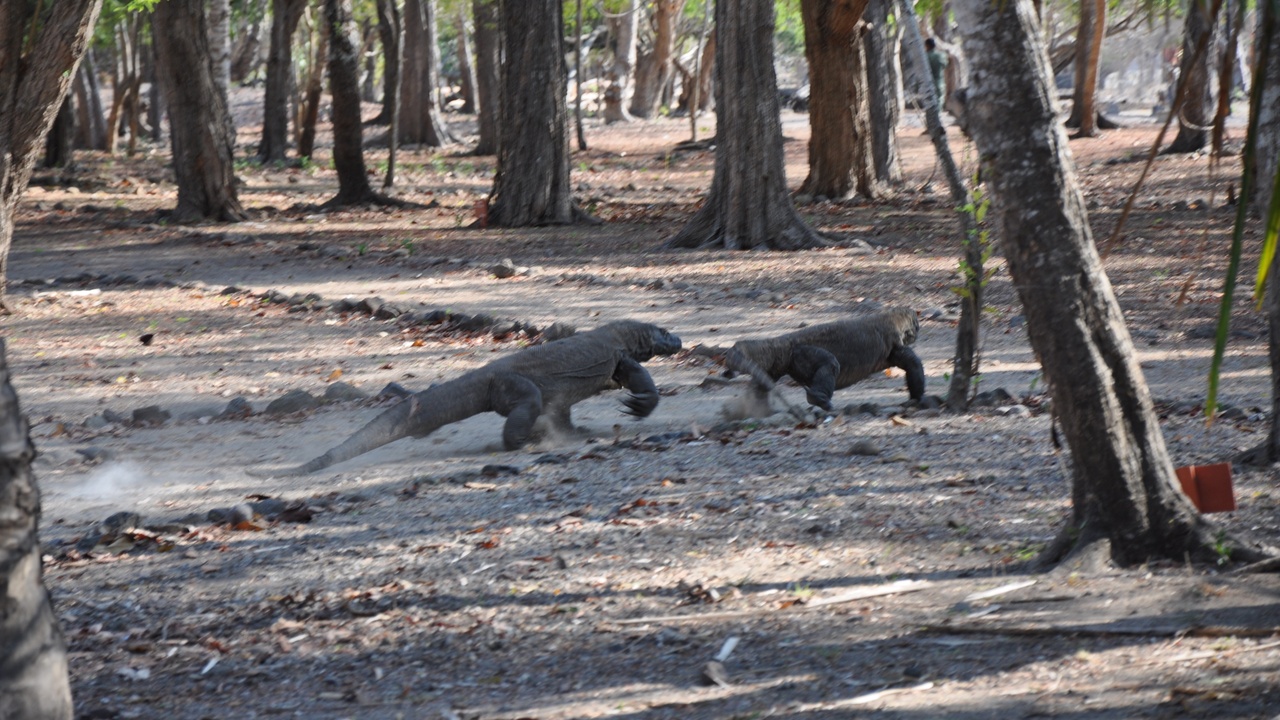
Lizards rarely reach the mass of crocodiles or giant tortoises, but a few species are impressively large and ecologically important. The Komodo dragon is the largest living lizard, and it’s worth a brief nod to extinct giants—like mosasaurs and giant monitor-like forms—that once surpassed modern sizes. The living giants deserve attention for their behaviors, conservation needs, and the roles they occupy in island and continental ecosystems.
10. Komodo dragon (Varanus komodoensis)
The Komodo dragon is the largest extant lizard, with large males typically reaching up to about 3 m in length and weights commonly in the 70–90 kg range for very large individuals. Field studies report variation by island and habitat, but the species’ size makes it a dominant predator in its ecosystem.
Found on Indonesian islands including Komodo and Rinca, Komodo dragons hunt deer and pigs and scavenge carrion. Unique aspects of their biology include powerful bites, a debated role for venomous saliva, and strong olfactory tracking. Komodo National Park manages conservation and ecotourism; the species is listed as Vulnerable by IUCN and benefits from monitoring and visitor regulations to reduce disturbance.
Summary
- Size is not one-dimensional: some animals top lists by length (reticulated python), others by mass (leatherback, large crocodilians, giant tortoises). Accurate records rely on careful measurement methods and verified specimens.
- These giant reptiles—crocodilians, snakes, turtles, tortoises, and Komodo dragons—play outsized ecological roles as apex predators, seed dispersers, and ecosystem engineers.
- Many of the largest species face serious threats: overhunting, bycatch, habitat loss, invasive species, and human–wildlife conflict. Trusted organizations such as IUCN and NOAA supply status assessments and recovery guidance.
- Supporting field research, reputable conservation groups, and responsible wildlife tourism helps protect the world’s largest reptiles and the habitats they need to survive.
- For a concise roundup of the largest reptiles and record specimens, consult authoritative sources (e.g., Guinness World Records, IUCN, NOAA) and follow updates from field studies documenting size, range, and population trends.