The best ground cover plants
In the early 1900s, city planners in Europe began using low‑growing plants instead of paving to control dust and erosion in new suburbs — an early public example of ground cover used at scale. Many homeowners still face the same practical problem: how to fill bare soil with low‑maintenance greenery that suppresses weeds, stabilizes slopes, and adds curb appeal. Smartly chosen ground covers save water (some reduce irrigation needs by up to 50% versus turf once established), cut down on weeding, and support pollinators and soil health. Below are ten top picks, organized by real‑world uses — drought tolerance, shade, lawn alternatives, erosion control, and fragrance — with cultivar names, spacing advice, and seasonal notes to help you pick the right plant for each site.
Low‑Maintenance, Drought‑Tolerant Ground Covers
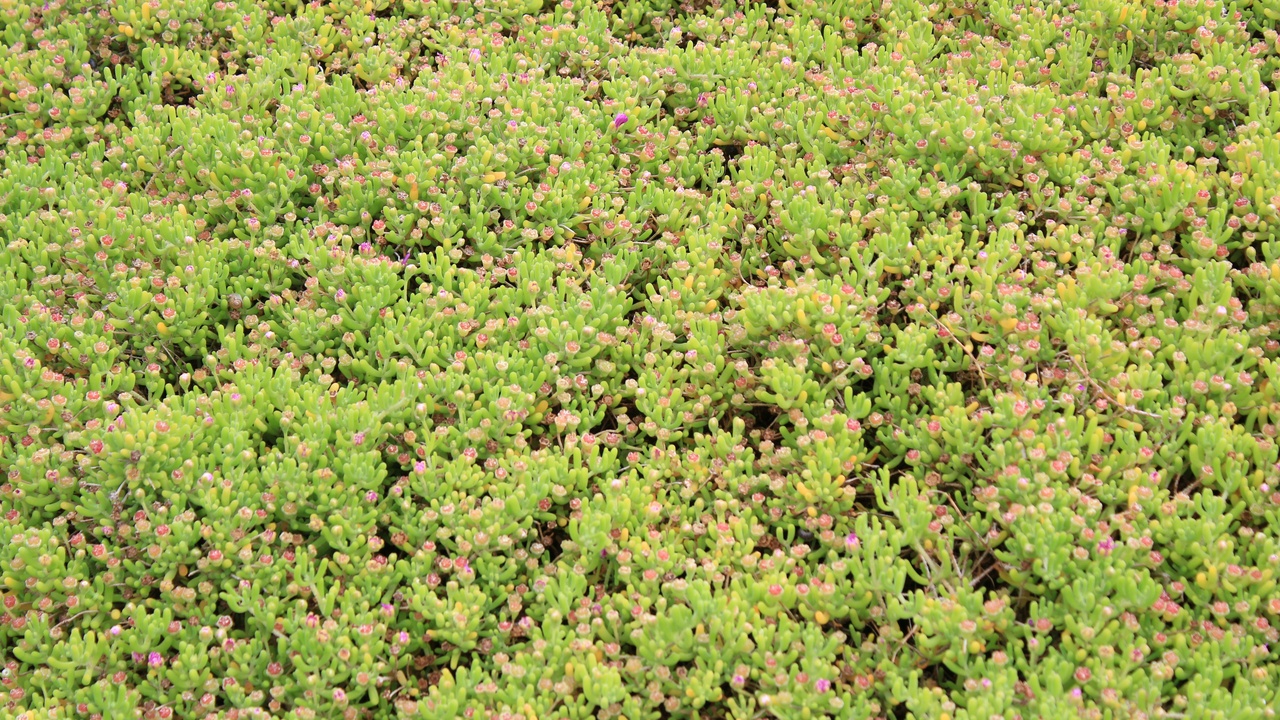
Homeowners choose drought‑tolerant groundcovers for big water savings, minimal mowing, and fast soil protection. These plants thrive in full sun, prefer well‑drained soils, and are easy to propagate by division, cuttings, or seed. Plant on 12–18‑inch centers for rapid fill‑in; light trimming once a year keeps mats tidy. Expect hardy performance across a range of zones, and favor drip irrigation or no supplemental watering once the roots are established.
1. Creeping Thyme (Thymus serpyllum)
Creeping thyme is a sun‑loving, aromatic mat ideal for hot, dry sites and between stepping stones. It stays very low, roughly 0.5–2 inches tall, and can spread 12–24 inches per year depending on soil and moisture (zones 4–9). Blooming from late spring into early summer (May–July), it draws bees and creates fragrant, colorful patches.
Uses include infill between pavers, small lawn substitutes, and walkable edging thanks to good tolerance of light foot traffic. Try cultivars like ‘Elfin’, ‘Doone Valley’, or ‘Pink Chintz’. Propagate by rooting stem cuttings or seeding; plant on 12‑inch centers for solid cover in 1–2 seasons. Maintenance is minimal: shear lightly after bloom and avoid heavy fertilization to keep the mat compact.
2. Sedum (Stonecrop) — e.g., Sedum spurium
Mat‑forming sedums are succulent groundcovers that store water in thick leaves, making them extremely drought tolerant. Low types are typically 1–4 inches tall and spread with stolons or creeping stems; many sedums perform well in USDA zones 3–9. They bloom in summer with dense flower clusters that attract bees and other pollinators.
Sedums prefer very well‑drained, poor to sandy soils and are common on green roofs and rocky slopes because they need so little fertility. Cultivar picks include Sedum spurium ‘Dragon’s Blood’ for red foliage and bright summer blooms. Once established some sedums may need as little as 1 inch of supplemental water per month in summer; plant plugs or mixes on 12–18‑inch spacing depending on the cultivar.
3. White Clover (Trifolium repens) — lawn alternative
White clover has a long history as a low‑mow lawn alternative and an ecological helper in mixed turf. It grows 2–6 inches tall, spreads rapidly by stolons, and is hardy in zones 3–9. Seeded at about 4–8 oz per 1,000 sq ft, clover can fill patches within a single season when given reasonable seed‑to‑soil contact.
As a legume, it fixes atmospheric nitrogen and can cut synthetic fertilizer needs by up to half when mixed into lawns. Bees also find its flowers useful. Drawbacks: clover may go partially dormant in hot, dry spells and tolerates only light to moderate foot traffic. For an attractive, resilient surface, mix clover with fine fescues or other low‑growing grasses.
Shade‑Tolerant Ground Covers for Under Trees and North‑Facing Beds
Planting under trees or on north‑facing beds brings challenges: reduced light, root competition, and often compacted or humus‑rich soil. Shade groundcovers suppress weeds, add seasonal texture, and generally prefer mulching and light fertility. Choose species adapted to partial or deep shade and remember to protect the root zone when planting. Below are three reliable, shade‑friendly options with spacing and maintenance tips.
4. Ajuga (Ajuga reptans)
Ajuga is a fast‑spreading groundcover with glossy foliage and spring flower spikes that many gardeners prize for quick color. Plants reach about 4–6 inches tall and can spread several feet in a single season by runners; most cultivars grow well in zones 3–10.
Ajuga tolerates light to moderate shade and is excellent along path edges or in shady borders. Cultivars such as ‘Burgundy Glow’ and ‘Chocolate Chip’ offer leaf color variation. Be aware it can become aggressive in favorable climates, so check local extension guidance; dividing or lifting clumps every 2–3 years helps prevent overcrowding and keeps runners in check.
5. Pachysandra (Pachysandra terminalis)
Pachysandra is a dependable evergreen groundcover often used beneath shrubs and trees for year‑round green. Mature plants reach 6–12 inches in height and spread slowly by rhizomes to form dense mats; best in zones 4–8.
It prefers well‑drained, humus‑rich soils and deep to light shade, and it does an excellent job suppressing weeds under canopies. Space plants 6–12 inches apart to build a mat over one to two seasons. Watch for issues such as vole damage in some regions and leaf blight in poorly drained sites; good drainage and periodic division will keep stands healthy. ‘Green Carpet’ is a commonly used cultivar.
6. Lamium (Lamium maculatum)
Lamium is valued for variegated foliage and late‑spring flowers that brighten shady beds. It ranges 4–10 inches tall and spreads by stolons; hardy in zones 3–8 and tolerant of dry shade once established.
Silver‑variegated leaves like those of ‘White Nancy’ or colorful forms such as ‘Beacon Silver’ lift dark corners and work well at the front of borders or in containers. Provide good air circulation in warm, humid climates to reduce mildew risk, and plant where occasional moisture is available for best vigor.
Lush, Soft Ground Covers and Lawn Alternatives

For soft, walkable surfaces near the house or between stepping stones, gardeners pick groundcovers that tolerate occasional foot traffic and form comfortable carpets. Consider texture, bloom habit, and whether you’ll seed or plug for faster results. These plants are great for edging patios, filling gaps in paver joints, or creating a low‑mow lawn alternative close to living spaces.
7. Vinca minor (Periwinkle)
Vinca minor offers evergreen, glossy foliage and spring flowers that create a neat carpet; mature height is around 4–6 inches. It spreads rapidly via trailing stems and grows in zones 4–9, performing well from shade to part sun.
Use Vinca under shrubs or along borders where moderate foot traffic occurs. Space plants 12–18 inches apart to achieve coverage in 1–2 seasons. Variegated cultivars brighten darker sites, but note that in some regions Vinca can naturalize aggressively, so consult local invasive species lists before massing.
8. Irish Moss (Sagina subulata)
Irish moss forms a cushiony, very low mat—typically 0.25–1 inch tall—that looks fabulous between stepping stones and in rock gardens. Hardy zones 4–8, it prefers moist, well‑drained, slightly acidic soils and cooler conditions for best color.
Plant in mats or plugs spaced 6–8 inches apart for quicker coverage. It tolerates occasional foot traffic but is not suitable for heavy play areas. Try the ‘Aurea’ cultivar for golden tones that contrast nicely with gray flagstones.
Specialized Ground Covers: Erosion Control & Fragrance
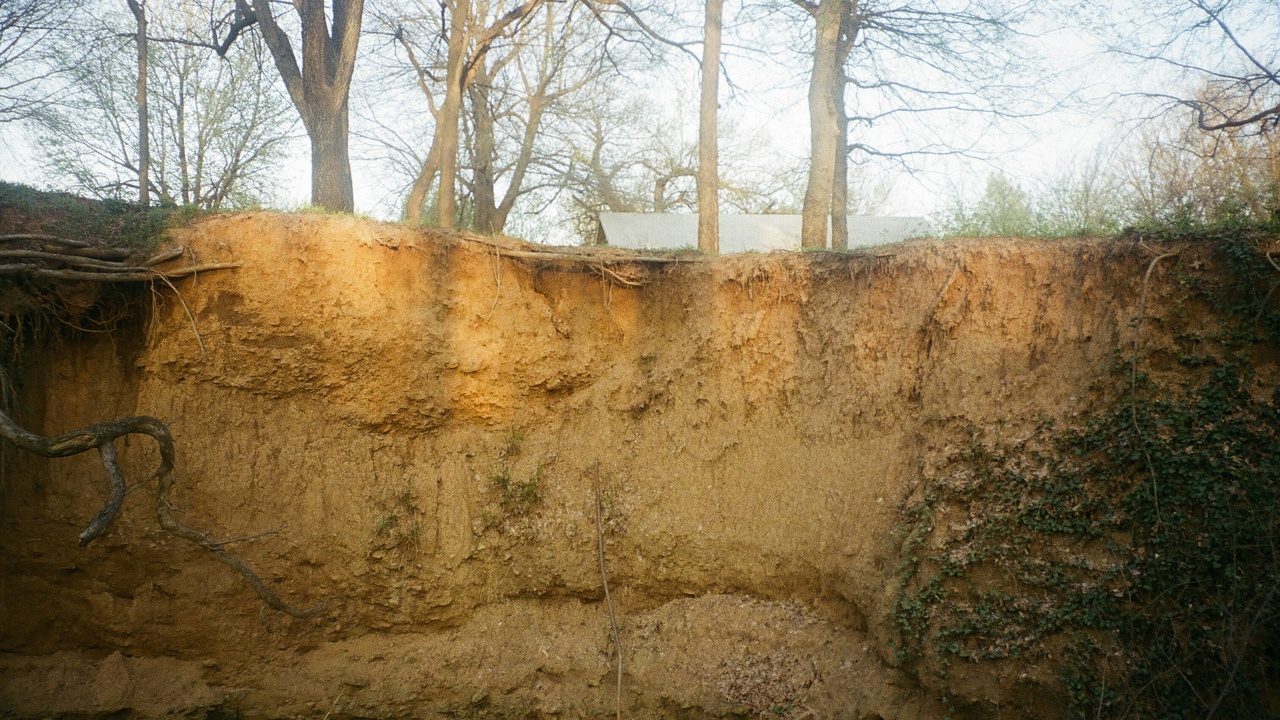
For slopes, wet edges, or fragrant woodland beds, choose groundcovers with the right rooting habits or scent profiles. Plants with vigorous stolons or rhizomes anchor soil and slow runoff, while fragrant species add seasonal aroma to shaded borders. Think about containment for aggressive spreaders and match moisture preferences to site conditions like rain gardens or riparian edges.
9. Creeping Jenny (Lysimachia nummularia ‘Aurea’)
Creeping Jenny has bright chartreuse foliage and a rapid spreading habit that makes it a great option for damp areas and slope stabilization. Plants are usually 1–3 inches tall and can run several feet per season in moist soils; hardy in zones 3–9.
It excels at pond edges, in rain gardens, and on slopes where the stolons help hold soil. In hot, dry locations it may thin out, so match it to moist sites or use shallow root barriers or container planting to limit escape into surrounding beds.
10. Sweet Woodruff (Galium odoratum)
Sweet Woodruff is prized for its hay‑like fragrance when leaves are crushed and for delicate white spring flowers. It reaches about 6–12 inches in height and spreads by rhizomes to form dense carpets; hardy zones are roughly 4–8.
Plant under deciduous trees or in shady borders where spring scent is desirable. Historically used in potpourri and traditional recipes, it prefers moist, shady woodland conditions and may die back in hot, dry summers. Propagate by division in spring or fall and divide every 2–3 years to manage size.
Summary
- Match plant to the site: sun, moisture, and foot traffic determine long‑term success (e.g., thyme and sedum for hot, dry spots; pachysandra and sweet woodruff for shade).
- Many groundcovers provide ecological benefits—white clover fixes nitrogen (cutting fertilizer needs up to ~50%), while sedums are ideal for green roofs and pollinator value.
- Watch spread habits: aggressive runners like creeping jenny and ajuga may need containment or periodic division to prevent escapes.
- Start small and plant to recommended spacing (for example, 12–18 inches for thyme or vinca; 6–8 inches for Irish moss) to achieve full cover in 1–2 seasons.
- Try one site‑specific experiment this season—plant Creeping Thyme between pavers, or seed white clover at 4–8 oz/1,000 sq ft—and consult your local extension service for region‑specific cultivar recommendations.