Colonial mahogany cutters paddled upriver in the 1700s and transformed parts of Belize’s forests — and its economy — in ways that still shape conservation today.
Belizean plant life matters because it anchors wildlife, supports rural livelihoods, and carries deep cultural meaning for Maya and coastal communities.
This piece presents 10 notable tropical plant species and explains why each matters ecologically, culturally, or economically. Expect canopy giants, useful understory plants, and coastal and showy species you can spot on visits.
Canopy Giants and Cultural Icons
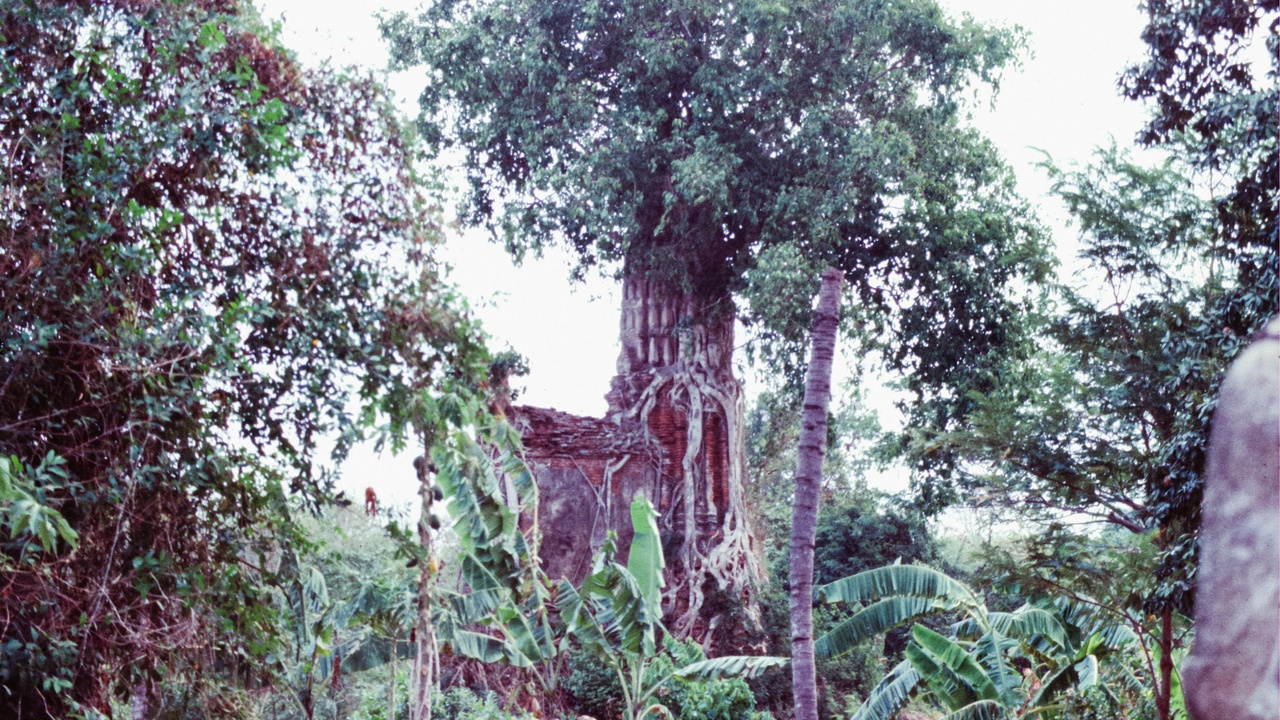
Picture Belize’s broadleaf and mixed forests with towering emergent trees that store carbon, host wildlife, and anchor community traditions; places like Cockscomb Basin Wildlife Sanctuary show these giants persisting in protected tracts. These canopy species shape forest structure, climate resilience, and many local customs — and you’ll find the flora of Belize tied to both ecology and history.
1. Honduran mahogany (Swietenia macrophylla)
Honduran mahogany is Belize’s iconic timber tree, prized historically as a high-value export and long associated with colonial logging in the 18th–19th centuries.
The species suffered heavy harvest pressure during the colonial era and afterward; it remains of conservation concern and is listed by the IUCN as threatened (IUCN) while international trade is regulated. Mature stands survive in places such as the Rio Bravo Conservation Area and the Maya Mountain Corridor, where mahogany contributes to ecotourism and forest restoration projects.
Beyond timber for fine furniture and traditional carpentry, mahogany now supports sustainable forestry initiatives and cultural crafts that provide local income while promoting protection.
2. Kapok / Ceiba (Ceiba pentandra)
Ceiba, often called the kapok or Yaxche, holds sacred status in Maya cosmology as the “world tree,” a role documented by ethnographers in the early 20th century and woven into ritual sites and oral histories.
Ecologically, Ceiba is an emergent canopy tree whose large crowns host epiphytes such as orchids and bromeliads and provide nesting sites for birds and mammals. In and around archaeological zones you can still find venerable Ceiba specimens tied to community ritual and landscape identity.
3. Ramon / Breadnut (Brosimum alicastrum)
Ramon, or breadnut, is a multipurpose tree long used by Maya communities as a food source and shade tree; its seeds (sometimes called Maya nut) supplement diets and were used for centuries in traditional foods.
The tree is valued in agroforestry for its shade, soil-stabilizing roots, and edible seed crop, and NGOs in the region promote ramon in sustainable livelihood projects that improve food security. The species’ resilience makes it suitable for home gardens and mixed-crop systems where families harvest seeds and use them in flour or porridge recipes.
4. Spanish cedar (Cedrela odorata)
Spanish cedar has long been sought for fine cabinetry, boatbuilding, and cigar boxes due to its workability and aromatic timber; it joined mahogany among the prized exports that shaped Belize’s timber trade in the 19th century.
Because of historic overharvest, Cedrela is now subject to trade controls in many regions and figures in conversations about sustainable forestry and community timber management. In some reforestation and agroforestry efforts, Spanish cedar is planted alongside native species to restore mixed stands and provide value to rural households.
Understory, Medicinal, and Useful Plants
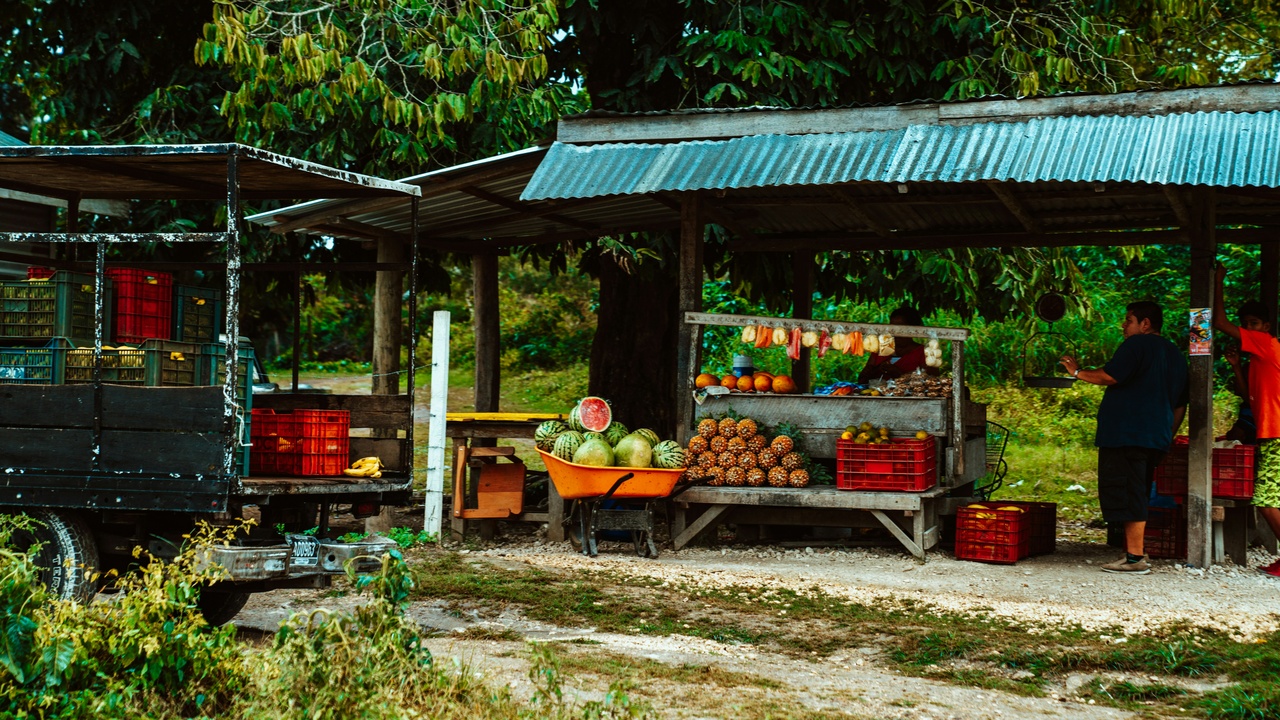
Smaller trees, shrubs, and herbs make up the day-to-day botanical backbone for many Belizean households: they supply food, medicine, construction materials, and income from market crops. Understory plants are often grown in home gardens or agroforestry plots and play a big role in rural nutrition and traditional healing practices.
5. Chaya (Cnidoscolus aconitifolius)
Chaya, a fast-growing leafy green known as tree spinach, is widely cultivated in Belize for household consumption and small-scale sales.
Rich in vitamins A and C and minerals such as iron (see nutritional profiles from extension services), chaya is typically boiled to neutralize mildly toxic compounds before eating. It’s a low-input crop used in home gardens, with harvest cycles around 60–90 days from cuttings, making it a reliable source of greens for families and local restaurants.
6. Allspice (Pimenta dioica)
Allspice is a native tree whose dried berries are a familiar spice in Belizean cooking and an income source for smallholders who dry and sell the berries locally and to niche markets.
Used in sauces, stews, and pickles, allspice supports cottage processing and culinary tourism; harvest typically peaks in the warmer months, and production contributes to local trade (see regional agricultural references for production timing and methods: useful plant profile).
7. Gumbo-limbo (Bursera simaruba)
Gumbo-limbo is a widespread, easy-to-grow tree recognized by its peeling, cinnamon-red bark and frequent use in roadside plantings and homesteads.
Traditionally used for topical remedies and minor ailments, gumbo-limbo also serves as a living fence, erosion-control species, and quick shade tree in reforestation work. Its distinctive bark and rapid regrowth make it a familiar, practical component of rural landscapes across Belize.
Coastal, Epiphytic, and Showy Plants
Belize’s coastline, mangroves, moist forest canopies, and gardens host species that protect shores, support pollinators, and draw visitors with colorful blooms. From dune-stabilizing shrubs to epiphytic orchids and ornamental heliconias, these plants have ecological roles and clear tourism value near the Belize Barrier Reef and inland lodges.
8. Sea grape (Coccoloba uvifera)
Sea grape is a salt-tolerant coastal shrub or small tree commonly used to stabilize sand, reduce erosion, and form windbreaks along beaches.
Its tolerance of salt spray and dense root systems make it useful in beachfront plantings on places like Placencia and Ambergris Caye, helping protect corridors adjacent to Belize’s roughly 300 km reef-front coastline. Birds eat the fruit and nest in the foliage, making sea grape valuable for both shoreline protection and wildlife habitat.
9. Orchids (epiphytic species such as Encyclia and Cattleya)
Orchids are among Belize’s most celebrated epiphytes, with dozens of species recorded in humid forests and river corridors; they’re a major draw for botanists and nature-tourism guides.
Beyond their beauty, orchids illustrate delicate ecological relationships with pollinators and host trees; many lodges and guided walks highlight orchid-rich trails for visitors, and local botanical surveys and societies maintain checklists used by researchers and growers.
10. Heliconia (Lobster-claw and related flowering plants)
Heliconias are showy understory plants with bright bracts that attract hummingbirds and insect pollinators, commonly planted around eco-lodges and private gardens for color and wildlife viewing.
These plants often bloom during humid seasons and produce large bracts (many species 15–30 cm long) that are photogenic and ecologically important. Heliconias contribute to pollinator networks and are a favorite subject for photographers and naturalists staying at jungle lodges near river corridors.
Summary
- Canopy trees like mahogany and ceiba shape forest structure, culture, and long-term climate resilience in Belize’s protected areas.
- Understory species—chaya, allspice, gumbo-limbo—sustain daily life through food, medicine, and small-scale income for rural families.
- Coastal and showy plants such as sea grape, orchids, and heliconia protect shorelines, support pollinators, and boost ecotourism appeal.
- Balancing protection and sustainable use is essential: community forestry, agroforestry, and tourism can help preserve these species and landscapes.
- To learn more about the flora of Belize, visit a reserve like Cockscomb Basin, support local conservation groups, or try chaya in a Belizean recipe.