A mature oak tree can transpire tens to hundreds of liters of water per day—on a hot day some trees move the equivalent of a garden hose every few minutes.
That scale of movement matters: water is central to plant growth, crop yields, and how we manage limited water supplies. Gardeners, landscapers, and farmers who understand plant water dynamics can irrigate more efficiently and keep plants healthier.
This piece lays out seven clear, evidence-backed facts about how plants use and lose water, covering physiology, environmental controls, and practical watering strategies you can use right away.
Read on for concise explanations, numbers you can act on, and quick tips to save water while helping plants thrive.
Plant physiology: how water fuels growth
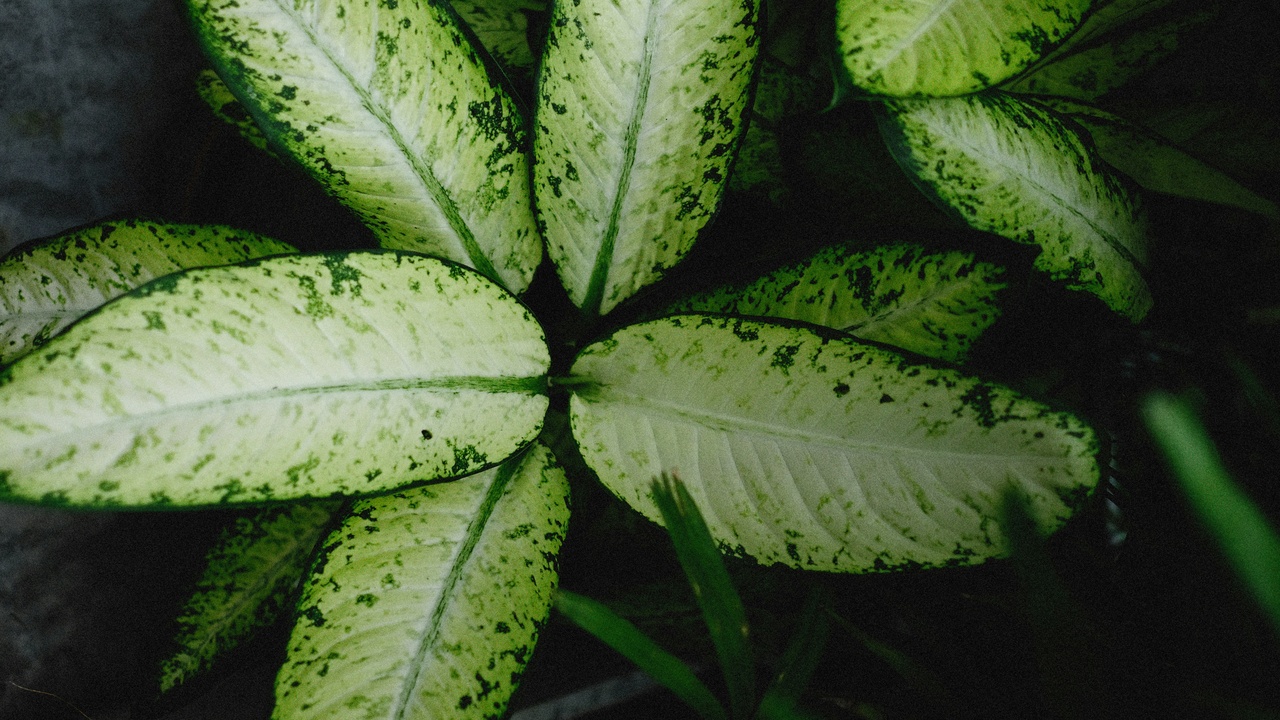
Water is far more than “hydration” for plants: it’s a chemical reactant, a transport medium, a structural element, and a cooling system.
Two short technical terms help explain why. Transpiration is the evaporative loss of water from leaves through stomata; it creates the tension that pulls water upward. Xylem is the plant’s water pipework—cells that conduct water and dissolved minerals from roots to shoots (Taiz & Zeiger; see also FAO).
These processes together mean water participates directly in photosynthesis, carries nutrients, maintains cell turgor, and cools leaves—so water deficits affect multiple plant functions at once.
1. Water is essential for photosynthesis and nutrient transport
Water is a raw material in the light reactions of photosynthesis (it’s split to provide electrons) and the solvent that carries nutrients through xylem and phloem to growing tissues.
Plant tissues are mostly water—typically 70–95% depending on species and organ—which explains why even small percentage losses affect growth and yield (Taiz & Zeiger; see university extension summaries such as UC ANR).
In practice, under-watering reduces nutrient uptake and can cause disorders like tomato blossom-end rot because calcium movement is limited by inconsistent soil moisture (Minnesota Extension). Over-watering, meanwhile, can leach nutrients and create root-oxygen deficits.
2. Transpiration is the engine of water flow and varies widely
Transpiration is the loss of water vapor from leaves and is the primary driver of upward water movement in plants.
Rates vary by species, leaf area, light, temperature, and humidity. Small herbaceous crops may transpire a few liters per square meter per day, while mature trees can move tens to hundreds of liters on hot days (see FAO and plant physiology texts).
Stomata open and close rapidly to control loss; gardeners can cut daytime loss by irrigating at cooler times and by choosing lower-transpiring varieties where water is limited.
Environmental and soil controls on water availability
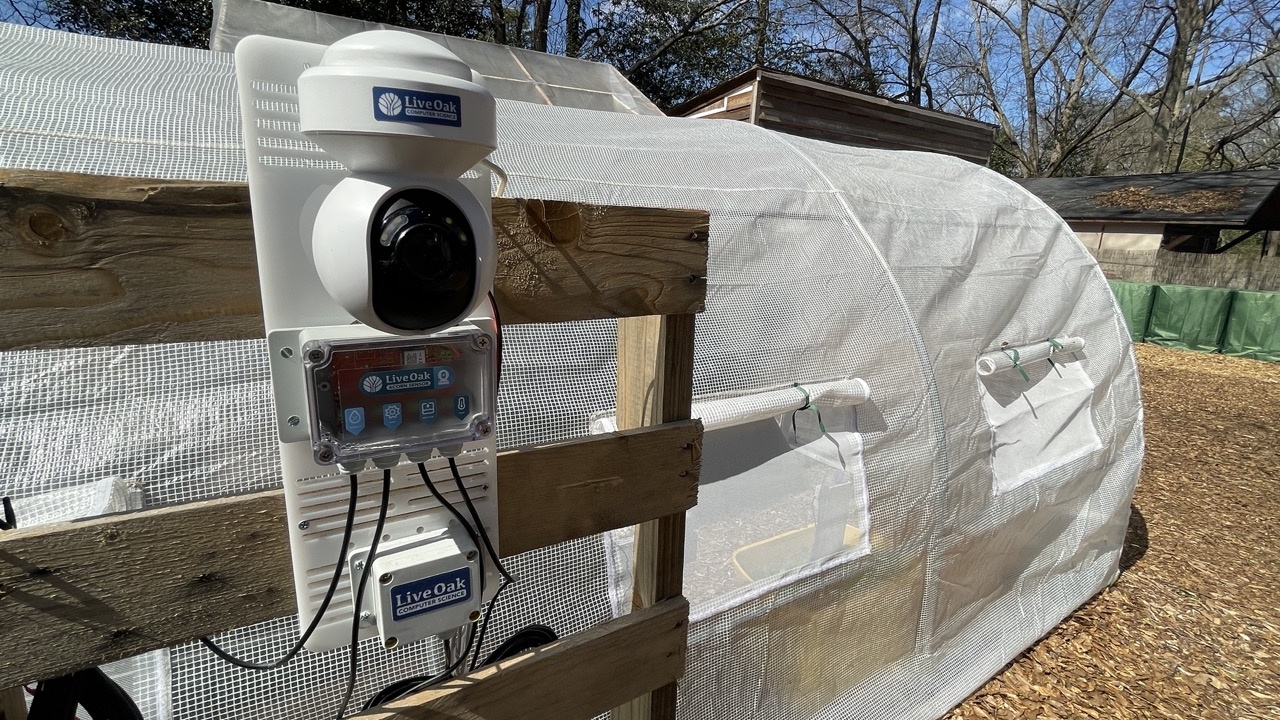
Many of the most useful facts about plant water needs come down to measurable soil and atmospheric factors: texture and organic matter, vapor pressure deficit (VPD), and root distribution all control how much water a plant can access and how fast it’s lost.
3. Soil texture and structure determine how much water plants can use
Sandy soils drain quickly and have low plant-available water; loams balance drainage and retention; clays hold more total water but much of it is tightly bound and harder for roots to extract (USDA NRCS; see NRCS).
Typical volumetric water content ranges at field capacity might be roughly 5–10% for coarse sand, 20–30% for loam, and 30–40% for fine clay—plant-available water is a smaller fraction of those totals and increases with organic matter.
In practice, container mixes dry out much faster than loamy garden beds; adding compost improves water-holding capacity and structure (extension guides such as those from Penn State Extension explain amendments).
4. Climate and vapor pressure deficit (VPD) set plant water demand
Vapor pressure deficit (VPD) combines temperature and relative humidity into a single measure of atmospheric demand; higher VPD means the air will pull more water from leaves.
A hot, dry day can double or more the transpiration rate compared with a cool, humid day, substantially raising irrigation needs (greenhouse VPD guides and extension materials provide charts growers use).
Practical rule of thumb: monitor weather and increase checks during heat waves and low-humidity spells—potted plants, in particular, often need extra water after hot nights.
5. Root depth and architecture control how much water plants can access
Root systems determine the soil volume a plant can mine for moisture. Shallow-rooted species rely on surface water; deep-rooted plants tap stored moisture farther down.
Typical root-depth examples: turf grasses commonly occupy the top 10–30 cm, many vegetables use 30–60 cm, while crops like alfalfa or deep-rooted trees may reach 1–3 meters (agronomy and extension sources give species-specific ranges).
That difference matters: deep-rooted perennials handle short droughts better, and practices like choosing deep-rooted cover crops can improve infiltration and water access over time.
Practical watering strategies to match plant needs
Putting the physiology and environment together gives clear, practical steps for saving water and keeping plants productive. These facts about plant water needs point to two big ideas: water deeply at the right times, and use simple tools to match supply to demand.
6. Timing and frequency: water deeply and at the right time
Deep, less-frequent watering encourages roots to grow downward and increases drought resilience. Aim to wet the active root zone rather than giving daily light sprinkles.
Targets: wet the root zone to roughly 15–30 cm for many garden plants; lawns in many temperate regions typically need about 25 mm (1 inch) of water per week, adjusted for heat and rainfall (local extension guidance).
Best time is early morning—less evaporation and lower disease risk for many plants. Check moisture by feel or with a probe: soil should be moist below the surface after a deep soak but not waterlogged.
Example routine: vegetable beds—deep soak once or twice weekly during peak growth; potted plants—more frequent checks and smaller, deeper soaks as needed.
7. Tools and practices that improve water efficiency
Drip irrigation, soil moisture sensors, mulch, smart controllers, and rainwater capture are the most effective tools for reducing waste and matching water to plant demand.
Quantified benefits from extension and research summaries: drip and microirrigation can cut irrigation water use by roughly 20–50% compared with overhead sprinklers; mulches can reduce surface evaporation by 30–70%; smart controllers often reduce outdoor water use by ~20–30% (Penn State Extension, USDA studies).
Practical buys: basic soil moisture meters under $20, entry-level smart timers $30–80, and DIY rain barrels for garden capture. For most home gardeners, prioritize mulch first, then a moisture meter, then transition beds to drip or soaker lines.
Summary
- Water is a reactant and a transport medium; transpiration drives huge daily flows, so monitor and match supply to demand.
- Soil texture, VPD, and root depth control how much water plants can access—amend soils and choose species to fit your site.
- Favor deep, early-morning watering to develop roots and reduce loss; lawns often need about 25 mm (1 inch) per week as a starting point.
- Adopt simple tools—mulch, a moisture meter, and targeted drip lines—for the biggest water-saving gains; start with mulch and a meter this week.