Alpacas were selectively bred in the Andes for about 6,000 years, long before modern textile mills existed.
An Andean herder watching a small flock graze paints the scene: wind, scrub grass, and dense fleece glowing in the sun.
That long history explains why alpaca traits matter to farmers, artisans, and hobbyists.
Knowing the characteristics of a alpaca helps prospective owners choose animals that fit fiber goals, land size, and handling ability.
This article groups ten key traits into three themes: physical and biological, behavior and social, and economic and human use.
Physical and Biological Traits
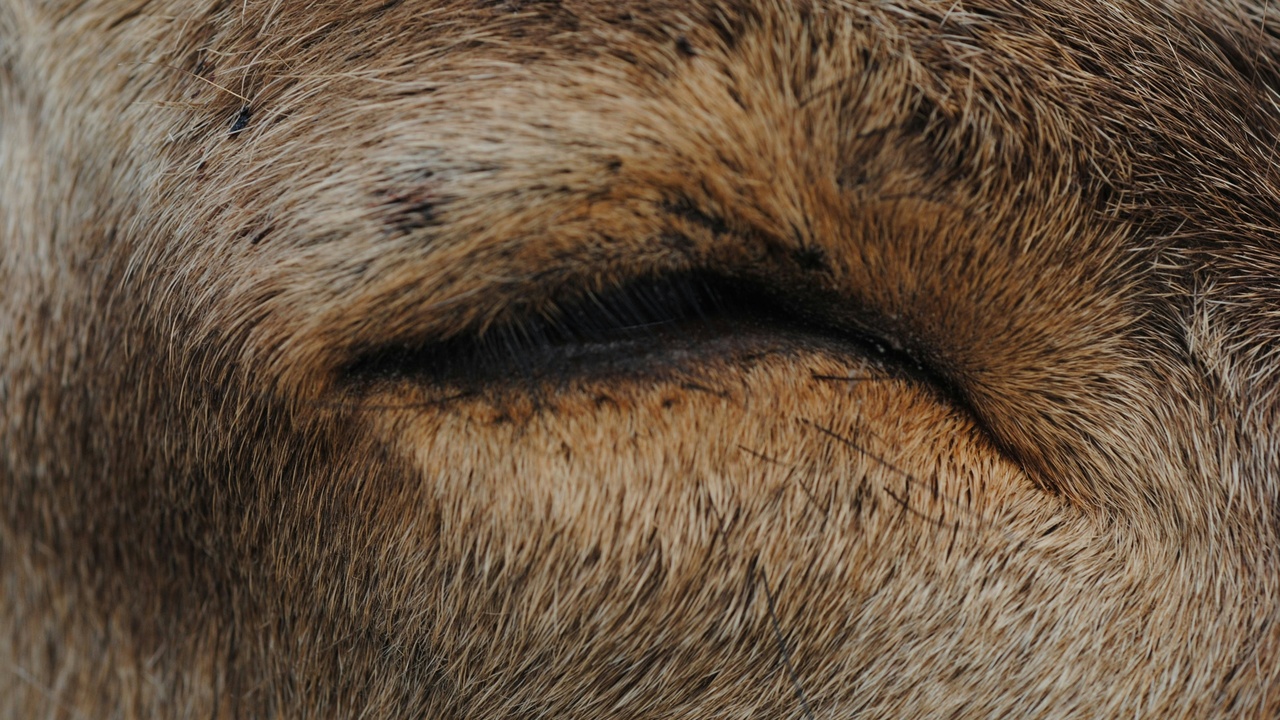
Alpacas carry features shaped by millennia on high Andean plateaus. Their fleece, body proportions, and physiology reflect selection for cold, thin-air environments.
Ancestors thrived between about 3,500 and 5,000 meters, and those adaptations still benefit modern flocks kept at lower altitudes. Expect compact bodies, efficient digestion, and hardy dispositions.
1. Dense, Insulating Fleece (High-Quality Fiber)
Alpaca fleece is the species’ best-known trait and is prized worldwide for warmth and hand-feel.
Typical fiber diameters range from about 18 to 30 microns depending on age and genetics. Annual shearing usually yields roughly 2–4.5 kg (5–10 lb) of raw fiber per animal.
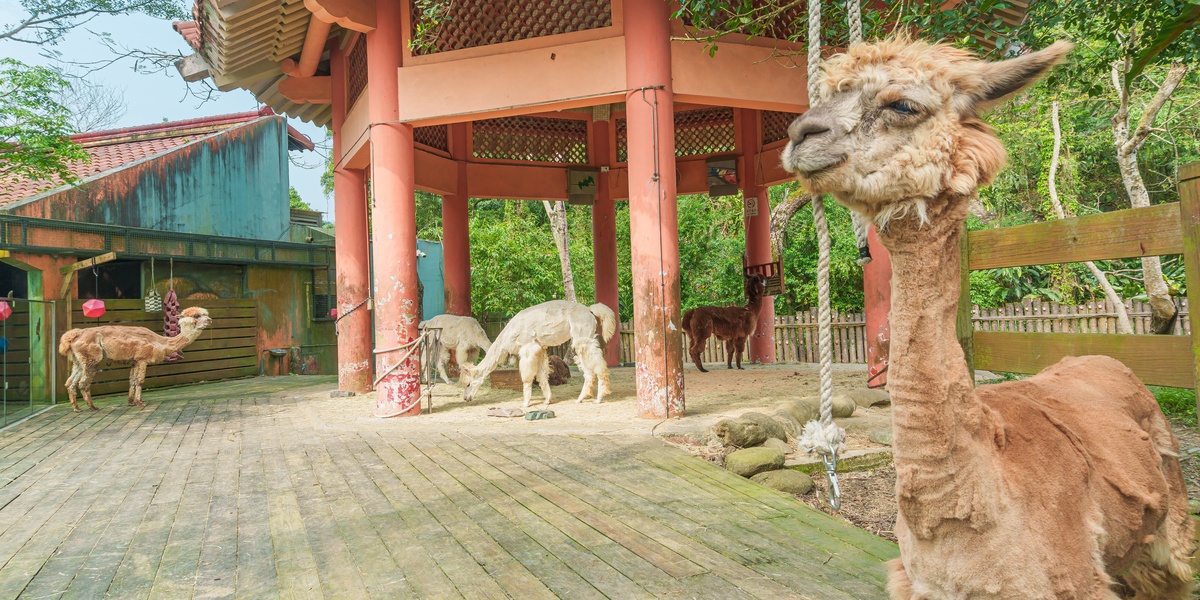
There are two primary fleece types: Huacaya, with fluffy, crimped staples, and Suri, with long, silky locks that drape. These differences affect how fiber is processed and the final garment drape.
Peruvian artisan knitters and small cooperatives export yarn to Europe and North America. Boutique brands often market finer fleeces under ‘baby alpaca’ standards, where lower micron counts command higher prices.
2. Compact Size and Efficient Build
Alpacas are smaller than llamas and built for endurance rather than heavy draft work.
Adults typically weigh between 48 and 84 kg (106–185 lb) and stand about 81–99 cm at the withers. Their lighter frame makes handling easier and reduces feed costs compared with larger livestock.
That compact size suits smallholders and hobby farms; families commonly keep two to six animals for fiber and education. Compared with sheep, alpacas can have a gentler pasture impact per individual because of selective grazing and padded feet.
3. Adaptation to High Altitude and Efficient Digestion
Alpacas evolved for tough Andean conditions and retain physiological advantages for low-quality forage.
Historically raised above 3,500–5,000 meters, they use oxygen efficiently and extract nutrients from coarse grasses. Their digestive system includes a three-compartment stomach adapted to ferment fibrous plant material.
Those traits make alpacas well-suited to low-input grazing systems on marginal land. Peruvian communal herding practises still rely on this efficiency, and many U.S. and European hobby farms likewise depend mainly on pasture with minimal grain supplementation.
4. Longevity and General Hardiness
Alpacas are relatively long-lived for livestock and remain productive across many years.
Average lifespans run about 15–20 years, and many females breed into their early teens. With routine care—annual shearing, basic vaccinations, and targeted deworming—hoof and dental problems are uncommon.
That longevity supports sustained fiber production and preserves the value of breeding stock. Breeders often report females aged 10–12 still contributing fine fleece and social leadership within a herd.
Behavior and Social Characteristics

Alpacas are social herd animals whose temperament and communication shape daily management. They do best in groups and show clear signals that handlers can learn over time.
Welfare recommendations usually call for groups of at least three to four animals. The points below cover temperament, vocal and visual signals, and maternal instincts that matter for care and breeding.
5. Gentle, Herd-Oriented Temperament
Alpacas are generally docile and social, forming tight bonds within a herd.
They can become stressed if isolated, but they respond well to calm, consistent handling. Halter training is straightforward for most animals, making them suitable for educational farms and light therapy work.
Small urban farms often schedule supervised school visits with three to ten alpacas. Hobby breeders use simple halter-training protocols so animals behave safely during demonstrations and fiber-handling workshops.
6. Communication: Hums, Snorts and Body Language
Alpacas communicate through subtle sounds and expressive postures that convey mood and social intent.
Common vocalizations include the low hum of content animals and alarm snorts when startled. Ear and neck positions signal curiosity, aggression, or submission, and handlers learn to read these cues to reduce stress during shearing or vet visits.
For example, a pregnant female may hum softly to her cria, while two males may adopt an upright, bristled posture before a brief dominance display. Reading those signs helps breeders manage introductions and avoid injury.
7. Maternal Behavior and Reproductive Traits
Alpaca mothers are attentive, and cria survival rates are high with proper supervision.
Gestation is about 11.5 months, roughly 335 days, and single crias are the norm. Newborns usually stand and nurse within the first hour, and maternal bonding is strong, aiding early growth.
Breeders plan predictable birthing windows and commonly supervise first-time dams. Veterinary attendance is recommended for difficult births, but routine parturitions proceed quickly with limited intervention.
Economic and Human-Use Traits
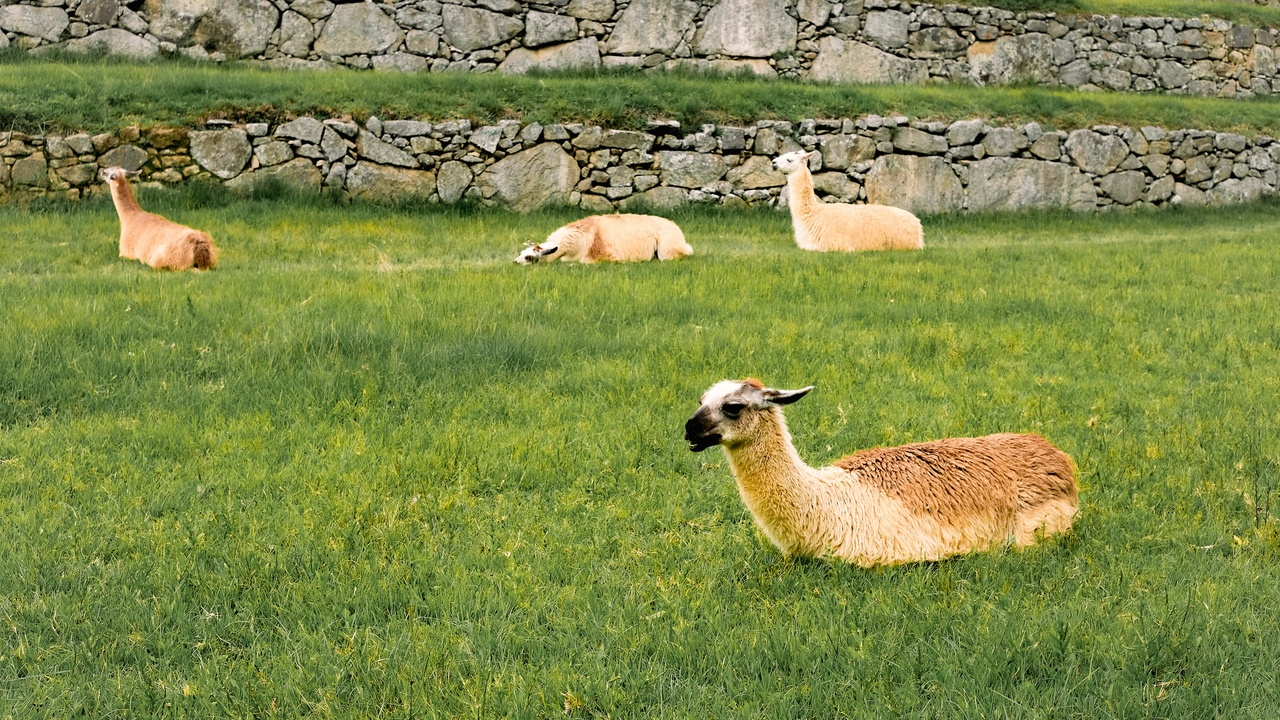
Alpacas fit modern small-scale agriculture and niche textile markets well. Peru remains the global center, with roughly 3.7 million animals and long-established export channels.
International interest increased notably from the 1980s onward, when hobby farms and specialty breeders in the U.S. and Europe began importing stock. The traits below cover fleece economics, low-input husbandry, and non-fiber roles like therapy and agritourism.
8. Valuable Fleece Market and Niche Textiles
Understanding the characteristics of a alpaca helps buyers and producers assess market potential for fiber.
High-quality alpaca fiber commands premium prices in specialty markets. Micron count and staple length determine how fiber is graded—finer microns fetch higher retail prices for garments and yarn.
Peruvian cooperatives and small companies export raw fleece and processed yarn to boutiques in Europe and North America. Many small brands specifically market ‘baby alpaca’ sweaters and home textiles that emphasize softness and eco-friendly sourcing.
9. Low-Input Husbandry and Environmental Advantages
Alpacas often require less feed and land per unit of fiber than larger livestock, making them efficient on small acreage.
They use less water than cattle and typically need less supplemental grain than sheep when good pasture is available. Padded feet reduce soil compaction and pasture damage compared with cloven hooves.
Many small farms employ rotational grazing and focused pasture management to keep yields steady. Hobby growers producing organic alpaca fiber find this low-impact approach aligns with consumer interest in sustainable textiles.
10. Multifunctional Roles: Companions, Therapy, and Agritourism
Alpacas provide value beyond fleece: they serve as companion animals, therapy visitors, and agritourism attractions.
Schools and assisted-living facilities sometimes arrange supervised alpaca visits for animal-assisted interactions. Farms add income by hosting workshops, yarn-making demonstrations, and farm-stay experiences.
These activities diversify revenue for smallholders and deepen public engagement with sustainable farming. A typical example is a rural fiber farm offering weekend yarn workshops and guided tours that include hands-on fleece handling.
Summary
- Alpacas combine high-quality, fine fleece with a compact, efficient body, making them attractive for smallholders and specialty textile markets.
- Their social, gentle temperament and strong maternal instincts make them suitable for educational programs, therapy visits, and family-run farms.
- Low-input husbandry—efficient grazing, padded feet, and a three-compartment stomach—means many farms can produce fiber with modest land and feed investments.
- Inspect micron counts and staple length on yarn labels, and visit local fiber farms or festivals to see animals and samples in person before buying or investing.
- Support ethical sources: visit a nearby alpaca farm, attend a workshop, or buy from cooperatives that pay producers fairly to encourage sustainable, animal-friendly fiber production.