In the 1970s, aerial surveys first revealed the staggering herds and dense concentrations of wildlife across the Okavango and Chobe regions, a discovery that helped shape Botswana’s identity as one of Africa’s premier wildlife strongholds. Those early flights informed the creation and expansion of flagship protected areas and, more recently, helped underpin the Okavango Delta’s inscription as a UNESCO World Heritage Site in 2014.
This piece profiles the 12 most famous animals of Botswana—what makes each species iconic there, where to see them, and why they matter for conservation, culture, and tourism. Each profile notes prime viewing locations, a concise conservation/status point, and a concrete example or statistic tied to Botswana’s landscapes. The goal is practical: help curious travelers, students, and conservation-minded readers understand why these species matter on the ground.
Predators and Big Cats
Top predators shape prey populations, alter habitat use and drive some of Botswana’s most memorable safari moments. Big cats and pack hunters attract photographers and researchers, and predator-focused tourism contributes substantially to local lodge revenues. At the same time, predators face conservation challenges such as human-wildlife conflict, snaring, and habitat fragmentation across Moremi, Chobe, Savute and parts of the Central Kalahari.
Park and conservancy surveys (including long-term camera-trap and aerial work) are used to monitor trends and guide anti-poaching and conflict-mitigation efforts.
1. Lion — Botswana’s emblematic big cat
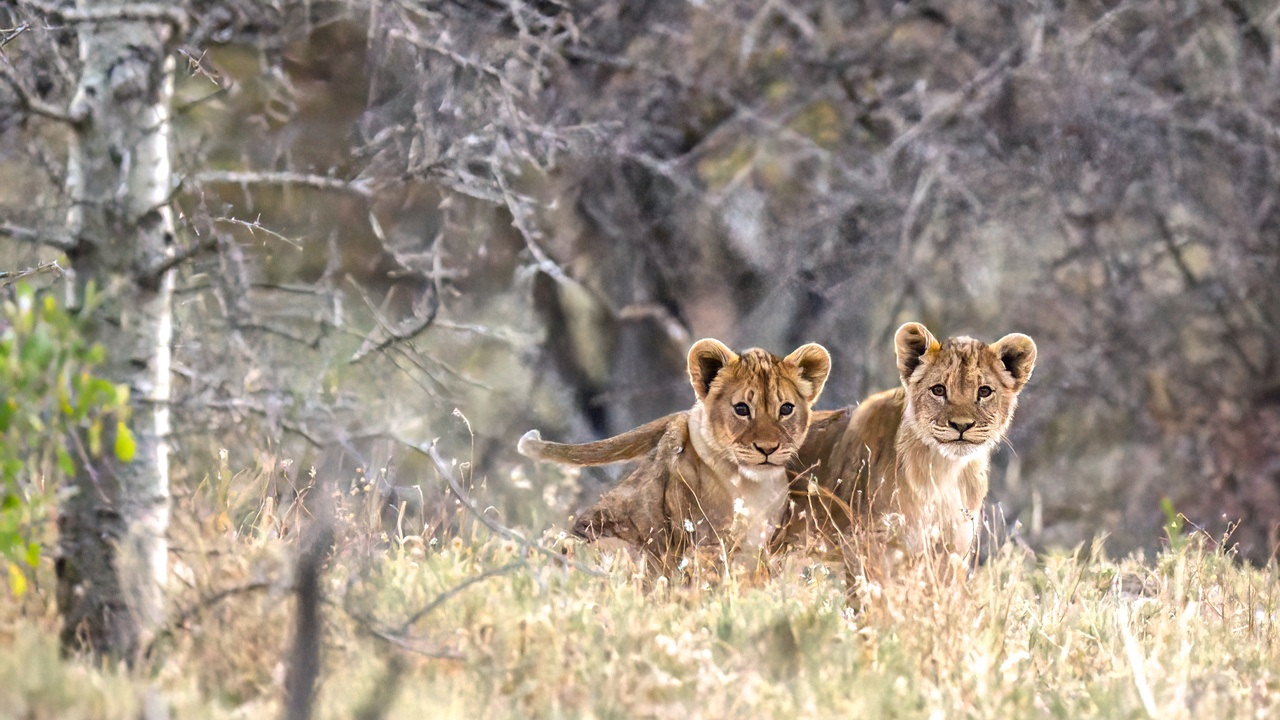
Lions are one of Botswana’s most visible and sought-after wildlife icons, often anchoring safari itineraries across the Chobe ecosystem and the Okavango Delta. Savute is famous for large prides and dramatic encounters, while Chobe Riverbanks produce high daytime visibility from boats.
Counts and research vary by area, but park reports have documented prides and subpopulations that can number in the dozens across the Savute and surrounding landscapes; targeted GPS collaring projects have tracked territorial movements for several decades. Research groups such as Panthera and local university teams publish studies on lion movement and survival.
Viewing lions supports guides, camps and photographic safaris, while conservation work focuses on reducing snaring, securing prey base and mitigating retaliatory killings where lions come into contact with livestock.
2. Leopard — the secretive ambush predator
Leopards are prized by visitors for their elusiveness—the thrill of a successful sighting is strong. They occur widely in riverine woodlands and floodplain islands, but their secretive habits mean sightings are rarer than for open-country species.
Camera-trap studies and night-drive records in Moremi and adjacent reserves regularly document individual animals, with many surveys identifying tens of resident leopards in core protected areas. That research helps estimate densities and identify human-wildlife conflict hotspots.
Specialized leopard tourism—guided tracking and night drives—continues to support small, expert-run camps while conservation efforts focus on reducing snaring and retaliatory killing.
3. Cheetah — the speed specialist on open plains
The cheetah, fastest of land mammals, prefers openness and is often encountered on the pans and grassy plains that fringe the delta. In Botswana, Makgadikgadi, Nxai Pan and some Okavango floodplain margins are hot spots for sightings.
National estimates place Botswana’s cheetah population in the low thousands, making the country an important stronghold regionally. NGOs run collaring and monitoring programs and work with communities to reduce livestock losses through herding improvements and guardian animals.
Low-volume, high-value tourism—photographers seeking sprinting behavior—helps fund local conservation initiatives and creates incentives to keep open habitat for hunting success.
4. African Wild Dog — the highly social pack hunter
African wild dogs, sometimes called painted dogs, are among Africa’s most charismatic and endangered carnivores, and Botswana is a vital stronghold for them. Their complex social packs and cooperative hunting make sightings unforgettable.
Regional estimates put wild dog numbers in southern Africa in the low thousands, with Botswana hosting important subpopulations that cross borders with Namibia and Zambia. Disease, snaring and fragmentation are the chief threats.
Transboundary conservation initiatives and community conservancy programs—focused on reducing snares and maintaining connectivity—have shown measurable benefits for pack persistence and are models for cross-border carnivore planning.
Large Herbivores and Plains Animals
Megaherbivores drive savanna structure, nutrient cycling and predator distributions, and they are central to game-viewing economies. Animals like elephants and zebras reshape vegetation, influence water distribution and support tourism that funds conservation work. Management challenges include human-wildlife conflict, water-resource impacts and the need to balance population growth with habitat protection.
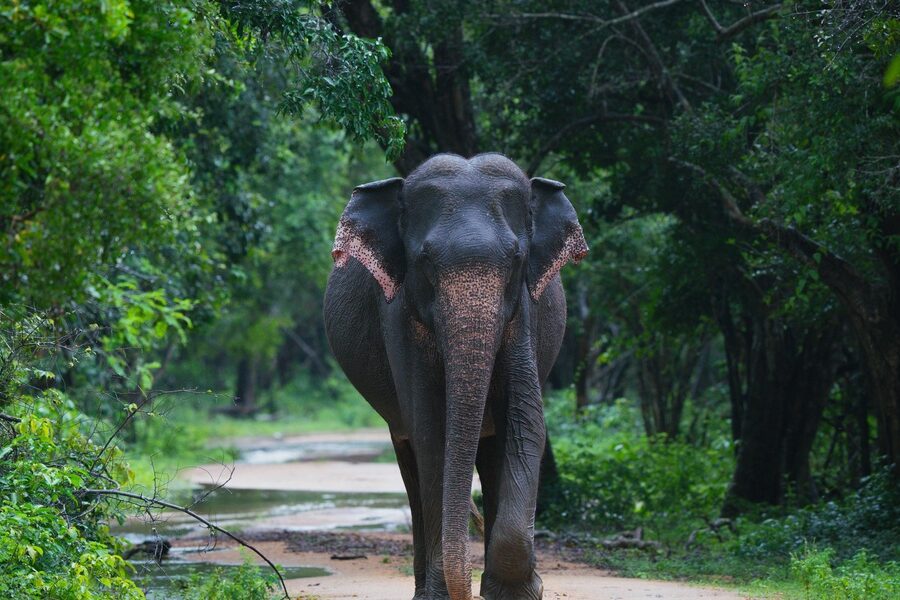
5. African Elephant — Botswana’s emblem of abundance
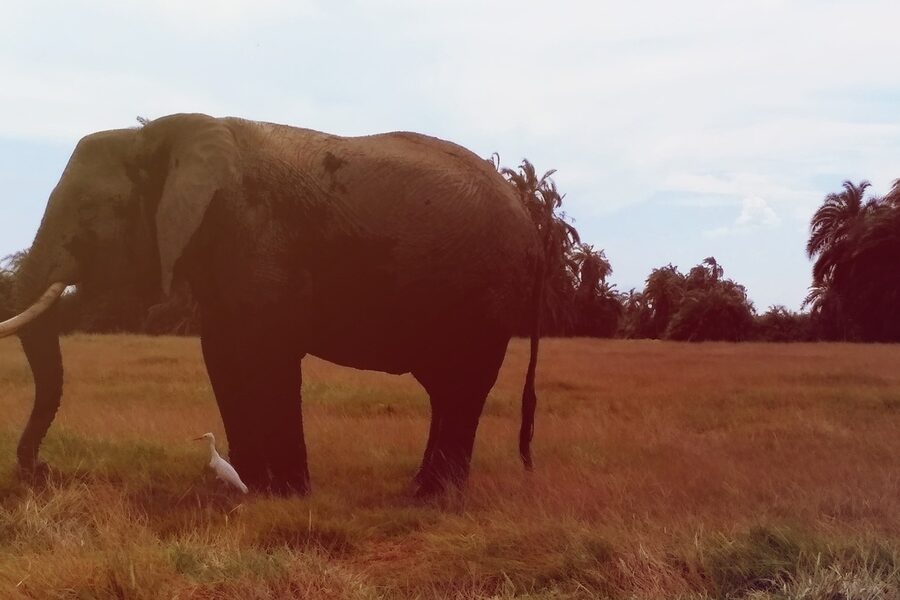
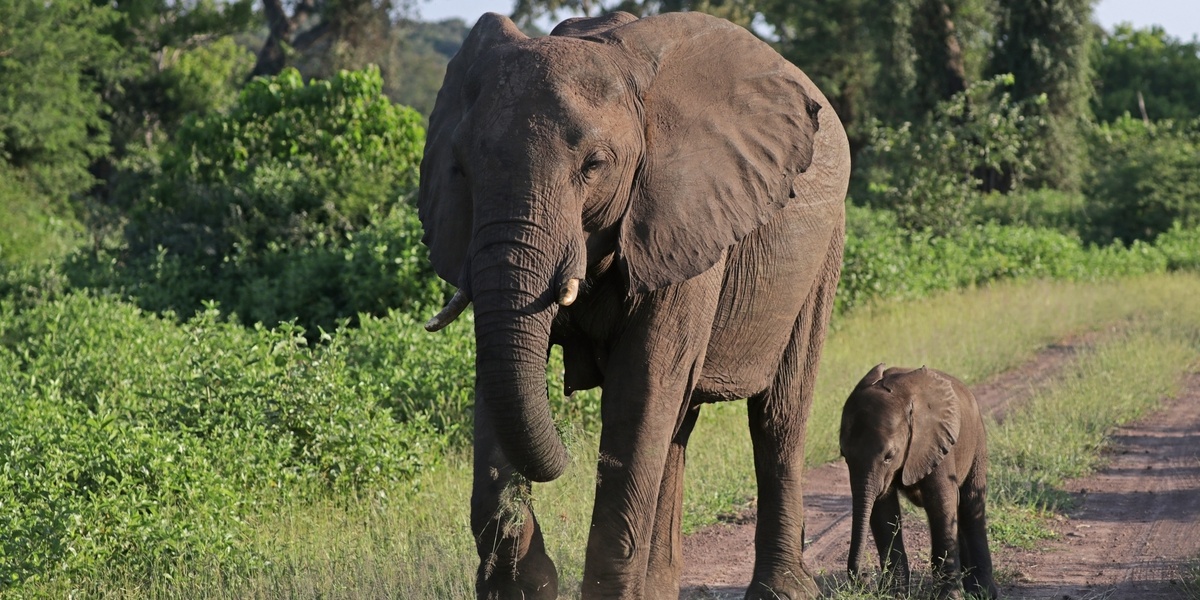
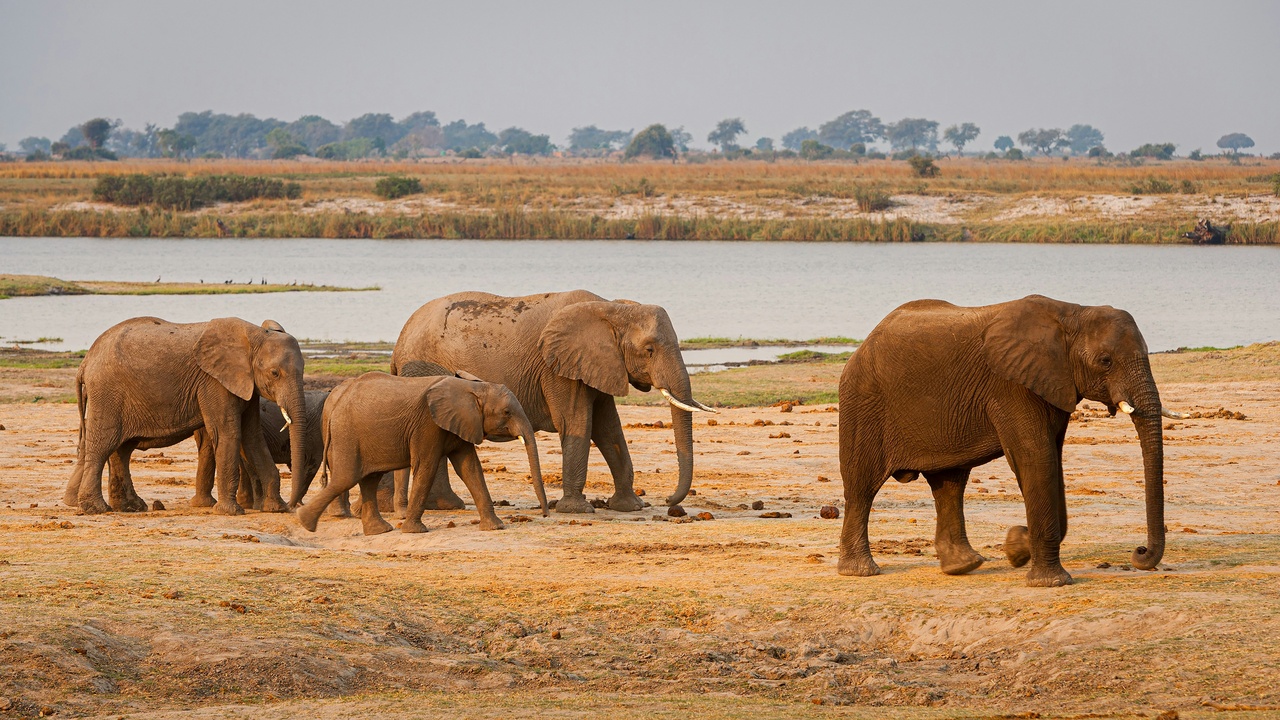
Botswana hosts one of Africa’s largest elephant populations; commonly cited estimates put the national total around 130,000 elephants, based on aerial surveys and government counts. Those figures make the country globally significant for elephant conservation.
Chobe National Park is famous for seasonal elephant concentrations—sometimes thousands of animals along the river—while Okavango floodplain movements track water and grazing opportunities throughout the year.
Elephants underwrite large parts of the safari economy but also create management pressures: conflict with farmers near park borders, infrastructure damage and the need for well-resourced anti-poaching and mitigation programs such as early-warning systems and community outreach.
6. African Buffalo — the formidable grazer
African buffalo are large, social grazers often seen in mixed herds along floodplains and riverine areas. They form an important part of the prey base for lions and shape grassland structure through heavy grazing.
Buffalo are common along the Chobe River and in Moremi, where boat and game drives regularly encounter sizable herds. Herd sizes can range from dozens to several hundred in productive seasons.
Because buffalo can carry diseases relevant to livestock, veterinary health and wildlife-livestock interfaces are important management concerns; cross-sector collaboration is frequently used to manage risk.
7. Giraffe — the watchful browsers of the plains
Giraffes are instantly recognizable and add vertical drama to Botswana’s open woodlands and pans. They browse canopy vegetation and influence woody plant structure, creating habitat variation for other species.
Photographers often target giraffe in Nxai Pan and parts of the Central Kalahari, where long views and soft light make for classic safari images. Movement and genetic studies have increasingly focused on local subspecies and connectivity.
Specialist photographic camps sometimes promote giraffe-focused itineraries, and research into population trends helps inform protected-area planning.
8. Plains Zebra — the striking striped grazer
Zebras are abundant, highly visible grazers whose seasonal movements can create spectacular gatherings on the pans. The Makgadikgadi and Nxai Pan areas are best known for large zebra concentrations when conditions align.
These movements influence predator presence and offer migration-style photo opportunities; during good years, observers can document thousands of animals moving across the salt pans and grasslands.
Camera-verified counts and aerial surveys during flood years help managers track these pulses and anticipate predator-prey dynamics.
Wetland Residents, Grazers, and Scavengers
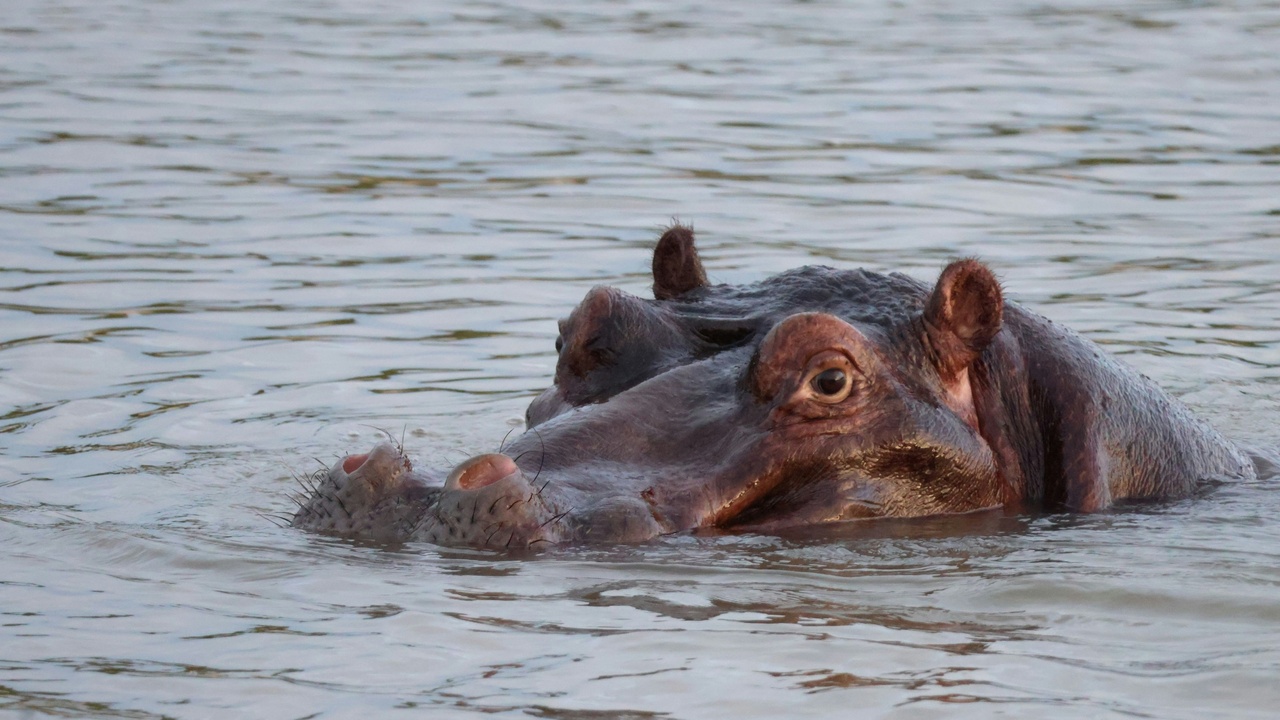
The Okavango Delta’s seasonal flood pulse drives enormous wetland productivity that supports hippos, crocodiles, concentrated grazers and an assembly of scavengers. Scavengers like spotted hyena play a key role in recycling nutrients and limiting disease spread, while wetland specialists create the landscape’s famous waterways-and-wildlife scenes.
9. Hippopotamus — riverine giants of the delta
Hippos are dominant wetland mammals whose daytime river behavior and nocturnal grazing are familiar to Delta visitors. Pods gather in permanent channels and oxbows and shape riverbank structure through grazing and wallowing.
Boat and mokoro trips in the Okavango commonly pass large pods; the Chobe River similarly supports dense hippo concentrations. Park reports and operator logs often record pods numbering in the dozens at key channels.
Because of their size and territoriality in water, operators emphasize safety guidelines for close approaches, and hippo viewing remains a core revenue source for boat-based safari operators.
10. Spotted Hyena — adaptable scavenger and hunter
Spotted hyenas are intelligent, socially complex carnivores that both scavenge and hunt cooperatively. They remove carcasses that could otherwise spread disease and are integral to nutrient cycling in savanna and wetland ecotones.
Hyena clans are visible on night drives and at waterholes across Moremi and Chobe. Field studies in Botswana have helped illuminate clan structure, denning behavior and their role in carcass consumption.
Because hyenas are opportunistic, they adapt to changing prey availability, making them resilient but also bringing them into conflict in areas where livestock losses occur.
11. Wildebeest — seasonal movers that create spectacle
Wildebeest are gregarious grazers whose movements—tied to rainfall and grass growth—can produce dramatic gatherings on the Makgadikgadi pans and Nxai Pan. During favorable seasons, vast herds concentrate and attract predators and scavengers in numbers.
Those seasonal pulses create excellent photographic opportunities, and localized counts during flood years document thousands of animals moving across salty flats and grass corridors.
Wildebeest aggregations also influence grazing pressure and nutrient redistribution across pans, shaping microhabitats for other species.
12. Black Rhinoceros — rare, iconic, and heavily protected
The black rhinoceros is one of Botswana’s most threatened and emblematic species, and intense anti-poaching and translocation efforts protect the small national population. Numbers in Botswana are limited—more like dozens in guarded reserves rather than hundreds—so every individual matters.
Conservation work involves dedicated ranger units, secure bomas, monitoring collars and, when needed, translocations to bolster genetic mix and safety. International frameworks such as IUCN and CITES guide protection priorities.
Rhino-focused funding from international donors and partnerships with community-run conservation units help sustain long-term protection efforts.
Summary
- Botswana’s landscapes—from Okavango channels to Makgadikgadi pans—support a unique assemblage of species that together define the country’s wildlife identity.
- Conservation and tourism are tightly linked: photographic safaris, boat trips and conservancy programs generate revenue that funds anti-poaching, monitoring and community benefits.
- Several species (elephants, wild dogs, black rhino) require focused, ongoing protection through anti-poaching units, disease management and transboundary cooperation.
- Travelers can help by choosing responsible operators, supporting reputable NGOs (for example, WWF and locally run conservancy initiatives) and visiting parks such as Chobe, Moremi and Makgadikgadi with respect for local rules and communities.
- Learning more about the famous animals of Botswana and supporting targeted conservation work makes a tangible difference for these species and the people who live alongside them.