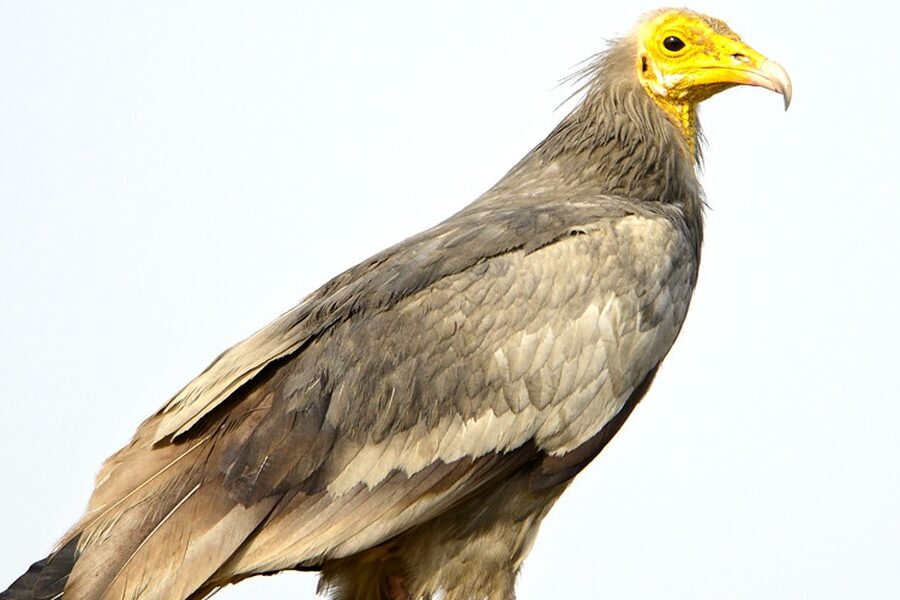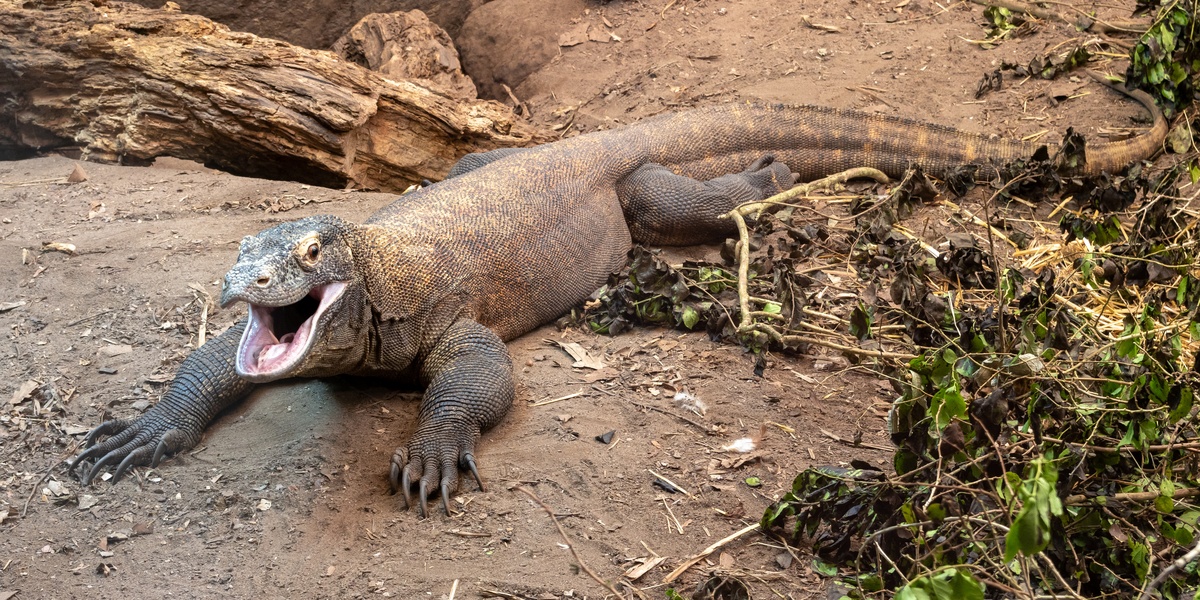
In 1910 a Dutch scientific expedition to Komodo brought the Komodo dragon into the Western scientific spotlight and changed how biologists thought about island megafauna. That single discovery—an island-bound apex predator nearly three metres long—helped spark a century of research and protection that still shapes local economies and global conservation thinking. Indonesia’s wildlife matters because it literally supports people: fisheries, coastal protection, pollination and tourism all depend on a web of species across 17,000+ islands, and the country hosts extraordinary levels of endemism (for example, more than 1,600 bird species are recorded nationally by ornithological authorities). This piece highlights 15 representative species and groups that reveal the scope and stakes of these ecosystems, organized into four themes: iconic megafauna; endemic and rare species; marine and island diversity; and the cultural and economic roles that determine their fate.
Iconic megafauna
Indonesia is home to several large, charismatic animals that draw global attention and funding. These megafauna act as top predators and large-scale seed dispersers, shaping habitats from lowland peat forests to savanna mosaics. Many are endemic and threatened; their IUCN Red List statuses often drive park designations and tourism programs that support local livelihoods.
1. Komodo dragon (Varanus komodoensis)
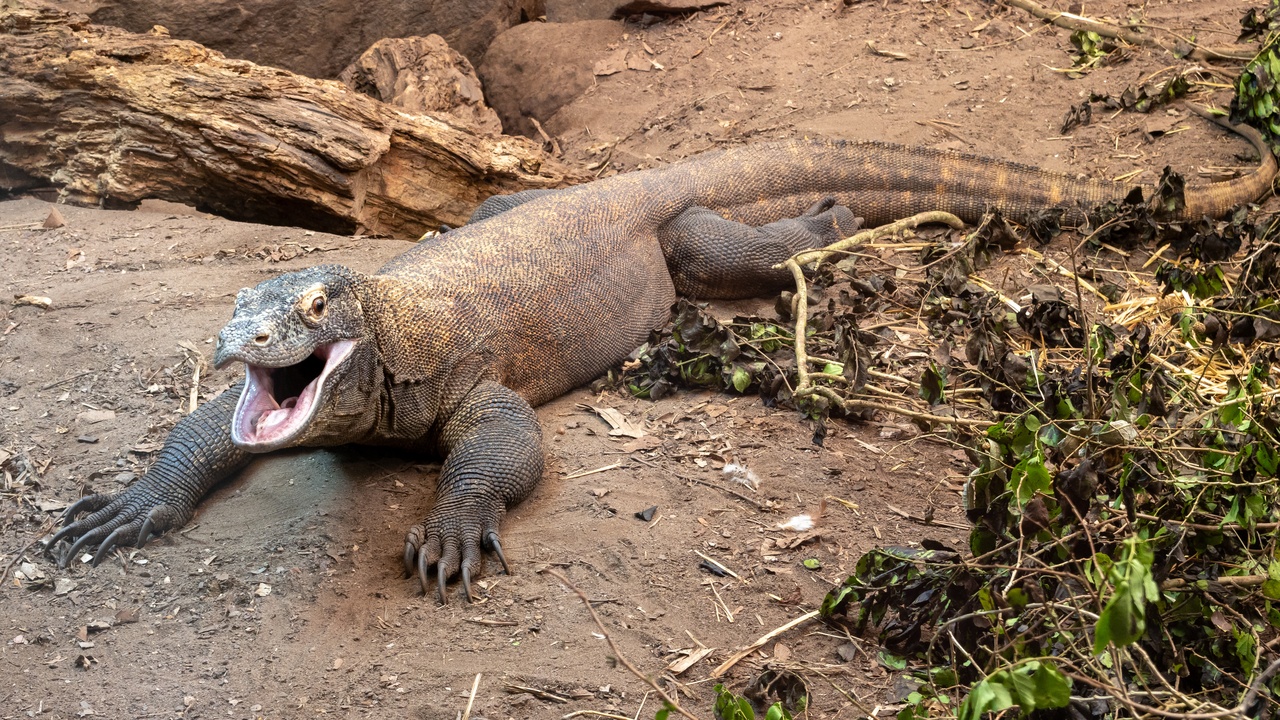
The Komodo dragon is the world’s largest monitor lizard and an emblem of Indonesian wildlife on a global stage. Adults commonly reach close to 3 metres in length and about 70–90 kg, and they occur on a handful of islands including Komodo, Rinca and parts of Flores within Komodo National Park (a UNESCO site).
Komodos are apex predators that scavenge and hunt deer, pigs and smaller reptiles, and they influence prey populations and carcass-driven nutrient cycles. The species is listed as Vulnerable by the IUCN, with threats from habitat change and visitor pressures.
Tourism in Komodo National Park brings tens of thousands of visitors annually, funding ranger patrols and community programs, while ongoing monitoring and local ranger-led research help managers balance visitation with protection (see UNESCO and park reports).
2. Sumatran tiger (Panthera tigris sumatrae)
The Sumatran tiger is a critically endangered subspecies found only on Sumatra, surviving in forested strongholds such as the Leuser Ecosystem and Bukit Barisan Selatan. Recent surveys estimate population sizes in the low hundreds—precise totals are updated frequently by IUCN and conservation partners.
Primary threats include habitat conversion for oil-palm, poaching, and human–wildlife conflict. Conservationists use camera-trap monitoring, community anti-poaching patrols and landscape planning to protect tigers while securing watershed and carbon benefits for people downstream.
Protecting tiger landscapes has wide benefits: intact forest regulates water for agriculture and cities, supports non-timber forest products, and sustains local livelihoods tied to forest health.
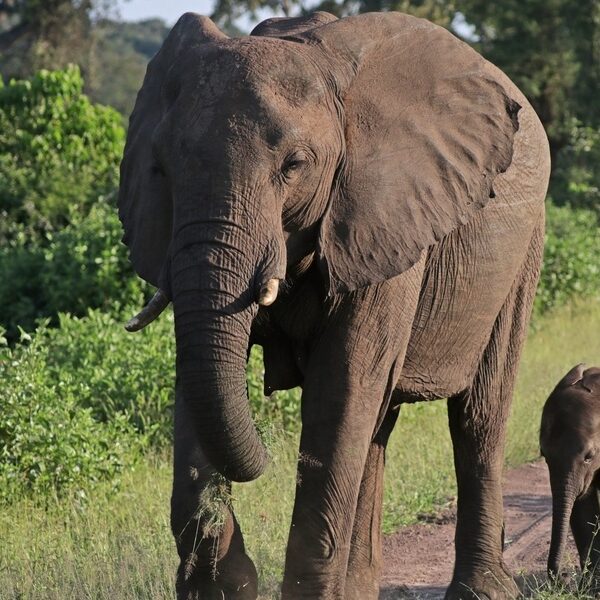
3. Sumatran elephant (Elephas maximus sumatranus)
The Sumatran elephant is a forest-dependent subspecies with a fragmented range across northern and central Sumatra. Population estimates vary by region; authoritative updates are available from IUCN and elephant conservation groups.
Elephants act as major seed dispersers and ecosystem engineers, opening forest gaps that create habitat heterogeneity. Land conversion and isolated populations increase human–elephant conflicts as animals raid crops.
Conservation responses include creating corridors, translocating problem individuals, and community agreements that compensate or deter crop damage—efforts led by NGOs such as WWF and local partners.
4. Javan rhinoceros (Rhinoceros sondaicus)
The Javan rhino is one of the planet’s rarest large mammals and is now restricted to Ujung Kulon National Park on Java. Latest counts by park authorities and conservation bodies place the population under 100 individuals, a number tracked closely by IUCN and the Indonesian government.
Threats today are less from poaching than from catastrophic risks—disease, severe storms or volcanic events—that could affect a single small population. Management focuses on strict protected-area enforcement, habitat management and exploring options for a second, spatially separate population.
International collaboration supports genetic and reproductive research aimed at long-term resilience for this critically endangered species.
Endemic and rare species
Isolation across Wallacea, Sulawesi and New Guinea produced a stunning array of endemics—species found nowhere else on Earth. Those narrow ranges make many animals highly vulnerable, so targeted interventions like captive breeding and local protection are common, and sources such as BirdLife International and IUCN provide vital population updates.
5. Bali myna (Leucopsar rothschildi)
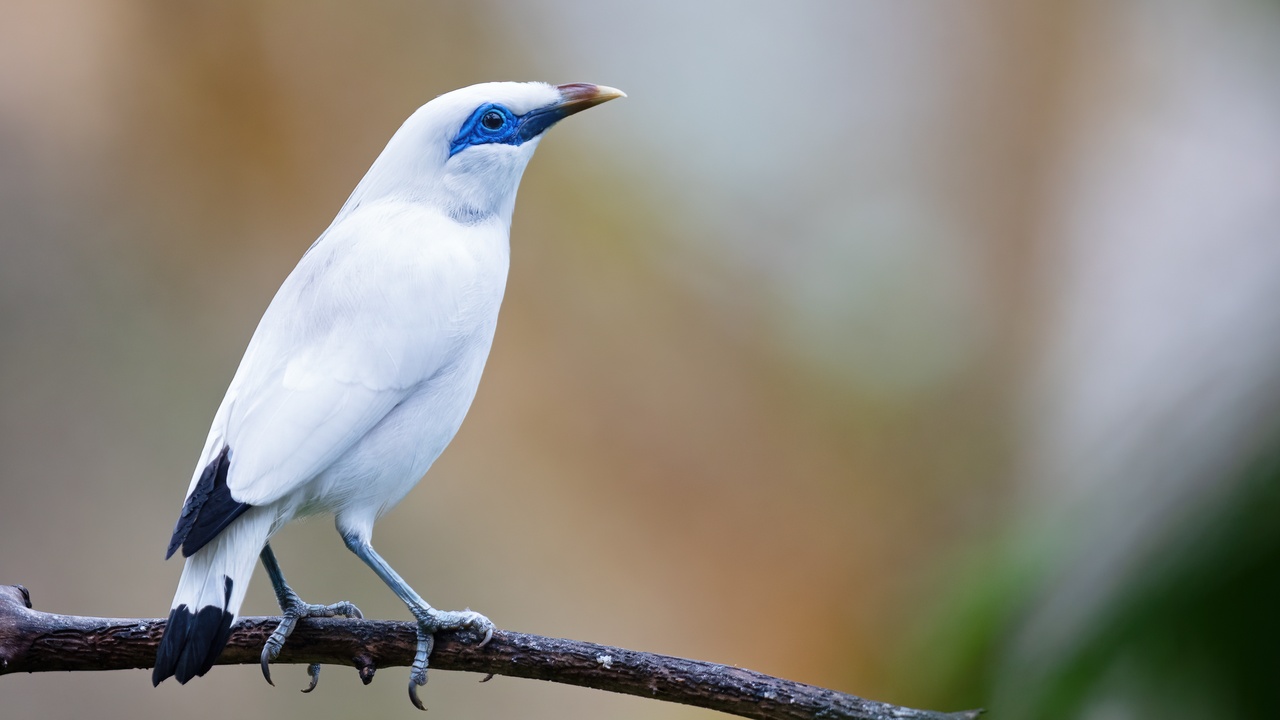
The Bali myna is a striking, all-white starling and a textbook case of intensive recovery work. Once nearly extirpated on Bali by trapping for the cage-bird trade, captive-breeding and reintroduction have raised wild numbers from single digits to coordinated resident groups on Bali and Nusa Penida.
Programs run by BirdLife partners and local NGOs combine captive stock, monitored releases and anti-poaching patrols. Community protection on Nusa Penida and ecotourism earnings help fund nest guards and provide alternative livelihoods.
Authoritative population figures are periodically updated by BirdLife and IUCN; the broader lesson is that focused captive-breeding plus local buy-in can reverse serious declines.
6. Birds-of-paradise (family Paradisaeidae)
Birds-of-paradise are famous for their flamboyant plumage and elaborate courtship displays, with roughly 40+ recognized species concentrated in New Guinea and the neighboring islands of eastern Indonesia. Many species are highly range-restricted and central to local cultural expression.
These birds help disperse fruit seeds and are a major draw for specialized birdwatching tourism, which supports local guides and lodges in Papua. Conservationists work with communities and lodges to protect display grounds and key fruiting trees.
Species such as Wilson’s bird-of-paradise are flagship examples for habitat protection and sustainable tourism in the region.
7. Sulawesi endemics: tarsiers and macaques
Sulawesi’s long isolation yielded odd and wonderful mammals: nocturnal tarsiers with huge eyes and the Celebes crested macaque with its glossy black coat and prominent crest. Many of these species have tiny, fragmented ranges and specialized diets or habitat needs.
Tangkoko Batuangus Nature Reserve is a well-known place to see tarsiers and crested macaques, and responsible wildlife-watching there brings income to guides and villages. Hunting and forest clearing remain the main threats, so protected areas and local education are essential.
Conservation partnerships that combine reserve enforcement with community benefits have kept some Sulawesi populations viable despite ongoing pressures.
8. Babirusa (Babyrousa spp.) — the ‘pig-deer’
Babirusa are distinctive wild pigs known for their upward-curving tusks that can pierce the skull—an astonishing evolutionary quirk. Different Babyrousa species occur across Sulawesi and nearby islands, and their conservation statuses vary by island (consult IUCN listings for specifics).
Hunting for meat and habitat loss threaten babirusa, while responsible wildlife tourism and protected reserves help. Protecting babirusa also conserves forest patches that benefit many other endemic species.
Examples of occurrence include Tangkoko and other Sulawesi reserves where guided visits allow locals to earn income while minimizing hunting.
Marine and island biodiversity

Indonesia sits at the heart of the Coral Triangle and spans more than 17,000 islands, giving it unmatched marine and island biodiversity. Coral reefs, pelagic hotspots and tiny island specialists all support fisheries, tourism and coastal protection, so safeguarding these systems has direct economic and food-security value.
9. Raja Ampat coral reef communities
Raja Ampat in West Papua is among the richest marine areas on Earth. Surveys by organizations such as Conservation International and WWF cite figures often exceeding 600 coral species and more than 1,300 reef fish species in the broader region.
These reefs serve as nurseries, support small-scale fisheries, and attract dive tourism that fuels local businesses. Community-managed marine protected areas, paired with scientific monitoring, are central to maintaining reef health and tourism value.
Dive-operator partnerships and citizen-science surveys have contributed to better zoning and income-sharing schemes for coastal communities.
10. Whale sharks and large pelagics (Cenderawasih Bay)
Cenderawasih Bay and other Indonesian waters host seasonal aggregations of whale sharks and other large pelagics, offering unique research and tourism opportunities. Tagging projects in Cenderawasih have revealed migration routes that connect coastal foraging areas to wider oceanic habitats.
These aggregations are fragile: bycatch in fisheries and boat strikes are real threats. Local dive-operator codes of conduct, protected zones and science-based visitor protocols reduce disturbance and improve safety for both animals and people.
Responsible whale-shark tourism brings revenue to communities and supplies data for conservation through permits and researcher collaborations.
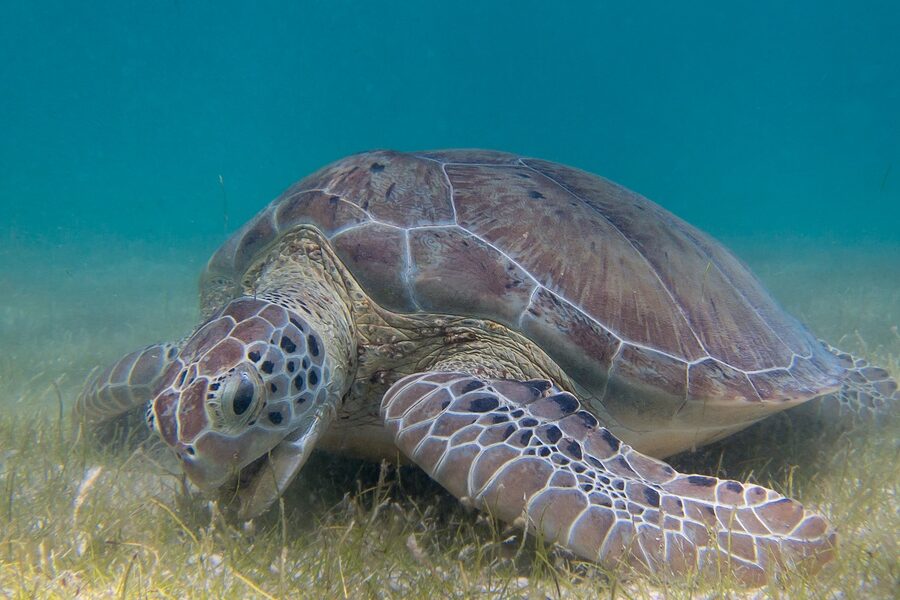
11. Sea turtles and nesting beaches
Indonesia is a major nesting ground for green, hawksbill, olive ridley and leatherback turtles, with important sites on Sumba, Java, Sulawesi and many smaller islands. Local beach counts and protected-area reports provide site-specific nest estimates that help guide protection work.
Community patrolling and nest-relocation programs increase hatchling survival, and turtle rehabilitation centers offer care for injured animals. These efforts intersect with fisheries management and coastal tourism, so coordinated local action matters.
Successful programs combine conservation fees, monitoring data and alternative livelihoods to reduce egg harvesting and nighttime disturbance.
12. Island-specialist birds and reptiles
Many small islands host highly specialized kingfishers, parrots and skinks that evolved with no mammalian predators. Invasive rats and feral cats can decimate nesting birds, so eradication programs and reforestation have become priority actions on several islands.
Successful island restoration often includes rat control, predator-proof fencing and native-plant replanting. Case studies show measurable recoveries when these measures are sustained.
Restoration outcomes—return of nesting seabirds or increased native reptile sightings—illustrate how targeted interventions restore ecosystem function and local tourism value.
Conservation, cultural and economic roles
Wildlife in Indonesia is tightly woven into human lives: it supports fisheries, fuels nature-based tourism, and features in religious and cultural practices. Protecting species delivers measurable ecosystem services and cash income, but success depends on governance, funding and genuine local partnerships.
13. Ecotourism and livelihoods
Charismatic species drive tourism—diving in Raja Ampat and visits to Komodo National Park bring tens of thousands of visitors annually and create guide, boat and homestay jobs. Official park statistics and tourism reports provide specific visitor numbers and revenue flows used to support rangers and community projects.
When managed well, entrance fees and community homestays channel funds to local people and enforcement. But unplanned growth can exceed carrying capacity, so benefit-sharing and visitor limits are vital to avoid habitat damage.
Examples include community-run homestays in Raja Ampat and park-fee-funded ranger salaries in Komodo that help align conservation with income generation.
14. Cultural significance and traditional knowledge
Cultural ties shape how communities treat wildlife: some animals are protected by customary taboos, while others are hunted for ritual use. Komodo features in local folklore and ceremonies, and those traditions—when aligned with modern conservation—can protect habitats effectively.
Integrating elders’ ecological knowledge with scientific monitoring improves management plans and builds trust. Co-management arrangements that give communities a voice tend to be more durable than top-down approaches.
Practical examples include community guardianship of turtle nesting beaches and indigenous-led monitoring in Papua’s bird-of-paradise areas.
15. Conservation success stories and ongoing challenges
There are demonstrable wins: the Bali myna’s recovery through captive-breeding and reintroduction, expanded MPAs in parts of Raja Ampat, and improved enforcement in some tiger and rhino landscapes. These results often show up as increased nest counts, rising visitor revenues tied to managed tourism, or reduced poaching incidents documented by park authorities.
Yet deforestation rates, illegal wildlife trade and climate change remain major threats. Measurable conservation progress requires sustained finance, strong policy and the active participation of local people and NGOs such as WWF, IUCN and national park agencies.
Success is possible, but it needs long-term commitment and realistic, community-centered strategies that balance protection with livelihoods.
Summary
- Biodiversity across Indonesia is unusually rich and highly endemic, with many species found only on single islands or in narrow ecosystems.
- Flagship megafauna—Komodo dragons, Sumatran tigers, Javan rhinos and elephants—anchor conservation funding and provide broad ecosystem benefits when landscapes are protected.
- Marine and island systems (Raja Ampat, Cenderawasih, nesting beaches) sustain fisheries and tourism; community-managed MPAs and responsible visitor practices make a measurable difference.
- Conservation works when it combines science, traditional knowledge and fair economic incentives—supporting both species and people. Learn more about the fauna of Indonesia through reputable groups like IUCN, WWF and UNESCO-listed park reports and consider contributing to locally led conservation efforts.