In 1973 Hungary designated Hortobágy as a national park, a move that signaled a growing national interest in protecting the native plants and landscapes that had supported rural life for centuries. That decision helped spark the framework that now includes 10 national parks and a patchwork of reserves safeguarding forests, wetlands, and the Pannonian steppe. The flora of Hungary matters because plants are the foundation of food webs, hold soil and water in place, and carry cultural traditions—herbal teas, mushroom foraging, and seasonal festivals—that connect people to place. This piece uses eight concrete examples to show how temperate plants shape ecosystems, livelihoods, and conservation priorities: first we’ll look at keystone trees and understory species, then grassland specialists, then ways people use plants, and finally how science and protected areas help these species persist. I still remember finding a patch of pasque flowers on a Sunday walk—small moments like that explain why this matters to everyday life.
Ecological Roles in Temperate Habitats
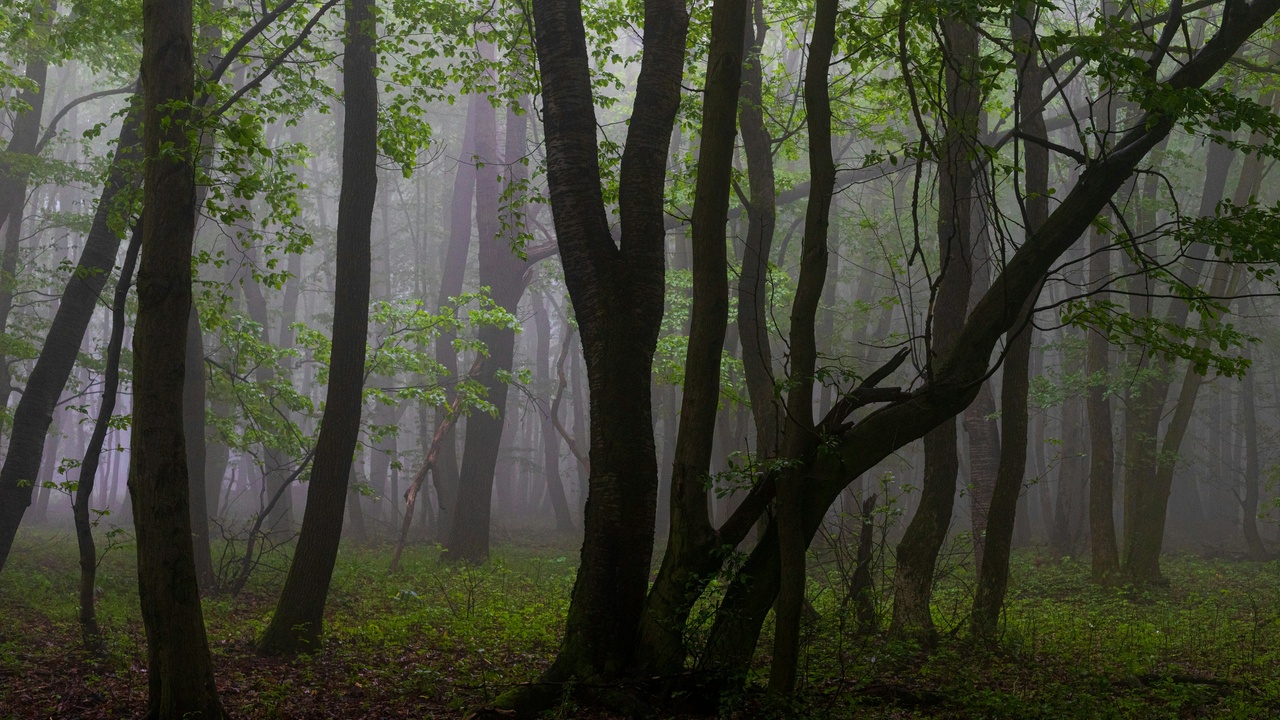
Temperate forests and grasslands form the structural backbone of Hungary’s landscapes, with forest cover standing at roughly 20–25% of the country’s land area and protected tracts found inside national parks and reserves. The next three examples show how canopy architects, spring understory plants, and Pannonian steppe species each play distinct ecological roles that keep pollinators fed, soils stable, and wildlife abundant.
1. Dominant Canopy Trees: Oak and Beech as ecosystem architects
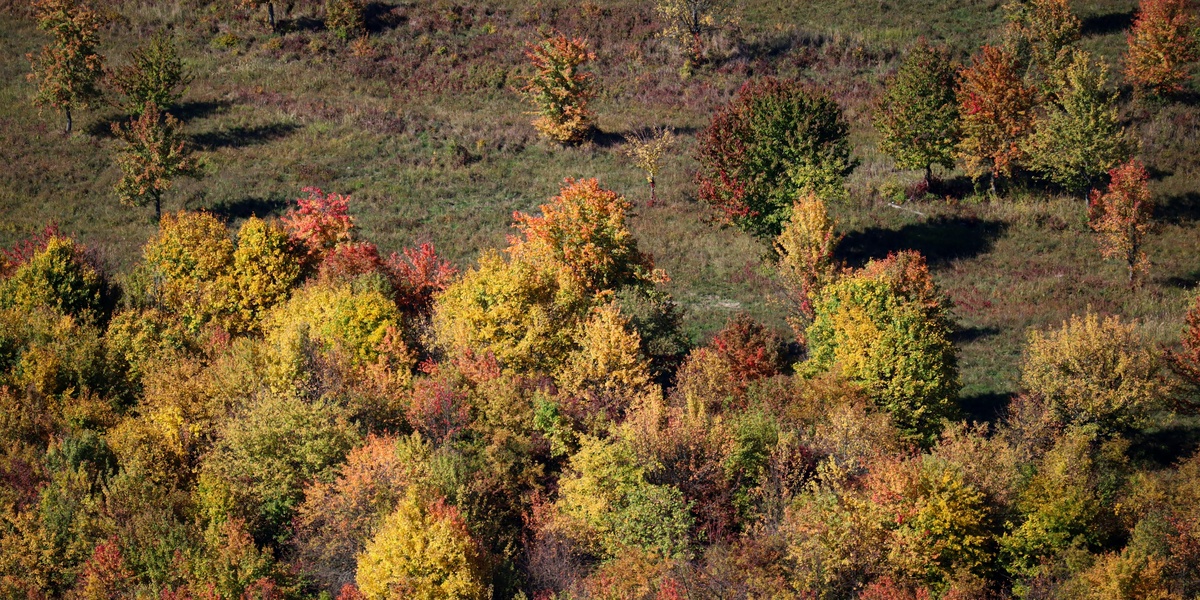
Quercus species (most commonly Quercus robur and Quercus petraea) and Fagus sylvatica form the dominant canopy in large swathes of Hungary’s temperate woodlands, and they act as ecosystem architects by shaping light, soil, and microclimate for the entire community beneath them.
These trees support hundreds of insect species, from leaf-chewing caterpillars to specialist beetles, and they provide mast crops—acorns and beechnuts—that feed birds and mammals through winter. Mature temperate trees commonly store on the order of several hundred kilograms to a few tonnes of carbon apiece over decades, so old oak and beech stands are important carbon reservoirs as well as habitat.
Landscape examples include the oak-dominated stands of the Transdanubian Hills and the beech woodlands of the Northern Hills, both of which host distinct understory communities and breeding bird assemblages. When canopy trees are lost—due to logging, disease, or land-use change—the understory dries out, spring ephemerals decline, and soil structure loosens, reducing capacity to retain water and support biodiversity.
2. Understory Wildflowers: Spring ephemerals and pollinator resources
Understory species such as Convallaria majalis (lily of the valley), early woodland bulbs, and spring ephemerals flower in March–May before the canopy closes, offering concentrated nectar and pollen resources for emerging pollinators.
These plants signal healthy forest cycles: a robust spring display usually indicates intact soil layers, appropriate light windows, and minimal disturbance. Gardeners and park visitors prize these seasonal shows, and guided spring wildflower walks at local reserves draw ecotourists during the short bloom window.
Seeing a thick carpet of anemones, lilies, or celandine in a beech wood shows that the ecosystem’s timing is intact—and when those phenological windows shift, it can mean mismatches between flowers and pollinators that ripple through bird and mammal populations.
3. Grassland and Steppe Elements: Pannonian endemics and prairie-like communities
The Pannonian grasslands and steppe remnants—best seen on the Hortobágy puszta and in parts of Kiskunság—host a suite of specialist plants adapted to dry, open conditions that you won’t find in closed-canopy forests.
One emblematic species is Pulsatilla pratensis, the pasque flower, which thrives in short, grazed grassland and is locally rare where traditional grazing has ceased. These communities rely on grazing or mowing to prevent scrub encroachment; without that management they convert to shrubland and lose characteristic flowers and associated insects.
Beyond biodiversity, Pannonian grasslands provide cultural landscapes shaped by pastoralism and offer tourism value—visitors come for panoramic squarish skies, birdlife, and seasonal blooms—making sensible grazing regimes both an ecological and an economic priority.
Cultural and Economic Uses

Temperate plants enter Hungarian daily life in many ways: as herbal remedies and teas, as timber for furniture and flooring, and as wild foods sold at markets or used in home kitchens. The next three examples show how herbs, forest products, and foraged foods support livelihoods, identity, and seasonal economies.
4. Medicinal and Culinary Herbs: Traditional plant uses still in practice
Plants like Matricaria chamomilla (chamomile) and Hypericum perforatum (St John’s wort) remain staples of home remedies and small herbal businesses across Hungary, sold as dried teas, tinctures, or sachets at local markets.
Small producers and cooperatives harvest, dry, and package herbs for domestic consumption and niche export, and many family farms add value by selling mixed tea blends at farmers’ markets in towns such as Budapest and Debrecen. These products can represent meaningful extra income for rural households and keep traditional knowledge alive.
For consumers, locally sourced herbal products offer traceability and a living connection to seasonality: you can smell the chamomile and know it was grown nearby rather than imported from thousands of kilometers away.
5. Forestry and Timber: Woodlands that support industry and crafts
Oak and beech support woodworking traditions in Hungary—local sawmills and artisan furniture makers turn durable timbers into flooring, tables, and cooperage, while small-scale craftspeople rely on steady, locally sourced wood supplies.
Beyond timber products, healthy woodlands provide flood-mitigation and erosion-control services at landscape scales, and they sustain jobs in rural communities through logging, milling, and carpentry. Towns with long woodworking histories often host guilds or workshops that pass skills between generations.
Supporting well-managed, locally owned timber value chains keeps money in rural areas and incentivizes long-term stewardship of mature stands that are otherwise vulnerable to clearance.
6. Foraging and Food Culture: Mushrooms, berries, and seasonal harvests
Foraging remains a widespread practice: Boletus edulis (porcini) is a prized seasonal find, while Sambucus nigra (elderberry) and Prunus spinosa (sloe) provide berries for syrups, jams, and spirits.
Weekend mushroom walks draw locals and tourists alike, and regional markets can feature freshly foraged mushrooms during autumn. For many families, seasonal harvests translate into jars of preserves for winter and small sales at market stalls.
Foraging is regulated: collectors are expected to follow local rules about protected species and landowner permission, and basic identification skills are essential for safety. Organized festivals and guided forays are a great way for newcomers to learn without risk.
Conservation, Science, and Climate Resilience

Protected areas, scientific monitoring, and restoration projects together aim to secure the region’s plant life. The flora of Hungary is conserved through 10 national parks, Natura 2000 sites, seed-bank efforts, and university and garden-based research that informs adaptive management.
7. Protected Areas and Endemic Preservation
National parks (including Hortobágy and Kiskunság) plus Natura 2000 designations are the frontline tools for protecting temperate and Pannonian flora, and they combine habitat protection with active management such as controlled grazing, mowing, and invasive-species control.
One success story is the maintenance of steppe meadows through traditional grazing regimes on the puszta, which has kept pasque flower populations viable where those practices persist. Local NGOs and reserve staff coordinate grazing plans and public outreach to keep traditional land uses compatible with conservation goals.
Still, challenges remain: fragmented habitat, agricultural intensification at margins, and the cost of long-term management mean that protected status alone is rarely sufficient—active stewardship and community engagement are essential.
8. Research, Monitoring, and Climate Indicators
Botanists and ecologists use plant phenology, range shifts, and population trends as practical indicators of climate change and habitat health. Hungarian universities and institutions such as Eötvös Loránd University and the Hungarian Natural History Museum contribute long-term records and targeted studies that reveal changes in flowering times and species distributions.
These data feed restoration plans, inform when managers should change grazing or mowing regimes, and help predict pest or disease outbreaks that follow warmer winters. Seed banks and living collections in botanical gardens preserve genetic diversity for future restoration work.
Citizens can help by taking part in phenology projects, reporting spring sightings, or planting native species in gardens and public spaces—practical actions that feed into larger datasets and give managers better information to respond to change.
Summary
- Oak (Quercus spp.) and beech (Fagus sylvatica) stand at the center of forest ecosystems, providing carbon storage, habitat, and microclimate regulation that sustain understory plants and wildlife.
- Pannonian grasslands—like the Hortobágy puszta—host specialist species such as the pasque flower and depend on traditional grazing or mowing to remain biodiversity-rich.
- Herbs, timber, and wild foods (chamomile, St John’s wort, porcini, elderberry) link plants to rural incomes, markets, and seasonal culinary traditions.
- Conservation relies on active management in 10 national parks and numerous reserves, complemented by seed banks, botanical gardens, and university research that track change and guide restoration.
- Get involved: visit a reserve on a guided wildflower walk, join a phenology citizen-science project, or plant native species in your garden to support pollinators and local biodiversity.