Jackals have been referenced in human stories for millennia — ancient Egyptian texts and African folktales alike — yet researchers only began detailed field studies in the 20th century, revealing surprising ecological roles. Studies since the 1950s and later fieldwork reported in sources like the IUCN Red List, the Journal of Mammalogy, and National Geographic helped shift our view from trickster in folklore to important mesopredator.
This article breaks down 10 defining characteristics of a jackal that explain its survival success, ecological role, and interactions with people. You’ll find these characteristics organized into four clear categories: physical traits, behavior and social structure, ecology and diet, and human interactions and conservation. Each section uses species examples — golden jackal, black-backed jackal, and side-striped jackal — and points to practical implications for coexistence and management.
Physical Characteristics
Jackal morphology supports both hunting and long-distance travel in open habitats. Typical body measurements, fur patterns, and dental adaptations together enable versatile foraging and camouflage across varied landscapes.
1. Slender build and long legs
Jackals have a slim body and relatively long limbs that favor endurance and quick bursts of speed when needed. Typical body length ranges from about 50–85 cm and weights generally fall between 6–14 kg (golden jackal averages near 7–14 kg), measurements that support both pursuit of small prey and long-distance scavenging. Field tracking and telemetry show individuals often move several kilometres each night and may cover 5–20 km over a 24-hour period while foraging. Compared with foxes, many jackals have proportionally longer legs that help them traverse open savanna and scrub efficiently, a point noted in comparative species accounts such as Mammal Species of the World and National Geographic profiles.
2. Fur coloration and seasonal coat changes
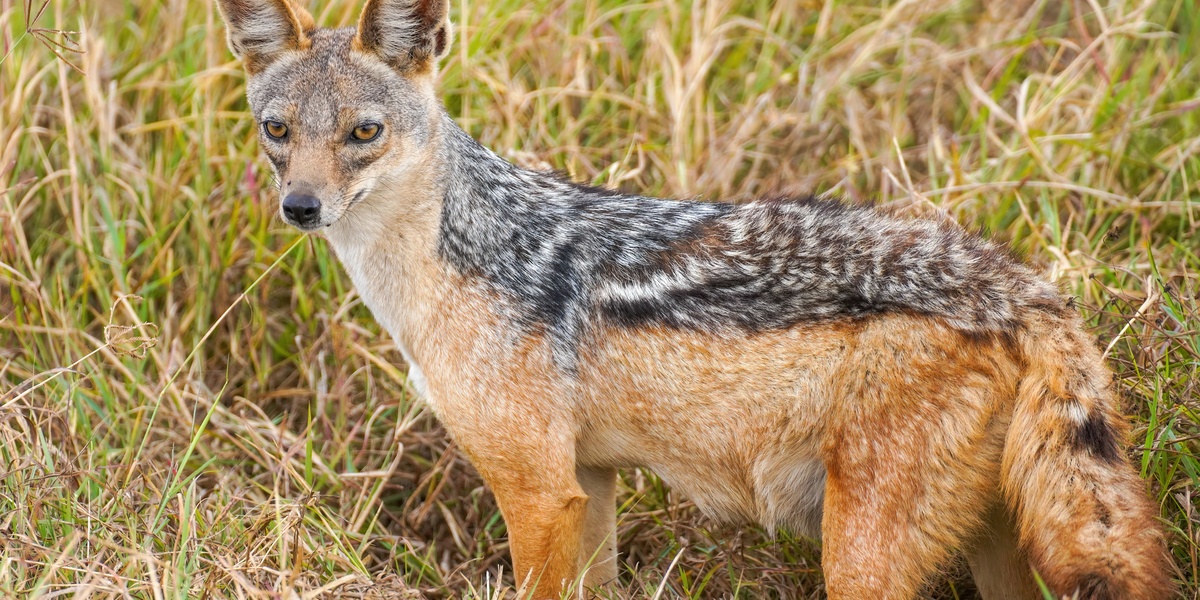
Coat color varies markedly by species and habitat: golden-brown tones in Canis aureus, a dark dorsal saddle on the black-backed jackal (Canis mesomelas), and grizzled grey in the side-striped jackal (Canis adustus). Temperate populations often grow a thicker underfur in winter and molt in late spring to early summer (roughly April–June), which improves insulation then returns a lighter summer coat for heat management. These patterns provide effective camouflage against grasses, rocky ground, or mixed woodland, helping jackals both stalk prey and avoid detection by larger predators.
3. Dentition and jaw strength
Jackal teeth reflect an opportunistic, largely carnivorous toolkit: prominent carnassials slice meat, while robust premolars and molars handle crushing of bones and plant material. Bite force relative to body size is sufficient for rapid killing of small vertebrates and for breaking into carcasses; observational studies report jackals scavenging large ungulate remains and gnawing at marrow. Wear patterns on canines and premolars (documented in comparative dental studies) show frequent use on tough tissue and occasional bone consumption, supporting a diet that spans fresh kills, carrion, insects, and fruit.
Behavior and Social Structure
Jackal social systems range from stable monogamous pairs to small family groups and occasional larger assemblages. Social organization influences territory size, reproductive success, and how groups respond to resource variability.
4. Monogamous pair bonds and family groups
Many jackal species form long-term pairs that defend territories and cooperate in raising pups. Typical litter sizes are often 2–6 pups, with both parents provisioning and guarding young. In some populations older offspring or related helpers contribute to pup rearing, a behaviour documented in African and Eurasian field studies. Strong pair bonds and cooperative rearing can speed population recovery after disturbance but also influence disease transmission dynamics within family units.
5. Vocalizations and scent-marking for territory
Jackals use a rich mix of yelps, howls, and short barks plus urine and fecal scent marks to delineate territories and coordinate social life. Acoustic surveys observe calling peaks at dawn and dusk when pairs or family groups reinforce boundaries, and territory sizes reported in studies range from about 1–20 km² depending on habitat productivity. Researchers use acoustic monitoring and camera traps to map territories and note how scent-marking helps avoid costly fights and maintain group cohesion.
6. Opportunistic hunting and scavenging tactics
Jackals are opportunists: they actively hunt small mammals, birds, and reptiles, take insects and fruits, and scavenge larger carcasses when available. Diet composition varies seasonally and geographically; some studies report small mammals making up 30–60% of biomass consumed while carrion and anthropogenic foods fill the remainder. Hunting methods include solitary stalking, coordinated pair hunting, and kleptoparasitism—stealing from larger predators at carcasses. This flexibility allows jackals to thrive in human-altered landscapes where predictable, low-cost food sources exist.
Ecology and Diet
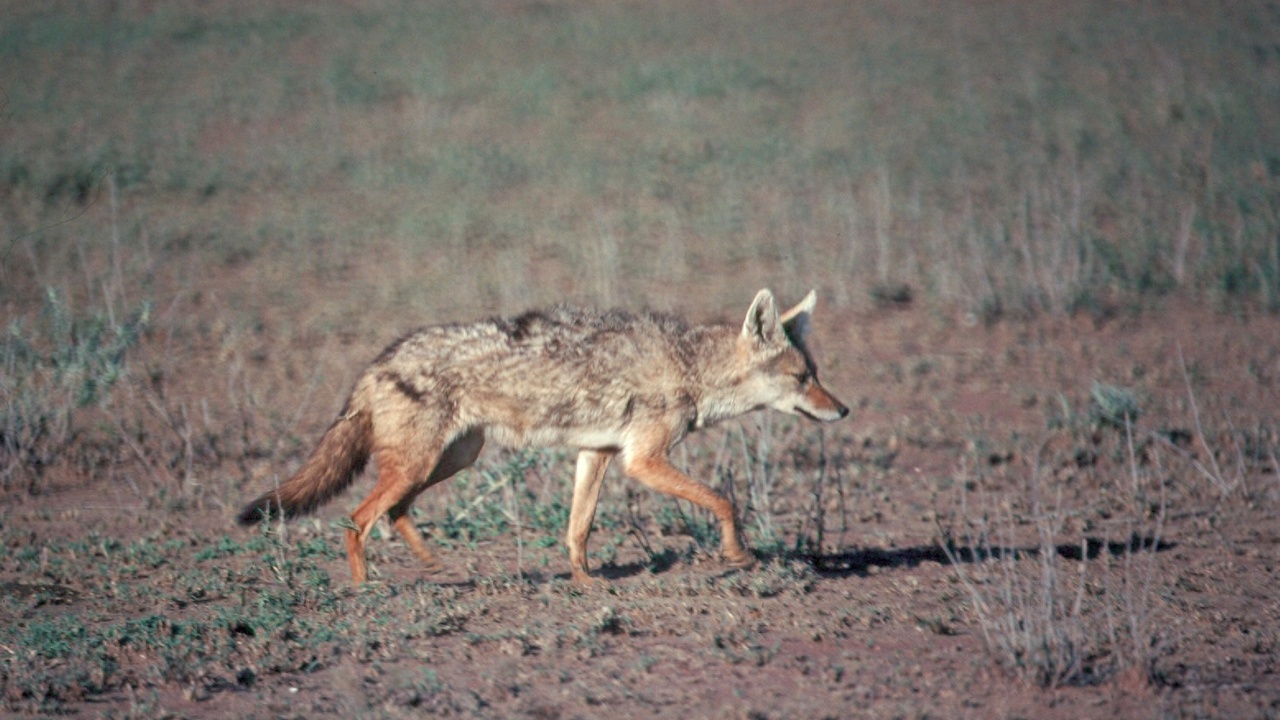
Among the characteristics of a jackal is dietary flexibility that links trophic levels: these mid-sized canids eat animal prey, fruit, and carrion, and in doing so they both disperse seeds and help clean up carcasses.
7. Omnivorous and scavenging diet
Jackals consume a broad mix of small mammals, birds, reptiles, insects, fruit, and carrion. Diet studies often show a seasonal mix—small mammals and birds dominate when abundant, while fruits and insects can be important in lean months. In some populations small mammals constitute 30–60% of dietary biomass, with scavenged matter and plant foods filling the rest. By removing carcasses jackals can reduce pathogen persistence at carcass sites, and by eating fruit they assist seed dispersal—roles highlighted in IUCN species accounts and ecological reviews.
8. Habitat flexibility and wide geographic range
Jackals occupy diverse habitats across Africa, the Middle East, and much of Eurasia, from savanna and scrub to semi-desert and agricultural edges. The golden jackal’s range has expanded into southeastern and central Europe over recent decades (noted from roughly the 1970s onward, accelerating in the 1990s–2000s), demonstrating resilience to habitat change. This capacity to exploit edge and human-dominated environments increases contact with people but also contributes to the species’ ability to persist where larger predators decline.
Human Interactions and Conservation

Human views of jackals range from mythic respect to conflict-driven persecution. Issues include livestock depredation, zoonotic disease concerns, and conservation status that varies by species and region, with both stable populations and local declines reported.
9. Role as a mesopredator and disease regulator
As a mesopredator, jackals influence smaller prey such as rodents and the dynamics of scavenger communities. Field studies show active jackal populations can lower local rodent abundance and speed carcass removal, which in turn may reduce opportunities for pathogen amplification at carcass sites. That said, jackals also interact with pathogens themselves—acting as reservoirs in some contexts—so their net effect on disease ecology can be complex and site-specific, a topic explored in ecological reviews and pathogen surveys.
10. Conservation status and human conflict
At the species level many jackals are listed as Least Concern on the IUCN Red List (for example, golden jackal, black-backed jackal, and side-striped jackal) but regional declines occur due to habitat loss, poisoning, and persecution. Conflict drivers include real and perceived livestock predation and rabies fears; documented declines often follow poisoning campaigns. Practical mitigation measures that reduce conflict include secure livestock enclosures, use of guardian animals (dogs), improved carcass disposal, and vaccination programs—approaches supported by community-based examples and conservation guidelines.
Summary
Jackals combine a set of physical, behavioral, and ecological traits that make them highly adaptable across a range of environments. Their slender, long-legged bodies and versatile dentition support active hunting and scavenging. Socially, many form stable monogamous pairs and family groups, using vocalizations and scent to maintain territories and coordinate care of 2–6 pups. As omnivores and scavengers they link trophic levels—consuming small mammals, fruits, insects, and carrion—while providing ecosystem services like seed dispersal and carcass cleanup. Human interactions are mixed: cultural significance and ecological benefits sit alongside conflict over livestock and disease concerns. Conservation status varies by region, so locally tailored mitigation (secure enclosures, guardian animals, vaccination) and continued monitoring are key.
- Adaptability: physical agility plus dietary flexibility let jackals exploit varied habitats and food sources.
- Social structure: monogamous pairs and family groups promote pup survival and influence population resilience.
- Ecological role: as mesopredators and scavengers they affect prey populations, disperse seeds, and help remove carcasses.
- Coexistence priorities: secure livestock management, community engagement, and evidence-based monitoring reduce conflict and support conservation.