Tropical and subtropical rainforests support a surprising variety of small mammals that are easy to overlook but important to ecosystem function. From leaf litter to low canopy, several mouse species specialize in different microhabitats and behaviors across the forest belt.
There are 9 Rainforest Mice, ranging from the Atlantic Forest climbing mouse to Tullberg’s soft-furred mouse. For each species the data are organized as Scientific name,Range & habitat,Size (cm) weight (g), which you’ll find below.
How can I tell these rainforest mice apart in the field?
Look for a mix of traits: size and weight, tail length and fur texture, and preferred microhabitat (ground, understory, or canopy). Many are nocturnal and shy, so combine visual cues with location and habitat notes rather than relying on a single feature.
Are any of these species at conservation risk and what actions help?
Conservation status varies by species and region; habitat loss and fragmentation are common threats. Check IUCN listings for specifics, support native-forest protection efforts, and avoid disturbing nests—local conservation groups often have the best guidance.
Rainforest Mice
| Name | Scientific name | Range & habitat | Size (cm) weight (g) |
|---|---|---|---|
| MacConnell’s climbing mouse | Rhipidomys macconnelli | Amazon (Brazil, Peru, Bolivia); understory & low canopy | 14 cm, 60 g |
| Atlantic Forest climbing mouse | Rhipidomys mastacalis | Brazil Atlantic Forest; understory & mid-canopy | 15 cm, 70 g |
| Short-nosed spiny mouse | Scolomys melanops | Western Amazon; forest floor & leaf litter | 11 cm, 35 g |
| Golden Oldfield mouse | Thomasomys aureus | Andean cloud forests (Ecuador, Peru); understory | 16 cm, 55 g |
| Pencil-tailed tree mouse | Chiropodomys gliroides | Southeast Asia (India to Borneo); understory & bamboo stands | 10 cm, 15 g |
| Tullberg’s soft-furred mouse | Praomys tullbergi | West and Central Africa; rainforest floor & understory | 10 cm, 25 g |
| Stella wood mouse | Hylomyscus stella | Central African rainforests; understory & low branches | 9 cm, 15 g |
| Luzon forest mouse | Apomys gracilirostris | Philippines (Luzon); montane rainforest floor | 13 cm, 45 g |
| Moss mouse | Pseudohydromys murinus | New Guinea montane rainforests; mossy leaf litter | 8 cm, 12 g |
Images and Descriptions

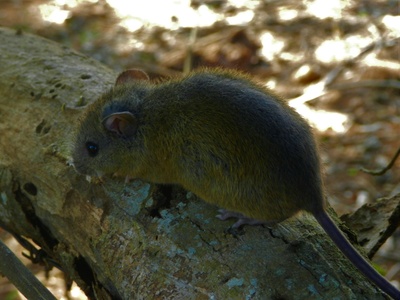
MacConnell’s climbing mouse
Nocturnal omnivore eating fruit, seeds and insects; builds nests in tree cavities. IUCN: Least Concern. Agile and arboreal, it forages in understory and low canopy of Amazonian rainforest, using branches and lianas to move.
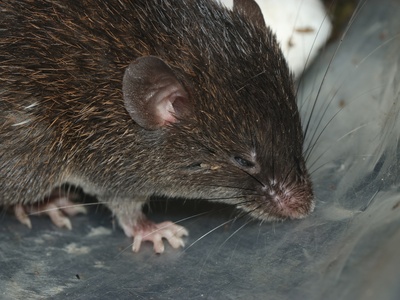
Atlantic Forest climbing mouse
Primarily nocturnal and omnivorous, eating fruit, seeds and arthropods. IUCN: Least Concern. Endemic to Brazil’s Atlantic Forest, it’s a skilled climber with a long tail for balance and sensitive to habitat fragmentation.
Short-nosed spiny mouse
A small forest-floor mouse feeding on insects and seeds in leaf litter. IUCN: Data Deficient. Notable for spiny, stiffened hairs on its back that may deter predators; secretive and poorly known from lowland rainforest.
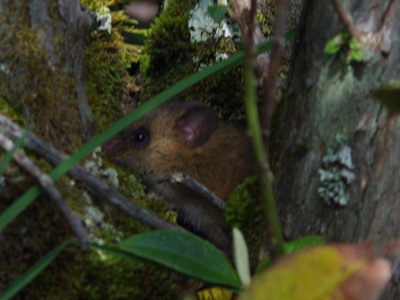
Golden Oldfield mouse
A cloud-forest specialist, largely nocturnal and omnivorous, eating insects and fruits. IUCN: Least Concern. Dense soft fur and long tail help it navigate dense understory; presence often indicates intact montane forest.
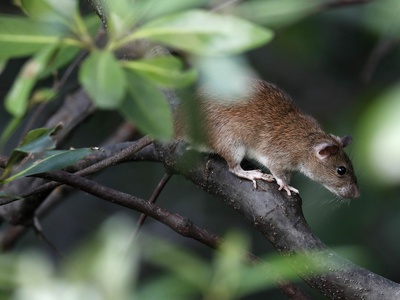
Pencil-tailed tree mouse
Tiny arboreal mouse nesting in bamboo and tree hollows, feeding on seeds, fruits and insects. IUCN: Least Concern. Remarkable for a grasping tail and strong climbing adaptations in tropical lowland rainforest.
Tullberg’s soft-furred mouse
Forest-floor omnivore eating fruits, seeds and invertebrates. IUCN: Least Concern. Known for soft dense fur and nocturnal habits; commonly captured in understory surveys of African rainforests.
Stella wood mouse
Small nocturnal wood mouse feeding on insects and fruit. IUCN: Least Concern. An agile climber that nests in foliage or tree holes, often indicating healthy understory structure in moist rainforest.
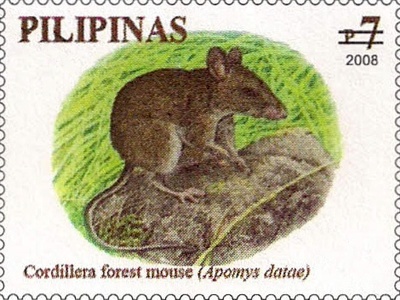
Luzon forest mouse
Philippine forest mouse feeding on earthworms, insects and seeds. IUCN: Vulnerable. Endemic to Luzon montane rainforest with a long snout and restricted range, making it vulnerable to deforestation.
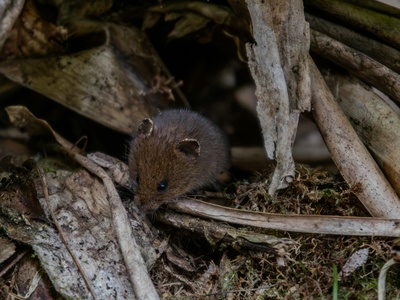
Moss mouse
Tiny shrew-like mouse that is insectivorous and secretive. IUCN: Data Deficient. Specializes in mossy, wet leaf litter near streams; notable for small size and cryptic montane-forest habits.