Table of contents
- TL;DR
- The fruit landscape of Lesotho
- Common fruits grown in Lesotho
- Wild and indigenous fruit plants
- Seasonality and growing conditions
- Why fruits matter in Lesotho
- Summary
TL;DR
Lesotho’s fruit scene is shaped by altitude, cold nights, and a short growing season. Apples, peaches, pears, plums, apricots, and grapes can do well in the country’s cooler highland zones, while subtropical fruits are much harder to grow reliably. In gardens and farms, most of the practical action is in hardy temperate fruit rather than tropical produce.
The fruit landscape of Lesotho
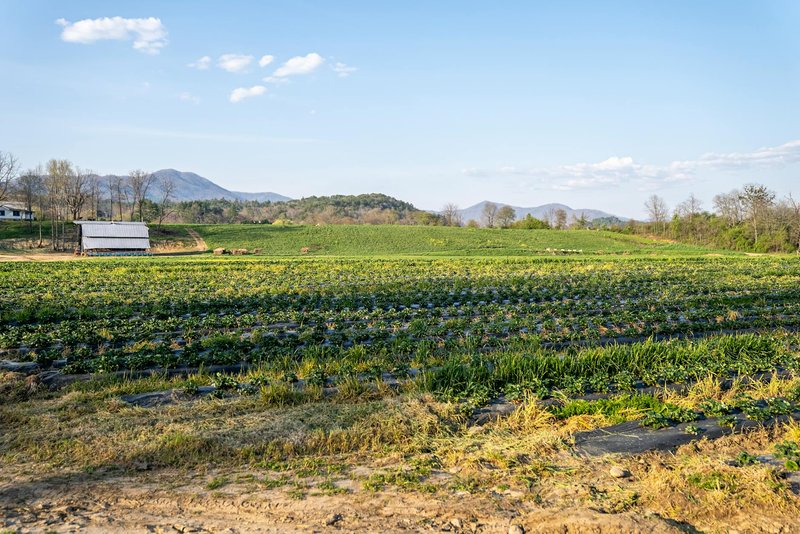
Lesotho sits high in the mountains, and that changes everything. Much of the country is cool, sunny, and exposed, with frost in many areas and a growing season that doesn’t mess around. That means the fruits of Lesotho are not the same kind of lineup you’d see in a tropical country. You’re more likely to find orchard fruit, small-scale home gardens, and hardy crops that can tolerate altitude.
The country’s elevation gives it a climate that can work in favor of certain temperate fruits. Apples and stone fruits like peaches and plums can perform well in the right locations, especially where farmers have access to water and some protection from late frosts. Lower areas and sheltered valleys usually do better than wind-battered slopes.
Common fruits grown in Lesotho
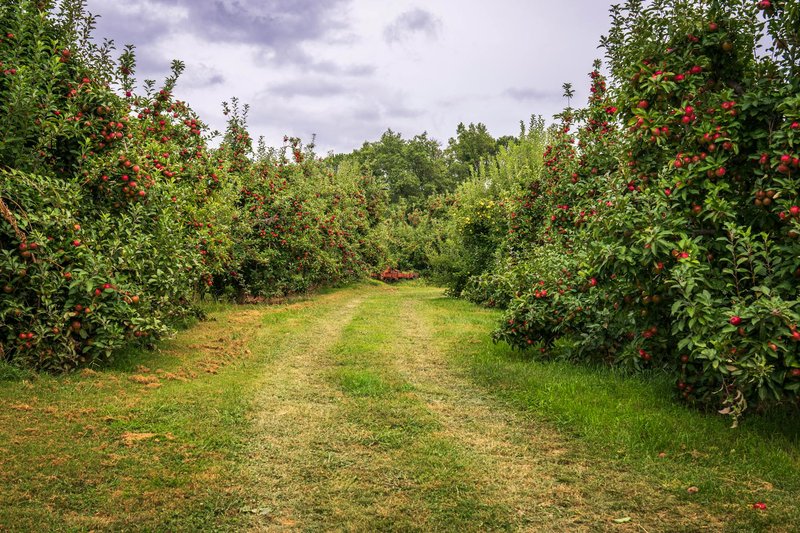
The most familiar fruits of Lesotho are temperate orchard fruits. These are the ones that fit the climate and the practical reality of farming in the mountains.
Apples
Apples are among the best-known fruit crops in cooler highland climates. They handle chill better than tropical species and can be grown in home gardens and small orchards where winters provide the dormancy they need.
Peaches and nectarines
Stone fruits can grow well in Lesotho’s cooler zones, though they need careful timing because blossoms are vulnerable to frost. That’s the catch with mountain fruit farming: the climate helps and hurts in equal measure.
Pears
Pears are another strong candidate for Lesotho’s highland agriculture. Like apples, they like a distinct winter chill period and can be productive once established.
Plums and apricots
Plums and apricots are often among the more practical fruits for temperate regions with cold seasons. They can do well where conditions are managed properly and the trees are shielded from harsh weather.
Grapes
Grapes are less common than apples or peaches, but certain varieties can be grown in suitable microclimates. Dry, sunny conditions help, though frost and water availability still matter a lot.
Wild and indigenous fruit plants
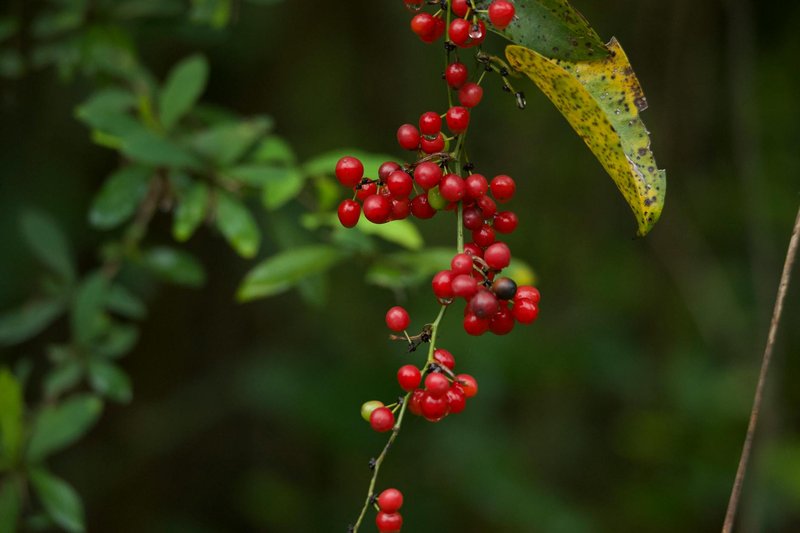
Lesotho also has wild edible plants and fruits that matter locally, especially in traditional food systems. These aren’t always the supermarket-style fruits people think of first, but they’re part of the broader picture.
Some native and naturalized plants produce berries, pods, or fruit-like structures used in local diets or traditional practices. In rural areas, wild harvesting can be an important supplement when cultivated fruit is limited by weather, storage, or distance from markets.
The challenge is that many of these plants are under-documented in mainstream English-language sources. That’s not because they don’t exist. It’s because local ecological knowledge often lives in communities, not neat export-friendly catalogues.
Seasonality and growing conditions
The biggest factor in the fruits of Lesotho is the weather. Cold nights, frost risk, wind exposure, and uneven rainfall all shape what can grow and when.
Mountain climates tend to favor fruits that need winter chill but dislike prolonged heat. That’s why apples and stone fruits make more sense than bananas or mangoes. A mango tree in Lesotho would be having a very bad time.
Farmers and gardeners also have to think about:
- Altitude: higher areas are colder and have a shorter growing window
- Frost: late spring frost can wipe out blossoms fast
- Water access: rainfall can be inconsistent, so irrigation helps
- Shelter: windbreaks and protected sites improve fruit set and tree health
For a country with such varied terrain, microclimate matters almost as much as national climate. A sheltered valley can produce fruit that a nearby exposed hillside simply can’t.
Why fruits matter in Lesotho
Fruit growing in Lesotho matters for more than just snacks and jam. It supports household nutrition, small-scale farming income, and local resilience. Fresh fruit is one of those crops that can improve diets without needing a huge industrial setup.
There’s also a practical side. Fruit trees can fit into mixed farming systems, giving families long-term food production from relatively small plots. Once established, a tree keeps showing up year after year, which is a pretty decent deal in a place where every square meter has to earn its keep.
For educators and students, the fruits of Lesotho also offer a nice example of how geography shapes agriculture. Same continent, wildly different crop possibilities. Elevation changes the menu.
Summary
The fruits of Lesotho are mainly hardy temperate fruits: apples, pears, peaches, plums, apricots, and, in some places, grapes. The country’s high altitude and cool climate favor orchard crops over tropical ones, while wild edible plants add another layer to the picture. In Lesotho, fruit growing is less about abundance and more about adaptation — and that’s what makes it interesting.