TL;DR
Cuvier’s beaked whales mostly eat deep-sea squid. Fish and octopus can also show up in the mix, but squid is the main event. They hunt by making long, deep dives — often far below the surface where sunlight doesn’t reach and prey is scarce — then grabbing whatever small, soft-bodied animals they can find.
Scientists know this from stomach contents, strandings, and tagging studies. The frustrating part? These whales are so hard to observe that their diet is still better inferred than directly watched.
Table of contents
- What do Cuvier’s beaked whales eat?
- The main prey: deep-sea squid
- Other foods in the Cuvier’s beaked whale diet
- How they hunt in the deep ocean
- How scientists know what they eat
- Does their diet change by region?
- Cuvier’s beaked whale diet at a glance
What do Cuvier’s beaked whales eat?
Cuvier’s beaked whales eat mostly squid, especially deep-sea squid that live hundreds to thousands of feet below the surface. They’re not cruising around snatching up big fish like some oceanic predators. Their whole feeding style is built around pursuing small, fast prey in the dark, deep part of the water column.
That makes sense for a beaked whale. These animals are extreme divers, and their prey lives where few predators can reach. The diet is a little like the ocean’s version of eating snacks in the basement after everyone else has gone to bed.
According to NOAA Fisheries, Cuvier’s beaked whales are deep-diving toothed whales, and their feeding happens far below the surface. Research from stranded animals and stomach samples has repeatedly pointed to squid as the dominant food source.
The main prey: deep-sea squid
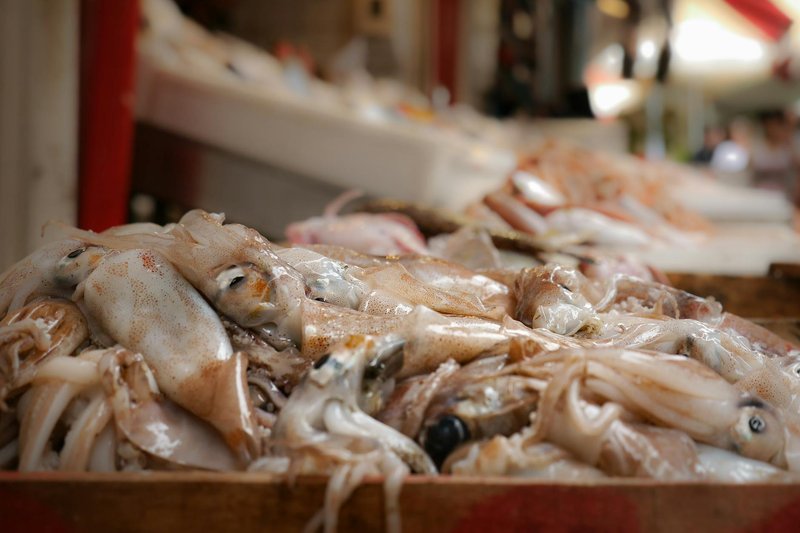
If you want one answer, it’s this: squid.
Cuvier’s beaked whales are especially linked to meso- and bathypelagic squid — species that live in the middle and deep layers of the ocean. These squids are often small to medium in size, soft-bodied, and adapted to low light. That’s exactly the kind of prey a whale hunting by sound in the deep would target.
Some of the squid found in beaked whale stomachs are species that spend their lives offshore and well below the surface, including lantern squid and other deep-water cephalopods. The exact species varies by region, which is one reason scientists keep finding new details about their diet. Ocean prey isn’t exactly lined up for a group photo.
A 2014 review in Marine Mammal Science summed up a lot of the evidence: beaked whales, including Cuvier’s beaked whales, are strongly associated with squid-heavy diets, with prey depth matching their diving behavior.
Other foods in the Cuvier’s beaked whale diet
Squid dominates, but it’s not the whole story.
Cuvier’s beaked whales may also eat:
- Fish, especially smaller deep-sea fish
- Octopus, though less commonly than squid
- Other soft-bodied deep-water prey when available
That said, fish usually seems to be the side dish, not the main course. Their jaws, teeth, and foraging style are built for catching prey below the surface during long, energy-intensive dives. Big, crunchy prey wouldn’t fit the strategy.
Diet can also vary by age and location. Younger whales may not have exactly the same prey mix as adults, and different ocean regions support different squid communities. So “Cuvier’s beaked whale diet” isn’t a single fixed menu. It’s more like a regional seafood special that changes depending on where the whale is diving.
How they hunt in the deep ocean

Cuvier’s beaked whales are famous for absurdly long dives. Some of the deepest and longest dives recorded in any whale belong to this species. They often spend most of their time at depth, then come up briefly to breathe before dropping back down again.
That dive pattern tells you a lot about what they’re eating. Their prey is not sitting near the surface waiting around. It’s down in the dark, where light is low and pressure is high.
A whale that hunts squid in the deep ocean needs a few things:
-
A body built for pressure
Their streamlined shape helps them move efficiently through deep water. -
Sensitive sonar-like echolocation
Like other toothed whales, they use sound to locate prey in darkness. -
Patience
Deep foraging takes time and energy. These whales don’t graze. They commit.
The result is a hunting strategy that’s specialized, efficient, and very hard for humans to observe directly. A study in Current Biology and related tagging work has helped show how beaked whales dive and forage, even when the actual prey capture moment remains mostly hidden from view.
How scientists know what they eat
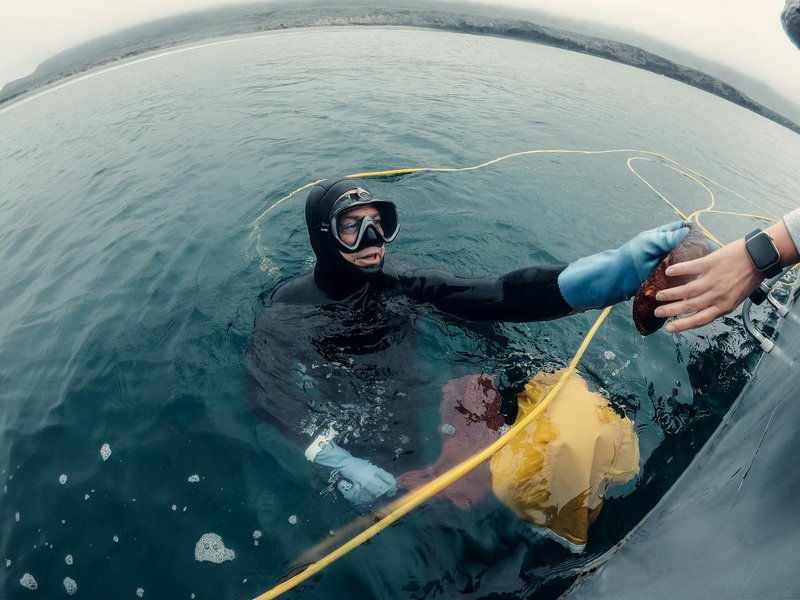
This is where things get a little messy, because you can’t exactly follow a Cuvier’s beaked whale down into the abyss with a clipboard.
Scientists piece together the diet using a few main sources:
- Stomach-content studies from stranded whales
- Scat and tissue analysis when available
- Tagging data showing dive depth, duration, and foraging behavior
- Cephalopod beaks found in digestive tracts, which can be identified to species
Of those methods, stomach contents are the most direct, but they’re also limited. Strandings are rare, and dead animals don’t always reflect the full picture of what healthy whales eat across seasons or regions.
That’s why the diet is understood with decent confidence at the broad level — squid first, fish sometimes — but with less certainty about the full species list. Research in Marine Ecology Progress Series and similar journals has helped build that picture over time.
Does their diet change by region?
Yes, probably.
The broad answer stays the same: Cuvier’s beaked whales eat squid. But the exact species of squid, and how much fish or octopus appears in the diet, likely changes with location. That’s because deep-sea prey communities are not identical across oceans.
A whale in the Pacific may encounter a different set of squid species than one in the Atlantic or Mediterranean. Depth, temperature, productivity, and local prey availability all shape what’s on offer. Beaked whales don’t get a standard cafeteria tray from the ocean.
This regional flexibility is one reason their diet is still an active research topic. We know the headline. The details are still being filled in.
Cuvier’s beaked whale diet at a glance
- Primary food: deep-sea squid
- Other prey: fish, octopus, and other soft-bodied deep-water animals
- Feeding depth: deep ocean, often far below the surface
- Hunting style: long dives, echolocation, prey capture in darkness
- What makes it hard to study: rare observations, deep habitat, limited direct sampling
Cuvier’s beaked whales are specialist predators built for one of the toughest grocery runs in the ocean. Their diet is dominated by squid because that’s what lives where they hunt: deep, dark, and hard to reach. Fish and octopus can appear too, but the whale’s whole feeding strategy points to a squid-first menu.
If you’re trying to remember just one thing, make it this: Cuvier’s beaked whales are deep-diving squid hunters. Everything else is a footnote.